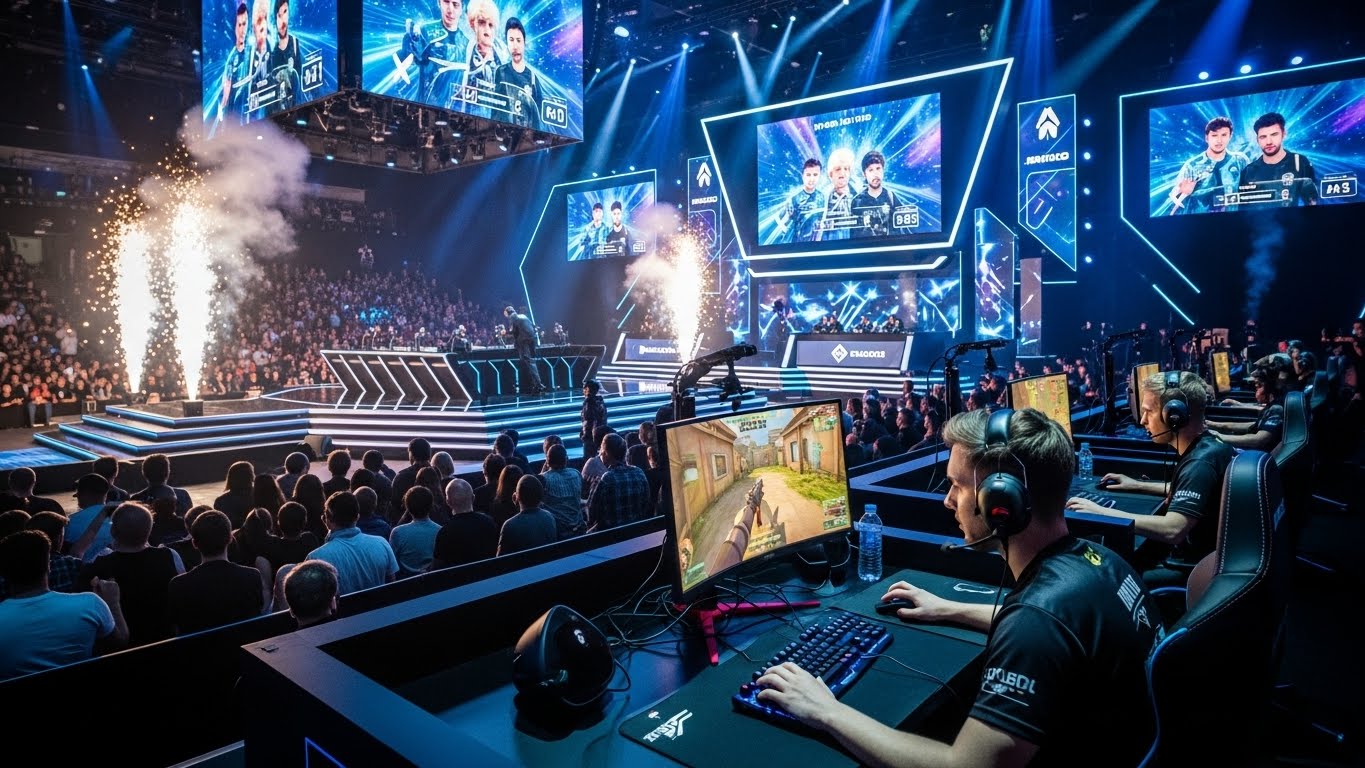
Esports is no longer a niche interest confined to a small community of gamers. It has transformed into a massive global phenomenon, attracting millions of fans, professional players, and lucrative sponsorships. What started as friendly competitions among gamers has now evolved into multi-million-dollar industries with large-scale tournaments, streaming platforms, and an ever-expanding fan base. In this blog post, we’ll explore how esports has grown from a subculture to a global empire, its impact on traditional sports, and what the future holds for this competitive gaming industry.
The Birth of Esports: From LAN Parties to Global Tournaments
The origins of esports trace back to the early 2000s, a time when internet connectivity was rapidly improving, and online multiplayer games were gaining popularity. Local Area Network (LAN) parties were a common way for gamers to come together, compete, and share their passion for video games. Titles like StarCraft, Quake, and Warcraft served as the foundation for the competitive gaming scene, with players organizing events in basements, university dorms, or gaming cafes.
However, it wasn’t until 2000 when the first major esports tournament, the World Cyber Games (WCG), took place. The event, which was held in South Korea, marked the beginning of esports on the global stage. It attracted attention not only for its competitive nature but also for the high level of skill required to excel in these games. The WCG set a precedent for large-scale tournaments, and it wasn’t long before other events such as the Electronic Sports World Cup and Major League Gaming began to sprout up, further solidifying the competitive gaming culture.
The Professionalization of Esports: Entering the Mainstream
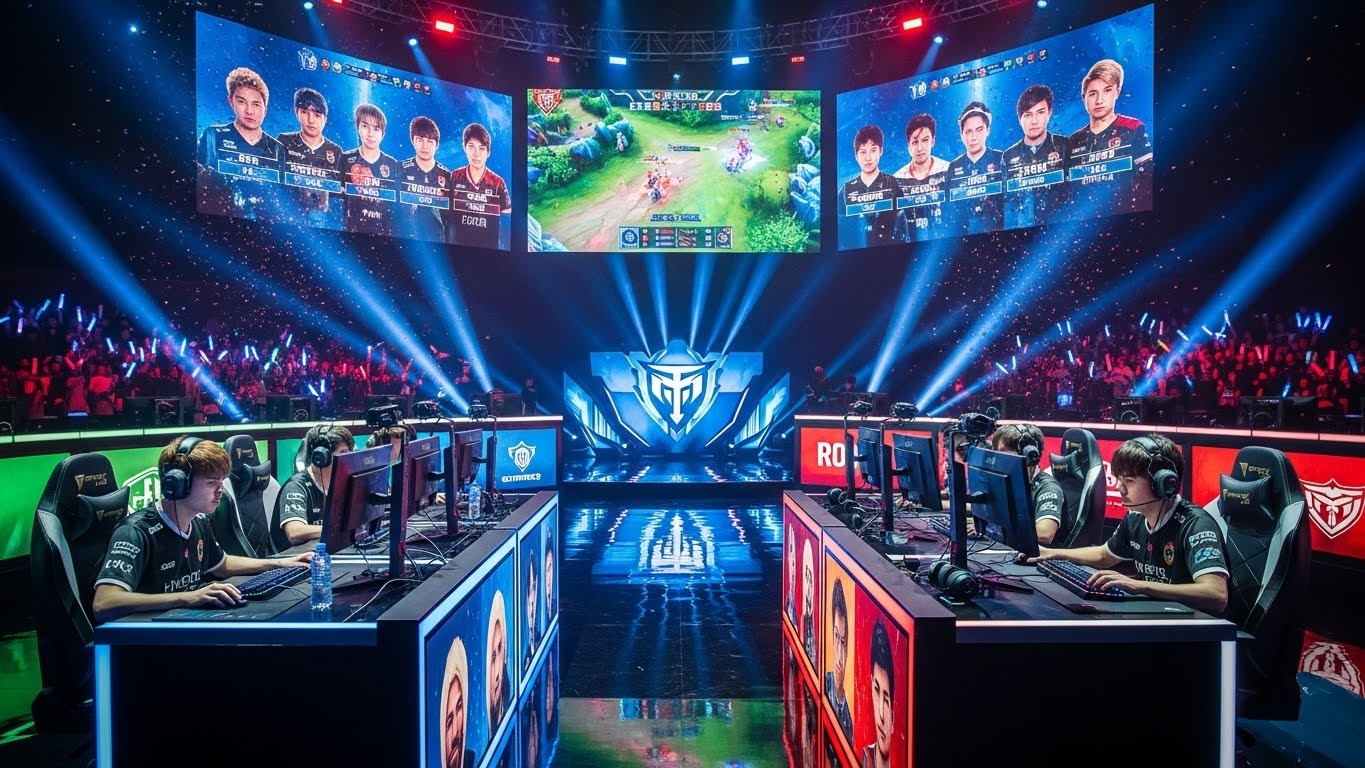
As esports grew in popularity, the scene began to professionalize. No longer were gamers just hobbyists participating in small-scale competitions; they were now full-time professionals training to compete in major tournaments for substantial cash prizes. The rise of platforms like Twitch and YouTube Gaming in the late 2000s also played a significant role in propelling esports into the mainstream. These platforms allowed players to stream their gameplay live to millions of viewers, creating an entirely new form of entertainment and a global fanbase.
The first real sign of esports becoming a legitimate professional industry was the establishment of esports organizations like Team Liquid, Fnatic, and Cloud9. These teams recruited top-tier players, offered sponsorships, and created a support system that allowed gamers to focus on improving their skills without worrying about logistics. Esports organizations also began to attract major sponsors, from companies like Red Bull and Intel to game developers like Riot Games, who would later create titles like League of Legends that would become esports staples.
The competitive scene began to mirror that of traditional sports, with coaches, analysts, and performance psychologists now part of esports teams. Tournaments became bigger and more structured, with sponsorship deals, prize money, and fan engagement opportunities rising year after year.
The Massive Growth of Esports: From Regional to Global Phenomenon
Over the last decade, the growth of esports has been staggering. Tournaments like The International (for Dota 2) and the League of Legends World Championship have become marquee events that draw millions of viewers from around the world. The League of Legends World Championship, for example, regularly attracts over 100 million unique viewers, with some of its finals even surpassing the viewership of the Super Bowl.
Esports has also become more than just a competitive activity—it’s a cultural movement. The rise of streamers and content creators has led to a new form of celebrity, where top players like Ninja (Tyler Blevins) and PewDiePie have amassed millions of followers not just for their gameplay, but also for their personalities, humor, and lifestyle. This transition has solidified gaming as part of mainstream entertainment culture.
The industry has expanded beyond just games and tournaments; it now includes a vast ecosystem with roles such as commentators, content producers, analysts, event organizers, and media personnel. Esports has also begun to overlap with traditional sports, with professional basketball teams like Golden State Warriors investing in esports franchises and football clubs like Manchester City supporting gaming teams. The rise of esports in the Olympics conversation also signals a changing landscape where competitive gaming may eventually find a place in traditional sports events.
Esports and Traditional Sports: A New Rivalry or Complement?
While esports has often been seen as a rival to traditional sports, the two industries are beginning to complement each other in unexpected ways. The competitive structure of traditional sports—where athletes train rigorously, have coaches, follow schedules, and compete for large sums of money—has been mirrored in the esports world. Players now approach games with the same level of dedication that professional athletes do, investing time into improving their mechanics, strategy, and mental performance.
In fact, traditional sports leagues have realized the value of esports as a way to attract younger audiences, who may not be as interested in traditional sports like football or basketball. Many sports organizations now have esports divisions or invest in esports teams to tap into this expanding demographic.
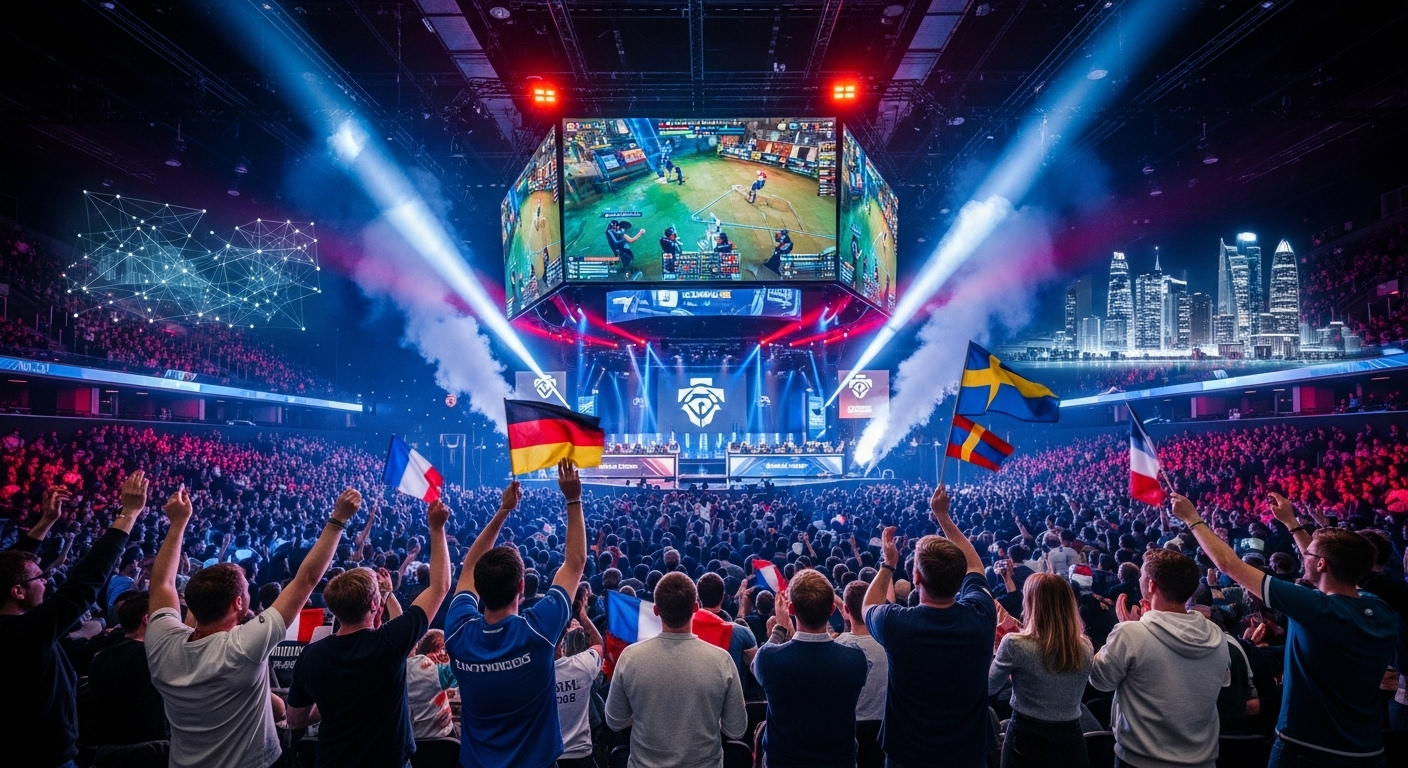
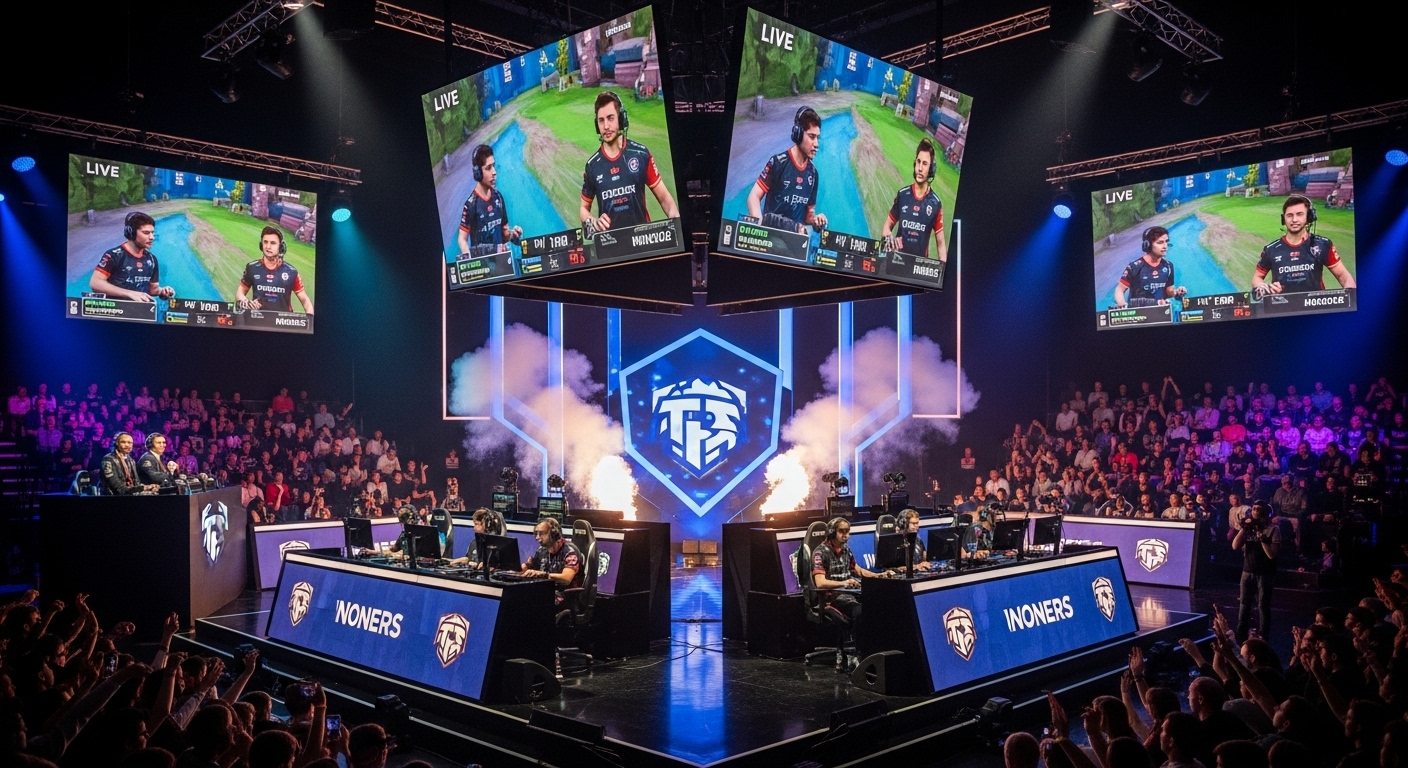
The crossover between esports and traditional sports is perhaps most evident in the rise of esports arenas. These are large-scale venues built specifically for esports tournaments, modeled after traditional sports stadiums. For example, the HyperX Esports Arena in Las Vegas hosts major events for games like Hearthstone and Street Fighter V. Such arenas further blur the lines between competitive gaming and traditional sports, offering fans a stadium-style experience for esports.
The Financial Power of Esports: A Multi-Billion Dollar Industry
The financial growth of esports is one of the most remarkable aspects of its rise. What started as small-scale tournaments with modest cash prizes has exploded into a multi-billion-dollar industry. In 2023, the global esports market was valued at over $1.4 billion, with projections suggesting that this number will only continue to increase in the coming years.
Revenue streams for esports include tournament prize pools, sponsorships, media rights, merchandise sales, and fan donations. The rise of streaming platforms like Twitch and YouTube Gaming has also opened up new avenues for monetization, with content creators generating income from ads, subscriptions, and brand partnerships. These financial opportunities have turned esports into a viable career option for professional gamers, content creators, and even analysts or coaches.
Esports’ unique ability to generate revenue has also attracted investors. Major companies and venture capitalists are pouring money into the industry, further professionalizing it and ensuring its continued growth. In 2020, the value of esports teams reached new heights, with top teams being valued at over $200 million.
The Challenges Facing Esports
Despite its rapid growth and massive potential, the esports industry faces several challenges. One of the most pressing issues is player health and wellness. Professional gamers spend hours training and competing, which can lead to physical issues like carpal tunnel syndrome or mental burnout. Mental health is a major concern, as the pressure to perform at a high level can be overwhelming.
Another challenge is the sustainability of the esports ecosystem. While esports teams and events generate significant revenue, the volatility of game popularity and audience preferences can be a risk. A game that is hugely popular today could lose its audience tomorrow, as seen with titles like Hearthstone and Fortnite, which experienced spikes in popularity followed by declines. This constant shift means that the industry must remain adaptable and innovative to thrive.
Additionally, the lack of a standardized governing body or official structure for esports tournaments makes it difficult for the industry to grow in a cohesive way. Traditional sports leagues have global governing bodies like the FIFA (for soccer) or the NBA (for basketball) that create consistency and regulation. Esports, however, lacks a universal framework for tournament rules, player regulations, and organizational standards.
The Future of Esports: What Lies Ahead?
The future of esports is incredibly bright, with numerous opportunities for growth and innovation. One of the most exciting prospects is the potential for esports to continue its integration with virtual and augmented reality. These technologies could revolutionize the way esports is played and experienced, offering a new level of immersion for players and fans alike.
The expansion of mobile esports is also something to keep an eye on. Games like PUBG Mobile and Mobile Legends are already attracting large audiences, particularly in Asia. As mobile gaming technology continues to improve, mobile esports could become as significant as PC and console esports.
Esports’ growth shows no signs of slowing down. With its increasing integration into mainstream entertainment and its ability to connect with younger, tech-savvy audiences, esports will likely continue to dominate the digital landscape for years to come. Whether you’re a seasoned player or someone new to the scene, there’s no denying that esports is here to stay.
Conclusion
Esports has come a long way from its humble beginnings in LAN parties to becoming a multi-billion-dollar industry with millions of fans worldwide. It has transformed the way we view gaming, competition, and entertainment, and it shows no signs of slowing down. The rise of esports represents not just the growth of a competitive hobby but the birth of a new cultural phenomenon that has transcended the world of gaming. As technology, media, and sponsorships continue to evolve, so too will the world of esports, promising an even more exciting future for players, fans, and industry professionals alike.