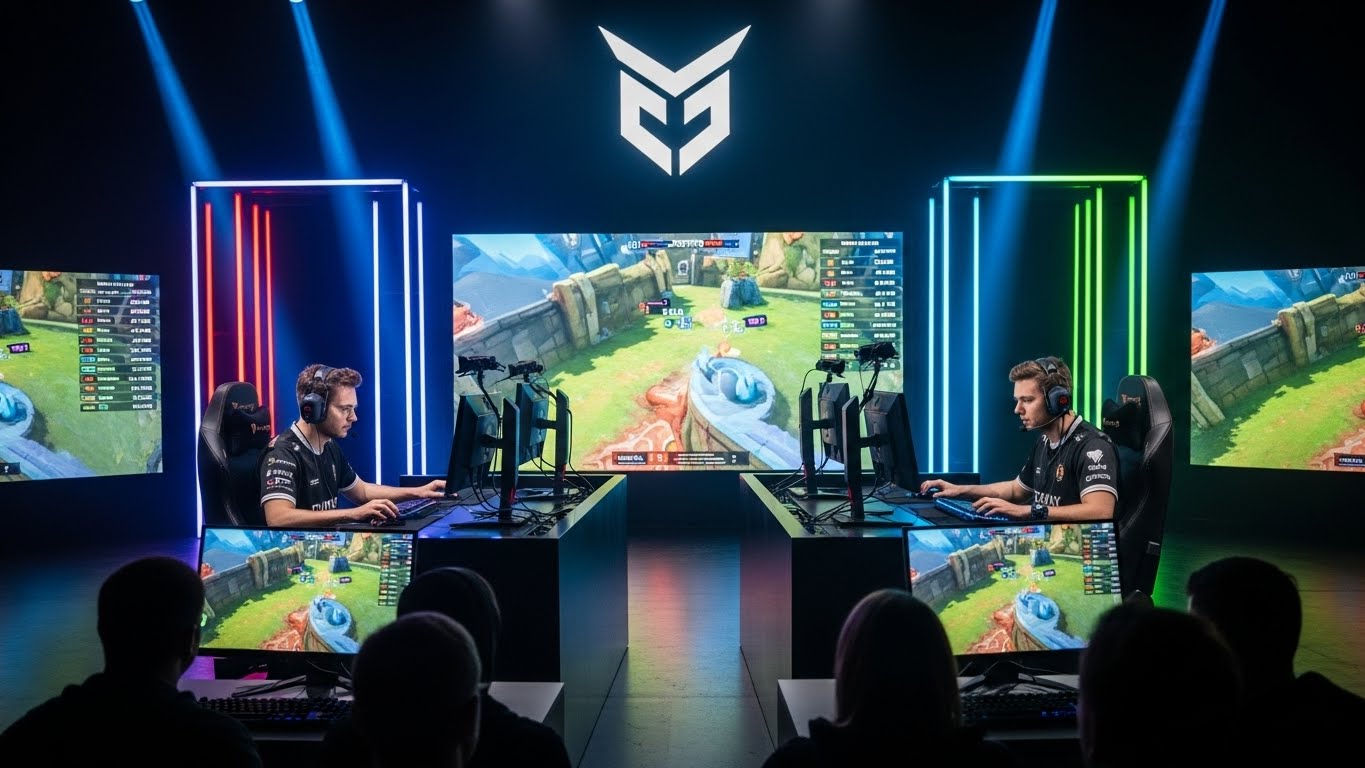

Esports, once considered a niche hobby for video game enthusiasts, has rapidly grown into a global phenomenon that rivals traditional sports in popularity, viewership, and revenue. What started as casual gaming competitions in small communities has transformed into a professionalized industry with tournaments, sponsorships, media coverage, and celebrity gamers. The rise of esports reflects broader changes in technology, culture, and entertainment consumption, establishing competitive gaming as a legitimate and lucrative career path. This blog explores the evolution of esports, its current landscape, economic impact, and the future potential of this dynamic industry.
The Origins of Competitive Gaming
Competitive gaming is not a new concept. Even before the term esports existed, video games were being played competitively. In the 1970s and 1980s, arcade tournaments offered players the chance to showcase their skills and win prizes. Classic games such as Space Invaders, Pac-Man, and Street Fighter were among the first to inspire competitive play. Early competitions were localized, often held in arcades or gaming conventions, but they laid the foundation for organized gaming communities.
The 1990s saw a shift with the rise of personal computers and networked gaming. Titles like StarCraft and Counter-Strike created environments where players could compete online, sometimes internationally. LAN parties, where players connected computers locally to compete, became popular social events. This period was critical in developing the esports culture: community-driven, skill-focused, and competitive at its core.
The Birth of Modern Esports
The term esports, short for electronic sports, emerged in the early 2000s as competitive gaming grew in scale and professionalism. South Korea played a pivotal role in this transformation, particularly through games like StarCraft: Brood War. Professional leagues, televised matches, and dedicated esports stadiums turned gaming into a spectator sport. Gamers became celebrities, and professional teams formed with sponsorship deals, training regimens, and fan followings.
Globally, esports expanded rapidly with games such as League of Legends, Dota 2, and Counter-Strike: Global Offensive. International tournaments offered substantial prize pools, attracting talent worldwide. The success of these competitions signaled that esports was not just entertainment for players but also a marketable spectacle for audiences.
The Role of Streaming Platforms
A key factor in the rise of esports is streaming platforms, which have transformed the way audiences experience competitive gaming. Platforms like Twitch, YouTube Gaming, and Facebook Gaming allow fans to watch live matches, interact with players, and even influence content through chat and donations. Streaming has democratized esports viewership, making professional tournaments accessible to millions of people worldwide.
Streaming also created new opportunities for amateur players. Talented gamers can gain recognition by broadcasting their gameplay, potentially attracting sponsorships, team offers, or invitations to tournaments. This interaction between players and viewers strengthens the esports ecosystem and fosters a sense of community that extends beyond competition.
Economic Impact of Esports
Esports is no longer just a hobby; it is a multi-billion-dollar industry with significant economic implications. Revenue streams include sponsorships, advertising, merchandise, ticket sales for live events, and media rights. Major corporations, including technology brands, beverage companies, and apparel manufacturers, recognize the marketing potential of esports, particularly among younger demographics.
Professional teams operate like traditional sports franchises, with coaches, analysts, and support staff. Training facilities, content creation departments, and marketing teams contribute to the commercialization of competitive gaming. The economic growth of esports has also led to the creation of specialized careers such as shoutcasters, event organizers, and esports journalists, demonstrating that the industry is diverse and expanding.
Esports as a Career Path
Esports offers professional opportunities not only for players but also for a variety of related roles. Top-tier players can earn substantial salaries, prize money, and sponsorship deals, rivaling professional athletes in traditional sports. However, becoming a professional gamer requires dedication, discipline, and skill comparable to that of any elite athlete. Many players follow structured training schedules, focus on strategy and teamwork, and continuously adapt to evolving games.
Beyond players, careers in coaching, team management, content creation, and broadcasting provide additional avenues. Analysts and commentators, known as shoutcasters, bring matches to life for audiences, offering insights and entertainment. The growth of esports academies and training programs also indicates a formalization of skill development, similar to youth sports programs in traditional athletics.
Popular Esports Titles
Esports is defined by the games themselves, which provide the competitive framework and attract audiences. Popular titles span multiple genres, including real-time strategy, first-person shooters, multiplayer online battle arenas, and sports simulations.
League of Legends, developed by Riot Games, is one of the most-watched esports globally, with regional leagues culminating in a World Championship that draws millions of viewers. Dota 2, developed by Valve, is renowned for its massive prize pools, with tournaments like The International offering millions of dollars in winnings. Counter-Strike: Global Offensive remains a staple in the esports scene, combining skill, strategy, and teamwork. Other notable titles include Fortnite, Overwatch, Call of Duty, and Rocket League, each cultivating its own competitive community and fanbase.
Esports and Culture
Esports has become a cultural phenomenon that extends beyond gaming. It influences fashion, music, streaming trends, and online communities. Fans engage with esports teams similarly to traditional sports, following social media accounts, purchasing merchandise, and attending live events. Cosplay, fan art, and themed content further integrate esports into popular culture.
Esports also fosters inclusivity by connecting people across geographic, linguistic, and cultural boundaries. Online tournaments allow international collaboration and competition, while communities provide spaces for discussion, learning, and social interaction. Despite lingering stereotypes about gamers, esports is increasingly recognized as a legitimate cultural and professional pursuit.
Challenges Facing Esports
While esports continues to grow, it faces several challenges. The pressure on professional players can be immense, with intense training schedules, high expectations, and public scrutiny. Mental health issues such as burnout, stress, and anxiety are prevalent, prompting teams and organizations to provide psychological support and wellness programs.
The industry also faces concerns regarding fair play, cheating, and regulation. Ensuring that competitions are transparent and balanced is critical for maintaining credibility and fan trust. Additionally, the esports ecosystem must navigate issues related to monetization, intellectual property, and the evolving role of streaming platforms.
The Future of Esports
The future of esports is promising, with continued growth in technology, audience engagement, and professionalization. Virtual reality, augmented reality, and mobile gaming are expanding the competitive landscape, creating new possibilities for immersive experiences. As esports integrates further with mainstream media, sponsorships, and traditional sports, its influence is expected to reach broader audiences.
Education and training will likely play a larger role, with esports programs appearing in universities and schools, providing structured development for aspiring professionals. Furthermore, technological advancements in analytics and performance tracking will enhance training, strategy, and fan engagement, making esports an increasingly sophisticated and multifaceted industry.
Conclusion
Esports has evolved from small-scale gaming competitions to a global entertainment powerhouse. It combines skill, strategy, and spectacle, attracting millions of players and viewers worldwide. The industry provides professional opportunities, fosters cultural connections, and continues to innovate through technology and media.
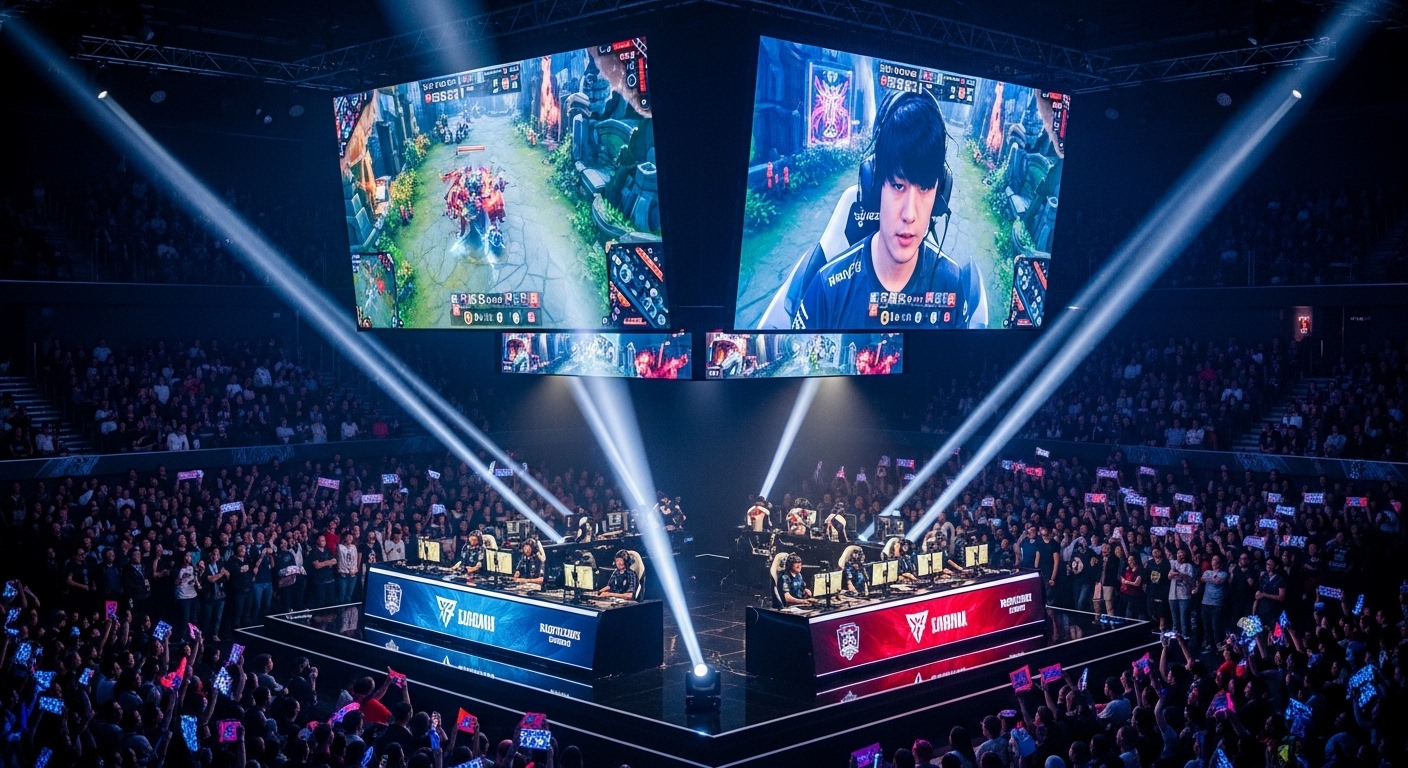
While challenges remain, the growth and professionalization of esports demonstrate its legitimacy and long-term potential. From its roots in arcades and LAN parties to stadiums filled with cheering fans and millions watching online, esports is no longer a fringe activity—it is a defining feature of modern entertainment. As the industry continues to evolve, esports will likely play an increasingly significant role in shaping global culture, technology, and the future of competitive sports.