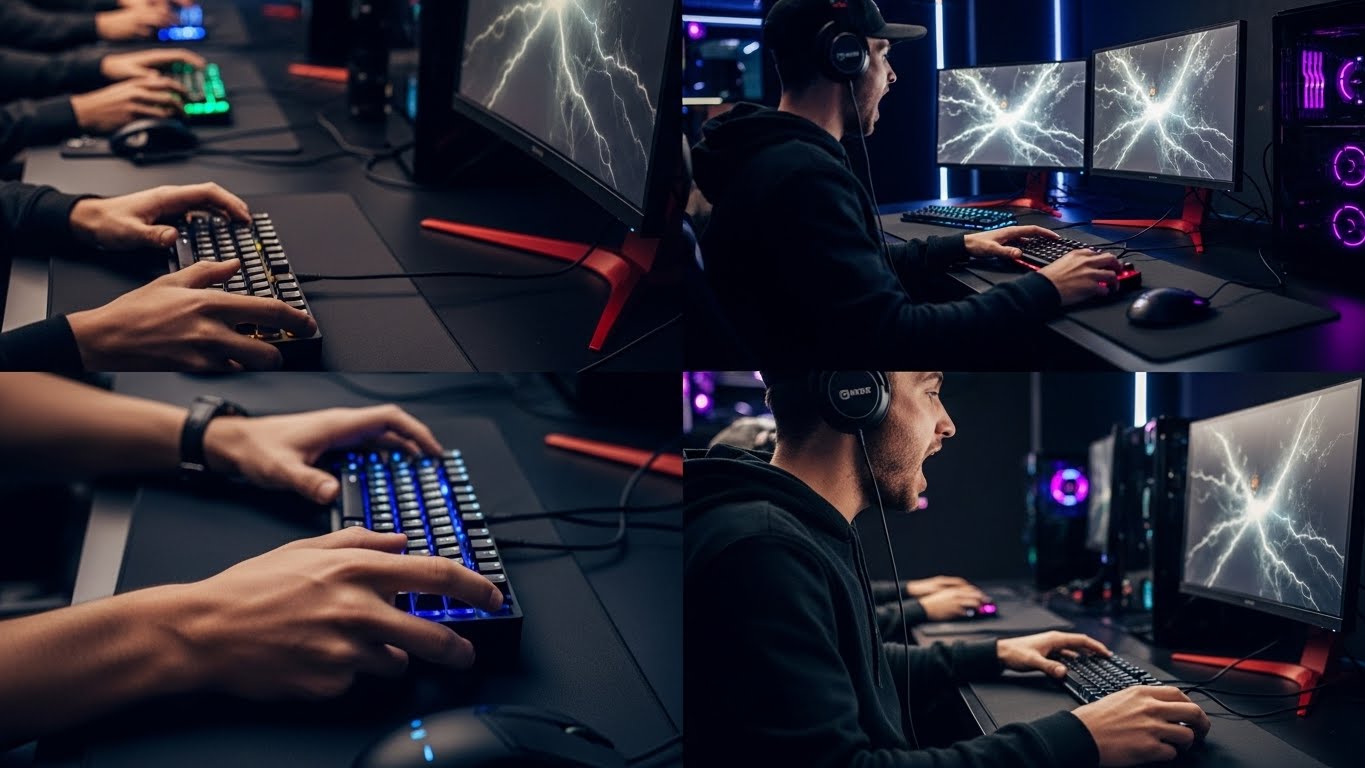
Esports, short for electronic sports, is no longer just a niche hobby enjoyed by a select few. Over the past decade, it has blossomed into a global entertainment phenomenon, attracting millions of viewers, high-profile sponsors, and professional athletes. The rapid growth of esports is reshaping the world of gaming, competition, and entertainment. In this blog, we’ll explore the evolution of esports, its impact on the gaming industry, and its rise as a legitimate career path for players, analysts, and content creators.
What is Esports?
Esports refers to organized, multiplayer video game competitions, particularly between professional players, individually or as teams. These competitions are often live-streamed on platforms such as Twitch, YouTube, and Facebook, and are accompanied by commentaries, live audiences, and sponsorship deals. While the genre of games can vary—ranging from strategy games like League of Legends to first-person shooters like Counter-Strike: Global Offensive—the core idea is the same: players compete against each other in a structured environment, often with large cash prizes and international recognition.
The esports industry is diverse, with different titles, leagues, and tournaments catering to various types of gamers and audiences. Major games include Dota 2, Fortnite, Overwatch, Call of Duty, and Valorant, each with its unique playstyles, strategies, and player communities.
The Origins and Growth of Esports
While esports may seem like a recent development, its roots can be traced back to the early days of competitive gaming. The first known video game tournament took place in 1972 at Stanford University, where students competed in a Spacewar tournament for a prize of a year’s subscription to Rolling Stone magazine. However, it wasn’t until the late 1990s and early 2000s that esports began to gain more traction on a larger scale.
The rise of high-speed internet and the proliferation of multiplayer games like StarCraft, Quake, and Warcraft III helped solidify the foundation for competitive gaming. International tournaments like the World Cyber Games (WCG) and Electronic Sports World Cup (ESWC) emerged, attracting players from all over the world. These tournaments were still relatively small-scale compared to what we see today, but they marked the beginning of esports as an organized sport.
In the mid-2000s, the explosion of online gaming platforms and streaming services such as Twitch played a pivotal role in propelling esports into the mainstream. Games like League of Legends, Dota 2, and Counter-Strike: Global Offensive built massive player bases, and global tournaments like The International (for Dota 2) and League of Legends World Championship began attracting millions of viewers. Esports was no longer just about playing games—it was about watching, cheering, and engaging with a community of fans and players.
Esports as a Profession
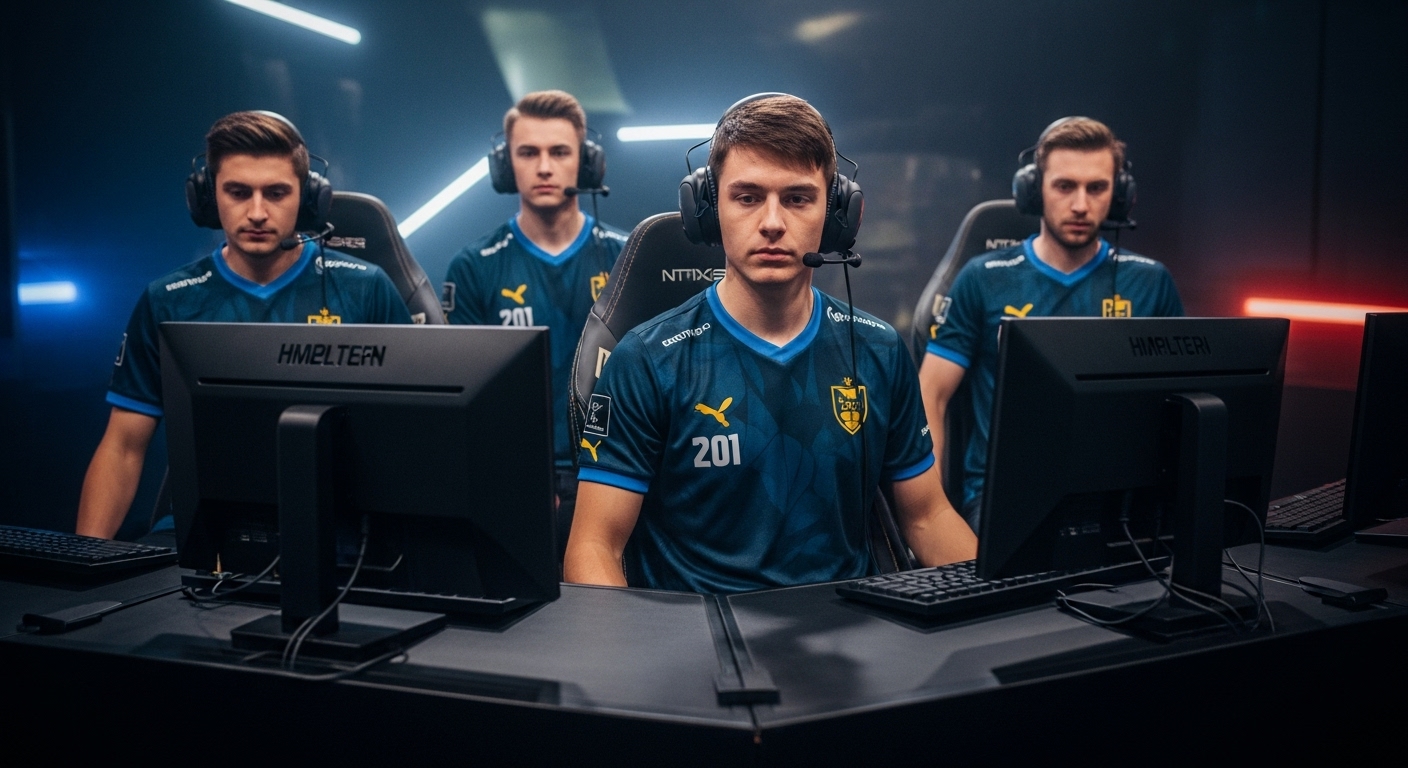
One of the most significant developments in esports’ growth is the emergence of professional players and teams. Competitive gamers, once seen as casual hobbyists, now have the opportunity to earn a living doing what they love. This transformation has been fueled by major sponsorship deals, lucrative tournament prizes, and a growing fan base that’s eager to support their favorite players and teams.
Today, top esports athletes can make substantial incomes, often in the six-figure range, through tournament winnings, sponsorships, streaming, and merchandise sales. For example, The International for Dota 2 regularly boasts prize pools in the tens of millions of dollars, making it one of the most lucrative esports tournaments in the world. Players can also earn revenue through streaming platforms like Twitch or YouTube, where they build dedicated fanbases and make money from ads, donations, and subscriptions.
For aspiring professional gamers, the path to success typically begins at the grassroots level. Many players start by honing their skills in online matches, participating in local tournaments, and building a reputation within the gaming community. Over time, they may be recruited by professional esports organizations, which provide them with training, coaching, and resources to compete at the highest levels.
However, being an esports professional is not just about playing games. Successful players also have to manage their public image, brand partnerships, and social media presence. In many ways, esports athletes are akin to traditional sports stars, with a fan following, endorsement deals, and sponsorship opportunities that extend beyond the game itself.
The Expanding Ecosystem of Esports
Esports is not just about the players—there is an entire ecosystem of individuals and organizations that contribute to its growth. This includes coaches, analysts, broadcasters, content creators, and event organizers, all of whom play a vital role in ensuring that esports runs smoothly.
Coaches and Analysts
Just like in traditional sports, esports teams often have coaches who help players refine their strategies, improve team dynamics, and develop mental resilience. Coaches and analysts study gameplay footage, track player statistics, and develop strategies to gain an edge over competitors. Analysts, often seen in esports broadcasts, break down the gameplay for viewers, providing insightful commentary and helping audiences understand the finer details of the matches.
Broadcasters and Content Creators
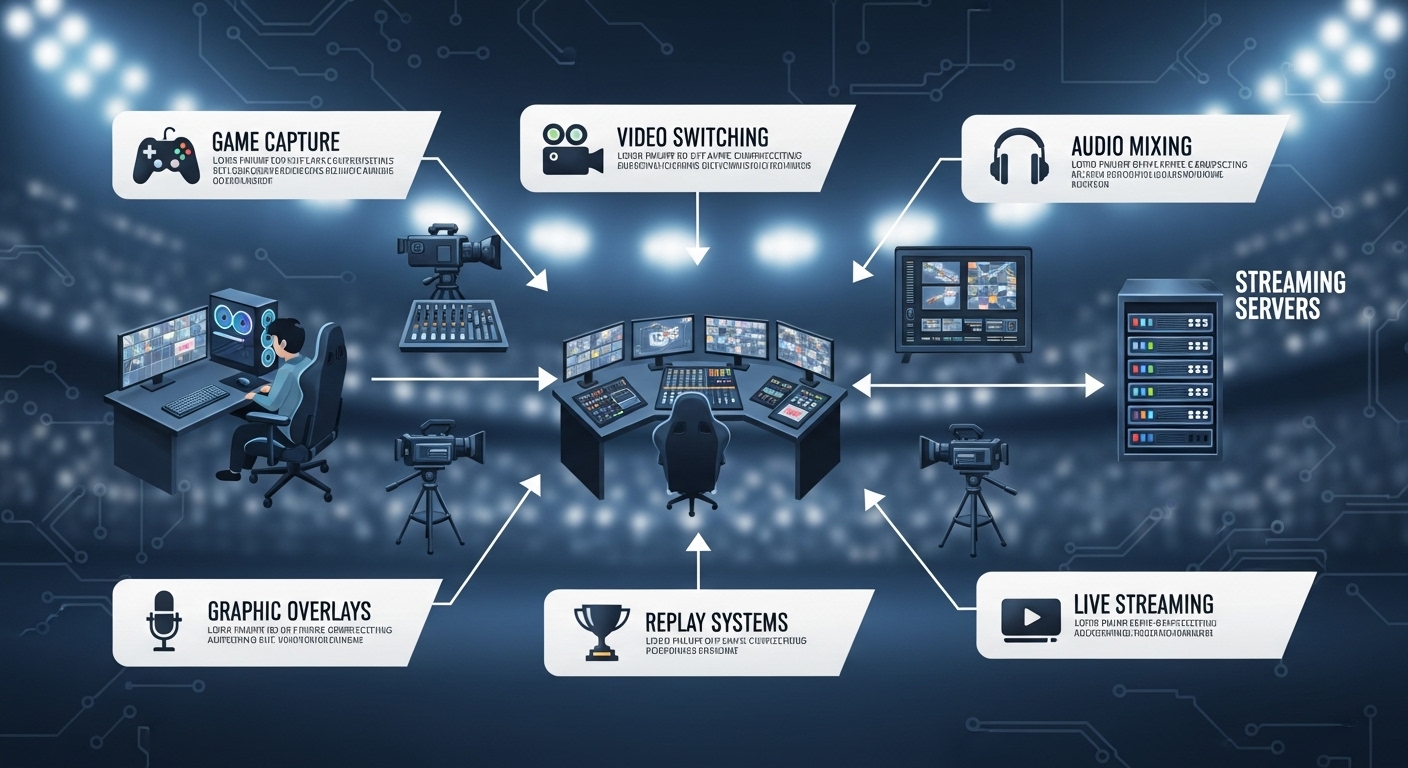
Esports broadcasting has evolved into a professional field in its own right. Commentators, casters, and analysts are a key part of the entertainment value of esports. They bring their knowledge of the game to the audience, providing live commentary during matches, offering analysis of players’ tactics, and keeping viewers engaged throughout the event.
Content creators, including YouTubers, streamers, and social media influencers, also play a significant role in expanding the reach of esports. These creators produce a variety of content, including gameplay highlights, tutorials, interviews, and entertainment-focused videos. They help grow the esports community by introducing new fans to the scene and sharing their personal experiences with gaming.
Event Organizers and Sponsors
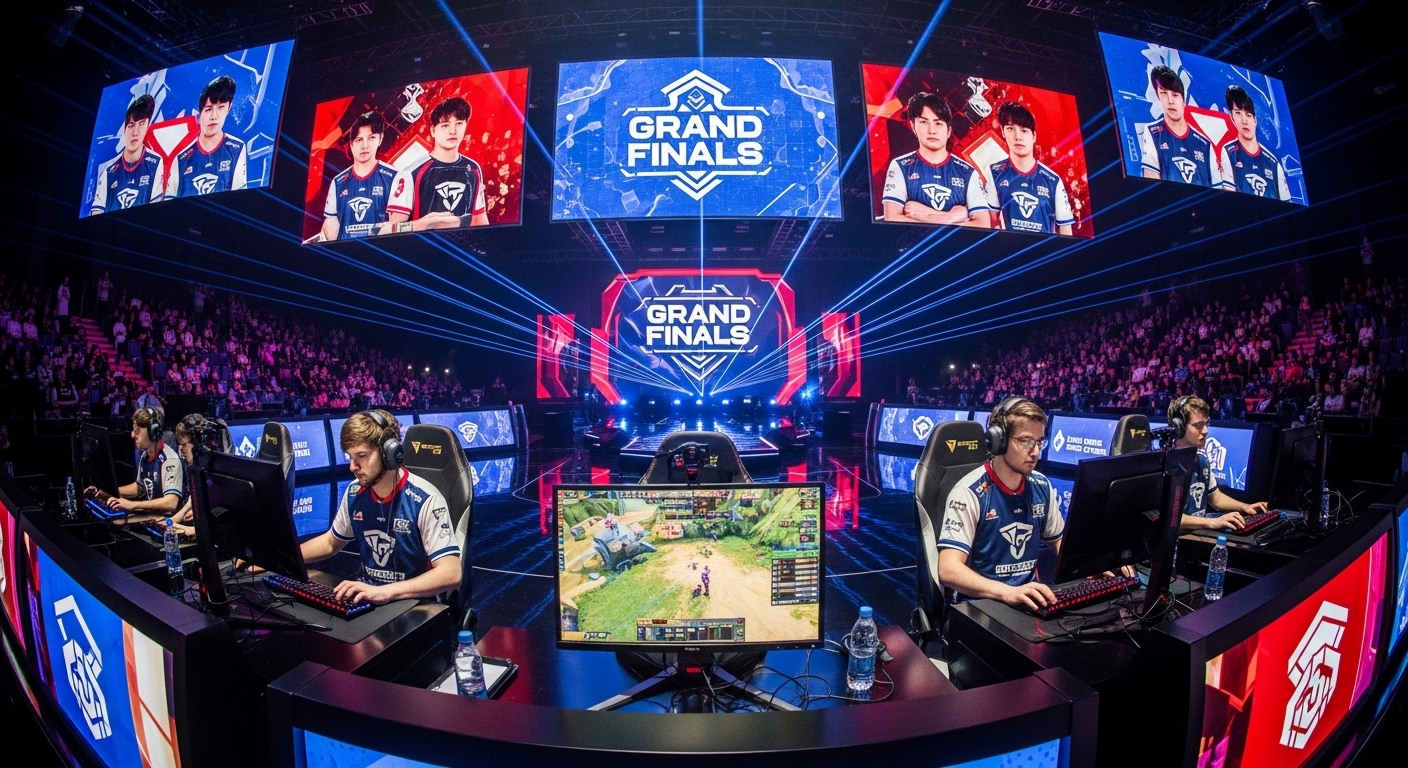
Esports tournaments and leagues are organized by a variety of companies and organizations. Some of the biggest names in esports event organization include ESL, DreamHack, and Blizzard Entertainment. These organizations manage everything from online qualifiers to live finals in massive stadiums. As the popularity of esports has grown, so too have the stakes for event organizers. Some tournaments now offer prize pools worth millions of dollars, attracting the best players and largest brands in the industry.
Sponsors are another critical component of the esports ecosystem. Brands from industries ranging from technology to energy drinks have recognized the potential of esports as a marketing platform. Sponsorships help fund tournaments, support player salaries, and offer exposure to a young, tech-savvy audience. Companies like Intel, Razer, Coca-Cola, and Nike have all made significant investments in the esports scene, further legitimizing the industry.
The Cultural Impact of Esports
Beyond the financial and professional aspects, esports has also had a profound impact on global culture. It has created a shared language and experience for millions of people around the world, transcending geographical, cultural, and linguistic barriers. Esports communities are often inclusive, welcoming people from all walks of life to connect through their love of gaming.
Esports has also influenced the traditional sports world. Many traditional sports teams now own esports franchises, with organizations like FC Barcelona, Paris Saint-Germain, and Manchester City establishing their own esports teams. This cross-pollination between esports and traditional sports has helped further legitimize esports as a mainstream form of entertainment.
Furthermore, esports has become a driving force behind the rise of streaming platforms. Twitch has become the go-to platform for gaming-related content, attracting millions of viewers daily. Through live streams, gamers can interact with their fans in real-time, building a sense of community and connection that was previously unattainable in traditional media formats.
The Future of Esports
The future of esports is incredibly promising, with continued growth and new opportunities on the horizon. The introduction of next-gen gaming consoles, improved internet infrastructure, and virtual reality technology could further enhance the esports experience, making it even more immersive and accessible.
Additionally, esports will continue to integrate with other industries, from entertainment to education. Major companies are investing in esports-related ventures, and academic institutions are offering scholarships and even degree programs dedicated to esports management and production.
As esports becomes more mainstream, there will likely be an increase in regulation, as the industry grapples with issues like player welfare, match-fixing, and doping. However, with its massive global fan base and ever-expanding commercial appeal, esports is poised to continue its upward trajectory for years to come.
Conclusion
Esports has grown from a niche pastime to a global entertainment industry, with millions of fans, professional players, and substantial financial backing. The combination of intense competition, entertainment value, and a thriving community has made esports one of the most exciting and dynamic sectors in modern entertainment. As technology continues to evolve and new generations of gamers emerge, esports will likely continue to thrive and evolve, offering new opportunities for players, fans, and industry professionals alike. Whether you’re an aspiring professional gamer, a fan, or someone curious about the phenomenon, the world of esports offers something for everyone.