Introduction
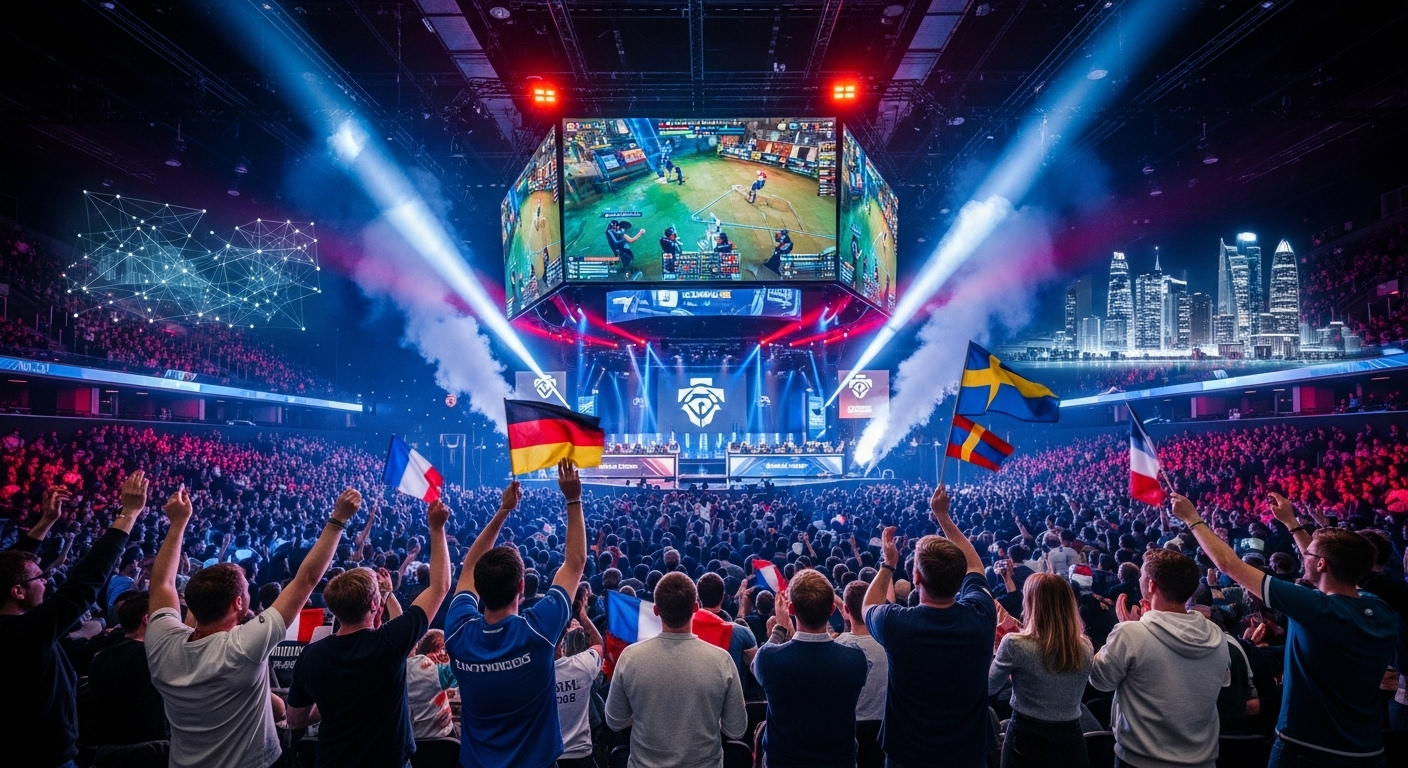
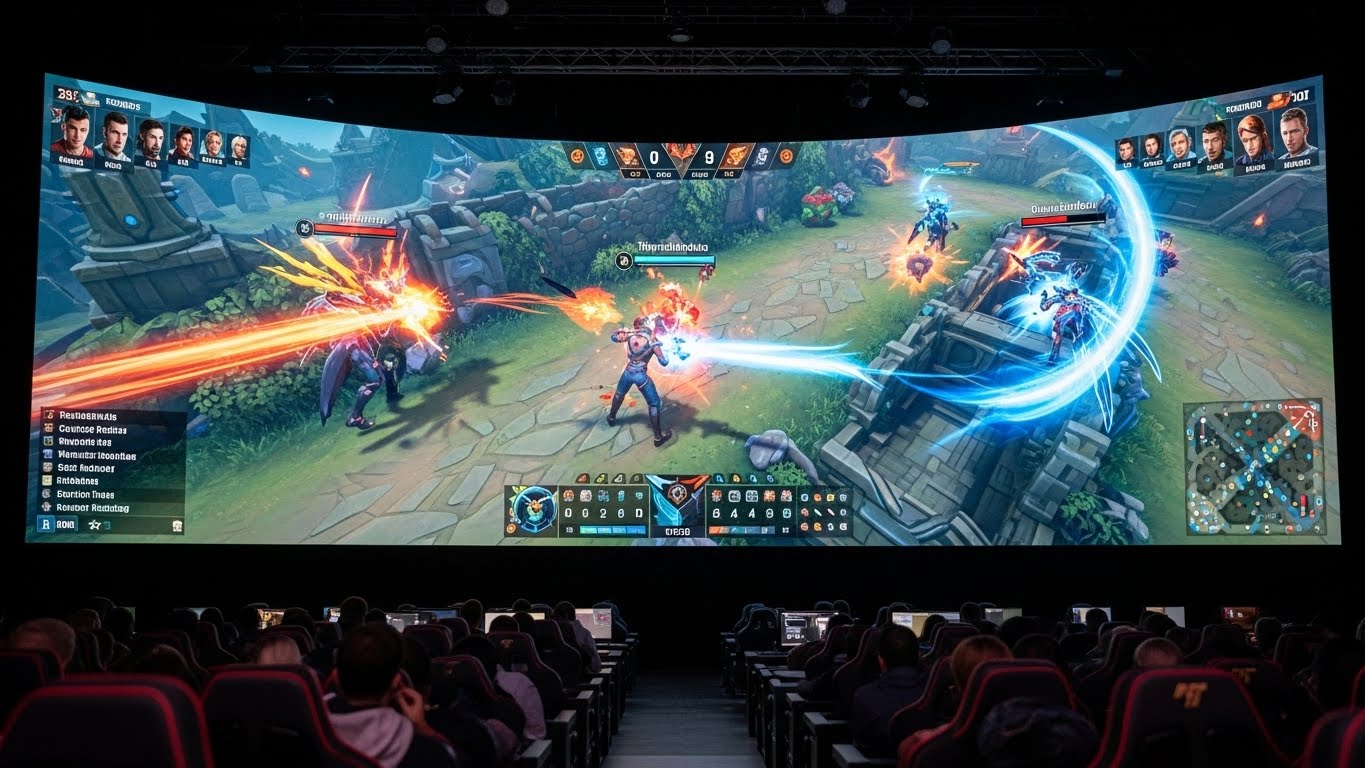
Over the past two decades, the world of gaming has transformed from a niche hobby into a multi-billion-dollar industry, largely thanks to the rise of esports. Competitive gaming, once dismissed as a pastime for teenagers and hobbyists, now attracts massive audiences, sponsorship deals, and professional careers. Esports is not just about playing games; it represents a convergence of technology, entertainment, and sports culture, creating a global community that transcends borders and languages. In this blog, we will explore the history, evolution, and cultural impact of esports, as well as its future prospects in the competitive gaming landscape.
The Origins of Esports
The roots of esports can be traced back to the 1970s and 1980s, when arcade competitions and early video game tournaments first emerged. Events like the Space Invaders Championship in 1980 drew thousands of participants and demonstrated the potential for competitive gaming on a larger scale. As personal computers became more common in the 1990s, games like Quake, StarCraft, and Counter-Strike paved the way for organized online competitions. These early tournaments were small in scale but laid the foundation for a professional esports ecosystem, fostering a competitive spirit among gamers.
The Growth of Online Gaming
The real turning point for esports came with the advent of high-speed internet and online multiplayer games. Online platforms allowed players from different regions to compete in real time, expanding the reach and scale of competitions. Games like League of Legends, Dota 2, and Overwatch introduced structured competitive formats, professional teams, and prize pools that rivaled traditional sports events. Streaming platforms further accelerated growth, enabling fans to watch live matches, follow their favorite players, and participate in a global gaming community.
Esports as a Professional Career
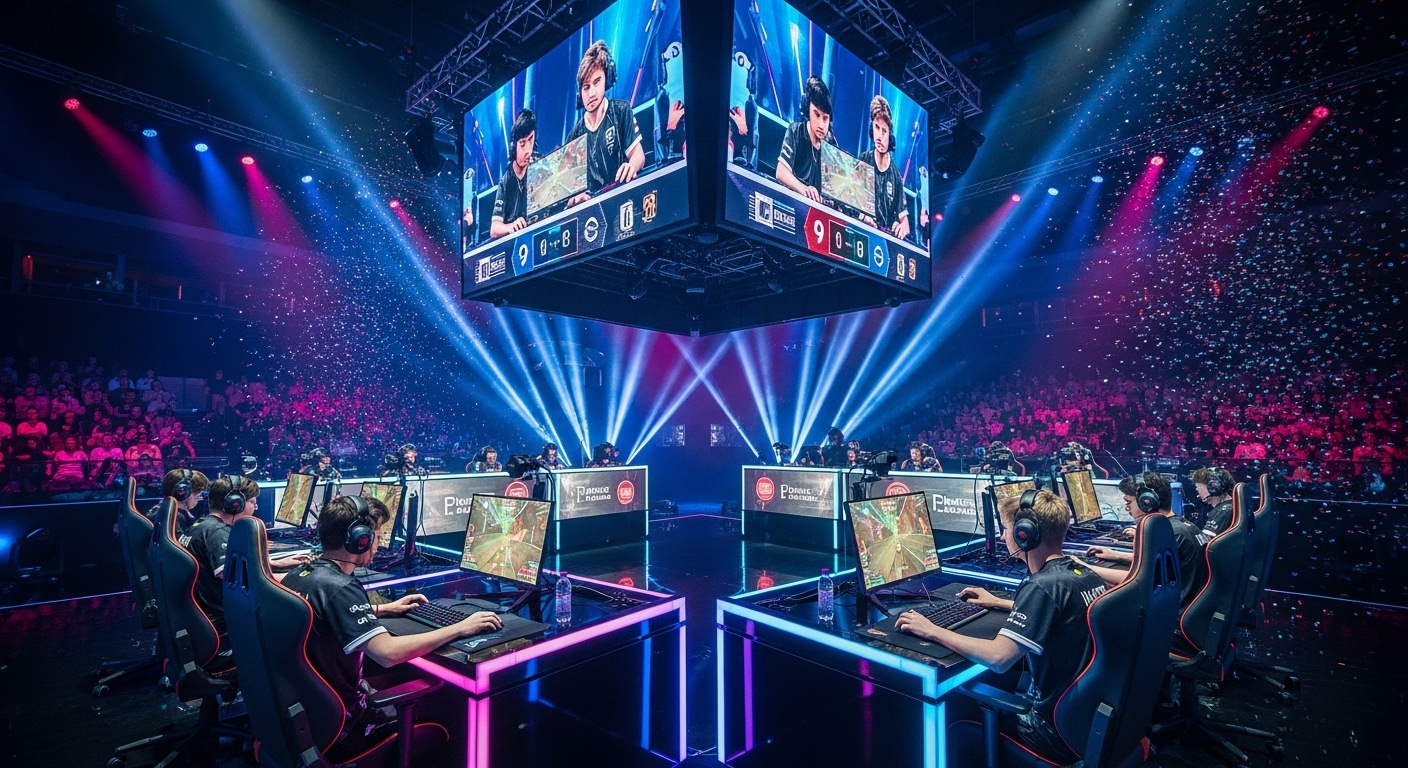
One of the most remarkable aspects of esports is the emergence of professional gaming as a viable career. Top-tier players now earn substantial incomes through tournament winnings, sponsorships, and streaming revenue. Professional esports teams operate similarly to traditional sports franchises, with coaches, analysts, and support staff who help players maximize performance. The competitive environment is intense, requiring dedication, practice, and mental resilience, making esports a demanding profession. The rise of esports scholarships and university programs further legitimizes gaming as a career pathway for young talent.
Popular Esports Titles
The esports ecosystem encompasses a wide variety of games, each with its own unique audience and competitive scene. Multiplayer online battle arena (MOBA) games like League of Legends and Dota 2 dominate the professional scene with strategic depth and massive global tournaments. First-person shooters such as Counter-Strike: Global Offensive, Valorant, and Call of Duty focus on precision, reflexes, and team coordination. Fighting games, sports simulations, and battle royale titles also have thriving competitive communities. Each game requires specialized skills and strategies, contributing to the diversity and richness of esports as a whole.
The Role of Streaming and Content Creation
Streaming platforms and content creation have been instrumental in the rise of esports. Services that allow players to broadcast live gameplay have turned esports athletes into global celebrities, giving fans access to behind-the-scenes training, commentary, and interactive content. Streamers not only entertain but also serve as influencers who can shape gaming trends, promote new games, and connect with audiences in real time. The combination of live streaming and on-demand content has created a 24/7 entertainment ecosystem, fueling the growth of esports culture.
Major Esports Tournaments and Events
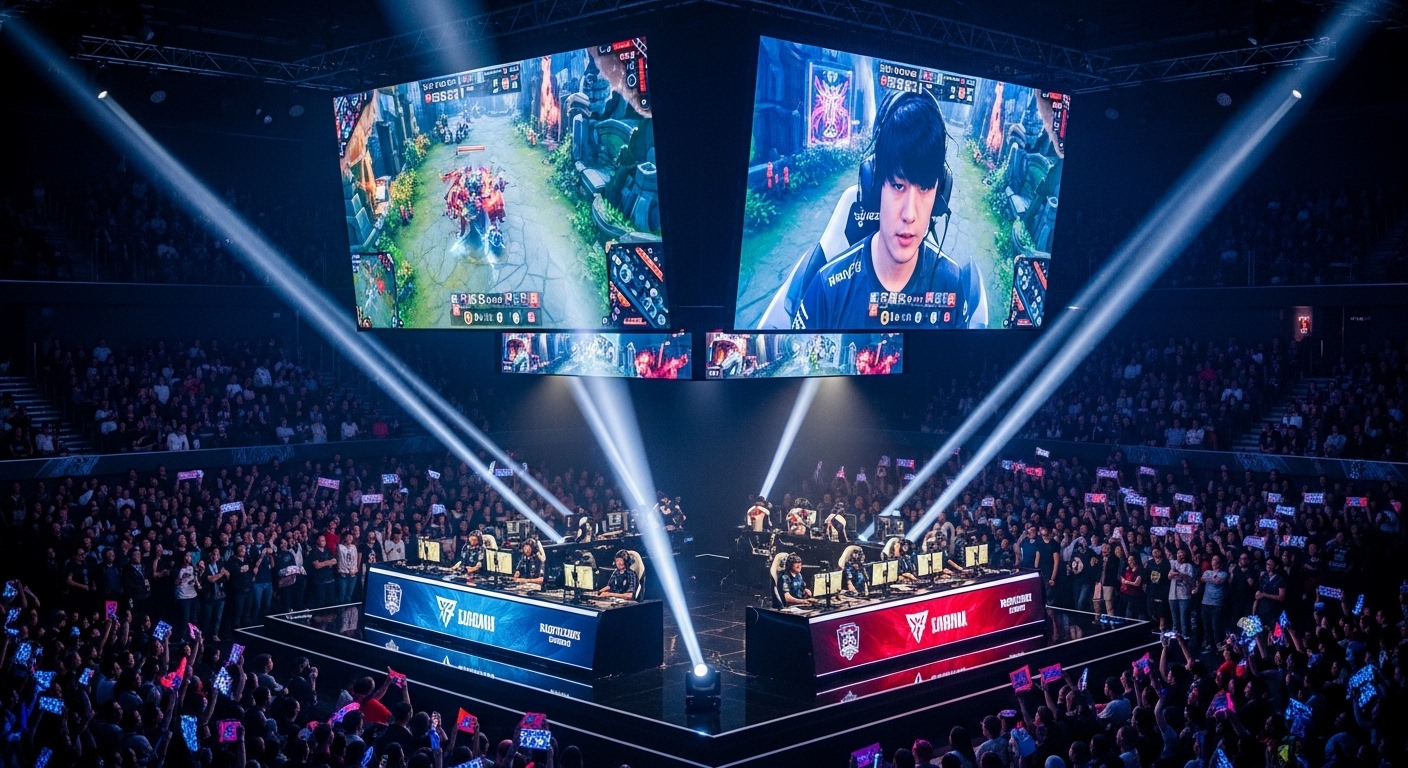
Tournaments are the lifeblood of esports, bringing together the best players from around the world to compete for prestige and substantial prize money. The International, Dota 2’s premier tournament, is one of the largest esports events, boasting prize pools exceeding tens of millions of dollars. League of Legends’ World Championship attracts millions of viewers online, rivaling traditional sports finals. Regional leagues, invitational events, and online competitions provide continuous opportunities for players and fans to engage with the competitive scene. These tournaments are not only a showcase of skill but also a cultural celebration of gaming communities worldwide.
Esports and Technology
Technology has always been a driving force behind esports, influencing how games are developed, played, and consumed. Advances in graphics, virtual reality, and cloud gaming have expanded the possibilities of competitive gaming. High-performance hardware, low-latency networking, and data analytics enable precise performance tracking and strategic planning. Artificial intelligence and machine learning are increasingly used to analyze gameplay, predict outcomes, and train players, bridging the gap between traditional sports analytics and esports performance optimization.
Cultural Impact of Esports
Esports has a profound impact on popular culture, shaping the way younger generations perceive competition, entertainment, and social interaction. Gaming conventions, cosplay events, and fan communities foster a sense of belonging among players and enthusiasts. Esports also challenges traditional notions of sports and athleticism, demonstrating that skill, strategy, and mental agility are just as important as physical prowess. Moreover, esports promotes inclusivity, providing opportunities for people from diverse backgrounds to compete on an equal playing field.
The Business of Esports
The business side of esports has grown exponentially, attracting investments from major corporations, media companies, and venture capitalists. Sponsorships, advertising, merchandise sales, and broadcasting rights generate significant revenue for teams and organizers. Brands are increasingly leveraging esports to reach younger audiences, often integrating marketing campaigns with live events, social media, and influencer partnerships. The economic potential of esports extends beyond gaming, influencing industries such as technology, fashion, and entertainment, making it a powerful force in the modern business landscape.
Challenges Facing Esports
Despite its rapid growth, esports faces several challenges. Player burnout, mental health concerns, and the pressure of high-stakes competition are ongoing issues in the professional scene. The lack of standardized regulations, inconsistent tournament formats, and concerns about cheating or match-fixing pose obstacles to long-term credibility. Additionally, the gender gap and underrepresentation of certain groups highlight the need for more inclusive practices within the industry. Addressing these challenges is crucial for sustaining growth and ensuring the well-being of players and fans alike.
The Future of Esports
The future of esports looks promising, with continued technological advancements and mainstream acceptance driving growth. Virtual reality, augmented reality, and cloud gaming will likely redefine how competitions are experienced and played. Educational institutions and professional organizations are increasingly recognizing esports as a legitimate field, offering scholarships, structured leagues, and research opportunities. As esports continues to blur the line between gaming and sports, it has the potential to influence broader societal trends, including entertainment, education, and digital culture.
Conclusion
Esports has come a long way from humble beginnings in arcades and early online tournaments to become a global phenomenon that rivals traditional sports in popularity, revenue, and cultural significance. Its growth has been fueled by technology, professionalization, and the passion of players and fans worldwide. While challenges remain, the future of esports is bright, offering exciting opportunities for competition, innovation, and community building. As more people embrace competitive gaming as a legitimate pursuit, esports will continue to shape the entertainment landscape, proving that the world of gaming is more than just play—it is a serious, dynamic, and influential part of modern culture.