Introduction: The Emergence of eSports
Over the past two decades, the world of competitive gaming—commonly known as eSports—has evolved from niche hobby to global phenomenon. What once started as a few passionate gamers gathering in basements or local arcades has now transformed into a multi-billion-dollar industry with professional leagues, massive tournaments, and millions of dedicated fans. eSports have become a mainstream part of the entertainment landscape, drawing viewers and players from all corners of the globe. Today, competitive gaming isn’t just about playing for fun; it’s a career for many, and it holds a significant place in the broader culture. From the development of major online platforms to the explosion of live streaming, eSports has reshaped how we think about sports, gaming, and entertainment. This blog will dive into the rise of eSports, exploring its history, impact, and what the future holds for this exciting and rapidly growing industry.
What is eSports?
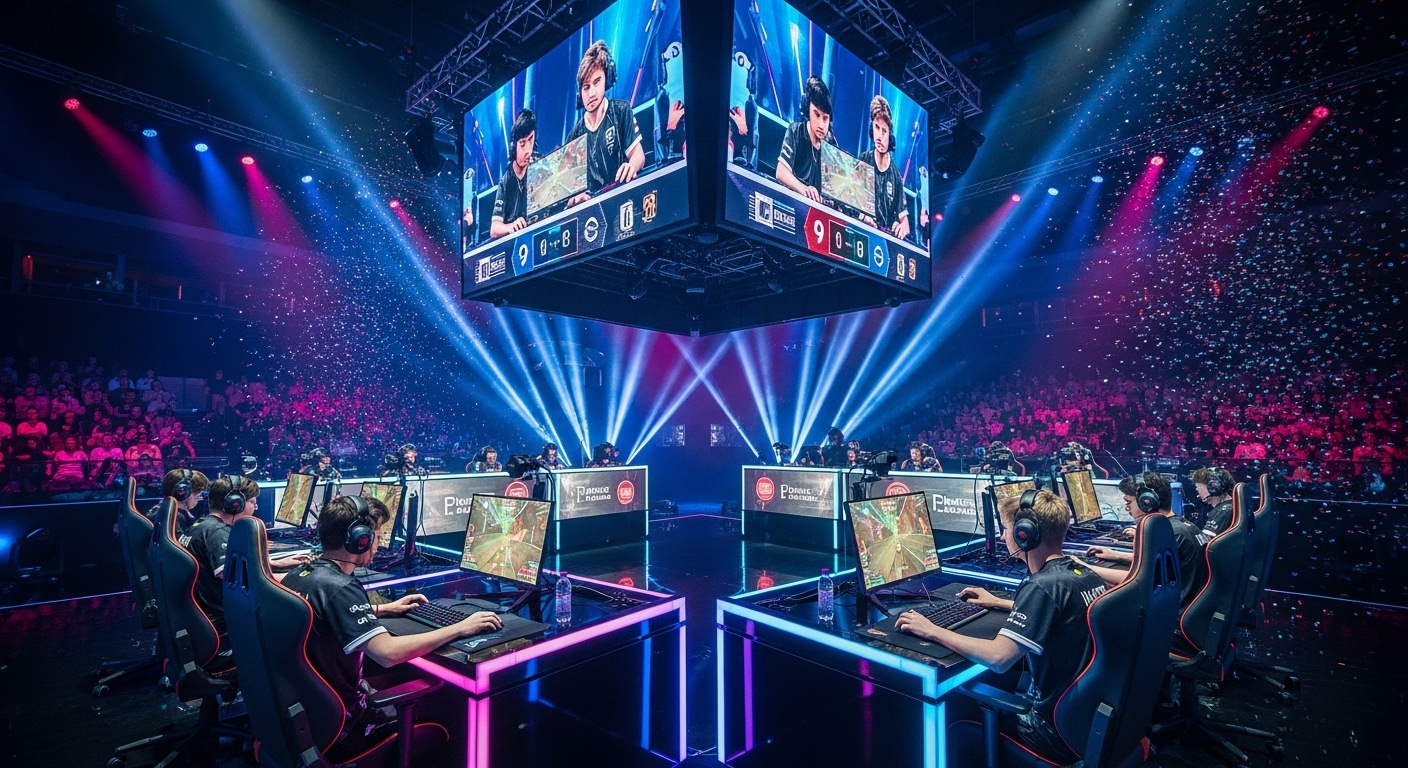
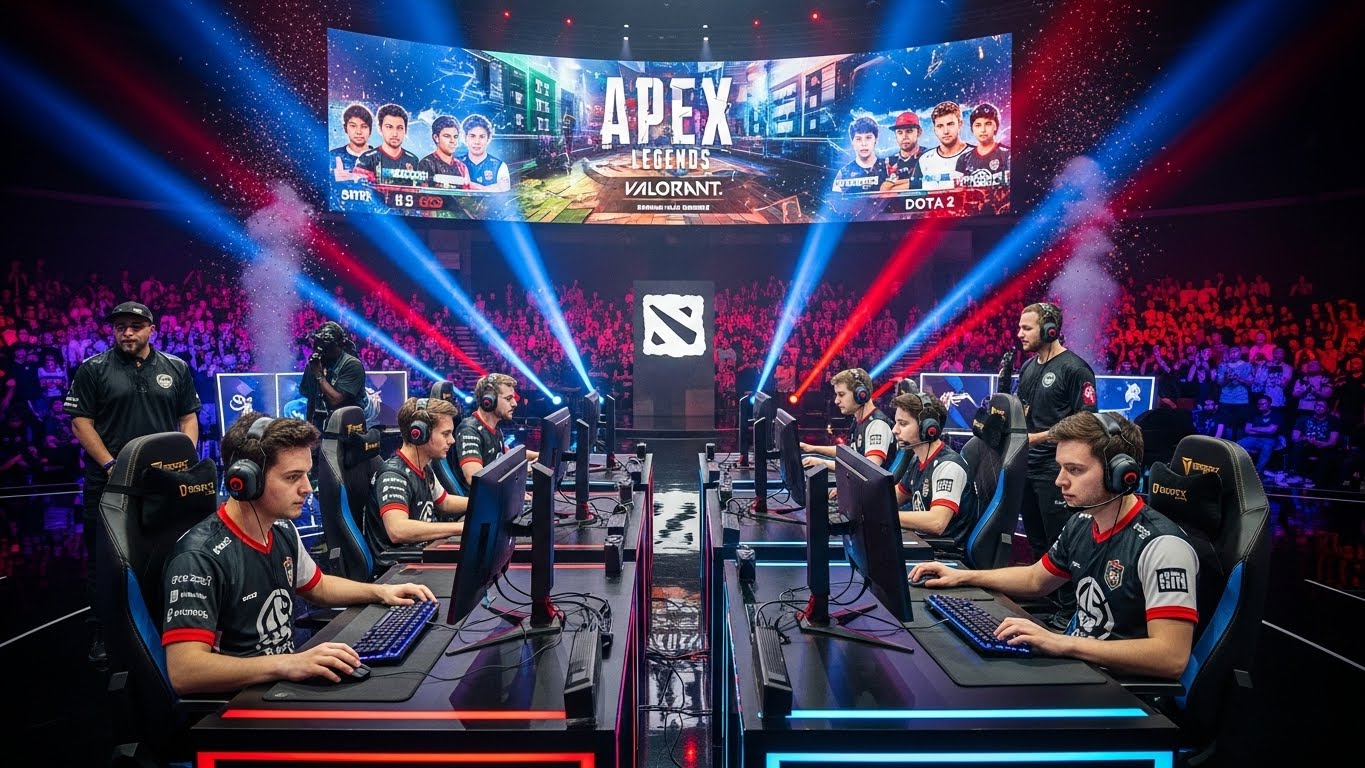
At its core, eSports refers to organized, multiplayer video game competitions, particularly between professional players, individually or as teams. Unlike traditional video games that are often played for leisure, eSports players compete at a professional level, honing their skills through years of practice and dedication. While any video game can theoretically be played competitively, certain titles have become synonymous with eSports, such as League of Legends, Dota 2, Counter-Strike: Global Offensive, and Overwatch. The format of eSports tournaments can vary, from online competitions to large-scale live events, where millions of dollars in prizes are up for grabs.
eSports tournaments often have a similar structure to traditional sports competitions, with seasons, playoffs, and world championships. Major events like The International (Dota 2) or League of Legends World Championship draw millions of viewers and boast prize pools that rival those of traditional sporting events like the Super Bowl or Wimbledon.
The Evolution of eSports: From LAN Parties to Global Leagues
The origins of eSports can be traced back to the 1990s when gamers first began gathering for LAN (Local Area Network) parties. These informal events allowed players to connect their computers together to compete in games like Quake and StarCraft. It was during this era that the competitive gaming scene began to take shape, although the concept of professional gaming was still in its infancy.
In the early 2000s, the first major eSports tournaments began to emerge, such as the World Cyber Games and the Cyberathlete Professional League. These competitions laid the groundwork for the growth of eSports, bringing together the best players from around the world and offering the first substantial cash prizes. However, it wasn’t until the advent of streaming platforms like Twitch, and the rapid growth of the internet, that eSports truly exploded in popularity.
By the mid-2010s, eSports had become a full-fledged industry. Major game developers like Riot Games (League of Legends) and Valve (Dota 2) began organizing their own professional leagues, complete with sponsorships, merchandise, and live broadcasts. The rise of professional gaming teams and players, as well as the increasing accessibility of online streaming, catapulted eSports into the mainstream.
The eSports Industry: Economics and Growth
The financial success of eSports is one of the most compelling aspects of its rise. What began as a niche interest has become a global business worth billions of dollars. In 2020, the global eSports industry was estimated to be worth over $1 billion, with projections to continue growing in the years to come. This growth is driven by several factors, including sponsorships, advertising, media rights, ticket sales, and merchandising.
One of the major revenue streams for eSports is sponsorships. Major brands, both within and outside of the gaming industry, have recognized the potential of eSports as a marketing platform. Companies like Intel, Red Bull, Coca-Cola, and Samsung sponsor professional teams, events, and leagues, helping to fund prize pools and broadcasts. eSports athletes, like their counterparts in traditional sports, often sign lucrative sponsorship deals and endorsement contracts.
Another key source of revenue is broadcasting. Platforms like Twitch, YouTube Gaming, and Facebook Gaming have made it easier than ever for fans to watch their favorite players and teams in real-time. These platforms not only provide a venue for live streaming but also help eSports organizations generate ad revenue through their broadcasts. Events like The International (Dota 2) or the League of Legends World Championship regularly draw millions of viewers, many of whom tune in to watch the gameplay and support their favorite players or teams.
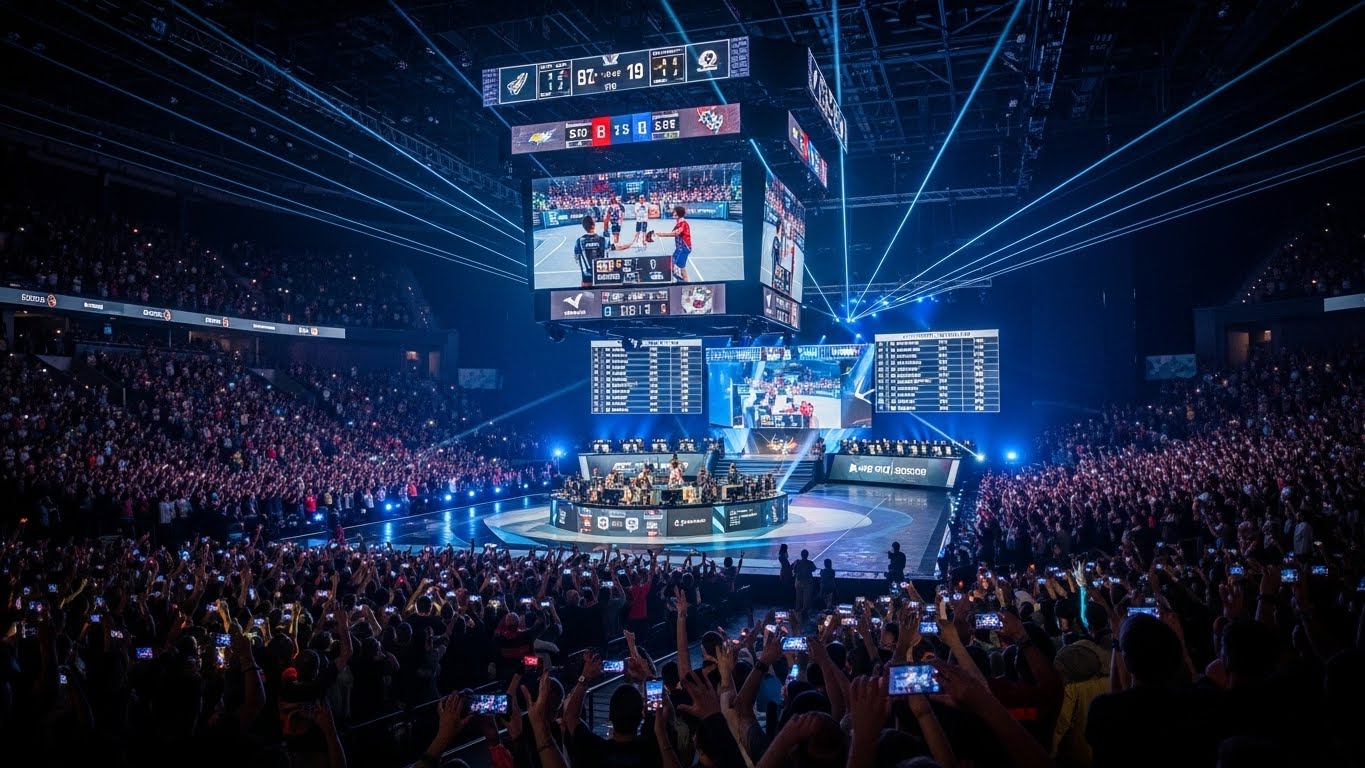
In addition to sponsorships and media rights, ticket sales and merchandise have become important revenue sources. Tournaments and events often sell out large arenas, attracting thousands of live spectators. Fans also flock to eSports merchandise, such as team jerseys, branded gear, and gaming peripherals, contributing to the economic ecosystem surrounding competitive gaming.
The Global Appeal of eSports: Audience and Fanbase
One of the most remarkable aspects of eSports is its ability to transcend geographical, linguistic, and cultural boundaries. Unlike traditional sports, where fanbases are often regional, eSports boasts a truly global audience. Whether it’s a League of Legends match in South Korea, a Counter-Strike tournament in Brazil, or a Fortnite competition in the United States, eSports fans from all over the world come together to support their favorite teams and players.
A key factor in the global appeal of eSports is its accessibility. While traditional sports often require expensive equipment, facilities, or memberships, eSports can be played by anyone with a computer or gaming console. Streaming platforms like Twitch have also made it easy for fans to engage with their favorite players, watch tournaments live, and become part of the global eSports community. Fans can connect with other like-minded individuals through online forums, social media, and live chat during streams, creating a sense of camaraderie that transcends borders.
Professional eSports Athletes: The Rise of the Gamers
Just like traditional athletes, professional eSports players are dedicated to their craft, practicing for hours each day to hone their skills and strategies. While eSports may not have the physical demands of traditional sports, it requires a great deal of mental acuity, reflexes, and teamwork. Professional eSports players often specialize in specific games or roles within those games, and they are usually recruited by organizations that operate competitive teams.
The life of a professional eSports player is not as glamorous as it may seem from the outside. These athletes dedicate themselves to constant practice, travel for tournaments, and maintain strict training schedules. Many players also participate in live streams to engage with their fanbases and supplement their incomes. In fact, top-tier eSports players can earn millions of dollars through tournament winnings, sponsorships, and streaming.
In addition to the financial rewards, professional gamers often become celebrities in their own right. Players like Faker (League of Legends), s1mple (Counter-Strike), and Ninja (Fortnite) have large followings, and their every move is tracked by millions of fans. Their influence extends beyond the game itself, with many eSports personalities becoming brands in their own right through social media, merchandise, and collaborations with other influencers.
The Impact of eSports on Traditional Sports
As eSports has grown in popularity, it has had a significant impact on traditional sports. Many professional sports teams, such as the Dallas Cowboys and Paris Saint-Germain, have invested in eSports organizations, creating crossovers between the worlds of gaming and sports. These teams recognize the value of tapping into the lucrative eSports audience, and eSports sponsorships are now seen as a key part of the sports marketing ecosystem.
Furthermore, eSports has started to gain recognition as a legitimate sport in its own right. In several countries, eSports has been officially recognized as a sport, with professional leagues and competitions regulated by governing bodies. Some even argue that eSports should be included in the Olympic Games, further blurring the line between traditional sports and competitive gaming.
The Future of eSports: Innovation and Sustainability
Looking ahead, the future of eSports appears bright. As the industry continues to grow, new technologies such as virtual reality (VR) and augmented reality (AR) may provide even more immersive gaming experiences. Additionally, advancements in artificial intelligence (AI) and machine learning could change how games are designed and played, creating new opportunities for players and teams.
However, with growth comes challenges. Sustainability will be key to the long-term success of the industry. The pressure to perform, the mental and physical toll on players, and the volatile nature of the industry pose potential risks. For eSports to continue thriving, it will need to focus on player health, ensure fair competition, and maintain its integrity as a sport.
Conclusion: eSports as the Future of Competitive Entertainment
eSports has evolved from a niche hobby to a global powerhouse, transforming how we view competitive entertainment. It’s an industry that blends technology, gaming, culture, and business in a way that appeals to millions of fans worldwide. With its rapid growth, professional athletes, global appeal, and significant economic impact, eSports has undoubtedly earned its place as one of the most exciting and innovative entertainment industries of the 21st century. As it continues to evolve, there’s no doubt that eSports will play an even more prominent role in the future of sports and entertainment, influencing not just gamers, but society at large.