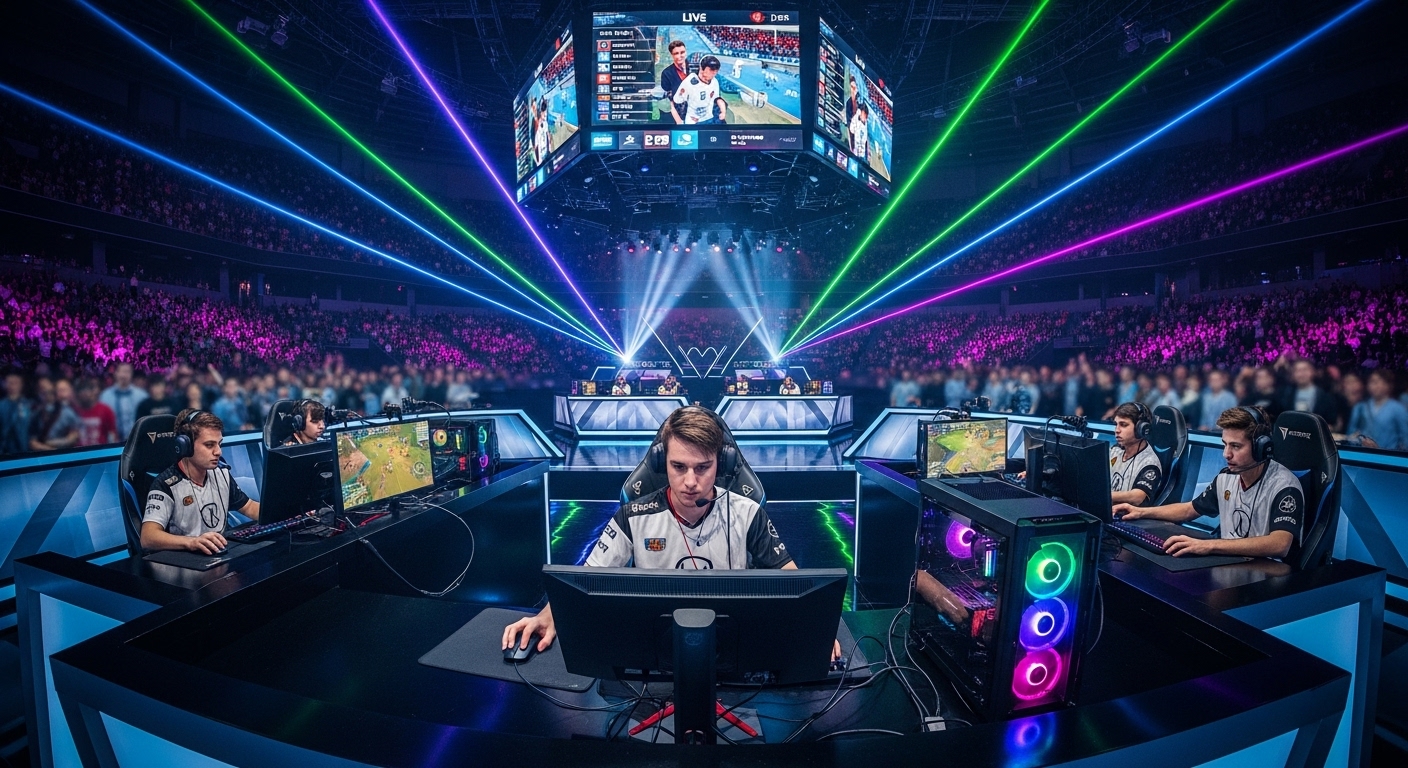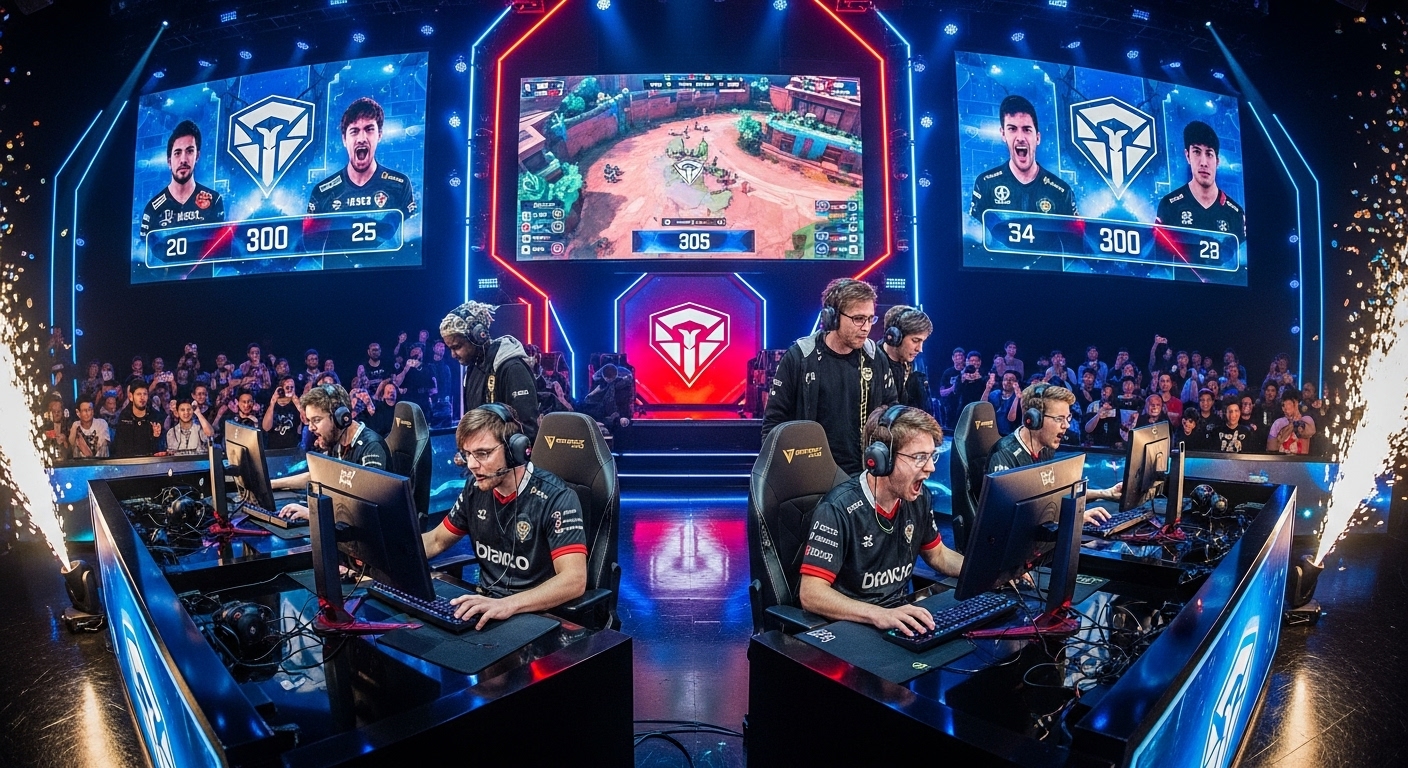
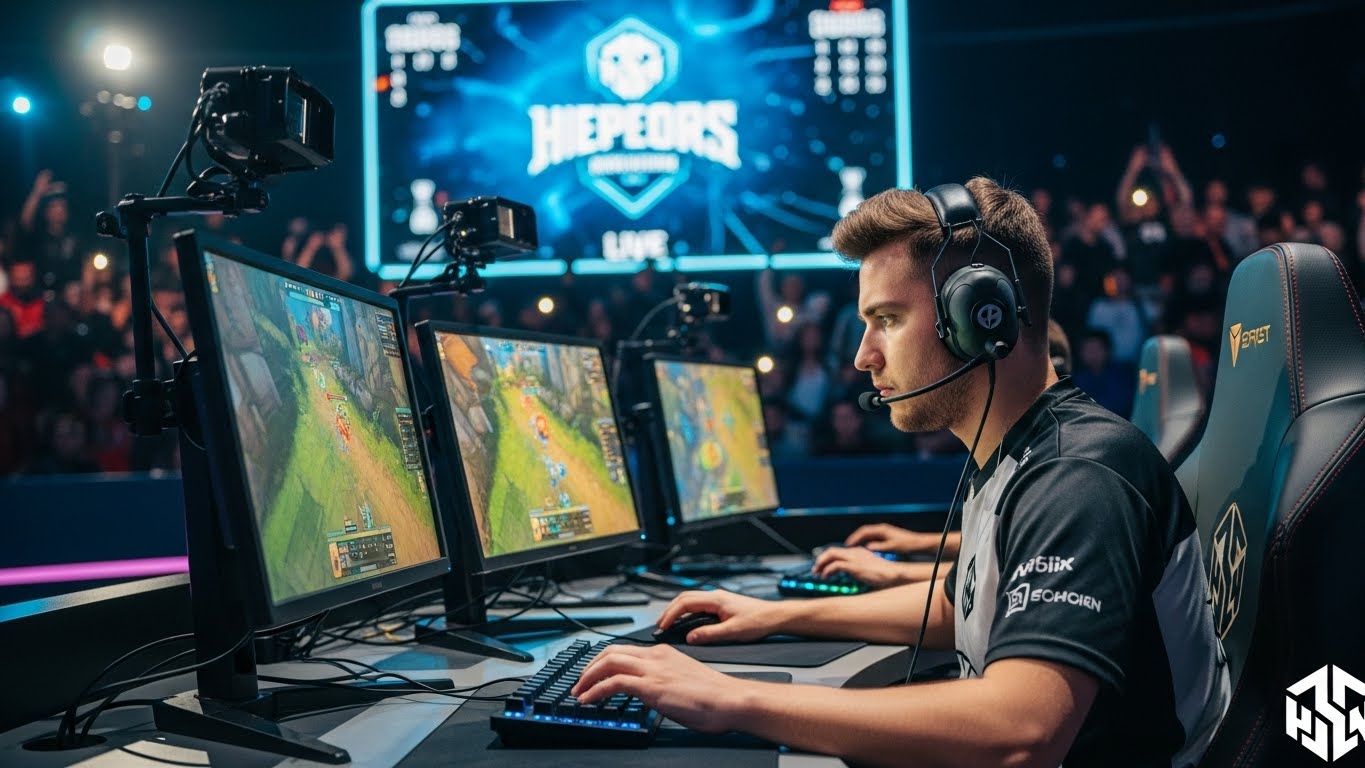
In the past two decades, esports has transformed from a niche hobby enjoyed by a handful of dedicated gamers into a worldwide cultural phenomenon. With professional leagues, international tournaments, and millions of fans tuning in to watch their favorite players, esports is no longer a fringe activity; it has become a legitimate form of entertainment and competition. This blog delves into the history, growth, cultural impact, and future of esports, highlighting why this digital sport is here to stay.
The Origins of Competitive Gaming
Esports, short for electronic sports, can trace its roots back to the late 1970s and early 1980s when arcade and console games began to gain popularity. Early competitions often revolved around high-score challenges rather than organized tournaments. Games such as Space Invaders and Pac-Man sparked local competitions, with players vying for recognition and bragging rights.
The real turning point came in the 1990s with the rise of networked gaming. Titles like StarCraft in South Korea and Quake in the United States allowed players to compete against each other over the internet. This period marked the beginning of esports as we know it today, with structured competitions and dedicated communities forming around specific games.
The Global Explosion of Esports
The 2000s witnessed a significant expansion of esports on a global scale. South Korea played a crucial role in this growth, as professional gaming gained widespread cultural acceptance. Television networks began broadcasting matches, and esports players achieved celebrity status. Games such as Counter-Strike, Warcraft III, and League of Legends became international sensations, attracting audiences in the millions.
Today, esports tournaments rival traditional sports in viewership and prize pools. Major events like The International for Dota 2 and the League of Legends World Championship attract audiences comparable to the Super Bowl. Esports has become a multi-billion-dollar industry with corporate sponsorships, merchandising, and dedicated streaming platforms driving its rapid growth.
The Economics of Esports
Esports is more than just a form of entertainment; it is a thriving economic ecosystem. Professional players earn salaries from their teams, supplemented by sponsorships and streaming revenue. Major tournaments offer prize pools in the millions, and organizations invest heavily in training facilities, coaching staff, and player wellness programs.
Streaming platforms like Twitch and YouTube Gaming have created opportunities for content creators and professional players to monetize their skills. Fans can watch live matches, participate in virtual events, and even support their favorite players through subscriptions or donations. This economic structure has elevated esports from a hobby into a viable career path for talented individuals.
Cultural Impact and Mainstream Acceptance
Esports has had a profound impact on modern culture, reshaping perceptions of gaming and digital entertainment. Once stigmatized as a pastime for “nerds,” gaming is now celebrated as a legitimate form of skill, strategy, and artistry. Professional players are recognized as athletes, requiring intense practice, teamwork, and mental discipline.
Moreover, esports has influenced fashion, music, and social interaction. Gaming merchandise, themed apparel, and collaborations with popular brands have entered mainstream retail. Influencers and esports personalities shape trends, inspire youth, and foster communities around shared interests. Social media amplifies these cultural shifts, allowing fans to engage with their favorite games and players beyond the virtual battlefield.
The Role of Technology in Esports Growth
Technology has been the backbone of esports’ success. High-speed internet, advanced graphics, and powerful gaming hardware have enabled competitive gaming to reach unprecedented levels. Streaming technology allows fans from around the world to watch live matches in real-time, while analytics and AI tools help players refine strategies and optimize performance.
Virtual reality and augmented reality promise to push esports even further, creating immersive experiences that blend physical and digital competition. Cloud gaming may soon eliminate hardware barriers, making esports more accessible to players who lack high-end gaming rigs. These technological advances ensure that esports will continue evolving, keeping fans and players engaged for years to come.
The Community Behind the Competition
Esports is not just about the games; it is about the communities that form around them. Forums, fan groups, and online social spaces allow players and fans to connect, share tips, and celebrate achievements. These communities provide a sense of belonging and identity, often transcending geographical boundaries.
Grassroots tournaments and local leagues give aspiring players a platform to showcase their talents and gain recognition. Community-driven events also promote diversity and inclusion, offering opportunities for individuals of all ages, genders, and backgrounds to participate. The community aspect of esports is a vital factor in its growth, ensuring that the culture remains vibrant and accessible.
Challenges Facing Esports
Despite its rapid rise, esports faces several challenges that could shape its future trajectory. One of the biggest concerns is player burnout. Professional gaming demands long hours of practice, high mental focus, and constant travel, leading to stress and health issues. Organizations are increasingly investing in mental health support and wellness programs, but this remains an ongoing challenge.
Another issue is regulation. Unlike traditional sports, esports lacks a unified governing body, leading to inconsistencies in rules, contracts, and player rights. Cheating, match-fixing, and unethical sponsorship practices pose additional risks. Addressing these challenges is critical to ensuring esports remains fair, competitive, and sustainable as a professional industry.
The Future of Esports
The future of esports looks brighter than ever. Analysts predict continued growth in viewership, revenue, and global reach. Emerging markets in Africa, South America, and Southeast Asia are showing increased interest in competitive gaming, expanding the industry’s footprint.
Esports may also become more integrated with traditional sports. Many professional sports organizations now operate esports teams, bridging the gap between digital and physical competition. Academic programs and scholarships for esports athletes are gaining recognition, providing formal pathways for students to pursue careers in gaming.
Advances in AI and machine learning will enhance training methods, while virtual and augmented reality may redefine the fan experience. As technology continues to evolve, esports is likely to become more immersive, interactive, and culturally significant.
Esports as a Career Path
For many young gamers, esports represents more than entertainment; it is a legitimate career option. Professional players can earn substantial incomes, but there are also opportunities in coaching, content creation, event management, marketing, and game development. Esports organizations require staff for operations, broadcasting, social media, and analytics.
Education programs focusing on esports management and game design are emerging, equipping students with skills for various roles in the industry. The career potential within esports is diverse, rewarding, and increasingly recognized by mainstream society as a viable professional path.
Conclusion: Why Esports Matters
Esports has grown from humble beginnings into a global powerhouse, shaping culture, technology, and careers. It represents the intersection of entertainment, skill, and community, offering unique experiences for players and fans alike. Despite challenges such as burnout, regulation, and ethical concerns, esports continues to thrive, driven by passionate communities, technological innovation, and mainstream acceptance.
As we move further into the digital age, esports is poised to redefine how we think about competition, entertainment, and human potential. Whether as a player, fan, or professional, being part of the esports world means participating in a movement that is dynamic, inclusive, and transformative.
In short, esports is not just a game. It is a global culture, a career opportunity, and a glimpse into the future of entertainment.