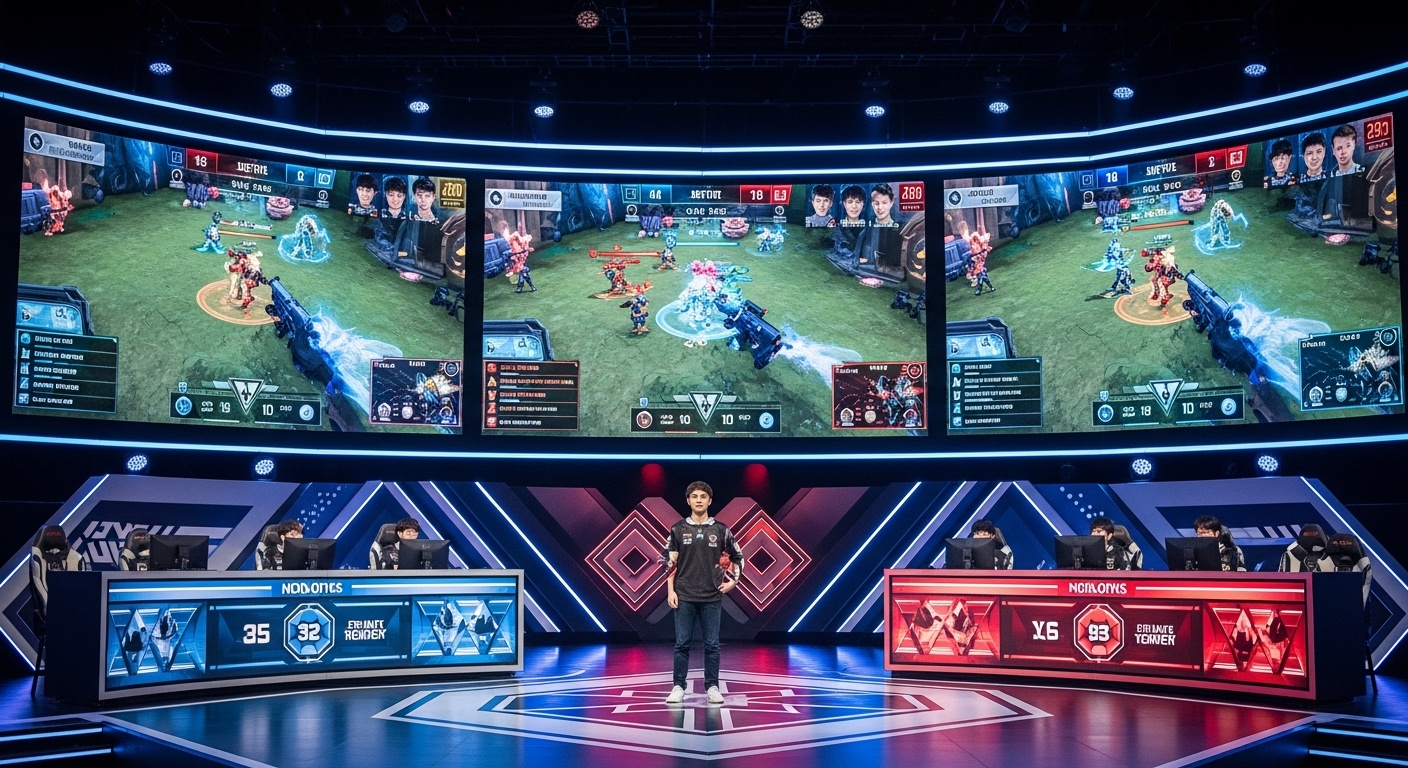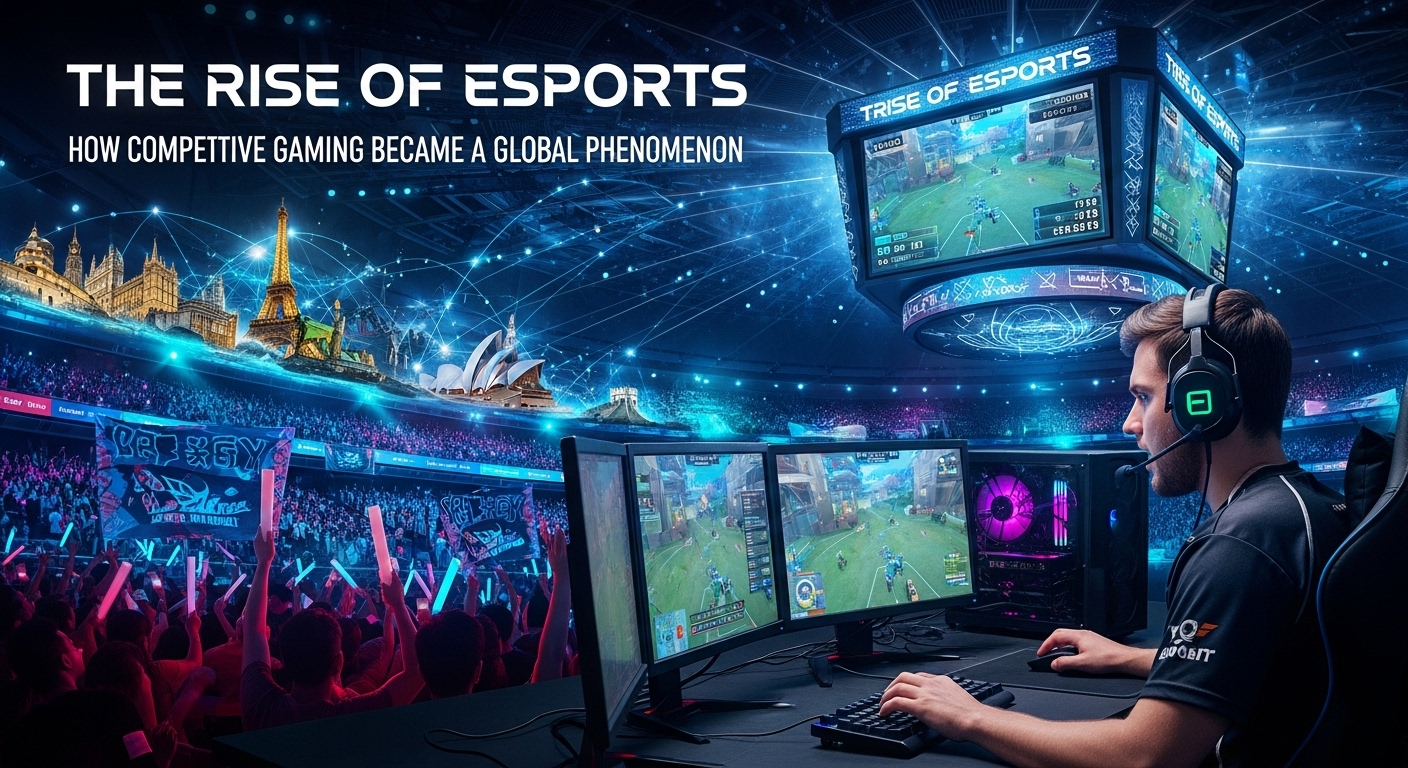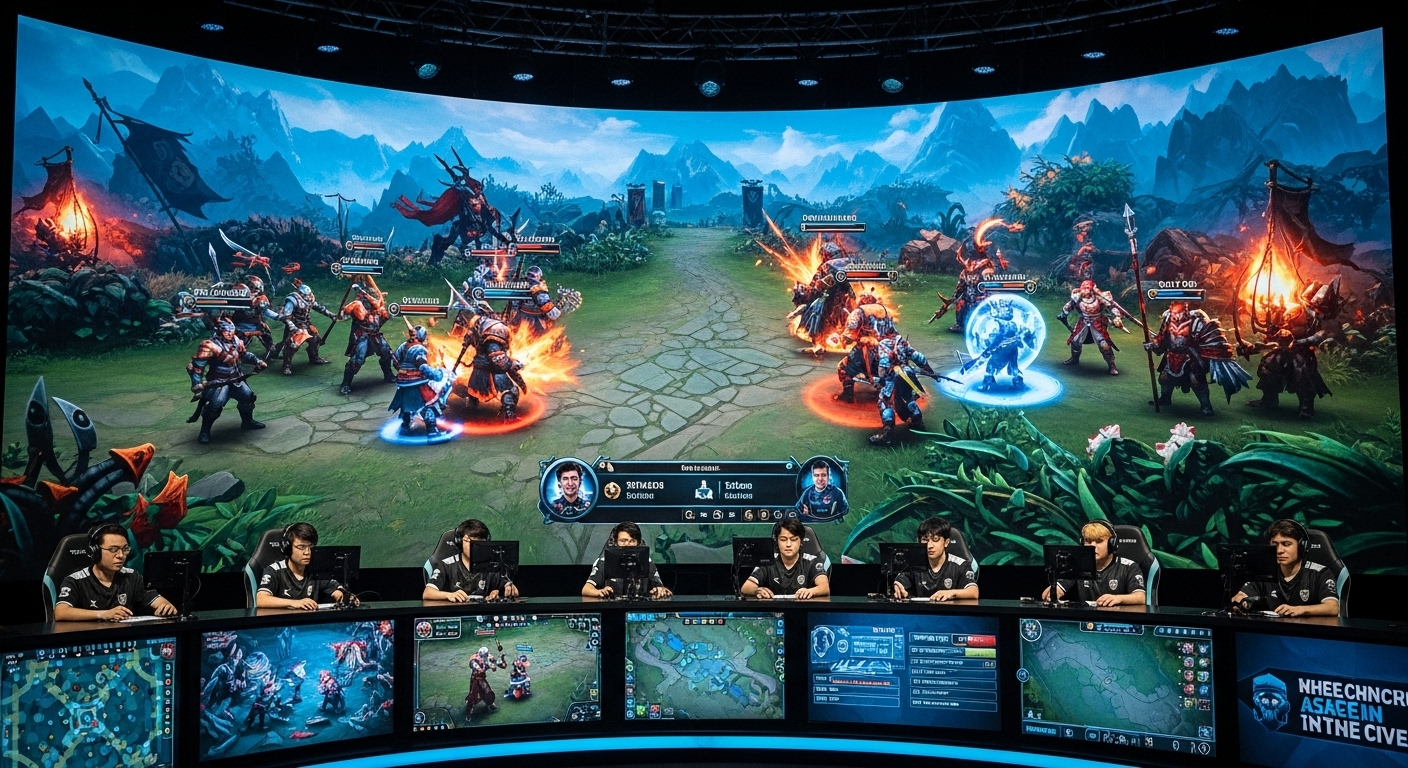
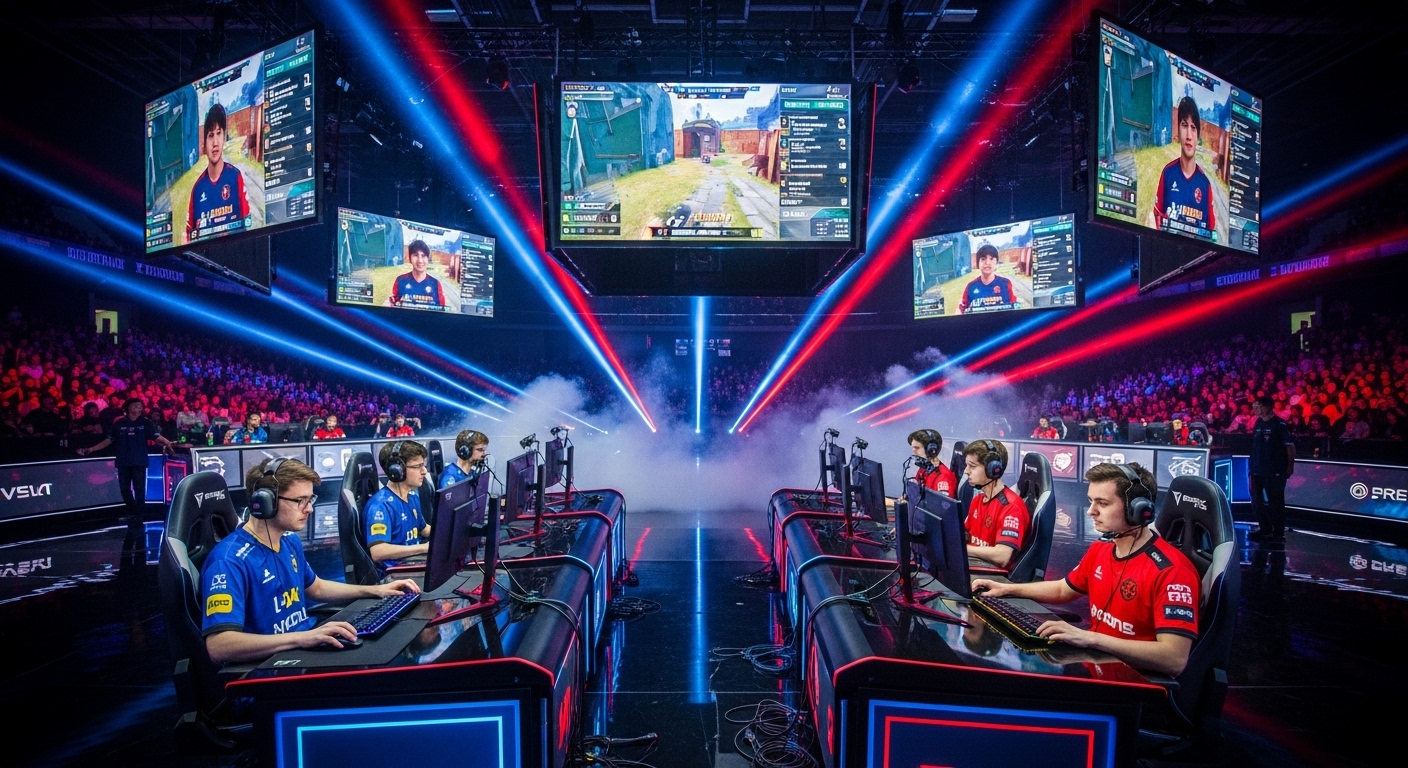
Esports, short for electronic sports, has evolved from a niche hobby into a multi-billion-dollar industry with global reach and influence. What began as a casual pastime for a few passionate gamers has transformed into a highly competitive, professionally organized arena that captivates millions of fans worldwide. From intense tournaments to live streaming, the world of esports is now a mainstream form of entertainment, and it’s only continuing to grow. This blog post explores the origins of esports, its rise to prominence, the key players in the industry, and where it might be headed in the future.
The Humble Beginnings of Esports
The origins of esports can be traced back to the early 1970s, a time when video games were in their infancy. The first organized gaming competition, called the “Intergalactic Spacewar Olympics,” was held at Stanford University in 1972. The competition was based on the game Spacewar, one of the earliest video games ever created. While the event was a small, collegiate gathering, it marked the first instance of competitive gaming, even though esports as we know it today was far from taking shape.
Throughout the 1980s and 1990s, video games gained popularity, but competitive gaming remained a niche interest. The rise of arcade games like Pac-Man and Donkey Kong introduced the idea of high scores, and local tournaments began to form around these games. It wasn’t until the advent of home consoles and personal computers in the 1990s that the potential for esports started to take off.
One of the first major turning points for esports came in 1997 with the creation of the Red Annihilation tournament for Quake, a first-person shooter that attracted hundreds of players from around the world. The tournament’s prize was a Ferrari, which captured the public’s attention and signaled that competitive gaming could be big business. This event marked the start of a long journey that would eventually lead to the esports industry we know today.
The Golden Age of Online Gaming and Streaming Platforms
The real explosion of esports came in the early 2000s, thanks to the rise of the internet and online gaming. Broadband internet access became more widely available, and with it, the ability for gamers to connect with one another across vast distances. This shift allowed for the development of online multiplayer games and large-scale competitions that could take place virtually anywhere in the world.
Games like StarCraft, Warcraft III, and Counter-Strike helped establish esports as a legitimate competitive platform. These games had intricate mechanics and required a high level of skill, which naturally lent themselves to organized competitions. Players began forming teams, and tournaments began to be broadcast online.
One of the key catalysts for the growth of esports was the rise of streaming platforms like Twitch. Launched in 2011, Twitch revolutionized the way esports events were consumed. Gamers could now broadcast their gameplay to an audience of thousands (or even millions) in real time. This allowed professional players and teams to build large followings, and it gave fans a chance to watch their favorite players compete from the comfort of their own homes.
Twitch, and other platforms like YouTube Gaming, made esports more accessible to the masses. Viewers could watch top-tier matches, interact with players and commentators, and even learn new strategies by watching experts in action. This shift made esports not just a form of competition but also a form of entertainment for people who weren’t necessarily gamers themselves but appreciated the skill, strategy, and drama that unfolded during live streams.
The Global Growth of Esports
By the mid-2010s, esports had firmly established itself as a global phenomenon. With lucrative sponsorships from major brands, multi-million-dollar prize pools, and professional leagues, esports began to rival traditional sports in terms of financial backing and audience size. Major gaming events like The International, the world championship for Dota 2, and League of Legends World Championship drew millions of viewers, both online and in person, to their events.
Esports organizations such as Team Liquid, Fnatic, and Cloud9 became household names in the gaming world, fielding teams for a variety of competitive titles. Players now had the opportunity to make a career out of esports, with salaries, sponsorship deals, and streaming income providing them with a professional livelihood.
The rise of esports coincided with the growing popularity of gaming as a mainstream activity. In 2016, for example, it was estimated that there were over 2.6 billion gamers worldwide. With such a vast, engaged audience, it’s no surprise that the esports industry started to attract attention from non-endemic brands such as Coca-Cola, Intel, and Mercedes-Benz. These companies recognized the immense potential of esports as a marketing platform and began pouring money into sponsorships, event organizing, and team partnerships.
Esports also began to gain legitimacy with the inclusion of gaming in multi-sport events like the Asian Games. In 2018, esports was featured as a demonstration event, and while it hasn’t yet made its way into the official Olympic Games, the idea of esports becoming part of the Olympics isn’t far-fetched. Esports has quickly become a cultural force that transcends borders, with major tournaments being held in places like South Korea, Europe, North America, and China.
The Role of Streaming in Esports
Streaming platforms like Twitch and YouTube Gaming have played an essential role in the rise of esports. These platforms offer gamers the ability to watch live competitions, follow their favorite players, and immerse themselves in the community of competitive gaming. However, it’s not just professional events that have fueled esports’ growth—it’s the everyday streamers.
Streamers are individuals who broadcast themselves playing games, providing commentary, and interacting with their audience. Many professional esports players have used streaming as a way to engage with fans and build their personal brands. Some streamers have even achieved massive followings, with a single broadcast attracting millions of viewers. The power of a single individual in front of a camera with a controller or keyboard is extraordinary, and it speaks to the growing power of digital entertainment.
Streaming platforms have also made it easier for the esports community to interact, share strategies, and learn from one another. Games like Fortnite, League of Legends, and Valorant have active communities where fans can chat, debate, and cheer on their favorite players in real time.
The Business of Esports: Sponsorships, Revenue Streams, and Careers
Today, esports is big business. The industry is projected to surpass $1.5 billion in revenue by 2023, driven by sponsorships, media rights, ticket sales, and merchandise. Major tech companies like Intel, Nvidia, and AMD are sponsoring events and providing the hardware necessary for professional gamers to perform at the highest level. These companies understand the value of reaching an engaged, tech-savvy audience, and esports provides an ideal platform for them to do so.
In addition to traditional sponsorships, many esports teams are also supported by streaming platforms and media networks. Broadcast rights for major tournaments have become highly valuable, with platforms like ESPN, TBS, and YouTube securing deals to air events on TV and online. With the growing viewership, these media deals are expected to continue to grow in value, adding another layer of revenue to the industry.
Esports has also created an ecosystem of jobs beyond just players. Commentators, analysts, coaches, managers, broadcasters, and event organizers all play critical roles in the success of the industry. These careers are no longer limited to traditional sports, and the esports industry has opened up new opportunities for people passionate about gaming, whether they are skilled players or skilled professionals in areas like event production, marketing, or content creation.
The Future of Esports: Expanding into New Territories
As esports continues to grow, it’s clear that its future will be shaped by a combination of technological advancements, cultural shifts, and the ongoing expansion of global markets. Virtual reality (VR) and augmented reality (AR) are two emerging technologies that could play a significant role in the future of esports. Imagine a world where players compete in fully immersive environments or where fans can virtually attend esports events from anywhere in the world.
Another important trend is the increasing intersection of esports and traditional sports. Many professional sports teams, including the NBA and NFL, have started their own esports teams, and sports organizations are beginning to recognize esports as an integral part of the entertainment landscape. As esports becomes more integrated into the mainstream, it’s likely that we’ll see more crossovers between these two worlds, with hybrid events, collaborations, and sponsorships that blend esports and traditional sports.
Finally, the continued development of esports in regions outside of North America and Europe will be crucial. While esports has already made a major impact in countries like South Korea and China, other markets in Latin America, the Middle East, and Africa offer untapped potential. As the industry becomes more global, we can expect to see new teams, players, and tournaments emerge from these regions, contributing to the worldwide growth of esports.
Conclusion: Esports—The New Frontier of Competitive Entertainment
Esports has come a long way from its humble beginnings in the 1970s, evolving into a global industry that rivals traditional sports in terms of popularity, revenue, and viewership. With its increasing visibility, professionalization, and international appeal, esports is no longer just a hobby—it’s a legitimate and thriving sector of the entertainment industry.
As technology continues to advance and new opportunities for growth arise, the future of esports looks incredibly bright. Whether you’re a player, a fan, or a professional in the industry, it’s clear that esports is not just a passing trend but a permanent fixture in the world of entertainment. The rise of esports is proof of the power of gaming to unite people across cultures and borders, and its potential is still just beginning to be realized.