Over the past decade, a quiet revolution has been taking place within the world of gaming. What once began as a niche hobby for a small group of enthusiasts has now evolved into a global, multi-billion-dollar industry. Welcome to the world of esports—a competitive form of gaming that has captivated millions of fans, transformed the entertainment landscape, and turned professional gamers into celebrities. From tournaments that fill entire arenas to live-streamed events attracting millions of viewers online, esports has cemented its place in the mainstream. This blog post will delve into the exciting world of esports, its rapid growth, and the future of competitive gaming.
What is Esports? A New Definition of Competitive Gaming
Esports, short for electronic sports, refers to organized, multiplayer video game competitions, particularly between professional players, individually or as teams. These competitions are often broadcasted live, either on streaming platforms like Twitch or YouTube, or even on television networks in some countries. The games themselves span a wide range of genres, including first-person shooters (FPS), real-time strategy (RTS), multiplayer online battle arena (MOBA), and sports simulation games.
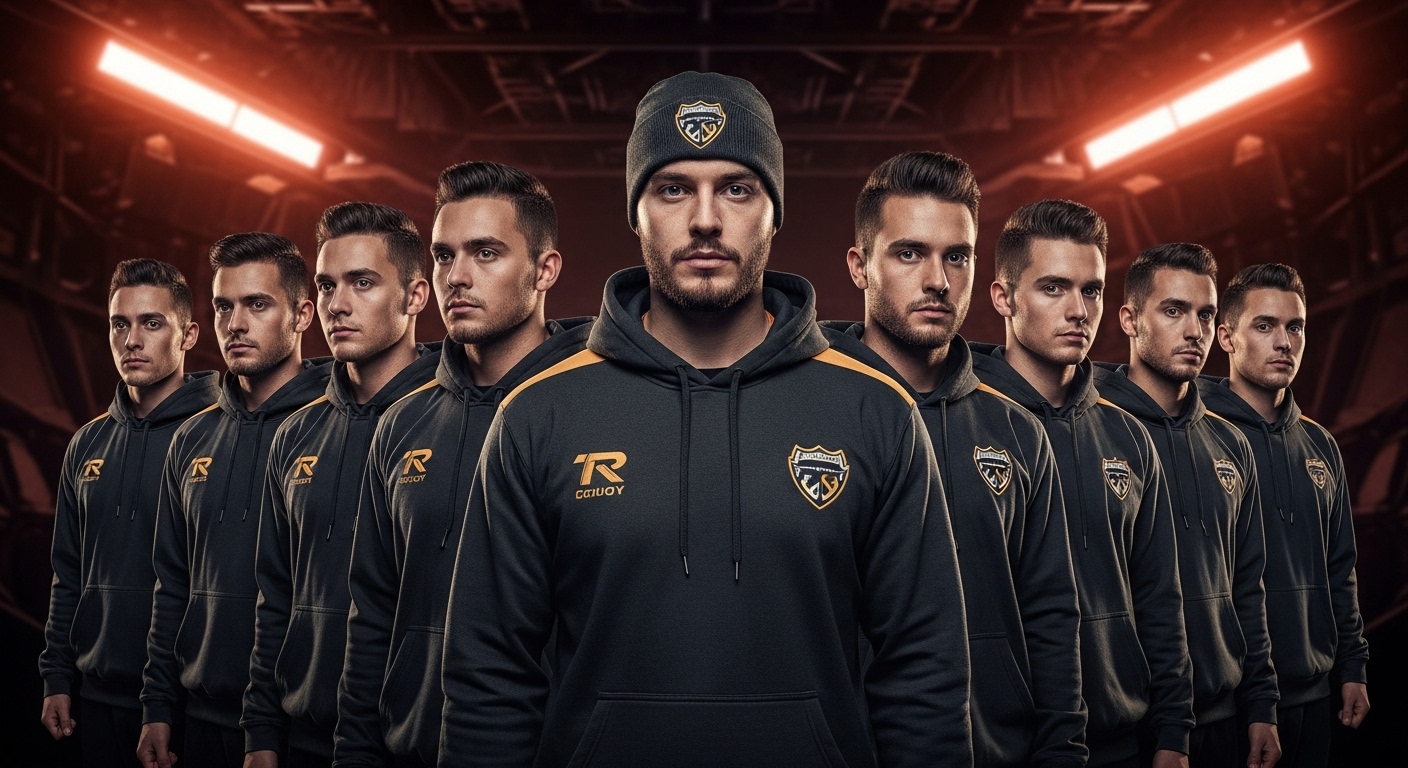
At its core, esports is about competition. Players train for hours, developing both their strategic thinking and mechanical skill to rise through the ranks and earn a place in the biggest tournaments. Esports competitions often resemble traditional sports in many ways: they have professional leagues, regular seasons, sponsorships, and even live commentary.
The Meteoric Rise of Esports: From Casual to Mainstream
The rise of esports has been nothing short of spectacular. What was once seen as a hobby for gamers has now become a legitimate sport with a massive global following. In fact, some estimates suggest that esports is expected to generate over $1.5 billion in revenue by 2023, with millions of viewers tuning in to watch tournaments worldwide.
Several factors have contributed to this meteoric rise. First and foremost is the accessibility of games and the internet. Online multiplayer games like “League of Legends,” “Dota 2,” and “Counter-Strike: Global Offensive” allow players to connect and compete with others from around the world, creating a vast global network of gamers. With the advent of streaming platforms like Twitch, fans can easily watch their favorite players or teams, fostering a sense of community around esports.
The growth of esports has also been bolstered by traditional sports organizations and media companies who have recognized its potential. Major sports leagues, such as the NBA and NFL, have invested in esports teams, while mainstream media outlets are beginning to broadcast live tournaments. Esports has increasingly become a significant part of popular culture, appealing to a younger demographic that is more engaged with digital media than traditional forms of entertainment.
Major Esports Games: The Heavy Hitters of the Industry
Esports spans a variety of games, but a handful have emerged as dominant forces within the competitive gaming scene. These games are the most-watched and played, and they attract millions of viewers and players worldwide.
League of Legends
“League of Legends” (LoL), developed by Riot Games, is arguably the biggest esports title in the world. With its fast-paced gameplay and deep strategic elements, LoL has built a massive, dedicated fanbase. The annual “League of Legends World Championship” draws in millions of viewers, and top players are considered some of the best gamers in the world. The game is a 5v5 battle where each team works to destroy the enemy’s Nexus, with players choosing from over 140 champions, each with unique abilities.
Dota 2
“Dota 2,” developed by Valve, is another titanic esports title. Its signature event, “The International,” has one of the highest prize pools in esports history. The game is a multiplayer online battle arena (MOBA) in which two teams of five players try to destroy the opposing team’s Ancient, which lies at the heart of their base. The competitive scene of “Dota 2” is known for its high-level strategy, intricate teamwork, and intense skill execution.
Counter-Strike: Global Offensive (CS: GO)
“CS: GO” is one of the oldest and most consistent competitive games in esports. This first-person shooter has become a staple in esports tournaments worldwide, with professional teams competing in various leagues and major events. The game pits two teams of five players against each other in a series of rounds where one team must plant a bomb and the other must prevent it. “CS: GO” is known for its tactical depth, teamwork, and individual skill.
Fortnite
“Fortnite” has brought a new dynamic to esports with its battle royale mode, which can accommodate up to 100 players in a single match. The game combines survival mechanics with building and shooting mechanics, making it a unique and fast-paced competitive experience. “Fortnite” has garnered massive attention not just for its competitive scene but also for its cultural impact, including live events and collaborations with pop culture icons.
Call of Duty
“Call of Duty” (CoD) is a staple in first-person shooter esports. The franchise has consistently been a top performer in competitive gaming, and its tournaments are watched by millions globally. CoD features fast-paced, tactical combat and offers various modes like team-based multiplayer and battle royale. The Call of Duty League (CDL) represents the pinnacle of competitive play, with top players and teams vying for the championship in annual tournaments.
Esports Tournaments: The Heart of Competitive Gaming
Esports tournaments are the cornerstone of the competitive gaming scene. These events bring together the best players and teams from around the world to compete for significant prize money and prestige. These tournaments range from regional qualifiers to massive international events, often with millions of dollars in prize money on the line.
One of the most iconic esports events is “The International” for “Dota 2,” which regularly boasts prize pools exceeding $30 million, making it one of the highest-paying tournaments in the world. Similarly, “League of Legends” has its annual World Championship, where top teams from different regions face off for global supremacy.
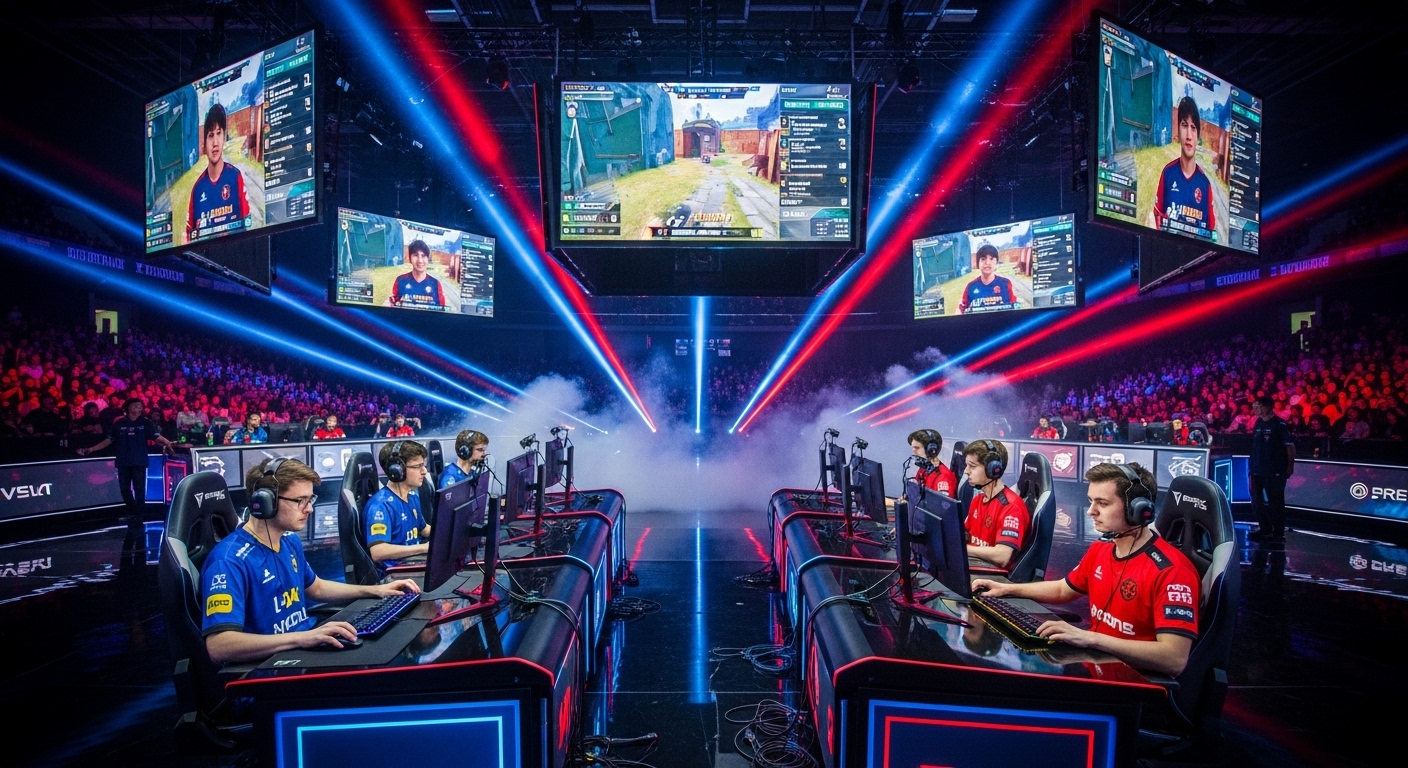
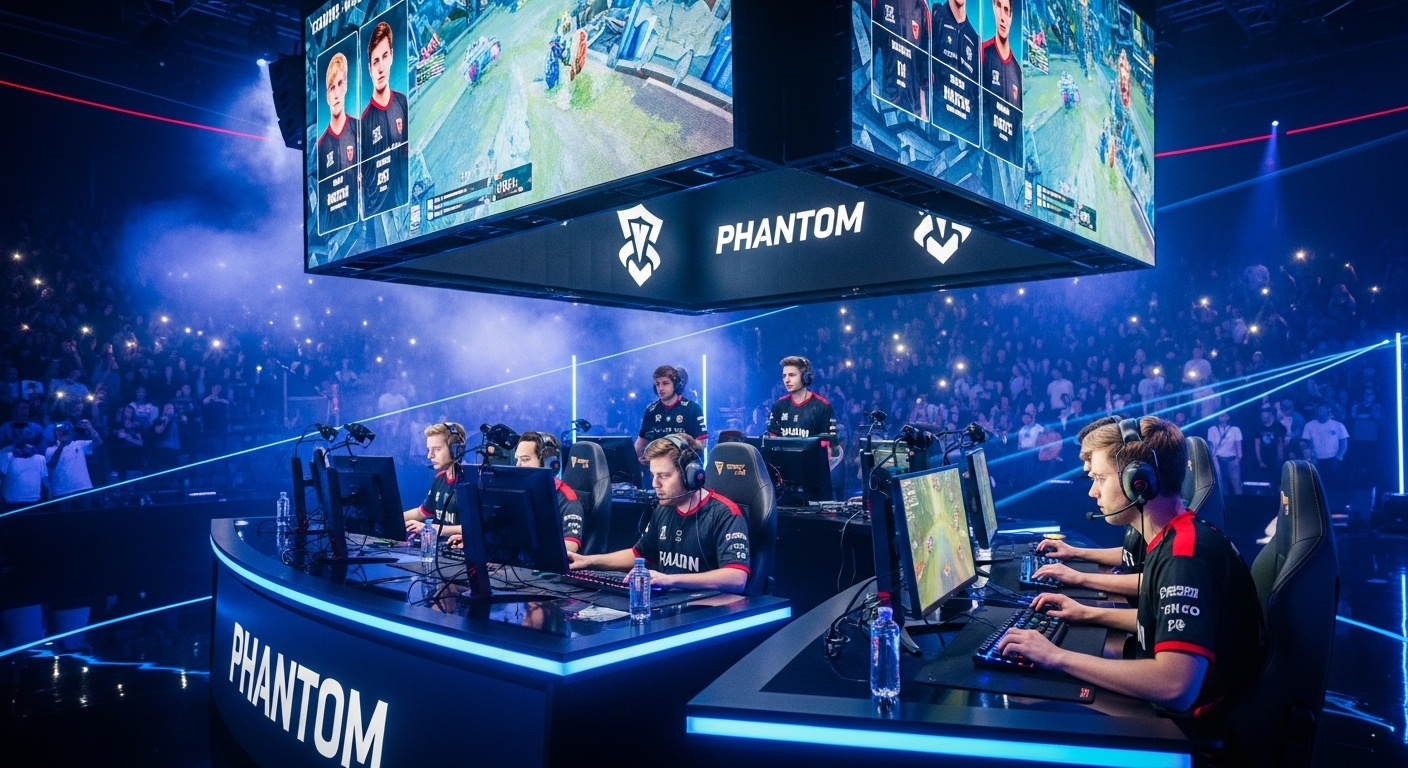
Esports tournaments are often held in huge arenas or stadiums, with thousands of live spectators. The atmosphere in these venues can rival that of traditional sports events, with cheering crowds, elaborate stage designs, and high-energy broadcasts. In addition to physical events, many esports tournaments are streamed live online, where millions of fans can watch the action unfold in real-time.
The Esports Ecosystem: Teams, Sponsorships, and Broadcasting
Esports is not just about the games themselves—there’s a whole ecosystem that supports the competitive scene. Professional esports teams have sprung up across the globe, with many investing heavily in talent development, coaching, and facilities. These teams often represent sponsors, and esports players can earn substantial salaries through contracts, sponsorships, and tournament winnings.
Sponsorships play a significant role in the esports ecosystem. Major brands, including Coca-Cola, Intel, and Nike, have partnered with esports organizations to promote their products and reach a younger, tech-savvy audience. These deals provide financial backing for teams, tournaments, and events, making it possible for players to make a living through esports.
In terms of broadcasting, esports has expanded beyond streaming platforms like Twitch. Major networks like ESPN and NBC have started broadcasting live esports events, bringing competitive gaming to a broader audience. The rise of YouTube Gaming and Facebook Gaming has also opened new avenues for streaming, creating an even more interconnected community of fans and players.
Esports and the Future: What’s Next for Competitive Gaming?
As esports continues to grow, its future seems bright and full of potential. The integration of technology will continue to enhance the viewing experience, with virtual reality (VR) and augmented reality (AR) potentially transforming the way fans interact with esports. Imagine a VR headset that allows viewers to feel like they are sitting courtside at a “League of Legends” World Championship match or participating in a live event.
Furthermore, the rise of mobile gaming presents new opportunities for esports. Titles like “PUBG Mobile” and “Mobile Legends” have already garnered massive followings, and mobile esports tournaments are expected to become more mainstream in the coming years.
In addition, esports’ inclusion in traditional sports events such as the Asian Games is a significant milestone. As the competitive gaming scene matures, it is possible that esports could even make its way into the Olympics. The increasing legitimacy of esports as a sport is pushing the boundaries of what we define as athletic competition.
Conclusion: Esports as the Future of Entertainment
Esports has undeniably transformed from a niche hobby into a global entertainment juggernaut. It combines the thrill of competitive sports with the immersive experience of digital gaming, creating a unique form of entertainment that resonates with millions around the world. With its rapid growth, diverse audience, and increasing legitimacy, esports is here to stay.
For players, fans, and investors alike, the world of esports offers an exciting frontier filled with opportunity. Whether you’re a professional gamer, a casual fan, or a brand looking to tap into a dynamic market, esports presents an exciting and ever-evolving landscape. The future of competitive gaming is bright, and the best is yet to come.