Introduction
Over the past two decades, the rise of Esports has transformed the landscape of entertainment, sports, and technology. What began as small gatherings of video game enthusiasts has grown into a multibillion-dollar global industry that rivals traditional sports in audience size, player earnings, and cultural impact. Esports represents more than just competitive gaming; it is a reflection of how the digital age has reshaped our understanding of competition, teamwork, and community. The industry continues to evolve, driven by technological advancements, social media influence, and the growing recognition of gaming as a legitimate sport and profession.
The Origins of Esports
The concept of Esports, or electronic sports, can be traced back to the early days of video gaming. In the 1970s, games like Space Invaders and Pong laid the groundwork for digital competition. The first recognized video game competition took place at Stanford University in 1972, where students competed in Spacewar. The winner received a subscription to a magazine, a small reward compared to the million-dollar prizes seen today.
In the 1980s, arcade culture brought gaming into public spaces. High score competitions in arcades became the earliest form of Esports, with players vying for dominance on games like Pac-Man and Donkey Kong. The emergence of home consoles further expanded gaming’s reach, but it wasn’t until the 1990s that organized multiplayer competitions truly began to take shape. Games like Street Fighter II and Quake established the foundations of professional competitive gaming, creating communities of skilled players and devoted fans.
The Rise of Online Gaming
The late 1990s and early 2000s marked a turning point in Esports history. The widespread availability of high-speed internet allowed players from around the world to compete without geographical barriers. Titles such as Counter-Strike, StarCraft, and Warcraft III became the cornerstones of early online competition. South Korea emerged as a dominant force in this era, with StarCraft tournaments drawing massive crowds and even being broadcast on national television.
South Korea’s early adoption of Esports laid the foundation for the industry’s global expansion. The government supported gaming infrastructure, while internet cafés known as PC bangs became popular social hubs for players. Professional teams, sponsorships, and televised events gave Esports a formal structure that other countries would later emulate.
The Modern Era of Esports
By the 2010s, Esports had entered the mainstream. The combination of live streaming platforms, social media, and improved gaming technology created a perfect environment for global audiences to engage with competitive gaming. Games like League of Legends, Dota 2, Fortnite, and Overwatch became cultural phenomena, attracting millions of viewers and offering prize pools worth millions of dollars.
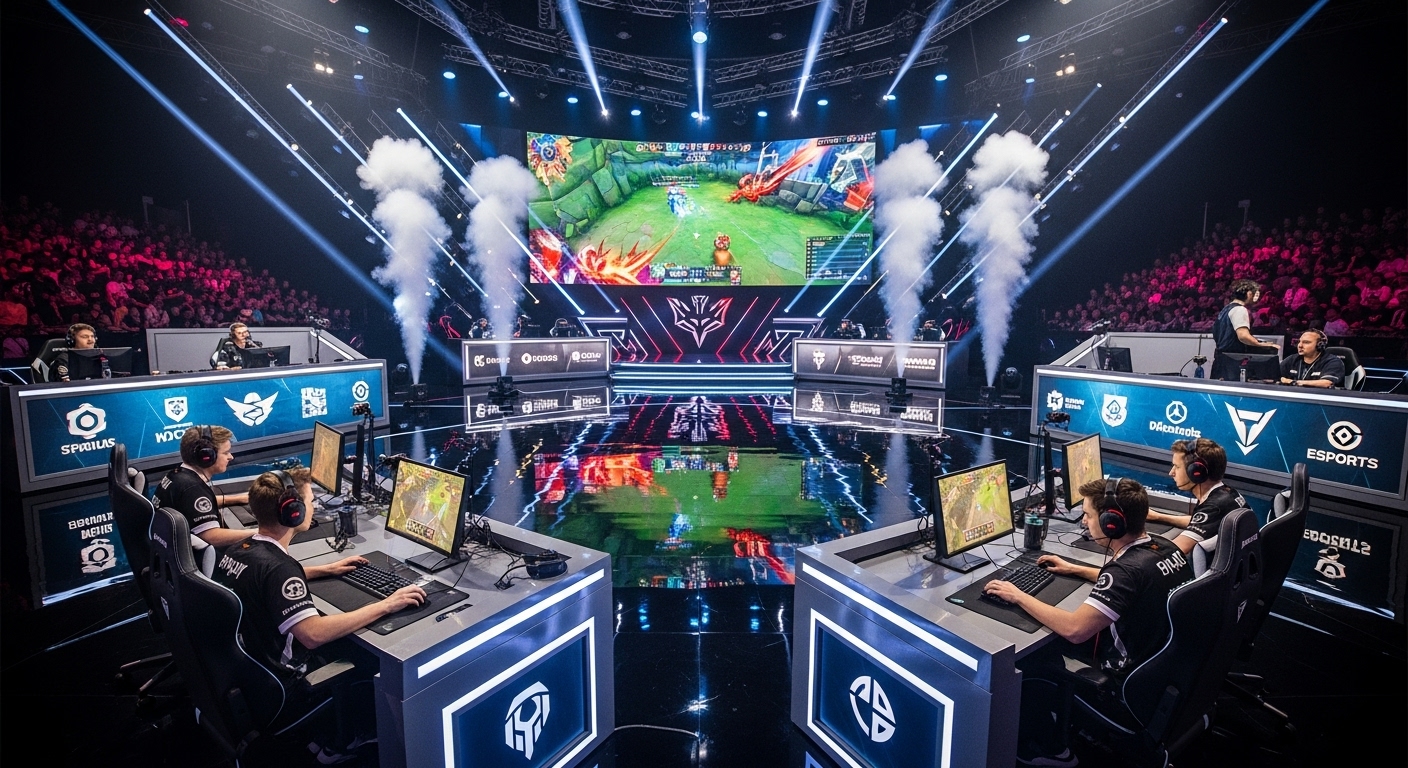
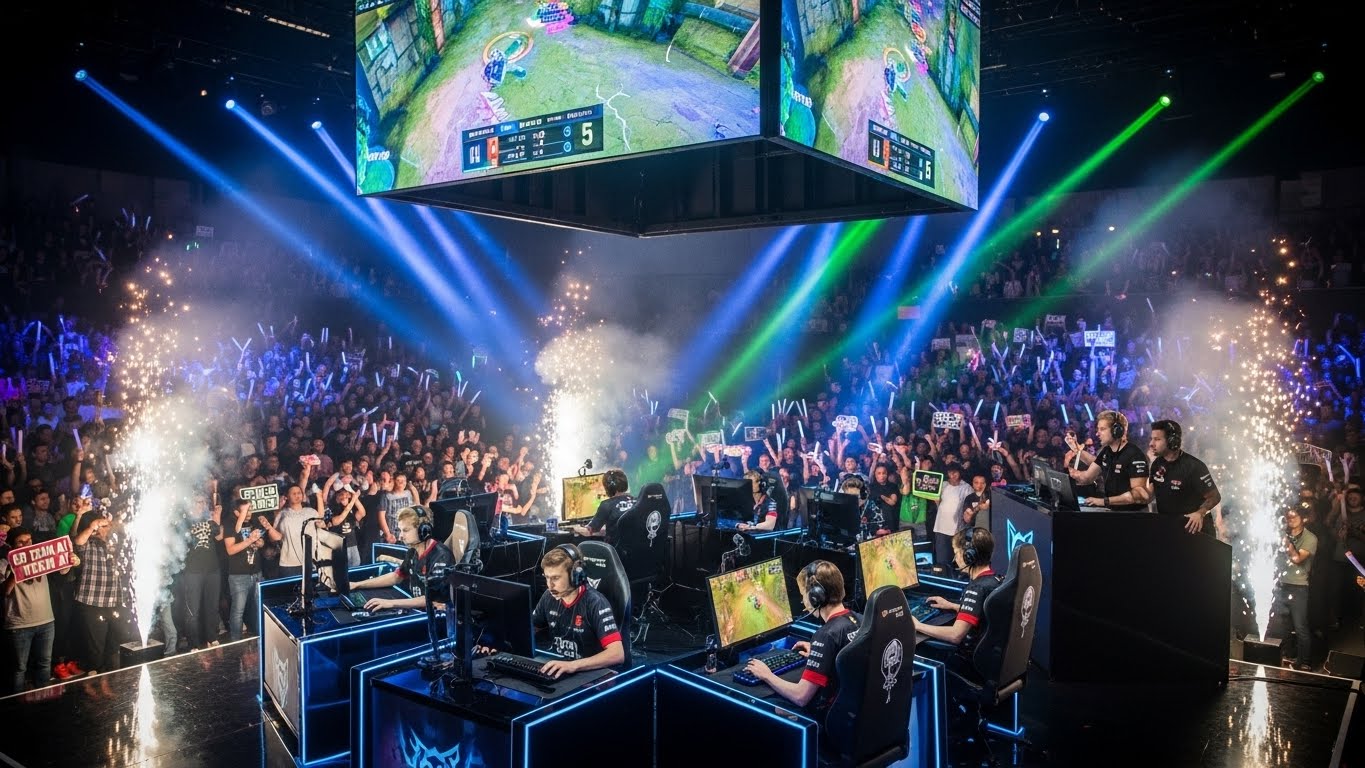
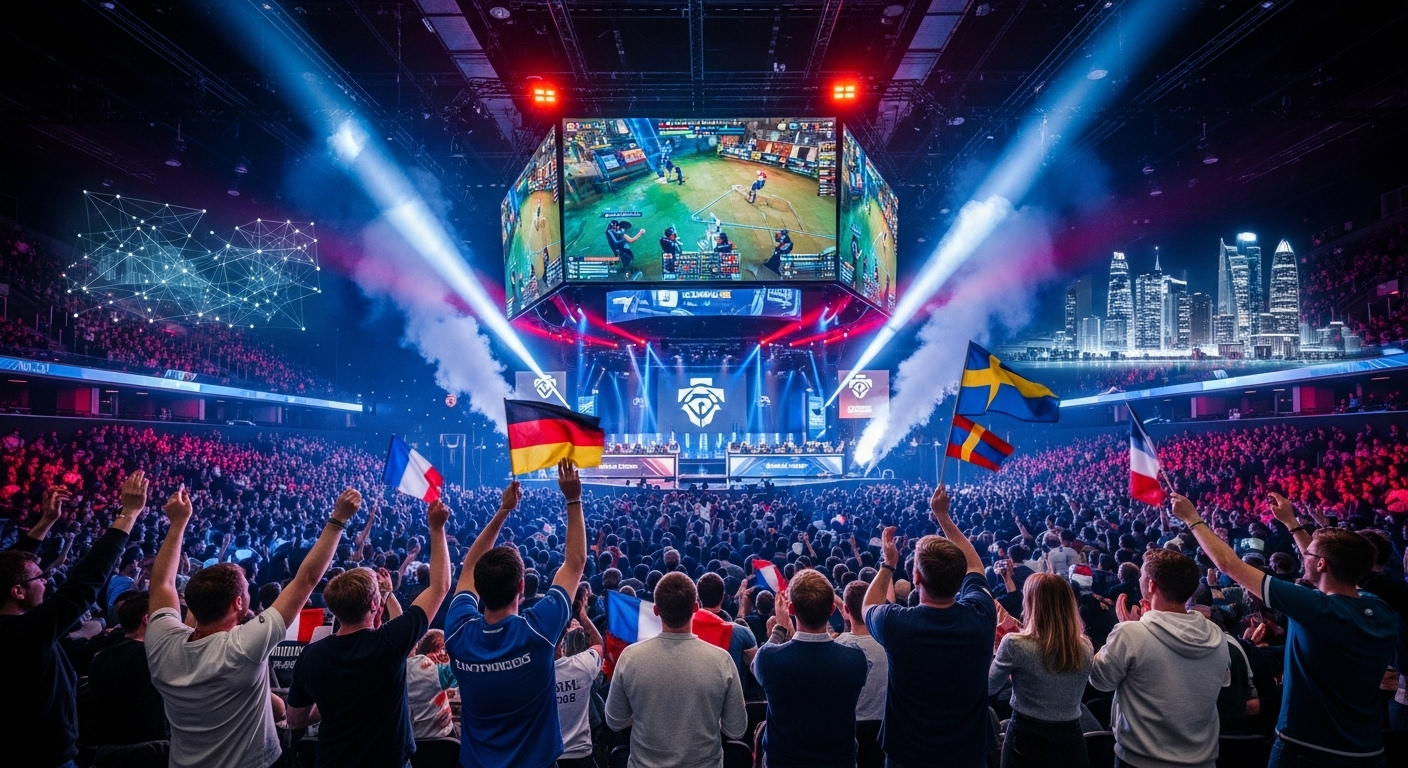
The League of Legends World Championship and The International (Dota 2) are prime examples of how Esports evolved into massive global events. These tournaments feature teams from multiple countries, elaborate stage designs, and intense fan engagement. The production quality rivals that of major sports leagues, and the events often sell out entire stadiums.
At the same time, streaming platforms such as Twitch and YouTube Gaming revolutionized how audiences consume Esports. Fans could now watch their favorite players live, interact with them directly, and become part of a growing digital community. This accessibility made Esports more inclusive and allowed it to expand beyond niche gaming circles.
Professional Players and Teams
The life of an Esports athlete is far from simple. Professional players train for long hours each day, often focusing on perfecting strategies, improving reflexes, and maintaining mental sharpness. Teams operate much like those in traditional sports, with coaches, analysts, nutritionists, and support staff. The level of discipline and teamwork required to succeed is immense, and the margin for error is incredibly small.
Well-known teams like Team Liquid, Fnatic, Cloud9, and T1 have become global brands, with fan bases spanning continents. Players such as Faker, s1mple, and Bugha have achieved celebrity status, earning millions in prize money and endorsements. Esports stars are now recognized alongside traditional athletes, appearing in commercials, documentaries, and talk shows.
The Economic Power of Esports
The Esports industry has grown into a financial powerhouse. Sponsorships, advertising, media rights, ticket sales, and in-game purchases all contribute to its massive revenue. Major corporations, including tech giants and consumer brands, have recognized the potential of Esports as a marketing platform to reach younger, tech-savvy audiences.
Prize pools in major tournaments now rival or exceed those in traditional sports. The 2019 Fortnite World Cup offered a total prize of $30 million, with the winner taking home $3 million. Similarly, Dota 2’s The International has consistently offered multi-million-dollar prize pools, crowdfunded by players themselves through in-game purchases.
The economic ripple effect extends beyond players and teams. Event organizers, content creators, streamers, commentators, and developers all benefit from the Esports ecosystem. Universities and educational institutions have also embraced the trend, offering scholarships for Esports players and courses related to gaming management, production, and marketing.
Esports and Traditional Sports
One of the most interesting developments in recent years has been the growing relationship between Esports and traditional sports organizations. Major sports franchises, including teams from the NBA, NFL, and European football leagues, have invested in Esports teams. This crossover demonstrates how seriously the world now views digital competition.
Traditional sports leagues have also experimented with virtual versions of their games, such as the FIFA eWorld Cup and the NBA 2K League. These initiatives not only engage fans in new ways but also introduce the sports experience to audiences who prefer gaming to physical competition.
The comparison between Esports and traditional sports often sparks debate. Critics argue that video games lack the physicality of sports, while supporters point out that mental agility, reflexes, and teamwork are just as demanding. The International Olympic Committee has even acknowledged Esports as a potential Olympic category in the future, though it continues to face questions about regulation and inclusion.
Technology and Innovation in Esports
Technology lies at the heart of Esports. The industry’s success is deeply connected to advancements in hardware, software, and network infrastructure. High-performance gaming PCs, low-latency internet connections, and sophisticated streaming tools have enabled the seamless delivery of high-quality entertainment to global audiences.
Virtual reality and augmented reality are expected to further transform Esports, creating more immersive experiences for both players and spectators. Artificial intelligence is also playing a role, helping analyze player performance, detect cheating, and enhance game balance. As technology continues to advance, Esports will likely remain at the forefront of innovation.
Cloud gaming, for instance, allows players to compete without expensive hardware, making gaming more accessible. This democratization of Esports ensures that talent can emerge from any region, regardless of economic background. Mobile gaming has also become a major player in the Esports scene, with titles like PUBG Mobile and Mobile Legends dominating in countries across Asia, Africa, and Latin America.
Cultural Impact of Esports
Esports has had a profound cultural influence worldwide. It has redefined what it means to be an athlete, challenged stereotypes about gamers, and fostered global communities built on shared passion. The rise of gaming influencers and streamers has blurred the lines between professional competition and entertainment, creating a new hybrid of performance art.
Esports events often resemble music festivals, complete with live performances, cosplay, and interactive experiences. Fans express their support through team merchandise, social media, and online communities. For younger generations, Esports represents a new form of identity and belonging. It is not just about watching games—it is about participating in a digital culture that values creativity, collaboration, and skill.
Challenges Facing Esports
Despite its remarkable success, Esports faces several challenges. Player burnout is a significant issue, as intense schedules and constant competition can take a toll on mental and physical health. Some players retire in their early twenties due to the demanding nature of the profession.
Cheating, match-fixing, and doping scandals have also occasionally tarnished the reputation of the industry. Ensuring fair play remains a major priority for tournament organizers and game developers. Additionally, the lack of a unified governing body means that rules and standards can vary widely between games and regions.
Another challenge lies in maintaining diversity and inclusivity within Esports. While the community is vast and global, female and minority representation among professional players remains limited. However, initiatives promoting inclusivity are gaining traction, with more tournaments encouraging participation from all backgrounds.
Esports and Education
The educational sector has embraced Esports as a tool for learning and development. Schools and universities have started offering Esports programs that teach teamwork, communication, strategy, and leadership. These programs also provide career pathways beyond playing, including roles in event management, broadcasting, marketing, and game design.
Esports scholarships are becoming increasingly common, especially in North America and Asia. Institutions recognize the value of Esports in developing transferable skills that can be applied in various professional fields. Furthermore, academic research into gaming psychology and performance optimization continues to grow, bridging the gap between education and competitive gaming.
The Globalization of Esports
One of the defining features of Esports is its global reach. Unlike traditional sports, which may have geographical limits, Esports thrives on digital connectivity. Players from different continents can compete in real time, and fans from around the world can tune in to the same broadcast simultaneously.
Regions such as Europe, North America, China, and South Korea remain major hubs of Esports activity, but emerging markets in Southeast Asia, Africa, and South America are rapidly catching up. The accessibility of mobile gaming has accelerated this expansion, allowing more people to participate regardless of location or income level.
Esports has also become a diplomatic tool of sorts, promoting cross-cultural interaction and understanding. International tournaments bring together diverse players, fostering friendships and collaborations that transcend borders.
The Future of Esports
The future of Esports appears incredibly bright. As technology continues to advance, the boundaries between gaming, entertainment, and traditional sports will continue to blur. Virtual reality tournaments, AI-driven coaching systems, and cross-platform competitions could redefine the experience for players and audiences alike.
With younger generations growing up immersed in digital environments, Esports is poised to become an even more integral part of global culture. The industry’s continued growth will depend on maintaining integrity, supporting player well-being, and embracing inclusivity. As governments, corporations, and educational institutions continue to invest in the Esports ecosystem, the potential for innovation and expansion is limitless.
Conclusion
Esports represents one of the most remarkable cultural and technological revolutions of the modern age. It has evolved from a niche hobby into a global spectacle that unites millions of people across different backgrounds, languages, and interests. Through skill, strategy, and community, Esports has proven that competition in the digital world can be as thrilling, rewarding, and meaningful as any traditional sport.
As the world becomes more interconnected, Esports will continue to shape not only how we play games but how we view competition, creativity, and collaboration. It stands as a testament to human innovation and the power of technology to bring people together in new and exciting ways. The future of Esports is not just about games—it is about the spirit of progress and the endless possibilities that lie ahead in the digital age.