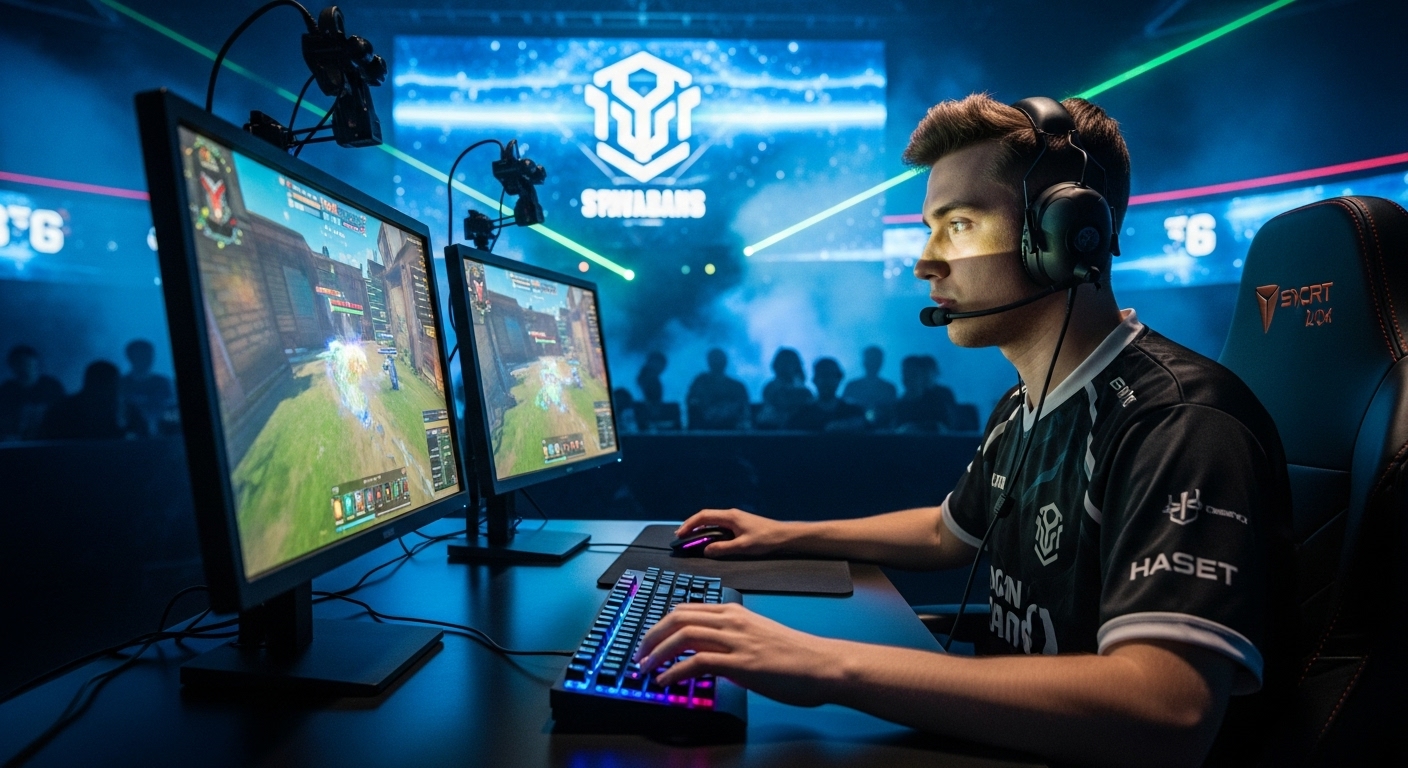
The Birth of Esports
The concept of esports, or electronic sports, might seem like a modern innovation, but its origins stretch back several decades. The early seeds of competitive gaming were planted in the 1970s when arcade machines began appearing in public spaces. These coin-operated games became the first arenas where players competed for high scores. Titles like Space Invaders and Pac-Man were the earliest forms of competition, with players trying to surpass each other’s scores for local glory.
However, it wasn’t until the late 1990s and early 2000s that esports began taking the shape we recognize today. With the rapid expansion of the internet, players could finally face off against opponents across the globe rather than being limited to local friends or arcade rivals. Games like StarCraft, Counter-Strike, and Quake became early staples of online competitive play. These games required not just fast reflexes but also strategic thinking, team coordination, and mental endurance.
As online gaming infrastructure improved, competitive gaming grew beyond a hobby—it became a spectator sport. Small tournaments started appearing in internet cafés, college halls, and gaming expos, attracting crowds that were fascinated by the high level of skill displayed by professional players.
The Rise of Professional Gaming
The transition from casual play to professional esports was both rapid and transformative. Around the mid-2000s, major gaming companies began to recognize the potential of competitive gaming as a legitimate industry. They started organizing structured leagues, tournaments, and events, often with sponsorships and cash prizes.
The rise of League of Legends, Dota 2, and Counter-Strike: Global Offensive marked a turning point. These games weren’t just popular—they were built for competition. Their balanced gameplay, spectator-friendly interfaces, and developer support allowed them to flourish as esports titles. Players began forming teams with dedicated coaches, analysts, and managers, mirroring the organizational structure of traditional sports clubs.
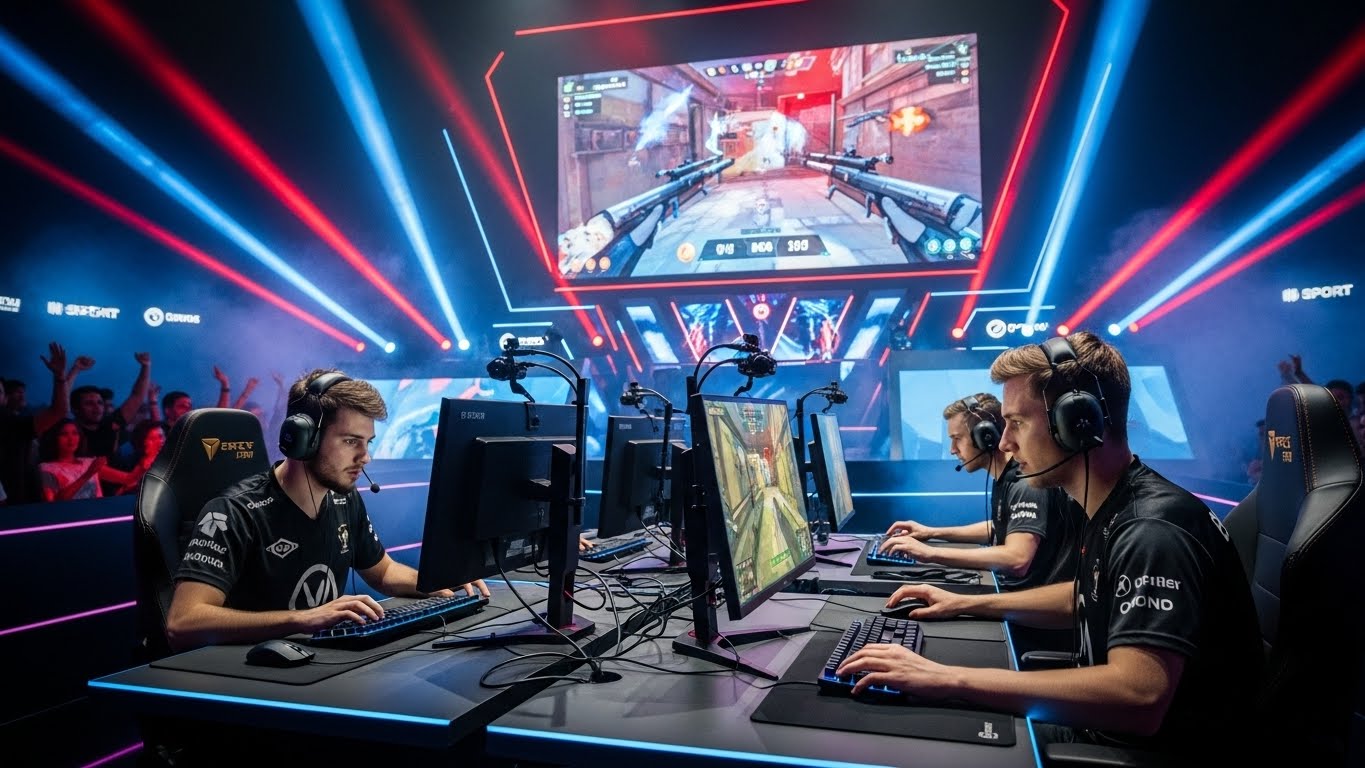
As the industry matured, players became full-time professionals, dedicating hours each day to practice, strategizing, and physical conditioning. Professional esports athletes trained their reflexes, communication, and game sense just as rigorously as traditional athletes train their bodies. Many players began earning lucrative salaries through tournament winnings, sponsorships, and streaming platforms.
The Role of Streaming and Media in Esports Growth
One of the key catalysts behind the global explosion of esports was the rise of streaming platforms. The ability to watch live games changed everything. Platforms that allowed gamers to broadcast their gameplay gave fans direct access to their favorite players, turning esports into an entertainment phenomenon.
Before streaming became mainstream, esports fans relied on event replays or localized broadcasts. But now, tournaments could reach millions of viewers live. Fans could interact with players, share moments in real time, and become part of the growing esports community. This level of accessibility and engagement helped esports rival traditional sports in viewership numbers.
Media coverage also expanded rapidly. Dedicated esports journalists, commentators, and analysts emerged, adding professionalism and depth to coverage. Game developers began integrating spectator modes and camera controls specifically for tournament use, further enhancing the viewing experience. The line between sports broadcasting and esports entertainment blurred as production quality skyrocketed, complete with replays, interviews, and expert analysis.
Globalization of Esports
Esports is now one of the most international forms of competition in existence. Players, teams, and organizations span every continent. In Asia, especially South Korea, esports gained cultural legitimacy earlier than in most other regions. South Korean players dominated early titles like StarCraft, establishing the first true professional gaming leagues.
In Europe, countries like Sweden, Germany, and Denmark produced some of the strongest teams in games like Counter-Strike and Dota 2. North America also saw the rise of powerhouse organizations that elevated esports into mainstream culture. Meanwhile, emerging regions such as Southeast Asia, Latin America, and the Middle East have rapidly grown their esports scenes, bringing new talent and fans into the ecosystem.
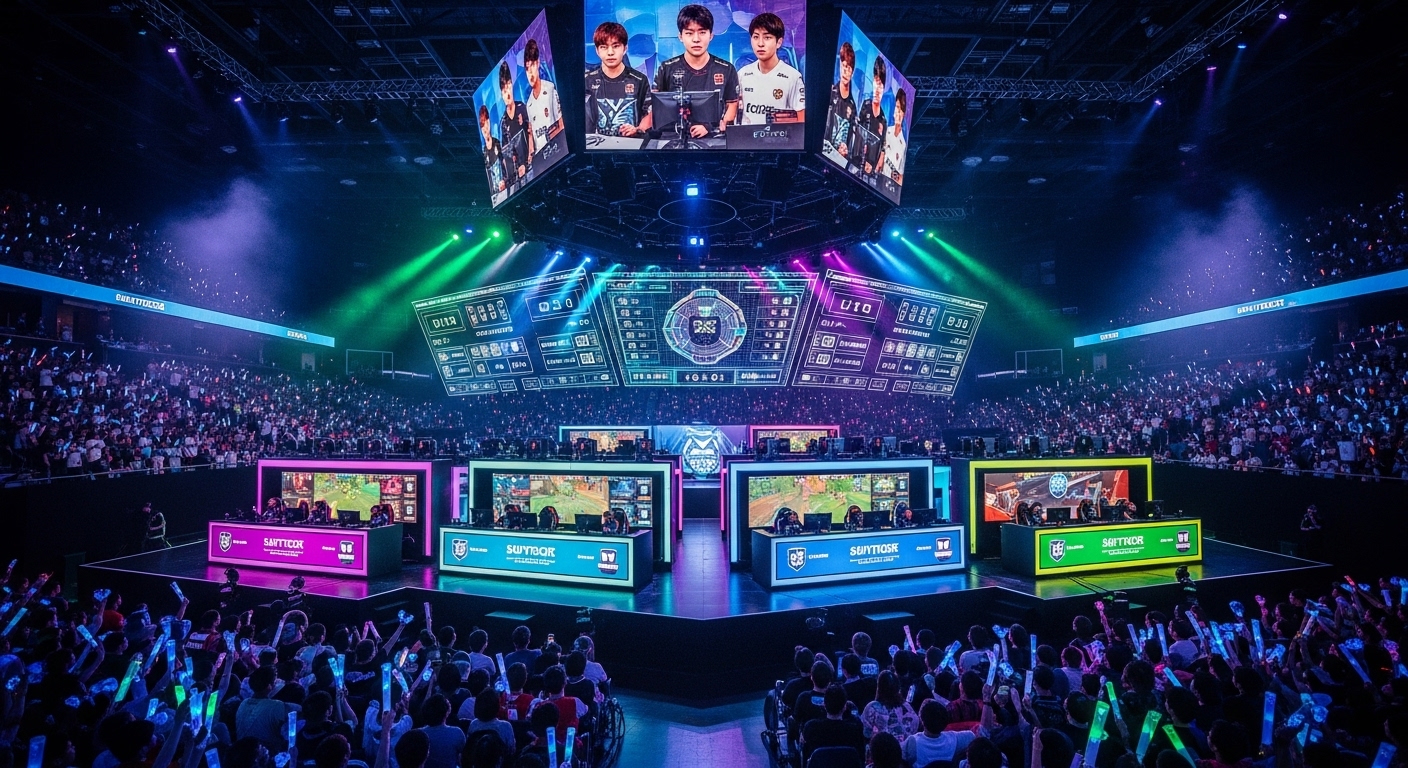
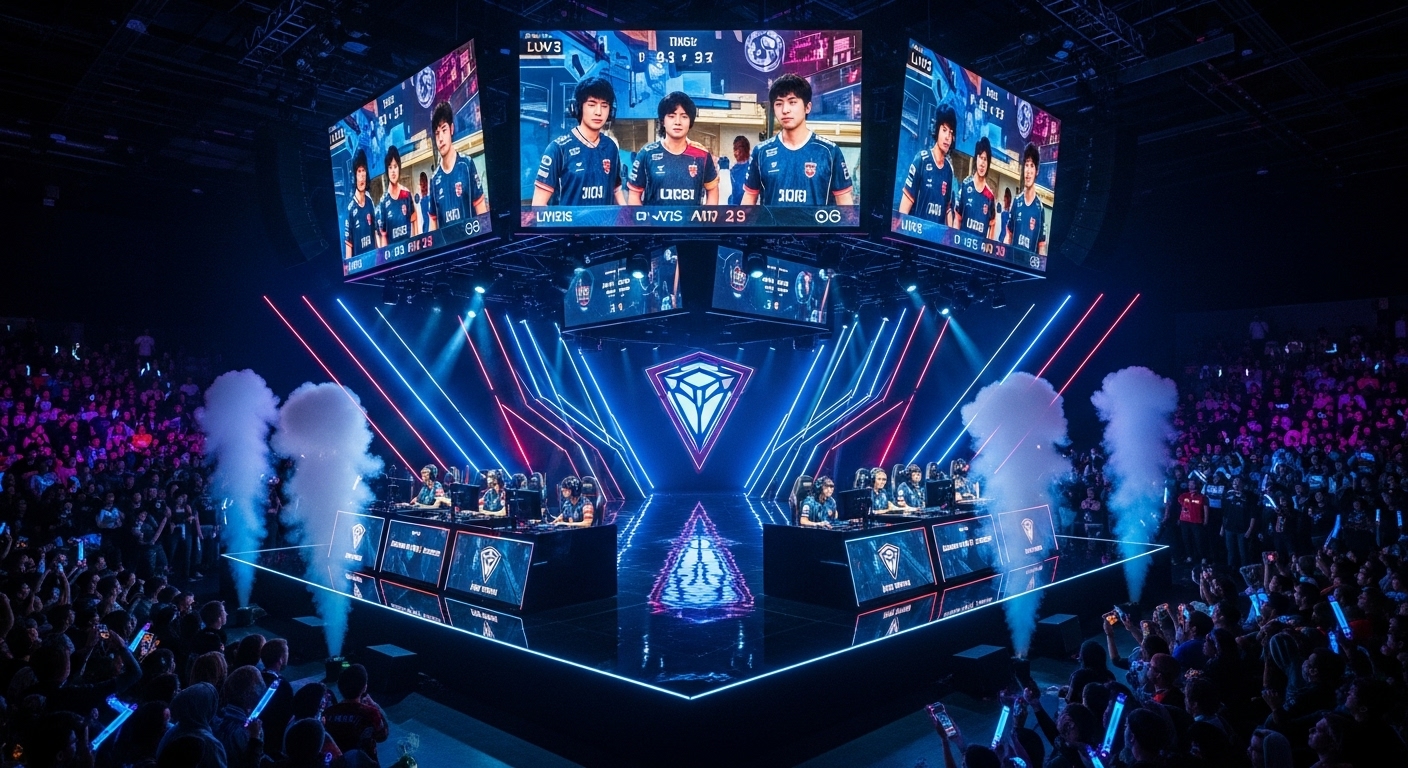
International tournaments now bring together players from across the globe to compete on massive stages. Events like The International for Dota 2 and the League of Legends World Championship fill arenas with tens of thousands of fans, while millions more watch online. These tournaments have become cultural celebrations, uniting fans worldwide through a shared love of gaming.
The Economics Behind Esports
The business side of esports has evolved into a multi-billion-dollar industry. What started as grassroots competitions now includes structured leagues, team franchises, and multi-year sponsorship deals. Revenue streams come from sponsorships, media rights, merchandise, ticket sales, and in-game purchases.
Major brands that once ignored gaming now invest heavily in esports. Companies across industries—from tech giants to beverage brands—see esports as a gateway to reaching younger, digitally engaged audiences. This has led to a surge in funding, allowing organizations to expand their infrastructure, improve player welfare, and enhance production value.
Player salaries have risen accordingly. The top-tier professionals now earn six or seven figures annually, with some star players achieving celebrity status comparable to athletes in football or basketball. Beyond prize money, many earn from endorsements, personal branding, and content creation.
This commercial growth has also brought new challenges, such as maintaining player well-being, ensuring fair competition, and establishing clear regulations. Nonetheless, the esports economy continues to thrive and innovate, setting the stage for even greater expansion in the years ahead.
The Evolution of Esports Games
One of the most fascinating aspects of esports is the diversity of games that make up the competitive landscape. Unlike traditional sports, which have fixed rules and formats, esports encompasses a wide range of genres—each with its own mechanics and audience.
First-person shooters like Counter-Strike and Valorant test players’ precision, reflexes, and teamwork. Multiplayer online battle arenas (MOBAs) like League of Legends and Dota 2 demand strategic coordination and deep understanding of complex game mechanics. Battle royale games such as Fortnite and PUBG bring massive-scale competition, where survival and adaptability are key.
Meanwhile, sports simulation games like FIFA and NBA 2K connect esports with traditional athletic fans. Fighting games such as Street Fighter, Tekken, and Super Smash Bros. focus on one-on-one mastery and quick decision-making. Each genre attracts different kinds of audiences, contributing to the richness and inclusivity of the esports ecosystem.
Developers continuously update and balance their games to ensure competitive fairness. This creates an ever-evolving landscape where strategies shift, metas change, and new talents emerge. The dynamism of esports is part of what makes it so captivating for players and viewers alike.
The Culture and Community of Esports
Esports is more than competition—it’s a culture. It thrives on community engagement, fan creativity, and the shared passion of millions. Online communities form around favorite teams, players, and games. Fans discuss strategies, create fan art, and even produce content such as analysis videos and podcasts.
Cosplay, memes, and gaming slang have become integral parts of esports culture. Major tournaments often feel like festivals, with fans dressing up, cheering, and celebrating their favorite teams just as passionately as in any traditional sport. The camaraderie among fans, both online and offline, has created a sense of belonging that defines the esports identity.
The sense of inclusivity also stands out. Esports has opened doors for people who might not have opportunities in traditional sports due to physical limitations or other barriers. The only requirements are skill, passion, and access to a computer or console. This democratization has made esports one of the most accessible competitive arenas in history.
The Role of Education and Career Opportunities
Esports has also found its way into education and career development. Universities around the world now offer scholarships for esports players, similar to those for traditional athletes. Esports management, production, and broadcasting programs have emerged, preparing students for a growing job market connected to gaming.
Beyond playing professionally, esports offers a wide range of career paths. Analysts, shoutcasters, coaches, event organizers, marketers, and content creators are all essential to the industry’s ecosystem. The field has become a legitimate profession that combines creativity, technology, and sportsmanship.
Schools are also incorporating esports into their extracurricular programs, recognizing that competitive gaming can teach teamwork, discipline, and strategic thinking. These skills are highly transferable to other aspects of life and work, making esports an educational tool as well as entertainment.
Esports and Traditional Sports: A Comparison
Comparing esports to traditional sports reveals both similarities and unique qualities. At their core, both rely on competition, skill, and strategy. Both have professional leagues, global audiences, and passionate fan bases. However, esports differs in its digital nature, flexibility, and pace of innovation.
In traditional sports, the rules rarely change. In esports, game updates, patches, and new mechanics can alter how a game is played overnight. This constant evolution keeps esports fresh but also demands adaptability from players and teams.
Physicality may not define esports, but the mental strain, reaction time, and teamwork required are comparable to any traditional sport. Many esports players maintain physical fitness to enhance their reflexes, focus, and stamina during long tournaments.
The merging of the two worlds is already happening. Major sports clubs now have esports divisions, and traditional athletes invest in gaming organizations. This collaboration reflects a broader acceptance of esports as a genuine form of competitive entertainment.
Challenges Facing Esports
Despite its success, esports faces several challenges as it continues to grow. One of the primary concerns is player burnout. The intense schedule and constant need to perform can lead to physical and mental exhaustion. Many players retire young, often in their mid-20s, due to stress or declining performance.
Another challenge is the lack of universal regulation. Each game has its own competitive ecosystem, often controlled by the developer. This can create inconsistencies in rules, prize distribution, and player treatment. Establishing a standardized framework could help ensure fairness and long-term sustainability.
Cheating and match-fixing remain concerns, though advances in anti-cheat software and integrity commissions have helped mitigate these issues. Toxic behavior and online harassment also pose social challenges that the community continues to address through awareness campaigns and stricter moderation.
Lastly, the rapid growth of esports demands continued investment in infrastructure, from high-speed internet access to proper training facilities. Meeting these needs will determine how well esports can sustain its momentum in the future.
The Future of Esports
The future of esports looks brighter than ever. Technological advancements such as virtual reality, augmented reality, and artificial intelligence promise to redefine competitive gaming experiences. New genres will emerge, blending physical and digital play in ways that were once unimaginable.
Esports could also become a part of major global sporting events, symbolizing the unity of digital and traditional competition. The inclusion of esports in various international competitions has already begun, marking a milestone for the industry’s recognition.
On the business side, increased sponsorships, media deals, and investment will continue to fuel growth. With each passing year, the boundaries between esports, entertainment, and mainstream culture blur further. The potential for storytelling, branding, and innovation in esports remains limitless.
As younger generations grow up surrounded by gaming culture, esports will likely become an even more integral part of global entertainment. Its accessibility, community-driven nature, and technological integration make it a defining movement of the digital age.
Conclusion
Esports is not just a pastime—it’s a revolution in how humanity competes, connects, and celebrates skill. From small arcade tournaments to global arenas packed with fans, it has transcended its humble beginnings to become a worldwide phenomenon.
Its influence extends far beyond gaming, shaping industries, education, and culture. Esports unites people across borders, languages, and backgrounds, demonstrating that competition can thrive in both physical and virtual arenas.
As technology continues to evolve, so will esports. What remains constant is the passion that drives players and fans alike—the thrill of victory, the agony of defeat, and the unending pursuit of excellence. The story of esports is still being written, but one thing is certain: it has already secured its place as one of the defining pillars of modern entertainment.