Esports, a term that was once reserved for a small group of dedicated gamers, has undergone a significant transformation in the past two decades. What began as a hobby for competitive gamers has evolved into a global industry worth billions of dollars, with millions of fans across the world and a level of mainstream attention that rivals traditional sports. In this blog post, we’ll explore the history of esports, its rapid rise to prominence, the impact it has had on various industries, and what the future holds for competitive gaming.
The Humble Beginnings of Esports
The roots of esports can be traced back to the 1970s and 1980s when video games were first becoming popular. While video games were mainly a pastime, there were early instances of competitive gaming events. One of the first notable events was the 1972 “Space Invaders Championship,” hosted by Atari. Although this event did not resemble the large-scale tournaments we see today, it set the stage for competitive gaming by drawing attention to the idea of competing in video games for rewards and recognition.
However, it wasn’t until the late 1990s and early 2000s that esports began to take shape in the modern sense. The release of games like StarCraft (1998) and Quake (1996) laid the foundation for organized competitive gaming. These games had a large, dedicated player base, and with the rise of the internet, players from different parts of the world could compete against each other in real-time.
In 1997, the first official Quake tournament was held, and it’s often considered one of the first large-scale esports events. This marked the beginning of a trend where online competitions, especially in PC games, grew more frequent and organized. By the early 2000s, tournaments such as the World Cyber Games and Electronic Sports World Cup began to bring esports to the global stage. These events offered substantial cash prizes, attracting players and teams from around the world.
The Growth of Esports
The growth of esports in the 2000s can be attributed to several factors. First and foremost, the rise of the internet allowed players to compete against each other regardless of geographic location. Games like Warcraft III and Counter-Strike allowed players to battle in multiplayer modes online, creating the need for organized leagues and tournaments.
In addition, streaming platforms such as Twitch, which launched in 2011, played a pivotal role in the spread of esports. Twitch provided a platform where gamers could not only watch tournaments and competitive play but also interact with players and fellow fans. The ability to stream live content for free, combined with the popularity of games like League of Legends and Dota 2, made esports a widely accessible entertainment form.
By the mid-2010s, esports had gained recognition from major brands, professional athletes, and media companies. Large companies such as Coca-Cola, Intel, and Red Bull began to sponsor esports events, and media outlets like ESPN began broadcasting tournaments. Esports also gained legitimacy when it became a part of major conventions, such as PAX and E3, where professional gamers competed in front of thousands of live fans.
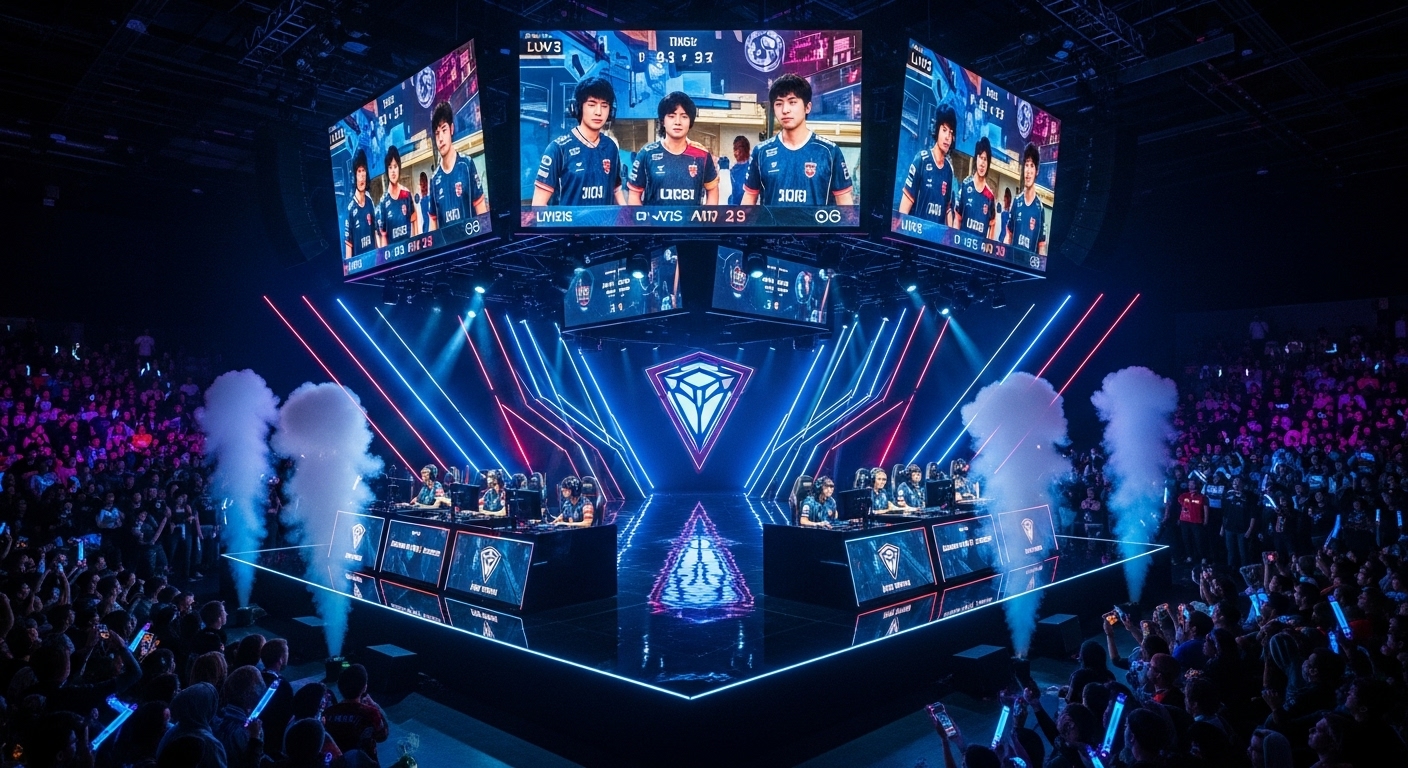
Moreover, the development of esports infrastructure further boosted its growth. Dedicated esports arenas and arenas within major stadiums started popping up across the world. The League of Legends World Championship has consistently sold out large arenas, while The International for Dota 2 has attracted over 20,000 spectators to venues like the KeyArena in Seattle. These events have played a crucial role in legitimizing esports and showcasing the massive following of competitive gaming.
The Ecosystem of Esports
Esports is a multi-faceted industry with a complex ecosystem that includes not only professional players and teams but also broadcasters, organizers, sponsors, and fans. Let’s break down the key components of the esports ecosystem.
Players and Teams
At the heart of esports are the players and teams that participate in various games. Just like in traditional sports, professional esports players dedicate hours of practice every day to hone their skills. Players often specialize in a specific game, competing at the highest levels in tournaments worldwide.
Top-tier esports players often train as intensively as athletes in traditional sports, working with coaches and analysts to improve their strategies and gameplay. Many players also have sponsorships with major gaming brands or non-endemic sponsors such as Pepsi, Intel, or Nike.
Professional esports teams, much like traditional sports teams, are often sponsored by major brands. These teams, which can have players from different countries, often participate in leagues for specific games. For instance, in League of Legends, top teams compete in leagues like the LCS (League Championship Series) in North America and LEC (League of Legends European Championship) in Europe. These leagues are followed by millions of fans who watch the action live and on various streaming platforms.
Tournaments and Events
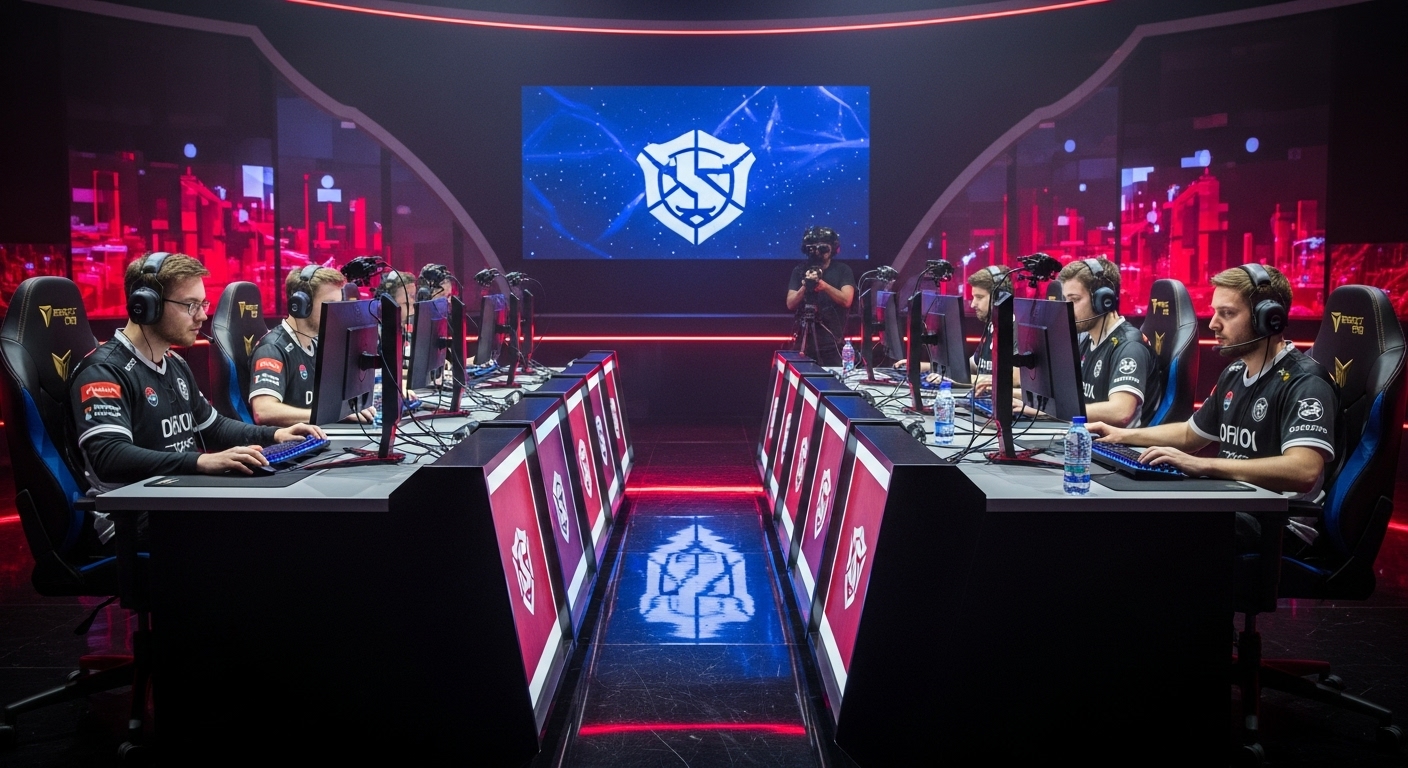
Tournaments are the lifeblood of esports, providing competitive gamers with the opportunity to showcase their skills and earn recognition. There are several types of esports events, ranging from online qualifiers to large-scale LAN (Local Area Network) tournaments.
Major tournaments such as The International for Dota 2, CS:GO Major Championships for Counter-Strike: Global Offensive, and the League of Legends World Championship are broadcast globally, drawing millions of viewers and offering multi-million-dollar prize pools. These events often take place in iconic arenas or convention centers and are accompanied by elaborate stage productions, making them a spectacle for fans and viewers alike.
Streamers and Content Creators
Another essential aspect of the esports ecosystem is the rise of streamers and content creators. Platforms like Twitch and YouTube Gaming allow gamers to broadcast their gameplay live, interact with fans, and monetize their content. Many of these streamers have built massive followings, with some attracting millions of subscribers and viewers.
Content creators not only stream competitive gaming but also produce a variety of related content, including tutorials, gameplay analysis, and commentary. These creators have become celebrities in their own right, sometimes surpassing professional players in terms of popularity and sponsorship deals.
Sponsors and Advertisers
Esports has attracted a wide range of sponsors, including those from traditional industries like automotive, fashion, and technology. Companies such as Coca-Cola, Monster Energy, and Alienware have partnered with esports events, teams, and players to increase their brand visibility.
Sponsorships in esports are a major revenue source, and they help fund prize pools and tournaments. Additionally, advertisers also capitalize on the esports audience by targeting them with ads during live streams, event broadcasts, or through social media.
Fans and Community
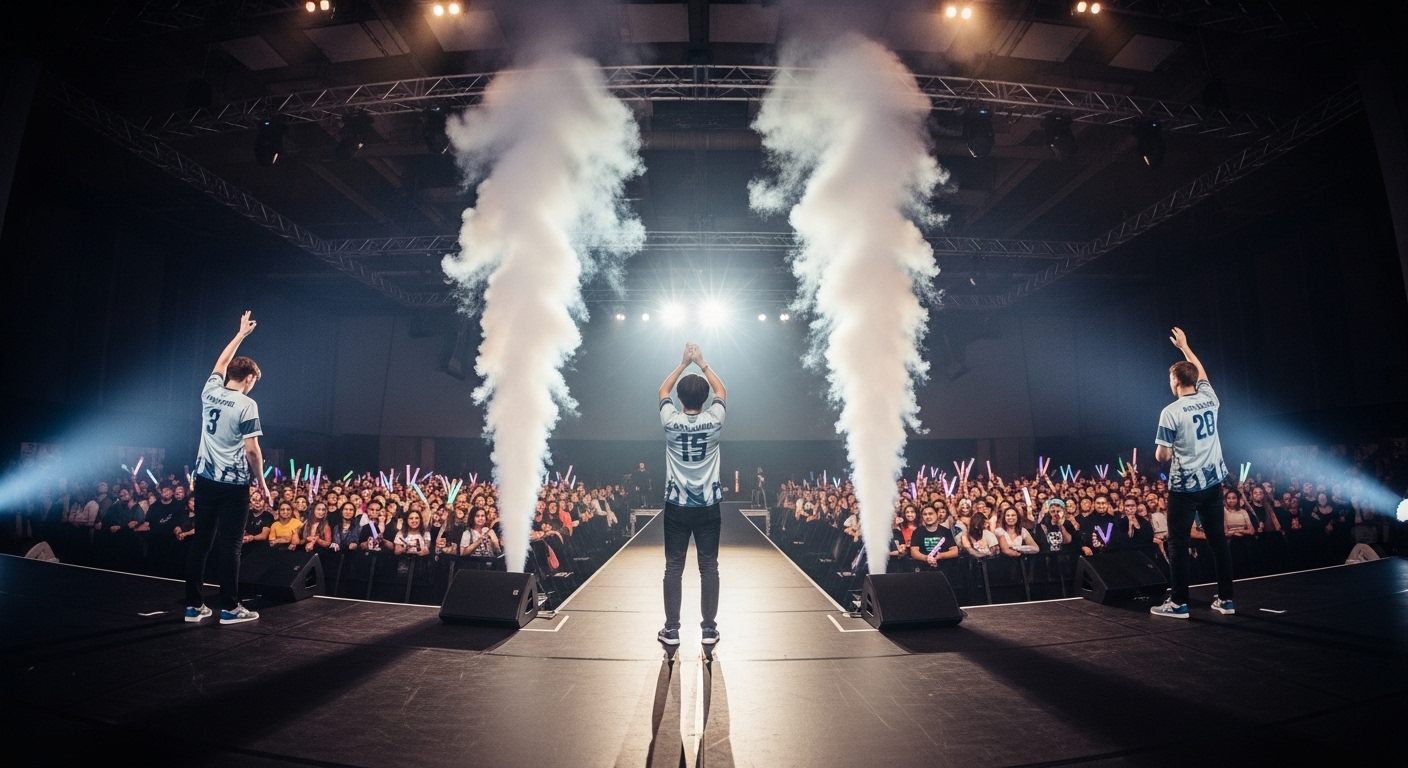
The esports community is one of the most passionate and dedicated fanbases in the world. Fans engage with their favorite teams, players, and tournaments through social media, fan forums, and live streams. Esports fans are often highly interactive, with many watching streams and events together in large groups or even attending tournaments in person.
The fan community plays a key role in driving the success of esports. Fans contribute to the industry’s growth by purchasing merchandise, attending live events, and sharing content related to their favorite games. In return, the esports industry offers fans an engaging, high-energy, and competitive form of entertainment that is easily accessible through online platforms.
Esports and Its Cultural Impact
Beyond the financial and business implications, esports has had a profound cultural impact. It has transformed how people view video games, turning them into a legitimate form of entertainment and competition.
Challenging Traditional Sports
Esports has increasingly been compared to traditional sports in terms of its structure, fanbase, and competitive nature. Many esports tournaments have similar features to traditional sports events, including live broadcasts, commentary, and team-based competition. This has led some to ask whether esports should be considered a sport in the traditional sense.
While there are arguments both for and against this comparison, it’s clear that esports has created a new category of competitive entertainment that has gained significant cultural relevance. In some countries, esports has even been recognized as an official sport, with national esports organizations and government funding supporting its growth.
Esports and Education
Esports has found its way into educational institutions, with many schools, colleges, and universities establishing esports programs. These programs offer scholarships, coaching, and access to state-of-the-art gaming equipment, helping students pursue careers in esports while also providing a platform for academic success.
Additionally, esports is increasingly being recognized as a way to teach valuable life skills. Many players and teams participate in leadership, teamwork, and communication training as part of their professional development. These skills are transferable to a variety of fields and are increasingly seen as important for young people.
Representation and Diversity
Esports has also opened doors for greater representation and diversity. In a traditionally male-dominated industry, women are starting to make their mark in competitive gaming and content creation. Female players, commentators, and streamers are gaining prominence, helping to challenge stereotypes and create a more inclusive space for people of all genders and backgrounds.
Moreover, esports has a global reach, with players from various countries and cultures coming together to compete. This international nature has fostered a sense of unity and global connection, transcending borders and languages.
The Future of Esports
The future of esports looks incredibly promising, with several trends indicating continued growth and mainstream acceptance. Some key factors that will shape the future of esports include:
Continued Technological Advancements
As technology continues to evolve, so too will the esports experience. Advancements in virtual reality (VR) and augmented reality (AR) have the potential to change how fans and players experience esports. VR could bring immersive gaming experiences to tournaments, while AR may enhance fan engagement during live events.
The development of faster internet speeds and more powerful gaming hardware will also contribute to smoother gameplay and better streaming quality, making esports even more enjoyable for fans and participants alike.
Expansion into New Regions
Esports is continuing to expand globally, with growing interest in regions like Southeast Asia, Latin America, and the Middle East. As internet access improves and gaming becomes more widespread, these regions are expected to contribute significantly to the esports industry’s growth.
Esports in the Olympics?
There has been growing speculation about whether esports will one day be included in the Olympic Games. While this is still a topic of debate, there have been discussions about the potential for esports to become an official part of the Olympics, especially given its widespread global appeal.
Conclusion
Esports has come a long way since its humble beginnings in the 1990s. From small online tournaments to a global industry with millions of fans and professional players, esports has firmly established itself as a major cultural and economic force. Its impact on the gaming community, the entertainment industry, and even traditional sports is undeniable. With continued growth, technological advancements, and increasing mainstream acceptance, the future of esports looks brighter than ever. Whether you’re a casual gamer or a professional player, esports has transformed the way we view competitive gaming, and it’s only just getting started.