
The Olympic Games have long represented the pinnacle of athletic achievement. Every four years, athletes from across the globe gather to showcase human strength, speed, agility, and endurance. But in recent years, a new question has entered the debate: should esports, or competitive video gaming, be included in the Olympics?
This topic is not only about whether video games qualify as a “sport.” It’s also about how society defines competition, skill, and the Olympic spirit in the 21st century. With esports growing into a billion-dollar industry with millions of fans worldwide, the debate has never been more relevant.
In this blog, we’ll explore the arguments for and against esports joining the Olympics, the challenges of integration, the cultural shifts involved, and what the future might hold.
The Rise of Esports
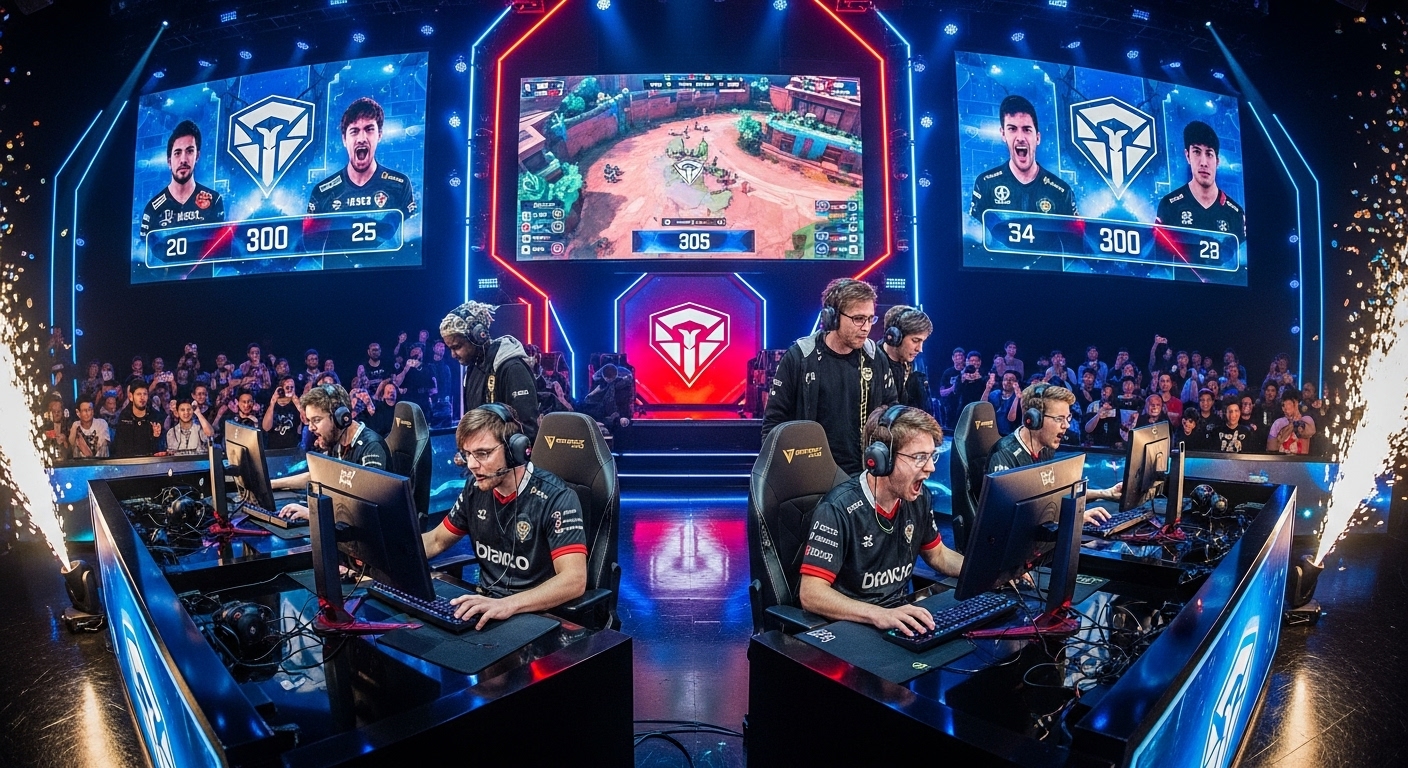
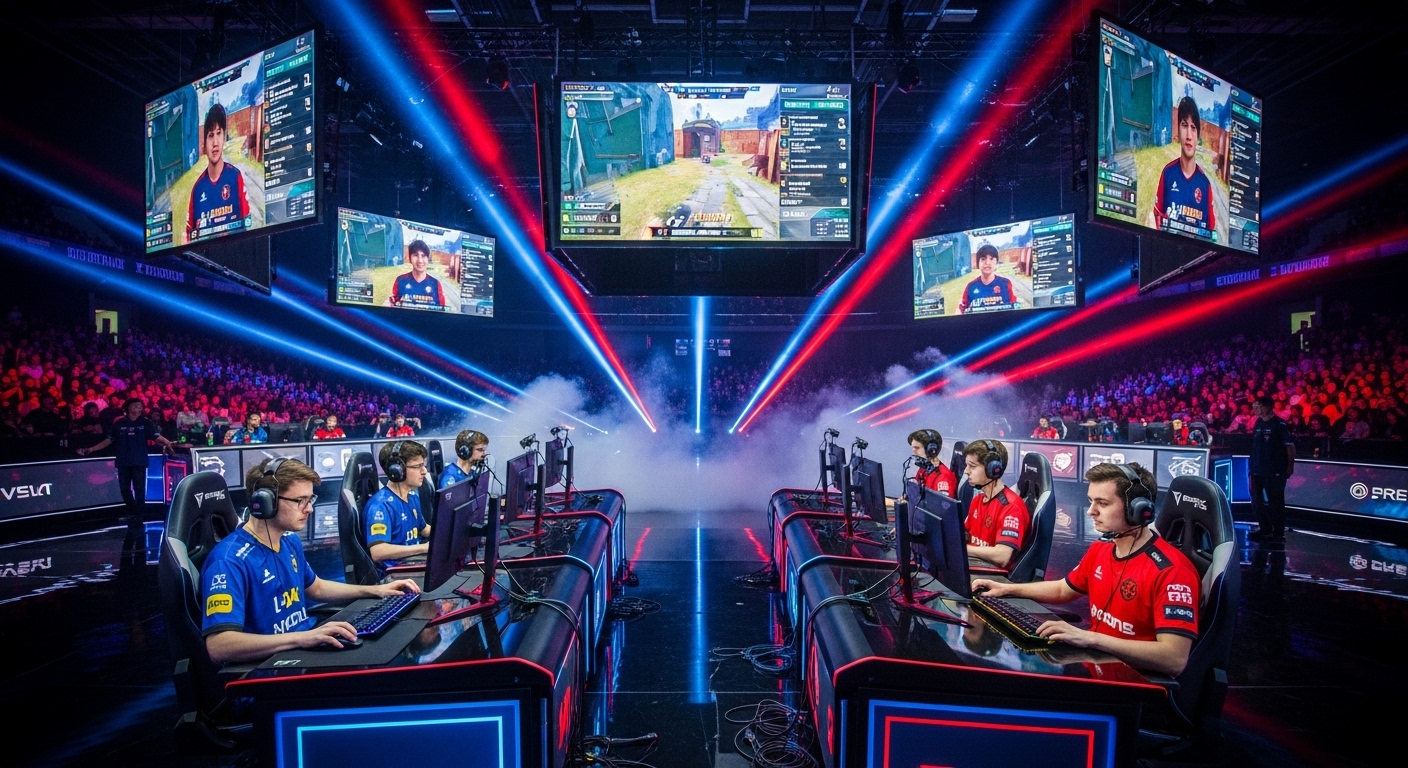
Before discussing the Olympics, it’s important to understand how esports reached its current level of global influence. What was once seen as a hobby for teenagers has transformed into a structured industry with professional leagues, sponsorships, and sold-out arenas.
Games like League of Legends, Counter-Strike: Global Offensive, Dota 2, and Overwatch attract millions of viewers. Major tournaments offer prize pools worth tens of millions of dollars, sometimes even exceeding those of traditional sporting events.
Esports organizations now operate much like sports clubs. They recruit talent, provide training facilities, and have coaches, analysts, and nutritionists. Many universities offer esports scholarships, treating gaming talent similarly to football or basketball.
This meteoric rise has given esports legitimacy as a form of professional competition. The scale of viewership, participation, and revenue has made it difficult to dismiss esports as “just games.”
The Olympics: Tradition and Evolution
The Olympics are more than just a sporting event; they’re a global cultural phenomenon. Rooted in ancient Greece, the modern Olympic Games celebrate human achievement, unity, and competition.
But the Olympics have not remained static. Over time, new sports have been added, and some old ones phased out. Snowboarding, skateboarding, and surfing were once considered fringe activities but are now celebrated Olympic events. Each inclusion was controversial at first, but these sports gradually proved their worth.
This evolution demonstrates the Olympics’ willingness to adapt. The key question is whether esports represent the next step in that evolution or if they are fundamentally incompatible with Olympic ideals.
The Case for Esports in the Olympics
1. Popularity and Global Reach
Esports are arguably more global than many Olympic sports. While certain events like curling or water polo thrive mainly in specific regions, esports transcend geography. A player in South Korea can compete with someone in Europe or North America without leaving home.
The audience numbers are staggering. The League of Legends World Championship often surpasses viewership numbers for the NBA Finals or the Super Bowl. Bringing this audience into the Olympic fold could expand the Games’ reach, particularly among younger generations.
2. Skill and Training
Skeptics argue that esports lack the physicality of traditional sports. Yet, professional gamers train for hours daily, honing their reflexes, hand-eye coordination, strategic thinking, and teamwork.
The mental strain of esports is immense. Reaction times must be measured in milliseconds. Decisions made under pressure can alter the outcome of a match. This level of dedication and mastery mirrors what Olympic athletes endure.
3. Inclusivity
Esports can be more inclusive than traditional sports. Physical limitations that might prevent participation in running or swimming often do not affect esports. This levels the playing field and allows for broader participation.
Moreover, esports could open opportunities for countries with less access to expensive sporting infrastructure. A nation without Olympic-sized swimming pools or training facilities could still produce world-class gamers.
4. Evolution of Sports Definition
Sports are not solely about physical exertion. Archery, shooting, and chess (recognized as a sport by the International Olympic Committee, though not part of the Games) emphasize precision, focus, and mental strength. Esports fits into this framework as a test of skill, strategy, and mental resilience.
The Case Against Esports in the Olympics
1. The Question of Physicality
The most common critique is that esports lack the physical dimension central to Olympic competition. Running, jumping, lifting, and swimming showcase the body’s limits. Esports primarily test the mind and reflexes, leading many to argue they belong in a different category.
While chess is recognized as a sport, it is not an Olympic event for precisely this reason—it does not demonstrate physical athleticism. Esports may fall into the same dilemma.
2. Game Selection Challenges
Unlike traditional sports, esports are tied to commercial products. Each game is owned by a private company. This raises complications:
- Which games should be included?
- How do you avoid favoring one publisher?
- What if a game becomes outdated or unpopular in a few years?
The Olympics value stability, with sports like athletics and gymnastics enduring for centuries. Esports titles often fade within a decade, creating uncertainty.
3. Violence and Content Concerns
Many popular esports titles involve combat, shooting, or violence. The Olympic Games promote peace and unity, values that may conflict with the imagery of games like Counter-Strike or Call of Duty.
Choosing non-violent games like Rocket League or FIFA might solve this issue, but those games do not represent the full spectrum of esports. This selective inclusion could undermine authenticity.
4. Overshadowing Traditional Sports
Some critics worry that esports could overshadow smaller Olympic sports. Given their massive viewership, esports might draw attention away from events like fencing or weightlifting, which rely on the Olympic platform for visibility.
The Olympic Spirit: Does Esports Fit?
At its core, the Olympics celebrate excellence, fair play, and international unity. Do esports embody these values?
In many ways, yes. Esports tournaments bring together players from all over the world, competing at the highest level. Professional gamers commit to training regimens that rival Olympic athletes. Matches require discipline, strategy, and sportsmanship.
However, esports also face issues such as match-fixing, cheating through software, and toxic online behavior. These challenges, while not unique to gaming, raise concerns about whether esports are prepared to uphold Olympic standards.
Potential Pathways for Inclusion
If esports were to enter the Olympics, how might it happen? Several possibilities exist:
1. Exhibition Events
Esports could first appear as exhibition events, similar to how baseball and softball re-entered the Olympics. This would allow organizers to gauge audience reaction without making esports a permanent fixture.
2. Limited Selection of Titles
The International Olympic Committee (IOC) could carefully select a handful of games that align with Olympic values—non-violent, accessible, and globally popular. Sports simulation games like FIFA or NBA 2K might serve as starting points.
3. Esports-Specific Olympics
Another possibility is creating a separate Olympic-style event dedicated to esports, overseen by the IOC but independent of traditional Games. This would respect the unique nature of esports while giving them global recognition.
The Generational Divide
One reason esports in the Olympics is such a hot debate is the generational divide. Older audiences often see video games as entertainment rather than sport. Younger generations, who grew up watching Twitch streams and esports tournaments, view gaming as a legitimate competitive arena.
The Olympics, seeking to stay relevant to youth, has already embraced newer sports like skateboarding and breakdancing. Esports could be the ultimate bridge to younger audiences, ensuring the Games’ long-term cultural impact.
Lessons from Other Organizations
Other international sporting bodies have already experimented with esports. The Asian Games included esports as a demonstration event in 2018 and as a medal event in 2022. This shows that integration is possible and can attract significant attention.
Similarly, FIFA has heavily invested in virtual football tournaments, blending traditional sports and gaming. These examples provide models the Olympics could adapt.
Addressing the Challenges
For esports to be seriously considered for Olympic inclusion, several hurdles must be addressed:
- Governance: The esports ecosystem is fragmented, with different publishers controlling different games. A standardized governing body would be needed to ensure fair play and consistency.
- Anti-Cheating Measures: Robust systems must be in place to prevent hacking, cheating, or unfair advantages.
- Health and Safety: Just as athletes are monitored for doping, esports players would need oversight for issues like gaming addiction or unhealthy training practices.
- Cultural Acceptance: Public perception must evolve to see esports not as a hobby but as a discipline requiring skill and dedication.
A Middle Ground: Recognition Without Integration
Perhaps the solution lies not in making esports an official Olympic event but in recognizing them alongside the Games. The IOC could partner with major esports organizations, hosting parallel events that celebrate digital competition without altering the traditional structure of the Olympics.
This approach would honor the growing importance of esports while preserving the distinct identity of the Olympic Games.
The Future of Esports and the Olympics
As technology continues to reshape society, the definition of sport will inevitably evolve. Virtual reality, augmented reality, and interactive gaming could blur the lines between physical and digital competition.
In the future, esports might look very different from today’s keyboard-and-mouse setup. They may incorporate physical exertion, immersive environments, or hybrid formats that align more closely with traditional athletic standards.
If the Olympics want to remain the premier stage for global competition, they may need to embrace these changes sooner rather than later.
Conclusion
So, should esports be in the Olympics? The answer isn’t simple. On one hand, esports embody competition, skill, and global unity—values at the heart of the Olympic Games. On the other, challenges around physicality, governance, and content make integration complex.
What is clear is that esports are here to stay. Their influence on global culture, youth engagement, and professional competition cannot be ignored. Whether as an official Olympic event, a parallel competition, or a future evolution of sport, esports will continue to demand recognition.
The Olympics have always reflected the times. From ancient Greek athletics to modern skateboarding, the Games evolve with society. Esports may not yet be ready for full Olympic inclusion, but the debate itself signals their importance in our world.