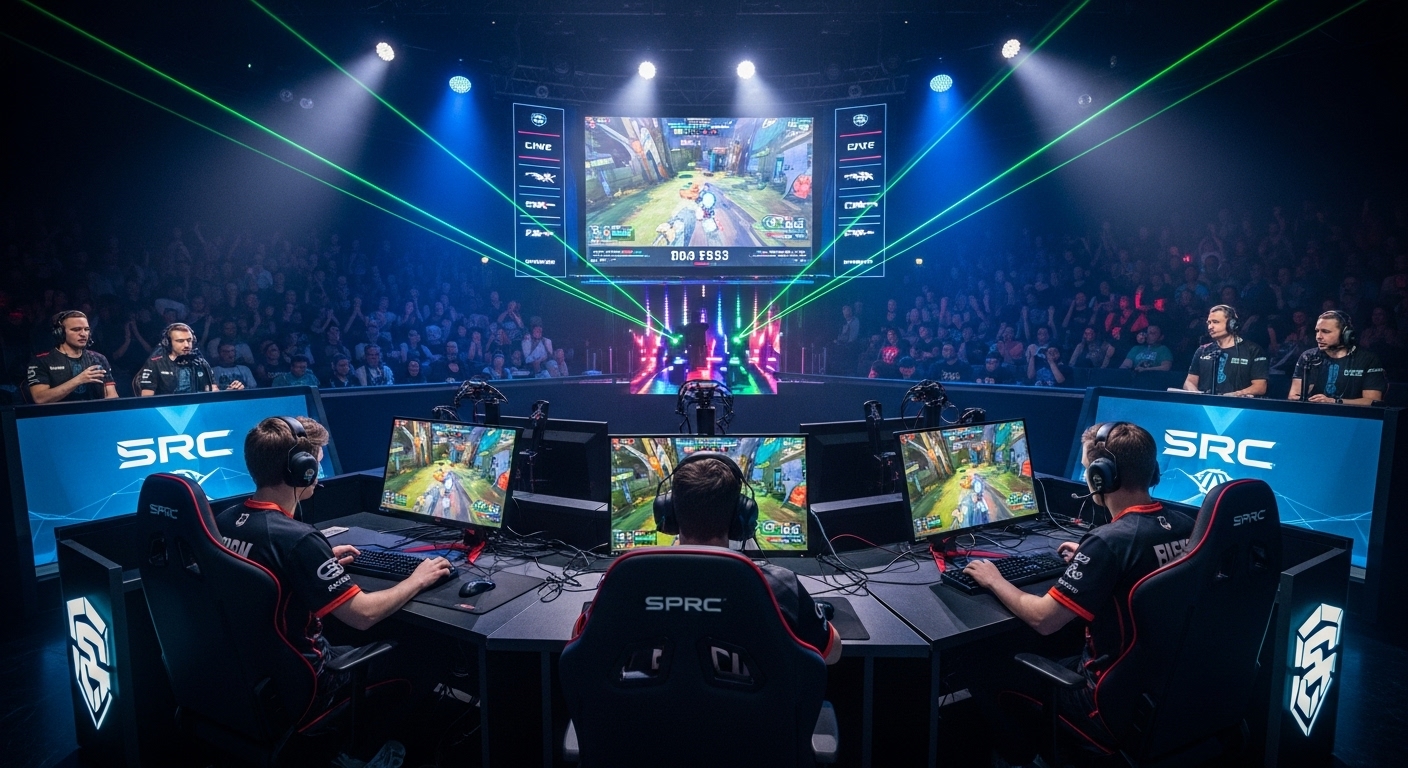
Over the past two decades, esports has gone from a niche hobby to a globally recognized and thriving industry. The growth of competitive gaming has been nothing short of phenomenal, transforming from casual LAN parties to sold-out arenas with multi-million-dollar prize pools. Today, esports offers players, coaches, analysts, streamers, and even event organizers the opportunity to build full-time careers, often rivaling traditional sports in terms of prestige and financial success.
But how did esports make this leap? What factors contributed to its evolution from an underground pastime to a legitimate, career-driven industry? In this blog post, we’ll explore the key factors that have enabled esports to become a full-time career for many individuals. From technological advancements to cultural shifts, we’ll break down how the esports industry evolved and what it takes to pursue a career in this fast-growing field.
The Early Days of Esports: Casual Gaming to Competitive Play
To understand how esports became a viable career path, we need to look back at its origins. Esports, in its earliest form, was largely a hobby shared among a small group of dedicated gamers. The first known competitive gaming event took place in 1972 with the Stanford University AI Laboratory’s Spacewar competition, where students competed for prizes. While this marked the beginning of competitive gaming, the early days of esports were marked by small, informal tournaments with little media coverage or financial backing.
As technology advanced through the 1990s and early 2000s, gaming competitions began to gain more attention. Games like StarCraft, Quake, and Warcraft became the first titles to introduce professional tournaments, but these events were still relatively small-scale. The early esports scene was often limited to dedicated fans and players who competed for pride or small cash prizes.
The turning point came when companies and sponsors started to realize the commercial potential of gaming. The first major tournament with substantial backing was the World Cyber Games (WCG), launched in 2000. With bigger sponsorships and larger prize pools, this event, along with others like the Cyberathlete Professional League (CPL), started laying the foundation for the professionalization of esports.
Rise of Streaming and Global Accessibility
One of the most significant catalysts in the rise of esports as a full-time career is the emergence of live streaming platforms. The introduction of Twitch in 2011, followed by YouTube Gaming and other platforms, brought competitive gaming to a global audience. These platforms allowed gamers to stream their gameplay live to anyone with an internet connection, creating an entirely new avenue for earning money and gaining recognition.
For professional players, streaming became an essential part of their career development. Not only could players continue to compete at a high level, but they could also build personal brands by engaging with their fanbase, all while earning revenue through advertisements, donations, and sponsorships. Streamers like Ninja (Tyler Blevins) and Shroud (Michael Grzesiek) helped pave the way, showing that it was possible to generate substantial income from streaming alone.
In addition to streaming, platforms like YouTube allowed for recorded content to be monetized, offering an additional revenue stream for gamers. With gaming content rapidly gaining popularity, content creators found themselves able to diversify their income sources, whether through sponsorship deals, merchandise sales, or fan donations.
The Explosion of Esports Tournaments and Sponsorships
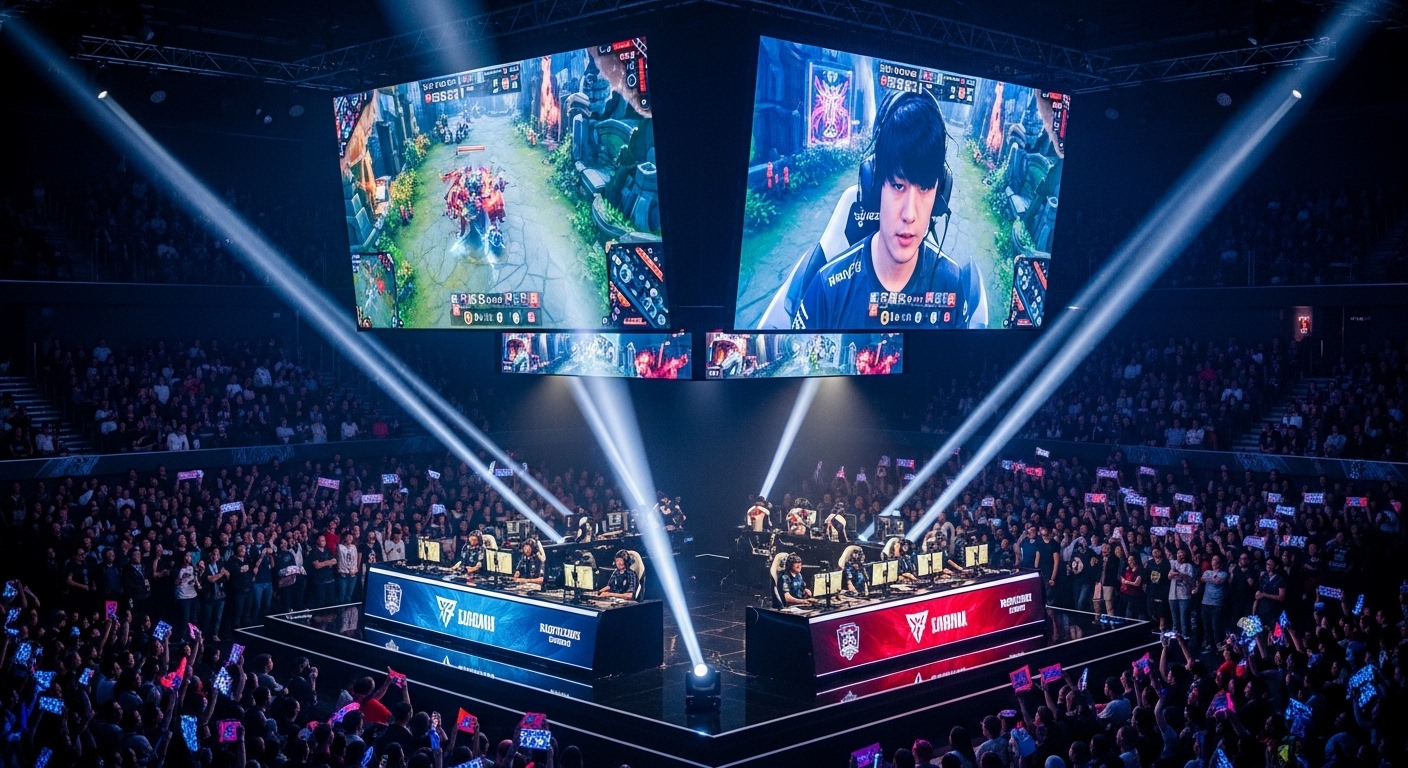
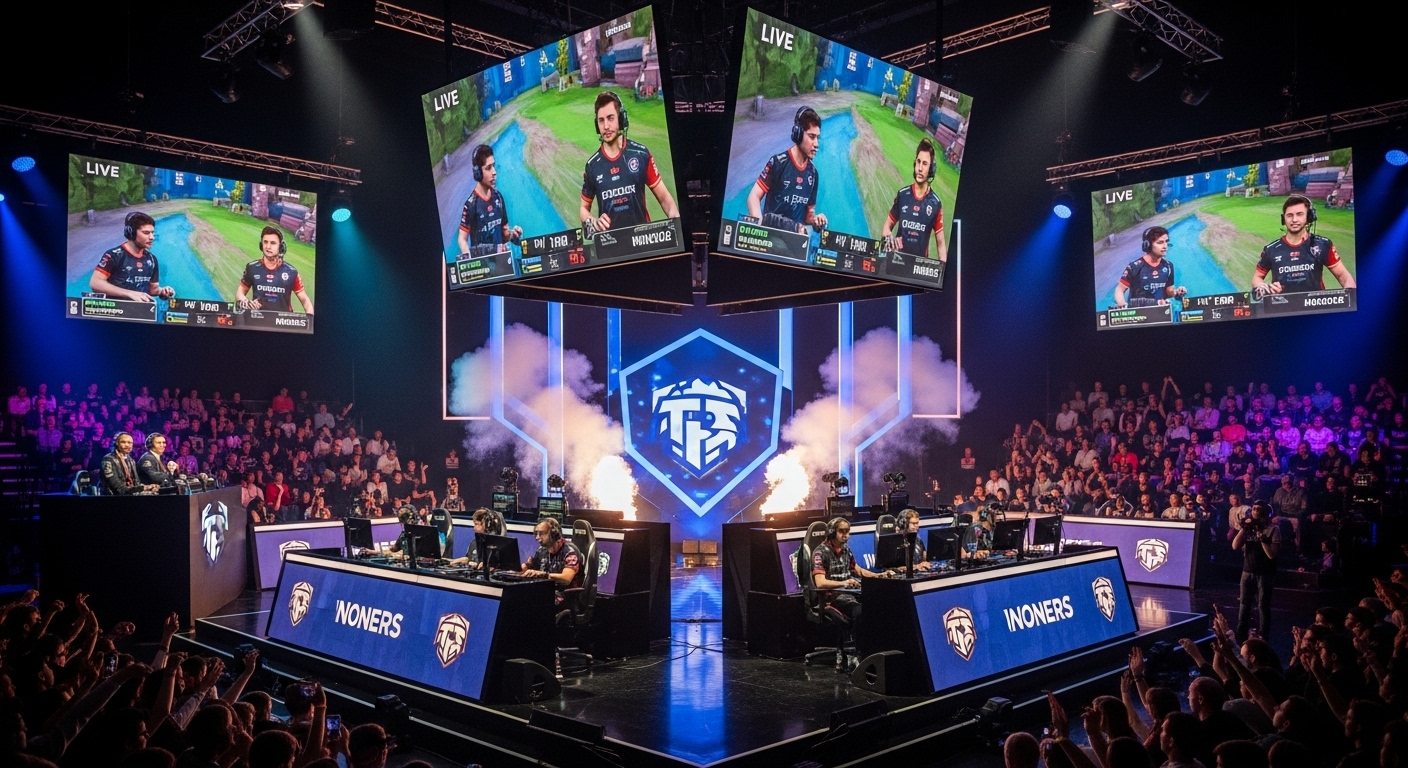
With the advent of live streaming, esports began to gain recognition beyond the gaming community. The growth of competitive gaming tournaments played a crucial role in making esports a legitimate career option. Major tournaments, including The International (for Dota 2), League of Legends World Championships, and Overwatch League, now feature multimillion-dollar prize pools, which draw attention from global audiences and top-tier sponsors.
Esports tournaments quickly became a major industry, attracting corporate sponsors from various industries such as energy drinks, apparel, electronics, and even traditional sports brands. This influx of sponsorship dollars allowed teams to invest in better equipment, coaching, and player development, further legitimizing esports as a career.
Moreover, the rise of franchised leagues like the Overwatch League and Call of Duty League mirrored traditional sports leagues, with team ownership, salaries, and long-term contracts becoming standard practice. In addition, streaming platforms like Twitch and YouTube also became major stakeholders in esports by hosting events, ensuring that tournaments were accessible to millions of fans worldwide. The combined effect of these sponsorships, increased viewership, and widespread media coverage elevated esports to a level where professional players, coaches, and organizers could sustain themselves financially.
Professionalization of the Esports Industry
As esports continued to grow, a number of structural changes occurred that allowed it to become a full-time career option for many individuals. Unlike in its early days, when players often had to balance full-time jobs with gaming, the modern esports scene supports a fully professional infrastructure. Here are some of the key professional aspects of esports that help facilitate full-time careers:
Player Salaries and Contracts
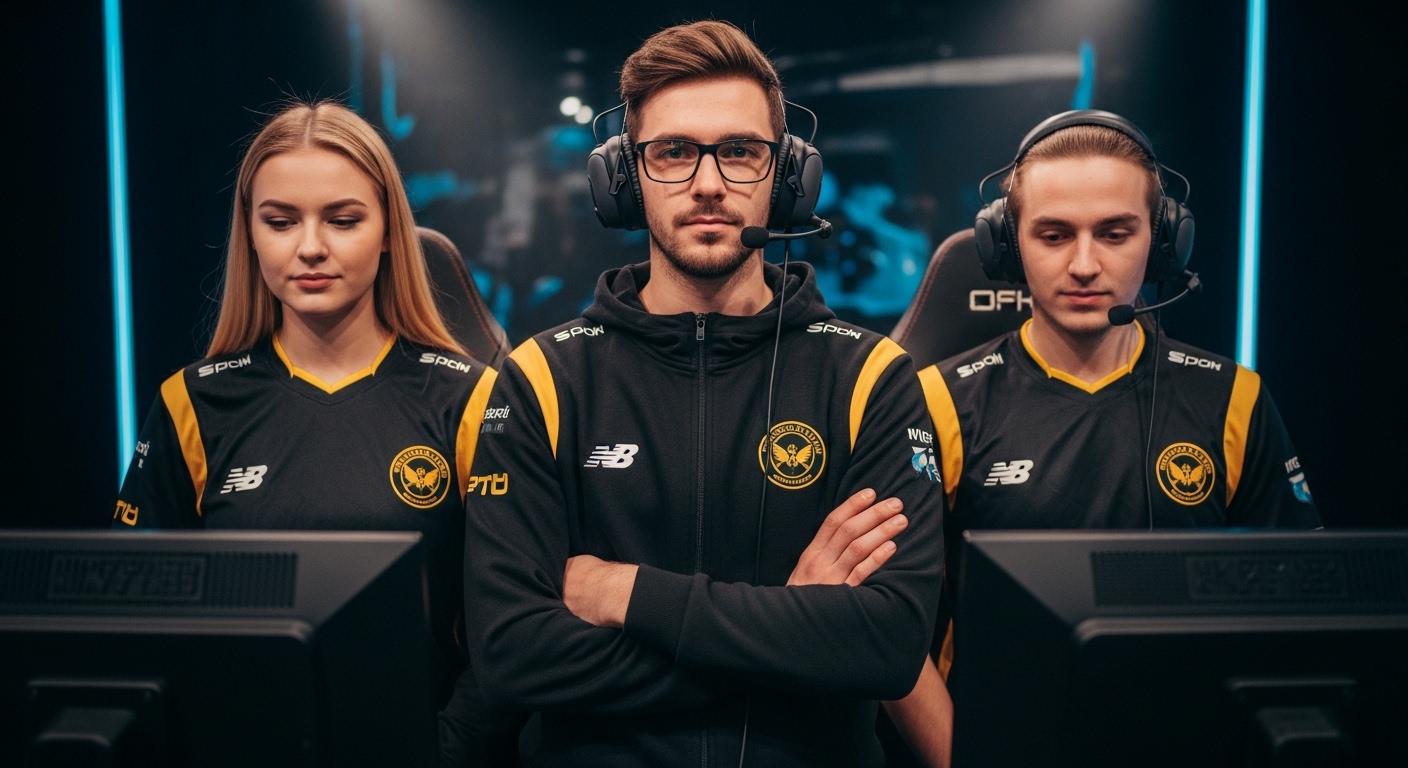
Gone are the days when competitive players were lucky to earn a few hundred dollars from winning a tournament. Today, many esports athletes earn six-figure salaries through tournament winnings, sponsorships, and streaming revenue. Teams like Cloud9, FaZe Clan, and Team Liquid employ players full-time, offering salaries and benefits on par with professional athletes in traditional sports. For the very best players, this can mean not just a job but a lucrative, long-term career.
Esports organizations often offer contracts with various clauses, including team stipends, sponsorship deals, and participation in international tournaments. These contracts have become more structured over the years, ensuring that players are financially supported and that their career paths are secure.
Coaching and Team Management
As esports continues to grow, teams have expanded to include coaches, analysts, strategists, and managers who play crucial roles in team success. The emergence of professional coaching staff has been essential to helping players develop their skills, refine strategies, and maintain a competitive edge. Many former pro players have transitioned into coaching roles, which have become a viable career path in their own right.
Team management, including the roles of general managers and operations staff, has also become increasingly professionalized. These individuals are responsible for the day-to-day logistics of running a team, managing sponsorship deals, and ensuring that players have the support they need to perform at their best.
Sponsorships, Streaming, and Merchandise
For many esports professionals, sponsorships remain one of the most significant sources of income. Major brands see the value in partnering with esports players, teams, and events because of the vast, engaged audience that esports attracts. Additionally, many esports professionals monetize their fanbase through streaming platforms like Twitch, where viewers can donate, subscribe, and support their favorite players directly.
Merchandise sales are another avenue through which players and teams generate revenue. High-profile players and teams often release limited-edition merchandise, such as jerseys, hats, and accessories, which are popular among fans. This has created a massive industry surrounding esports-related products, from apparel to gaming accessories and collectibles.
The Future of Esports Careers
Looking forward, esports is set to continue its growth, offering even more career opportunities for players, streamers, coaches, and other industry professionals. As technology advances and the gaming community becomes more connected, new career paths will likely emerge. Augmented reality (AR) and virtual reality (VR) could play a significant role in shaping the next generation of esports, while advancements in game development, streaming technology, and even AI-driven analysis will create new ways to engage audiences and create jobs.
The traditional sports world has already started recognizing esports as a legitimate and growing industry. For example, several sports teams and organizations have invested in esports, establishing teams in popular games like League of Legends and FIFA. This crossover has further legitimized esports as a career path and opened up opportunities for professional esports players to transition into other areas of the sports world, from content creation to broadcasting.
Furthermore, the expansion of esports into schools, universities, and even the Olympics is likely to increase interest in competitive gaming as a career path. College esports programs are already offering scholarships to top players, and we may see more esports academies and training centers emerge, providing the next generation of players with the skills they need to succeed.
Conclusion: A Thriving Career Path in Esports
Esports has come a long way from its humble beginnings, and today, it represents a legitimate career path for many individuals. Whether you’re a player, coach, analyst, streamer, or event organizer, the opportunities in esports are vast and varied. With an ever-expanding fanbase, a multi-billion-dollar industry, and the continued growth of sponsorships and tournament structures, esports is a career option that’s here to stay.
If you’re passionate about gaming and have the skills to back it up, the esports industry is one where you can turn your hobby into a full-time profession. And as the industry continues to evolve, the future of esports careers looks even brighter. Whether you’re aiming to be the next world champion or looking to make your mark behind the scenes, the esports world offers endless possibilities for growth, success, and fulfillment.