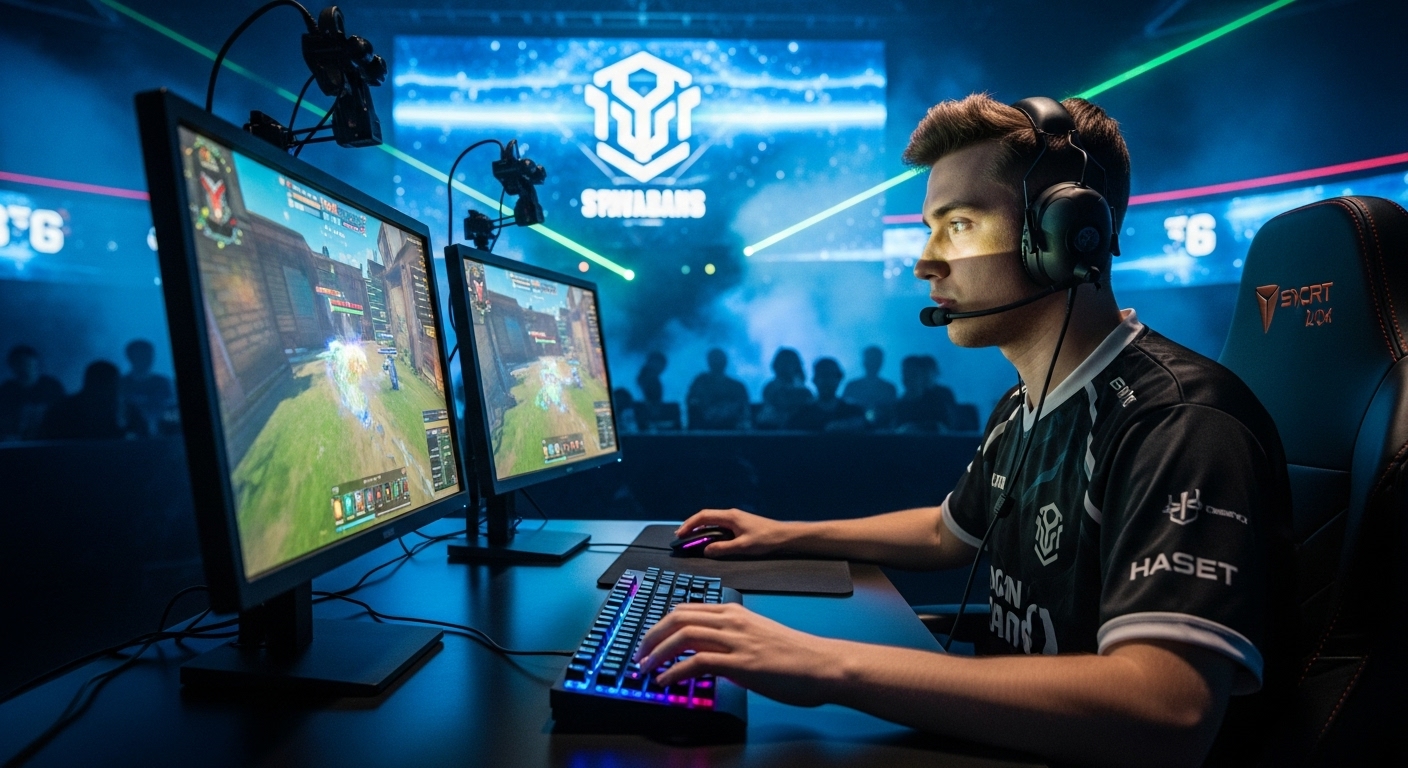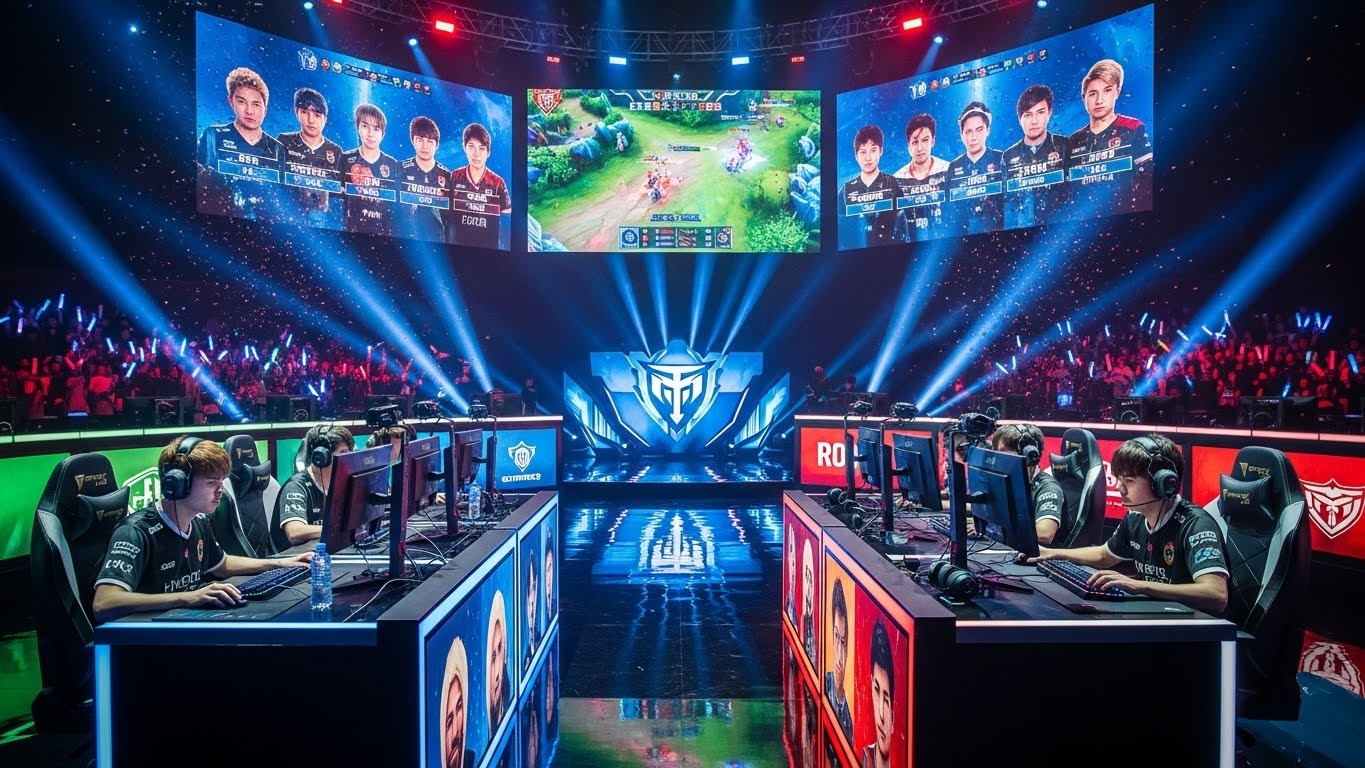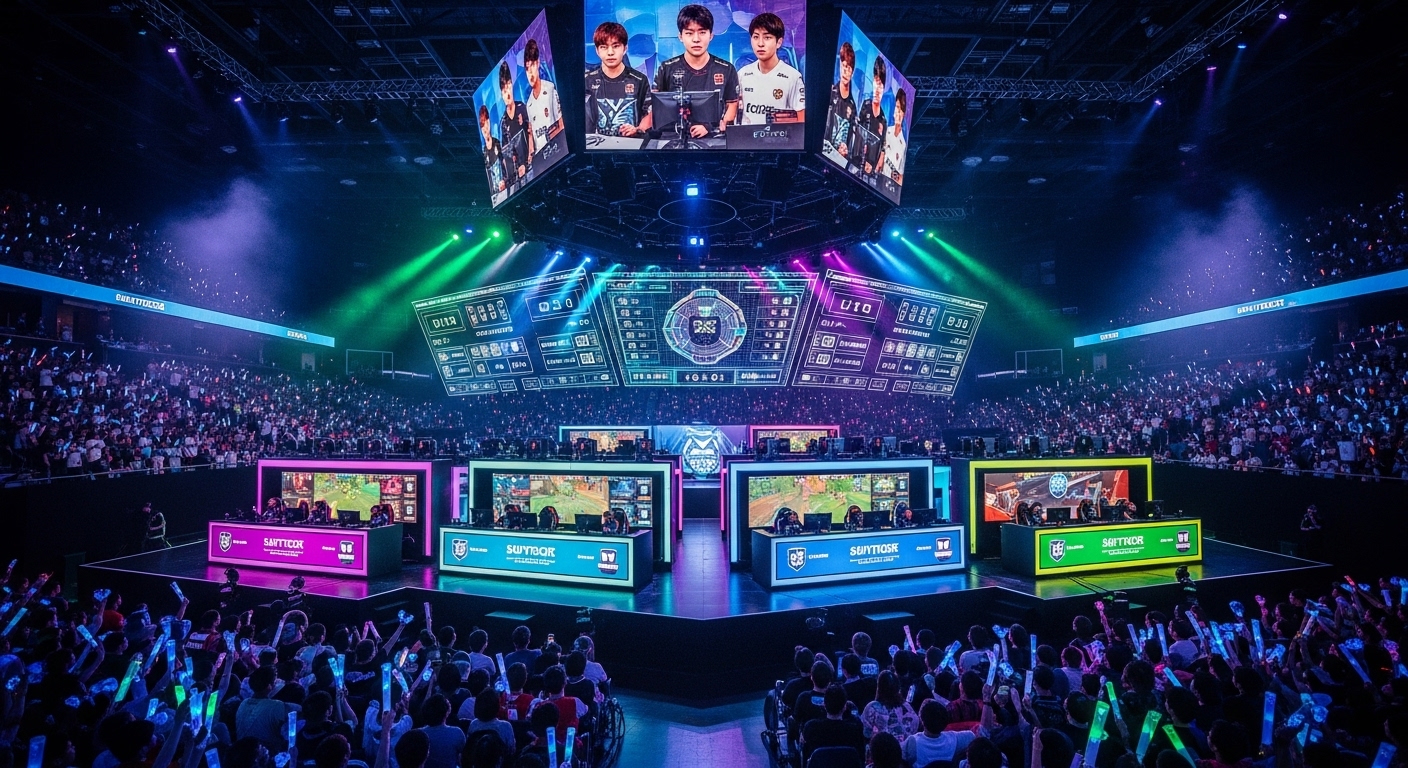
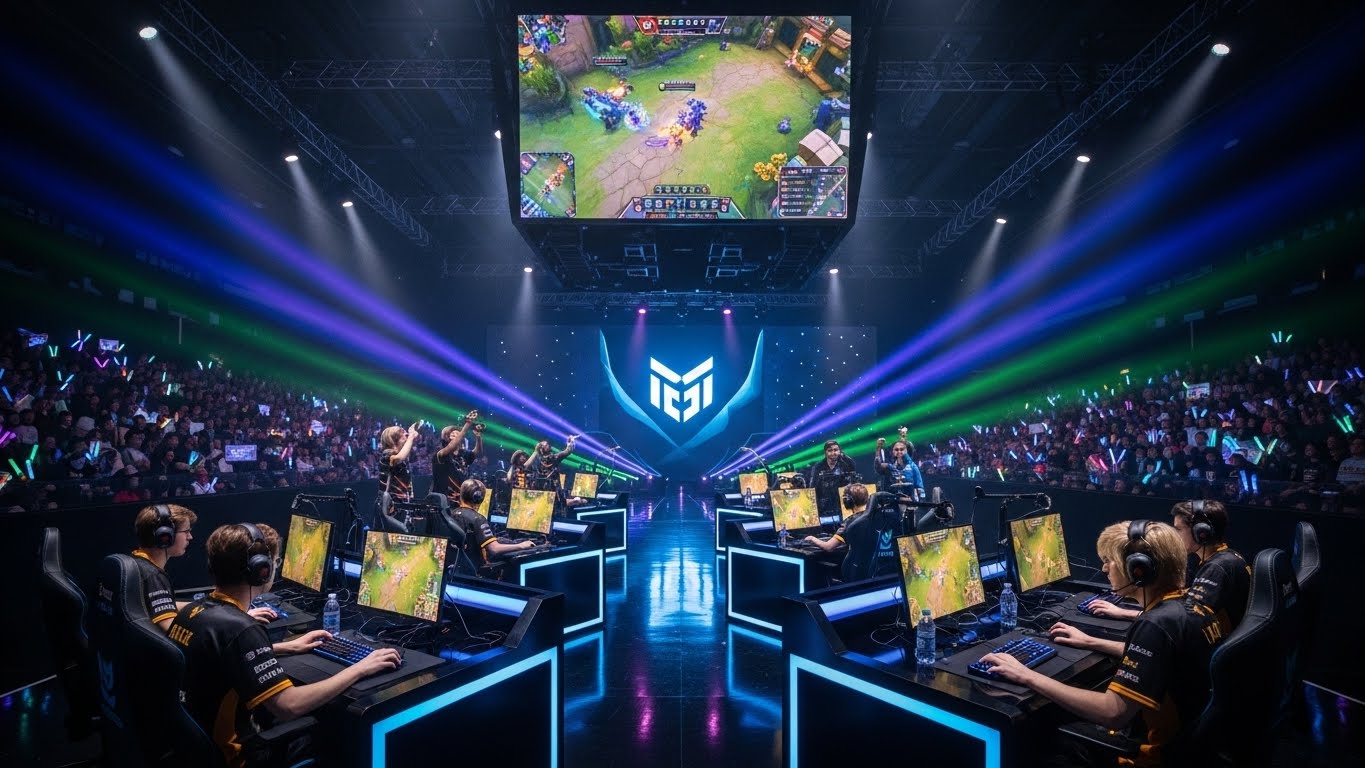
Esports, or competitive gaming, has grown from a niche hobby into a global phenomenon that captivates millions of players and fans worldwide. Once considered a pastime for enthusiasts, esports has transformed into a professional industry with organized leagues, international tournaments, celebrity endorsements, and massive prize pools. The evolution of esports has challenged traditional perceptions of sports and entertainment, creating opportunities for careers, community engagement, and technological innovation. This blog explores the growth of esports, its cultural and economic impact, the benefits and challenges it brings, and what the future holds for this rapidly expanding field.
The Evolution of Esports
The roots of esports can be traced back to the late 1970s and 1980s, when arcade gaming competitions became popular in the United States and Japan. Titles like “Space Invaders” and “Pac-Man” inspired early tournaments where players competed for recognition and prizes. The 1990s saw the rise of PC and console gaming, with games like “Street Fighter II,” “Warcraft III,” and “StarCraft” establishing the foundations for professional gaming. These competitions emphasized skill, strategy, and teamwork, paving the way for the professional esports ecosystem we know today.
The proliferation of high-speed internet in the 2000s revolutionized esports by enabling online multiplayer competitions. Players from different countries could now compete in real time, creating global rivalries and communities. Games like “Counter-Strike,” “Dota 2,” and “League of Legends” became international phenomena, attracting millions of players and spectators. Today, esports tournaments fill stadiums, broadcast live to audiences worldwide, and feature prize pools worth millions of dollars.
Esports as a Professional Career
Esports is no longer just a hobby—it is a viable career path for talented players. Professional gamers train rigorously, often dedicating six to twelve hours a day to practice, strategy analysis, and teamwork. Teams operate similarly to traditional sports organizations, employing coaches, analysts, and managers to optimize performance.
Top esports players can earn significant incomes from tournament winnings, salaries, sponsorships, and streaming content. Popular players become global icons, influencing trends and inspiring new generations of gamers. Additionally, the rise of streaming platforms allows players and content creators to connect with fans, provide tutorials, and offer entertainment, further expanding their professional opportunities. This professionalization has legitimized esports as a respected industry with real career potential.
Cultural Impact of Esports
Esports has become a cultural phenomenon, transcending geographic, linguistic, and social barriers. Gaming communities thrive online, connecting players and fans through shared experiences, strategies, and discussions. These communities foster a sense of belonging and identity, often creating lifelong friendships and collaborative networks.
Esports also challenges traditional ideas of sports and athleticism. It requires quick reflexes, strategic thinking, teamwork, and mental focus. The dedication of professional gamers rivals that of traditional athletes, highlighting that physical exertion is not the only measure of skill and achievement. Esports has created a new cultural identity where digital skill, creativity, and strategy are celebrated and respected.
Cognitive and Mental Benefits
Competitive gaming offers numerous cognitive and mental benefits. Esports improves problem-solving skills, hand-eye coordination, memory, and decision-making under pressure. Players must analyze fast-changing scenarios, anticipate opponents’ moves, and execute strategies quickly.
Beyond cognitive development, esports teaches mental resilience. Players learn to handle setbacks, adapt to unexpected challenges, and maintain focus during high-pressure situations. Team-based games encourage collaboration, communication, and leadership skills. These attributes not only enhance gameplay but also translate into personal and professional development, proving that esports contributes to more than just entertainment.
Physical Health in Esports
While esports is primarily a sedentary activity, physical health plays a crucial role in maintaining peak performance. Prolonged gaming can cause eye strain, back pain, and repetitive stress injuries. Recognizing this, professional teams now incorporate physical fitness routines, ergonomic setups, and wellness programs into players’ schedules.
Proper sleep, nutrition, and regular exercise are vital for maintaining both mental sharpness and physical endurance. By integrating health-conscious practices, esports athletes can sustain long careers, improve focus, and reduce the risk of burnout. The emphasis on wellness underscores the evolving understanding of esports as a discipline requiring both mental and physical balance.
The Economic Influence of Esports
Esports has grown into a multi-billion-dollar industry with far-reaching economic impact. Tournament prize pools, sponsorship deals, merchandise, and streaming revenue generate substantial income for players, teams, and organizations. Major tournaments attract thousands of spectators and millions of online viewers, boosting local economies through tourism, hospitality, and event management.
The industry also creates employment opportunities in coaching, event production, broadcasting, marketing, content creation, and technology development. Sponsors and brands invest heavily in esports due to its influence on younger demographics, recognizing its potential for engagement and brand visibility. The growth of esports demonstrates its capacity to drive economic activity and innovation on a global scale.
Technology and Esports
Technological advancements have fueled esports’ growth. High-performance computers, gaming consoles, and peripherals enhance player performance and gameplay quality. High-speed internet allows seamless online competitions, while streaming platforms enable millions of fans to watch live matches and interact with players.
Emerging technologies like virtual reality, augmented reality, and artificial intelligence are reshaping esports. VR and AR can create immersive tournaments, offering new experiences for players and spectators. AI analytics help teams refine strategies and optimize performance. Technology continues to expand esports’ boundaries, making it an industry that evolves with innovation.
Challenges in Esports
Despite its growth, esports faces several challenges. Intense training schedules and high-pressure competition can lead to mental health issues and burnout. Maintaining a balance between professional demands and personal well-being is critical for players’ long-term careers.
Inclusivity remains a concern. Women, minority groups, and players with disabilities are underrepresented in professional esports. Efforts are underway to create fair opportunities, reduce harassment, and encourage diverse participation. Additionally, cheating, hacking, and unethical practices threaten competitive integrity. Addressing these challenges is essential for sustaining esports as a credible and respected industry.
The Future of Esports
The future of esports is full of possibilities. As technology advances, esports experiences will become more immersive, interactive, and accessible. Cloud gaming may allow broader participation, while virtual and augmented reality tournaments could redefine gameplay and spectating. Educational institutions are increasingly integrating esports into programs, offering scholarships, research opportunities, and academic support for competitive gamers.
Esports also has the potential to influence social causes, promote mental health awareness, and foster inclusivity. Professional players and organizations are increasingly using their platforms to advocate for positive change. With continued innovation and investment, esports is poised to expand further, shaping culture, education, and entertainment in unprecedented ways.
Personal Growth Through Esports
Esports offers unique opportunities for personal growth. Players develop skills such as time management, strategic planning, adaptability, and perseverance. The competitive environment encourages creativity, as players devise innovative strategies and experiment with gameplay styles.
Esports also promotes social connections and community engagement. Online and offline interactions with teammates, fans, and fellow gamers create a sense of belonging and shared purpose. These social benefits enhance mental well-being and reinforce esports as more than just a form of entertainment.
Societal Impact of Esports
Esports reflects broader societal trends, including digital engagement, global connectivity, and the rise of online communities. It challenges traditional ideas of sports, skill, and achievement, proving that competition and mastery are not limited to physical arenas.
Esports also influences fashion, media, and pop culture. Professional players become role models, influencing trends and inspiring young audiences. Tournaments attract massive viewership, rivaling traditional sports events in scale and engagement. The cultural significance of esports continues to grow, establishing it as a central component of modern entertainment and social interaction.
Conclusion: Esports as a Global Force
Esports has evolved from a small, niche activity into a global industry that blends competition, technology, culture, and entertainment. It has created professional opportunities, fostered vibrant communities, and challenged conventional perceptions of sports and skill. While the industry faces challenges related to health, inclusivity, and integrity, its growth trajectory demonstrates immense potential.
Esports represents more than just digital gameplay—it is a transformative movement that inspires personal development, social engagement, and economic growth. As technology and culture continue to evolve, esports will remain a powerful force that shapes how we compete, connect, and experience entertainment around the world. Its impact goes beyond screens and consoles, proving that the game has only just begun.