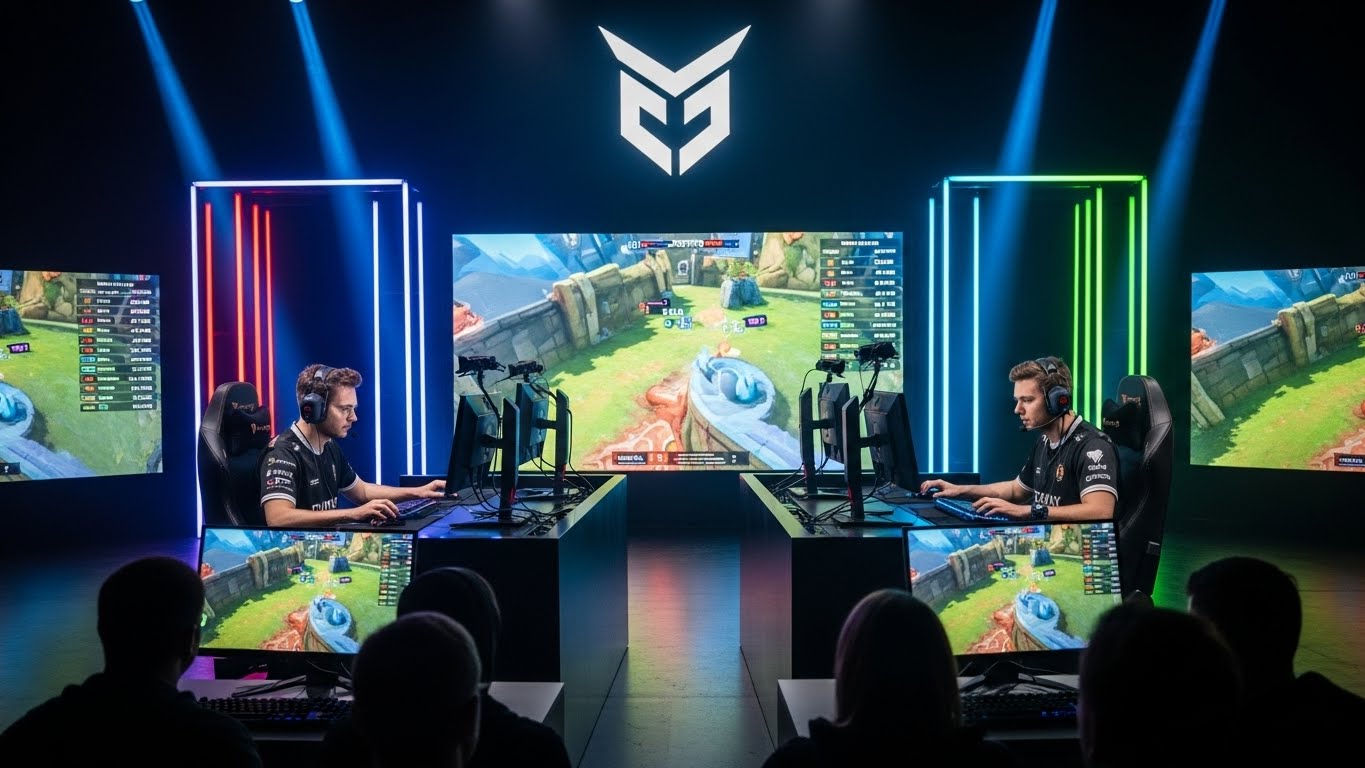
In the last decade, the world of entertainment has undergone a remarkable transformation. Traditional sports like football, basketball, and tennis have long dominated the global stage, but a new contender has emerged, one that thrives in virtual arenas rather than physical fields. Esports, short for electronic sports, has rapidly evolved from niche online competitions to a multi-billion-dollar industry, captivating millions of viewers and participants worldwide. This blog explores the rise of esports, its impact on culture and society, and why it is more than just playing video games.
The Origins of Esports
Esports did not appear overnight. Its roots trace back to the early days of competitive video gaming in the 1970s and 1980s. The first notable competitions involved arcade games like Space Invaders and Pac-Man, drawing small crowds of enthusiastic gamers eager to showcase their skills. The 1990s introduced a new era with the advent of networked multiplayer games, particularly with titles such as Quake and StarCraft. These games allowed players to compete across the globe, marking the beginning of modern esports.
During this period, gaming tournaments began to gain attention, especially in countries like South Korea, where competitive gaming was taken seriously at both amateur and professional levels. South Korea became a model for esports culture, establishing dedicated gaming centers called PC bangs and supporting professional teams, which led to the country becoming the epicenter of competitive gaming.
The Global Expansion of Esports
The 2000s witnessed a significant expansion of esports beyond niche communities. The launch of online platforms like Twitch and YouTube Gaming revolutionized how fans consumed content, transforming gaming from a solitary hobby into a spectator sport. These platforms allowed players to stream their gameplay to a global audience, creating an entirely new industry of professional content creators and esports celebrities.
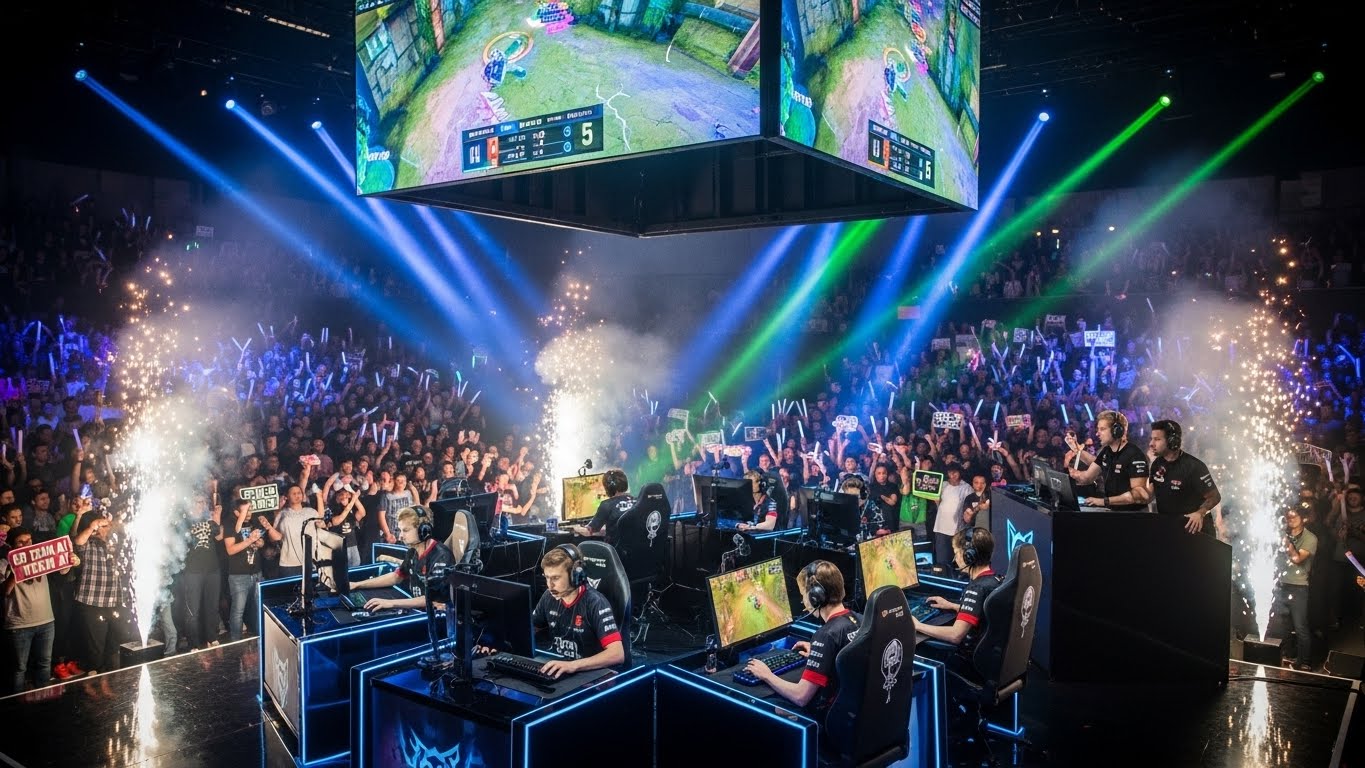
Major tournaments began attracting international attention, with prize pools rivaling traditional sports. Games like League of Legends, Dota 2, and Counter-Strike: Global Offensive became household names among gaming enthusiasts. The introduction of franchised leagues and structured competitive systems further legitimized esports, bringing it closer to mainstream recognition.
The Structure of Esports Competitions
Unlike traditional sports, esports competitions are highly versatile, spanning multiple genres and formats. Competitive gaming is divided into several categories: first-person shooters, real-time strategy, multiplayer online battle arenas, and sports simulation games. Each category demands unique skills, from strategic thinking and teamwork to fast reflexes and precise execution.
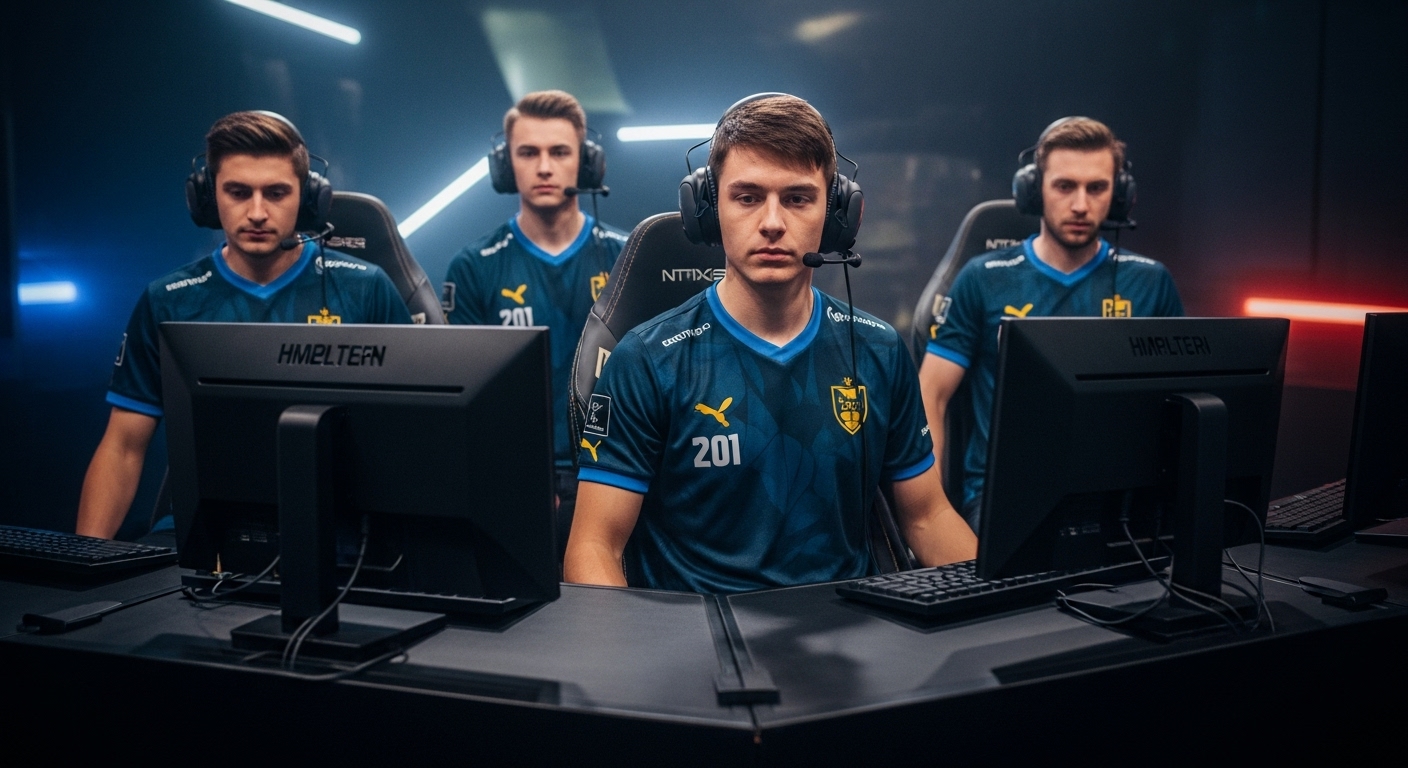
Professional esports tournaments often resemble traditional sports leagues, with regular seasons, playoffs, and championships. Players form teams, sign contracts, and train rigorously under coaches and analysts. The commitment to excellence mirrors that of traditional athletes, dispelling the stereotype that esports is merely casual entertainment.
The Rise of Esports Celebrities
One of the most fascinating aspects of esports is the rise of professional players as global celebrities. Unlike actors or traditional athletes, esports players gain recognition through their skill, personality, and interaction with fans online. Influential players often command large social media followings, sponsorship deals, and even media appearances, making them icons within the gaming community.
These esports celebrities play a pivotal role in shaping the industry. They inspire aspiring players, attract new audiences, and contribute to the growing legitimacy of competitive gaming. The stories of underdog teams achieving unexpected victories or players mastering a game against all odds resonate with fans in ways similar to traditional sports legends.
Economic Impact of Esports
The esports industry has grown into a lucrative economic powerhouse. Revenue streams include sponsorships, advertising, merchandise, tournament prize money, and streaming platform subscriptions. Major corporations recognize the marketing potential of esports, investing heavily in teams, events, and content creation. The industry now generates billions of dollars annually and continues to expand at an unprecedented rate.
Esports also fosters job creation across diverse roles. Beyond players, the ecosystem requires managers, coaches, analysts, content creators, event organizers, and marketing professionals. Universities and institutions have even begun offering esports programs and scholarships, acknowledging its educational and career potential.
Cultural Influence and Social Dynamics
Esports is more than a competitive arena; it is a cultural phenomenon that shapes social interactions and online communities. Gaming has become a platform for socialization, bridging geographical boundaries and connecting people with shared interests. Communities form around specific games, events, or personalities, creating a sense of belonging and identity for fans worldwide.
Moreover, esports challenges traditional perceptions of sports and entertainment. It blurs the lines between physical and digital competition, illustrating how human skill and strategic thinking manifest in virtual environments. The rise of esports also highlights changing attitudes toward gaming, with parents, educators, and society increasingly recognizing its legitimacy as a profession and cultural force.
Esports and Technology
The growth of esports is intricately linked to advancements in technology. High-speed internet, powerful gaming hardware, and streaming platforms have made global competitions possible. Game developers continuously innovate, releasing titles designed specifically for competitive play and spectator engagement. Features like live stats, instant replays, and spectator-friendly interfaces enhance the viewing experience, making esports accessible to both enthusiasts and casual viewers.
Virtual reality and augmented reality are emerging as potential game-changers for esports. These technologies promise to create immersive competitive experiences that redefine the boundaries of gaming. As technology evolves, esports will continue to push the limits of what digital competition can achieve.
Challenges Facing the Esports Industry
Despite its meteoric rise, esports faces several challenges. Sustainability is a key concern, as players often experience burnout due to rigorous training schedules and high-stress competition. Regulatory issues also pose challenges, including age restrictions, contracts, and gambling concerns surrounding esports betting.
Additionally, gender diversity remains a significant issue. While women are increasingly participating in competitive gaming, the industry continues to grapple with inclusivity and representation. Addressing these challenges is crucial for ensuring long-term growth and maintaining the credibility of esports as a professional arena.
The Future of Esports
Looking ahead, esports shows no signs of slowing down. Analysts predict continued growth in audience size, revenue, and mainstream acceptance. Esports may soon rival traditional sports in global popularity, with international competitions drawing millions of live viewers. The integration of esports into educational programs, professional careers, and media content further solidifies its position in modern culture.
As technology and gaming evolve, esports will likely diversify into new formats and experiences. Virtual reality competitions, AI-driven game analysis, and global collaborative tournaments could redefine how people engage with gaming. What remains certain is that esports is no longer a niche hobby—it is a dynamic, evolving industry shaping the future of entertainment and competition.
Conclusion
Esports has transformed the landscape of entertainment, merging technology, skill, and community into a global phenomenon. From humble beginnings in arcades to multi-million-dollar tournaments streamed to millions of viewers, esports represents a new era of competitive play. It challenges traditional notions of sports, fosters cultural connections, and offers vast economic opportunities. For players, fans, and industry professionals alike, esports is more than a game—it is a testament to human creativity, dedication, and the limitless potential of the digital age.