Introduction: The Rise of Esports
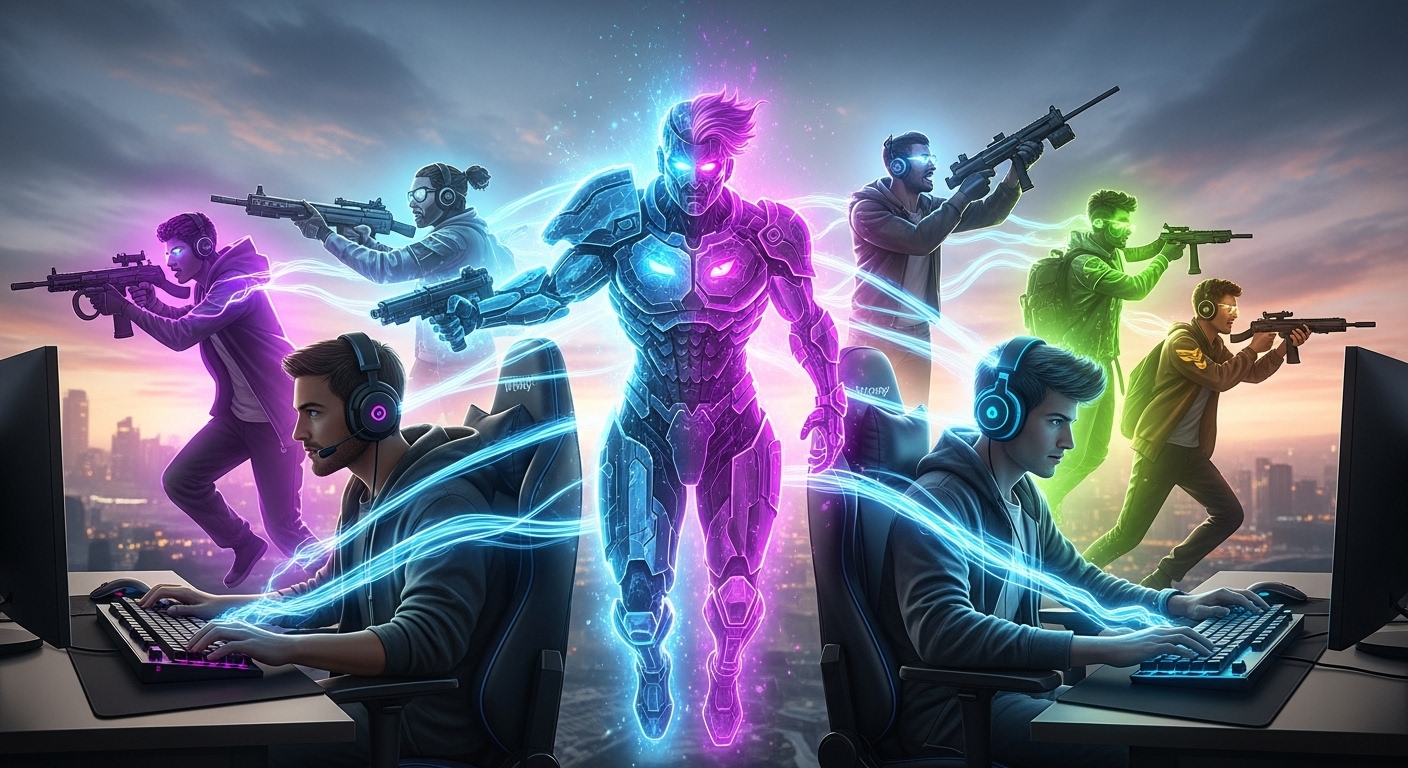
Esports, short for electronic sports, has evolved from casual gaming into a global phenomenon that attracts millions of players and spectators worldwide. Once considered a niche hobby, esports now rivals traditional sports in popularity, viewership, and economic impact. It is no longer limited to playing video games at home; it has transformed into a professional arena with organized leagues, international tournaments, sponsorship deals, and career opportunities.
In this blog, we explore the history of esports, the major types of games that dominate the competitive scene, technological innovations shaping the industry, its social and cultural impact, economic significance, challenges, and future trends.
The History of Esports
Competitive gaming dates back to the 1970s and 1980s with arcade competitions and high-score contests. Games like Pong and Space Invaders introduced the concept of rivalry, while local tournaments created communities around competitive play.
The 1990s marked a turning point with the advent of online multiplayer games. Titles such as StarCraft, Quake, and Counter-Strike allowed players to compete globally. With the rise of high-speed internet, gaming competitions became increasingly organized and professional. By the 2000s, esports tournaments with prize pools, professional teams, and sponsorships became the foundation of what the industry is today.
Types of Esports Games
Esports encompasses a variety of game genres, each requiring unique skills and strategies.
First-Person Shooters (FPS)
FPS games like Counter-Strike: Global Offensive, Call of Duty, and Valorant emphasize precision, quick reflexes, and team coordination. These games require players to make split-second decisions and strategize collaboratively, making them a staple of competitive esports tournaments worldwide.
Multiplayer Online Battle Arenas (MOBA)
MOBA games such as League of Legends and Dota 2 focus on teamwork, strategy, and role specialization. Players work together to defeat the opposing team by capturing objectives and managing resources. MOBAs are among the most popular esports genres, attracting millions of players and fans.
Sports Simulation Games
Games like FIFA, NBA 2K, and Madden NFL simulate real-world sports and combine digital skills with knowledge of actual gameplay. These titles appeal to both gamers and sports enthusiasts, creating a competitive environment similar to professional sports leagues.
Battle Royale Games
Battle royale titles, including Fortnite, PUBG, and Apex Legends, require survival skills, strategic decision-making, and adaptability. Players compete in large-scale environments where the last individual or team standing wins, offering high-stakes, unpredictable competition.
Fighting Games
Fighting games such as Street Fighter, Tekken, and Super Smash Bros. focus on one-on-one competition, testing reflexes, timing, and mastery of character-specific abilities. Fighting games emphasize individual skill, making them enduringly popular in esports.
Technological Innovations Shaping Esports
Technology has played a critical role in the rise of esports, influencing gameplay, audience engagement, and global accessibility.
High-Performance Hardware
Professional esports players rely on advanced gaming hardware, including high-end computers, consoles, monitors, and peripherals. Precision, low latency, and smooth performance are essential for competitive play, ensuring that players can perform at their best.
Streaming and Broadcasting Technology
Streaming platforms have transformed esports into a spectator-driven industry. Millions of viewers can watch live tournaments, interact with commentators, and follow favorite players in real time. Streaming has also created new career opportunities for players as content creators.
Artificial Intelligence and Analytics
AI and data analytics are used by teams to monitor performance, develop strategies, and optimize training. Analytics provide insights into player behavior, team coordination, and opponent tendencies, adding a scientific approach to competition.
Virtual Reality and Immersive Gaming
VR technology has the potential to redefine esports by creating fully immersive experiences for both players and spectators. Virtual arenas can enhance gameplay depth and bring audiences closer to the action in interactive ways.
Cloud Gaming
Cloud gaming allows high-quality esports experiences without the need for powerful local hardware. Players can stream games directly from servers, increasing accessibility and expanding the potential player base.
The Professionalization of Esports
Esports has become a structured professional field. Teams have coaches, analysts, psychologists, and nutritionists to optimize player performance. Training routines resemble those of traditional athletes, focusing on strategy, coordination, and mental resilience.
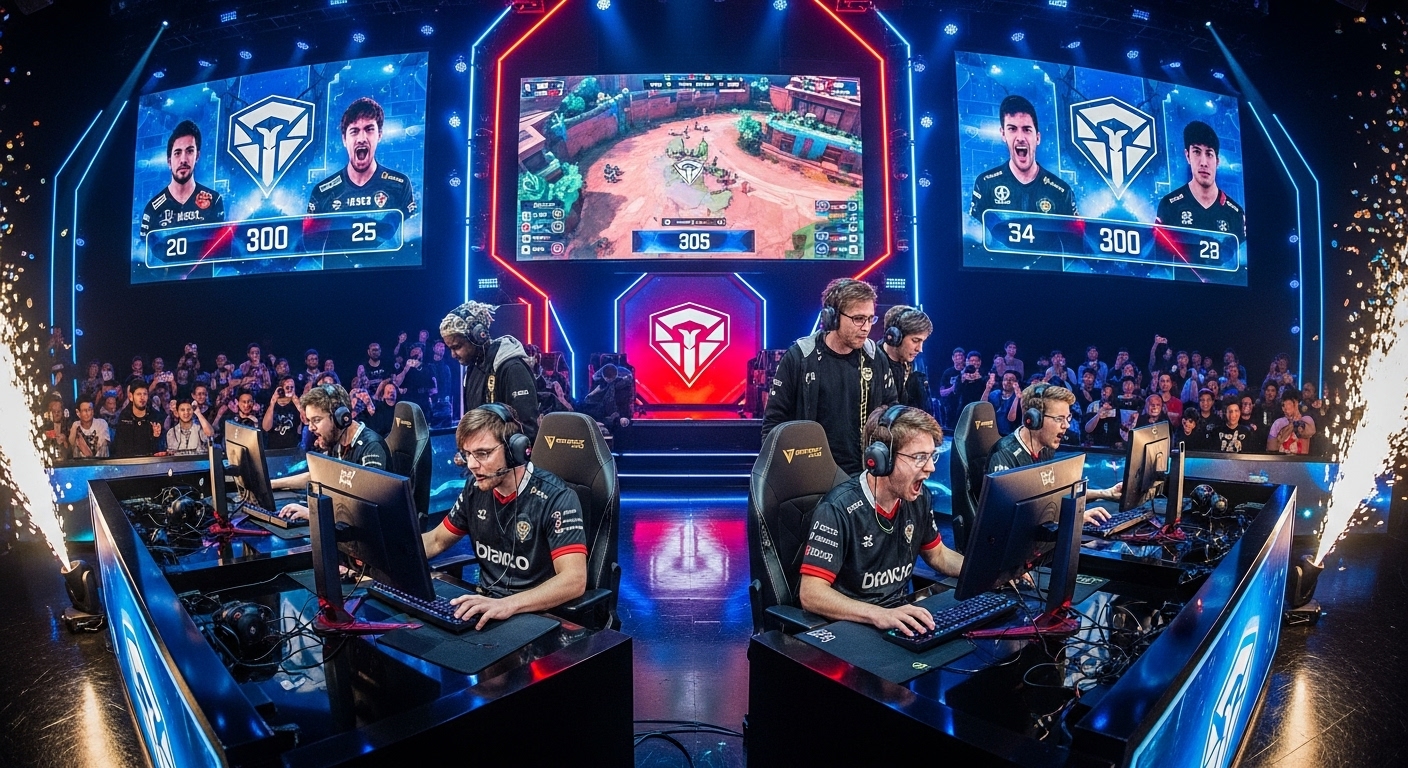
Major tournaments, such as The International for Dota 2, the League of Legends World Championship, and the Fortnite World Cup, offer massive prize pools and global recognition. Sponsorships and media partnerships further contribute to the professional ecosystem, making esports a viable career path.
Social and Cultural Impact of Esports
Esports has created vibrant online and offline communities. Fans engage through forums, social media, live streaming platforms, and tournaments. The sense of belonging and shared enthusiasm strengthens community bonds and fosters a global culture around competitive gaming.
Esports has also influenced mainstream culture, from fashion inspired by popular games to music, artwork, and media references. Professional players are celebrated as celebrities, and in-game events have become social experiences that unite audiences worldwide.
Economic Significance of Esports
The esports industry generates billions in revenue from tournaments, sponsorships, merchandise, media rights, and streaming. Professional players earn salaries, endorsement deals, and prize money, while teams and organizations operate like traditional sports franchises.
Esports drives innovation in technology, marketing, and media production. Cities hosting major tournaments experience economic benefits from tourism, infrastructure investment, and local business growth, highlighting the broader economic impact of esports.
Esports in Education
Educational institutions have embraced esports through scholarships, training programs, and competitive leagues. Students develop skills in teamwork, leadership, critical thinking, and digital literacy. These programs highlight esports as a legitimate academic and career pathway in professional gaming, event management, analytics, and content creation.
Challenges Facing Esports
Despite its rapid growth, esports faces challenges such as player burnout, mental health concerns, and online toxicity. Long practice hours, high-pressure tournaments, and intense competition can lead to stress and fatigue.
Developers and organizations are implementing measures like scheduled breaks, mental health support, anti-cheating protocols, and community moderation. Promoting inclusivity, fairness, and ethical gaming practices is essential for the sustainable growth of esports.
The Future of Esports
The future of esports is promising, driven by technological innovation, global accessibility, and expanding cultural influence. VR and AR will create more immersive experiences, while cloud gaming will make esports accessible to a wider audience. Cross-platform play and mobile esports will further unite global communities.
Esports is also expected to integrate more deeply with mainstream entertainment, combining elements of media, education, and social engagement. The industry will continue to professionalize, with larger prize pools, improved infrastructure, and standardized competitive structures.
Conclusion: Esports as a Cultural and Competitive Force
Esports has grown from casual gaming into a global cultural and competitive force. It combines technology, skill, strategy, and entertainment to create experiences that captivate players and audiences alike.
The rise of esports demonstrates the evolution of competition in the digital age. It transcends geographical, cultural, and physical boundaries, offering opportunities for connection, career development, and global engagement. Esports is more than just gaming—it is a revolution that is redefining the way people play, watch, and interact with entertainment worldwide.
As the industry continues to expand, esports will remain at the forefront of digital culture, shaping the future of competition, social interaction, and entertainment for generations to come.