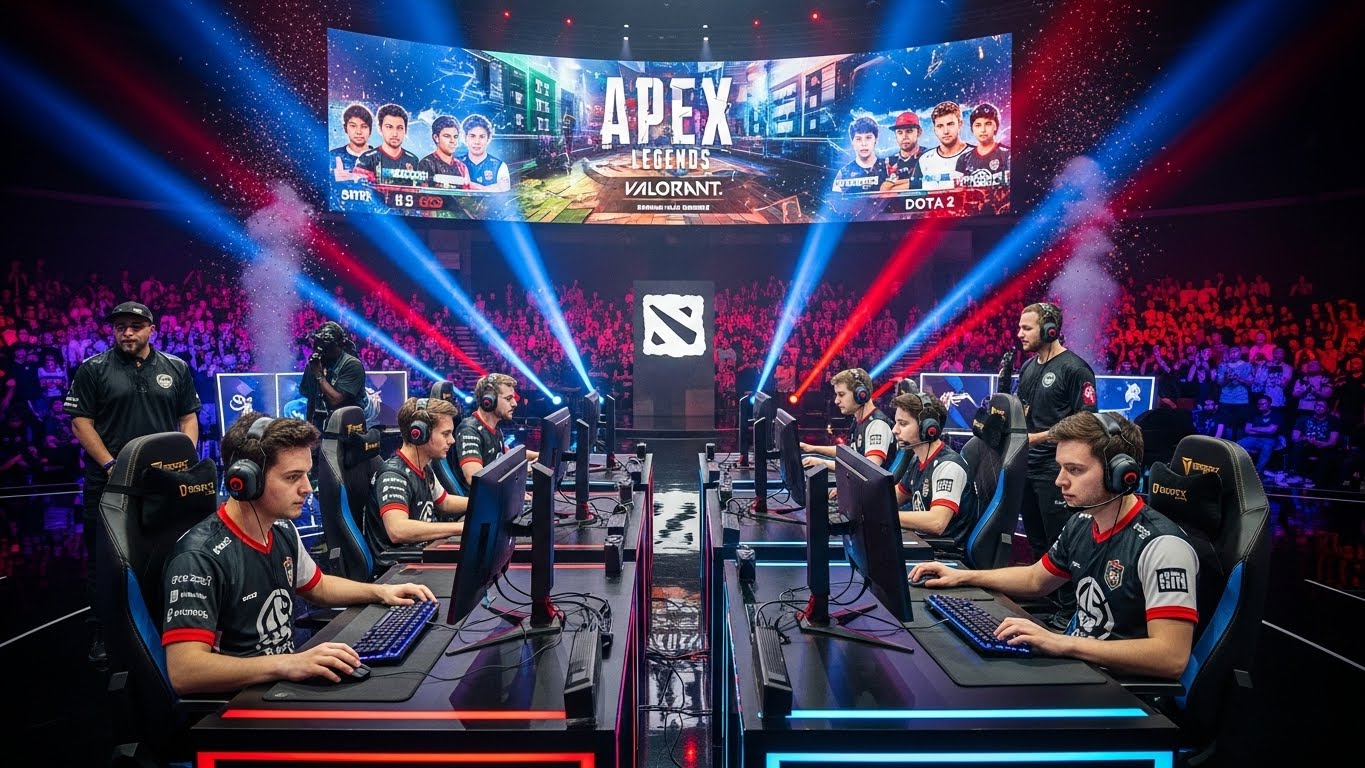
The world of gaming has undergone a dramatic transformation in recent years. Once considered a pastime or hobby, gaming has evolved into a global competitive phenomenon known as esports. With professional teams, multi-million-dollar tournaments, and millions of viewers worldwide, esports has become an industry that rivals traditional sports in both popularity and financial impact. This blog explores the growth, dynamics, and future of esports while examining its cultural and economic significance.
Understanding Esports: More Than Just Gaming
Esports, short for electronic sports, refers to organized competitive gaming where players or teams compete in video games at a professional level. Unlike casual gaming, esports requires strategy, skill, teamwork, and mental agility. Popular esports titles include games like League of Legends, Dota 2, Counter-Strike: Global Offensive, Call of Duty, and Fortnite. Each of these games has developed its own competitive scene with leagues, championships, and global fanbases.
At its core, esports combines entertainment, competition, and community. Players practice for hours, studying opponents, refining strategies, and coordinating with teammates. The professional esports ecosystem includes coaches, analysts, broadcasters, and managers, making it a fully professionalized industry with structured career paths and support systems.
The History and Growth of Esports
Esports has roots dating back to the late 1970s and 1980s with early arcade competitions and home console tournaments. However, the modern esports industry began to take shape in the 2000s with the rise of online multiplayer games and streaming platforms. South Korea was one of the first countries to embrace professional gaming, particularly in games like StarCraft, where players became national celebrities.
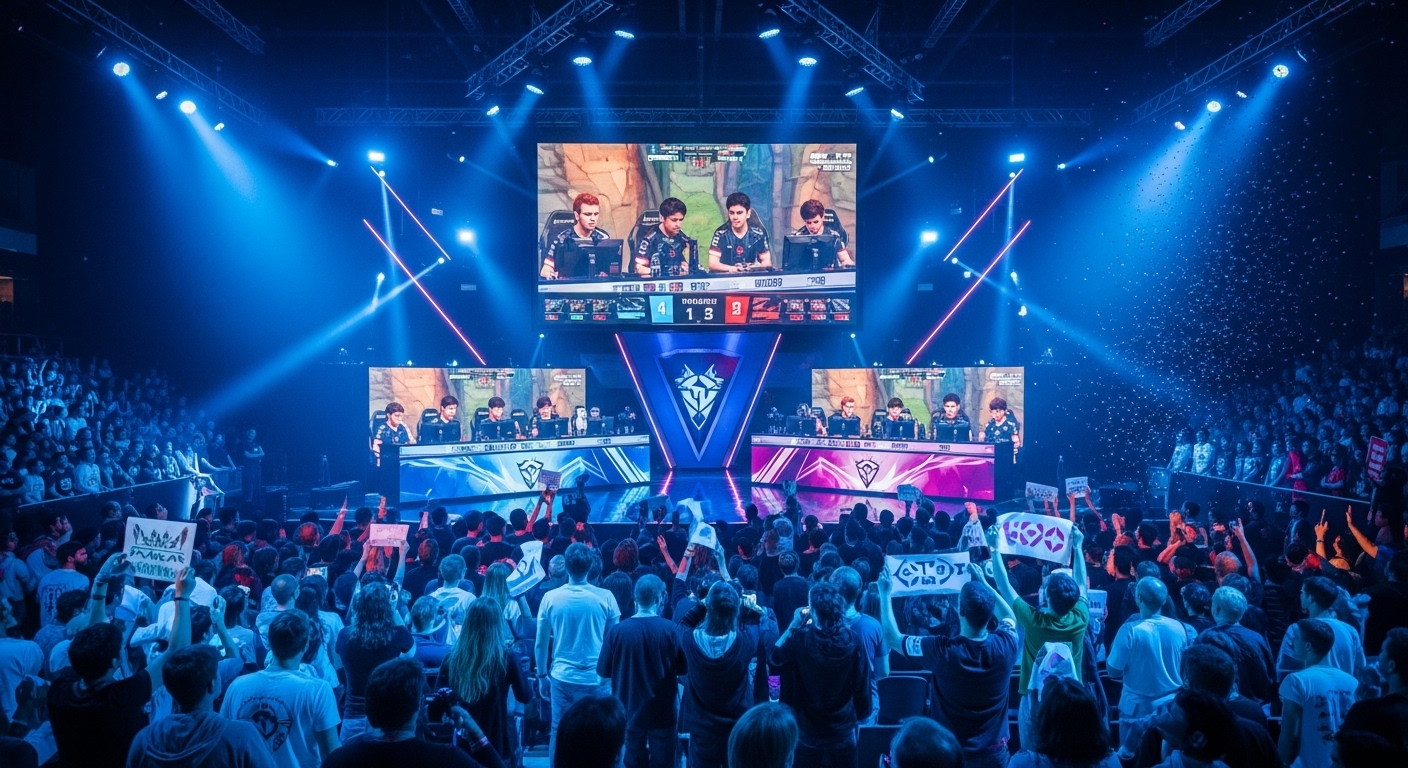
Today, esports has experienced exponential growth, reaching a global audience of hundreds of millions. The industry’s market value has surpassed billions of dollars, fueled by sponsorships, media rights, merchandise, and tournament prize pools. International tournaments now rival major sporting events, with stadiums packed with fans and online viewership exceeding millions for a single match.
Professional Teams and Players
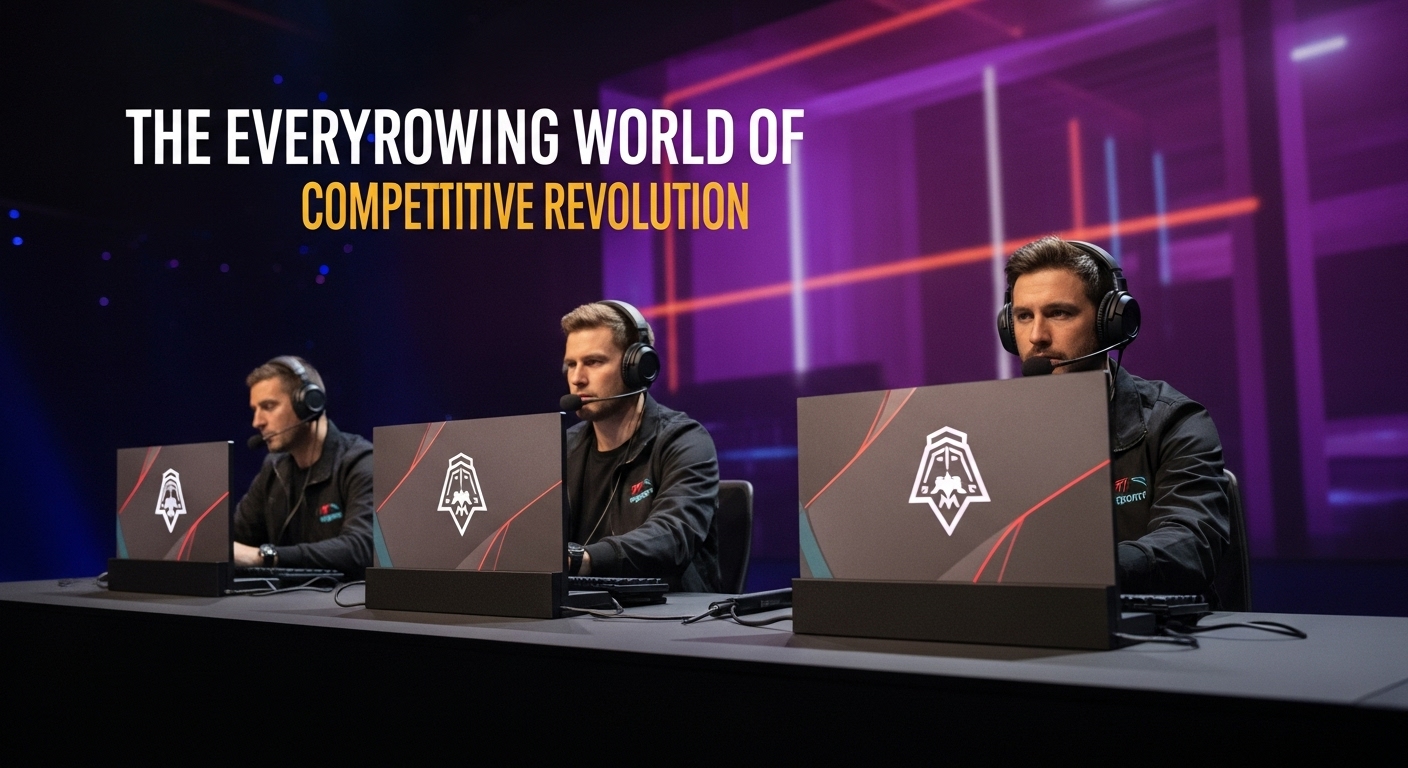
At the heart of esports are its professional players and teams. Players train rigorously, often dedicating eight to twelve hours a day to practice. Unlike casual gamers, professional players must maintain peak performance under pressure, adapting strategies in real-time and coordinating with teammates to secure victories.
Esports teams operate similarly to traditional sports franchises. Organizations manage player contracts, marketing, sponsorships, and training facilities. Some of the most recognized teams have global fan followings and participate in multiple game titles. Players themselves often achieve celebrity status, with fan clubs, merchandise, and social media influence.
Esports Tournaments and Leagues
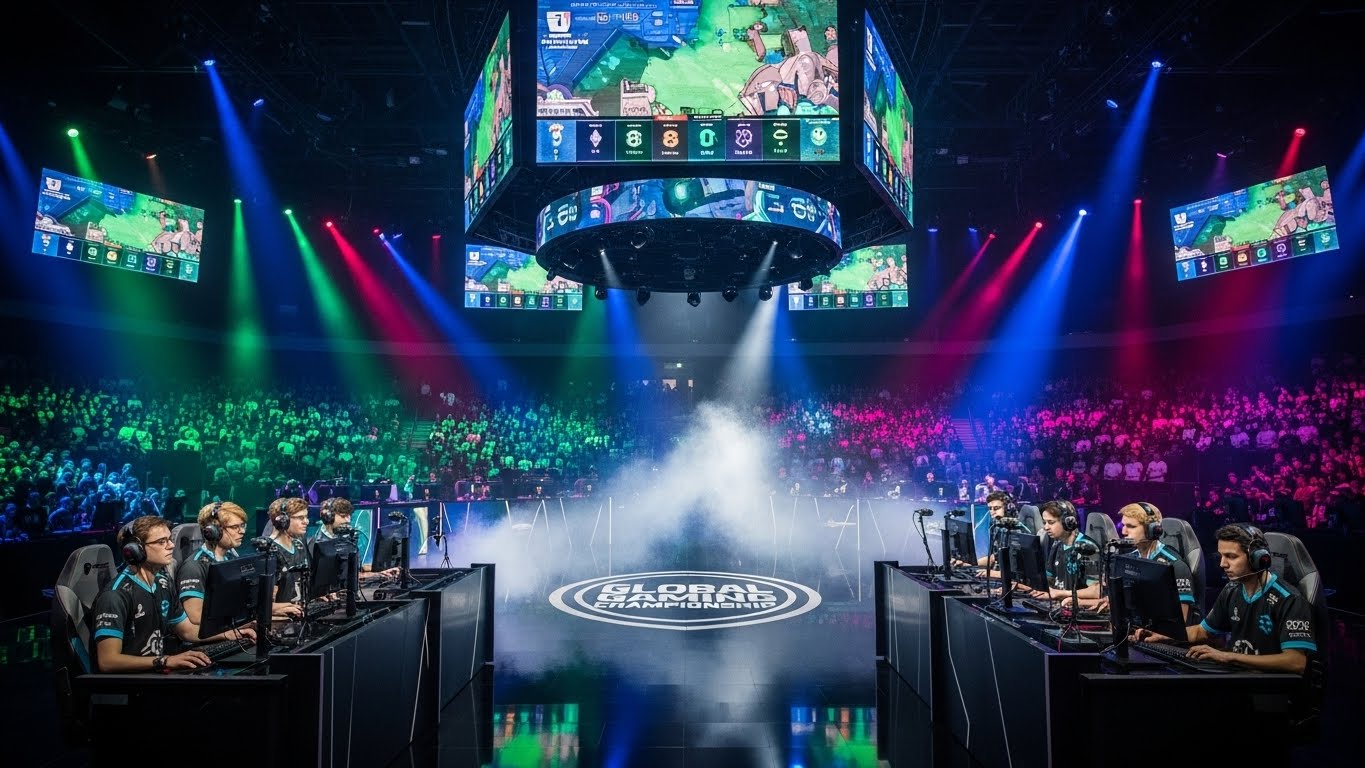
Esports tournaments are the pinnacle of competitive gaming, showcasing the highest level of skill and strategy. Major events, such as The International for Dota 2, the League of Legends World Championship, and Fortnite World Cup, offer multi-million-dollar prize pools that attract top talent from around the globe.
Leagues like the Overwatch League and Call of Duty League operate on franchise models, similar to traditional sports leagues, with city-based teams competing in seasonal matches. These leagues provide stability for players and teams while increasing fan engagement through consistent competition.
Tournaments are not only about competition but also about spectacle. Professional production values, live commentary, and fan interaction create an entertainment experience that draws both gaming enthusiasts and casual viewers.
The Role of Streaming Platforms
Streaming platforms like Twitch, YouTube Gaming, and Facebook Gaming have played a crucial role in esports’ rise. These platforms allow fans to watch live matches, interact with players, and follow their favorite teams in real-time. Streaming has also enabled content creators to build communities around games, bridging the gap between casual and competitive gaming.
Streaming has become a career path on its own, with top streamers earning significant revenue from subscriptions, donations, and sponsorships. The symbiotic relationship between esports and streaming has fueled the growth of both industries, creating a digital ecosystem where players, fans, and creators thrive together.
Esports and Its Global Audience
The audience for esports is diverse and global. Unlike traditional sports, esports transcends geographical boundaries, with players from different countries competing in the same tournaments. The fanbase ranges from teenagers to adults, reflecting the broad appeal of gaming as a form of entertainment and competition.
Esports spectators are highly engaged, often participating in online forums, social media discussions, and fantasy leagues. The sense of community and shared passion contributes to the industry’s rapid growth, making esports not just a competition but a cultural movement.
The Economic Impact of Esports
Esports is more than entertainment; it is a significant economic force. Revenue streams include sponsorships, advertising, ticket sales, merchandise, media rights, and in-game purchases. Leading brands across technology, fashion, and consumer goods industries are investing in esports sponsorships to reach younger, digitally-savvy audiences.
The economic impact extends beyond the industry itself. Esports drives technology adoption, creates jobs in production, broadcasting, and marketing, and influences gaming hardware sales. Cities hosting major tournaments benefit from tourism and international exposure, further cementing esports’ status as a global economic contributor.
The Psychological and Social Aspects
Competitive gaming requires not only technical skill but also mental resilience. Professional players must manage stress, maintain focus, and handle public scrutiny. Esports psychologists are increasingly part of team support systems, helping players with mental preparation, motivation, and conflict resolution.
Socially, esports fosters inclusivity and global collaboration. Players from different cultures and backgrounds work together in teams, learning teamwork, communication, and leadership. However, like any competitive field, esports also faces challenges such as toxicity, online harassment, and the pressure of fame, which the industry continues to address.
Esports Education and Career Opportunities
The professionalization of esports has led to educational programs and career pathways for aspiring players and industry professionals. Universities and colleges now offer esports programs covering game design, management, marketing, and broadcasting. Scholarships are available for talented players, similar to traditional sports.
Career opportunities extend beyond playing, including roles in event management, content creation, analytics, coaching, and business development. As the industry matures, esports is becoming a legitimate career option, providing opportunities for talent both in front of and behind the camera.
The Future of Esports
The future of esports looks promising and multifaceted. Technological advancements such as virtual reality, augmented reality, and artificial intelligence are likely to enhance gameplay, training, and fan experiences. Cloud gaming could make high-quality competitive gaming accessible to a wider audience, reducing barriers to entry.
Esports is also expanding its reach into mainstream entertainment. Collaborations with traditional sports, music, and media industries are bridging the gap between gaming and popular culture. Governments and organizations are increasingly recognizing esports as a legitimate sport, supporting infrastructure, tournaments, and professional development.
However, the industry must address ongoing challenges such as fair play, mental health, diversity, and sustainability. Responsible growth and governance will determine whether esports can maintain its momentum while ensuring a positive impact on players, fans, and society.
Conclusion
Esports has come a long way from its humble beginnings as casual gaming competitions. Today, it is a global phenomenon that combines skill, strategy, entertainment, and community. With professional players, high-stakes tournaments, and a massive international fanbase, esports rivals traditional sports in both influence and cultural relevance.
The industry continues to evolve, driven by technology, creativity, and passion. Esports is not only reshaping the way we play and watch games but also redefining career paths, economic opportunities, and cultural experiences. As the world becomes increasingly digital, esports represents the future of competitive entertainment, connecting players and fans in ways that transcend borders and redefine what it means to compete.
The rise of esports is more than a trend; it is a revolution in entertainment and competition, shaping the digital age and inspiring the next generation of gamers, innovators, and spectators.