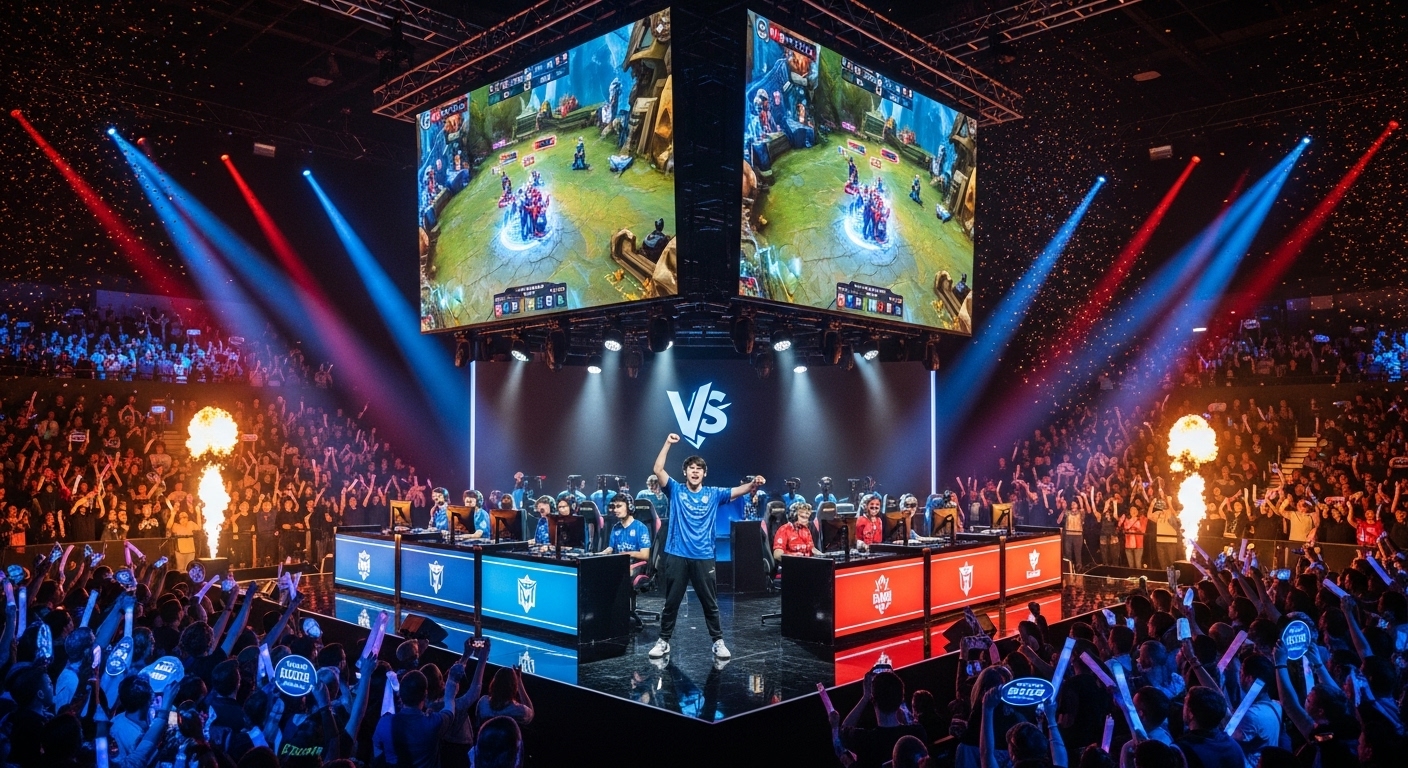
Esports, or competitive gaming, has grown from a niche hobby into a global phenomenon. What was once considered casual entertainment has transformed into a professional, multi-billion-dollar industry that rivals traditional sports in popularity, viewership, and influence. From teenagers in their bedrooms to professional athletes competing in stadiums, esports now attracts millions of participants and fans worldwide.
This rise of esports reflects not only the evolution of technology but also the changing culture of entertainment, competition, and community. It demonstrates how digital platforms, social interaction, and immersive gameplay have redefined what it means to compete and connect in the 21st century.
The Origins of Esports: From Arcades to Online Arenas
The origins of esports can be traced back to the early days of video gaming. In the 1970s and 1980s, arcade competitions and high-score challenges captured the attention of gaming enthusiasts. Players would compete for bragging rights or small prizes, and the concept of organized competition began to take root.
With the rise of home consoles and personal computers in the 1990s, gaming expanded beyond arcades. LAN parties, where players connected multiple computers to compete in real-time, became a popular way to experience competitive gaming. Titles like Quake, StarCraft, and Counter-Strike set the stage for modern esports by combining skill, strategy, and teamwork.
The internet revolutionized esports in the 2000s. Online multiplayer games allowed players to compete globally, breaking geographical barriers and creating international communities. Tournaments started being broadcast online, allowing spectators to watch live matches from anywhere in the world. This digital connectivity laid the foundation for the esports ecosystem we see today.
The Growth of Professional Esports
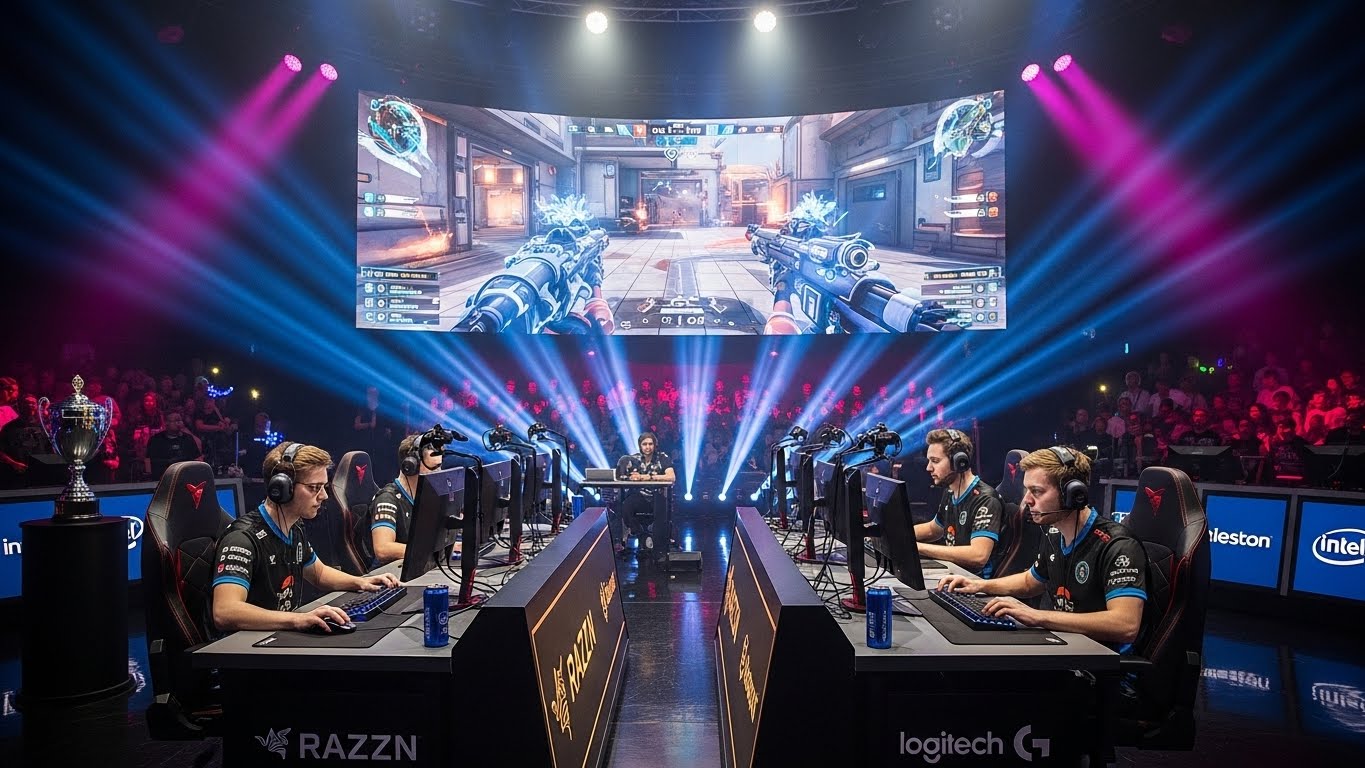
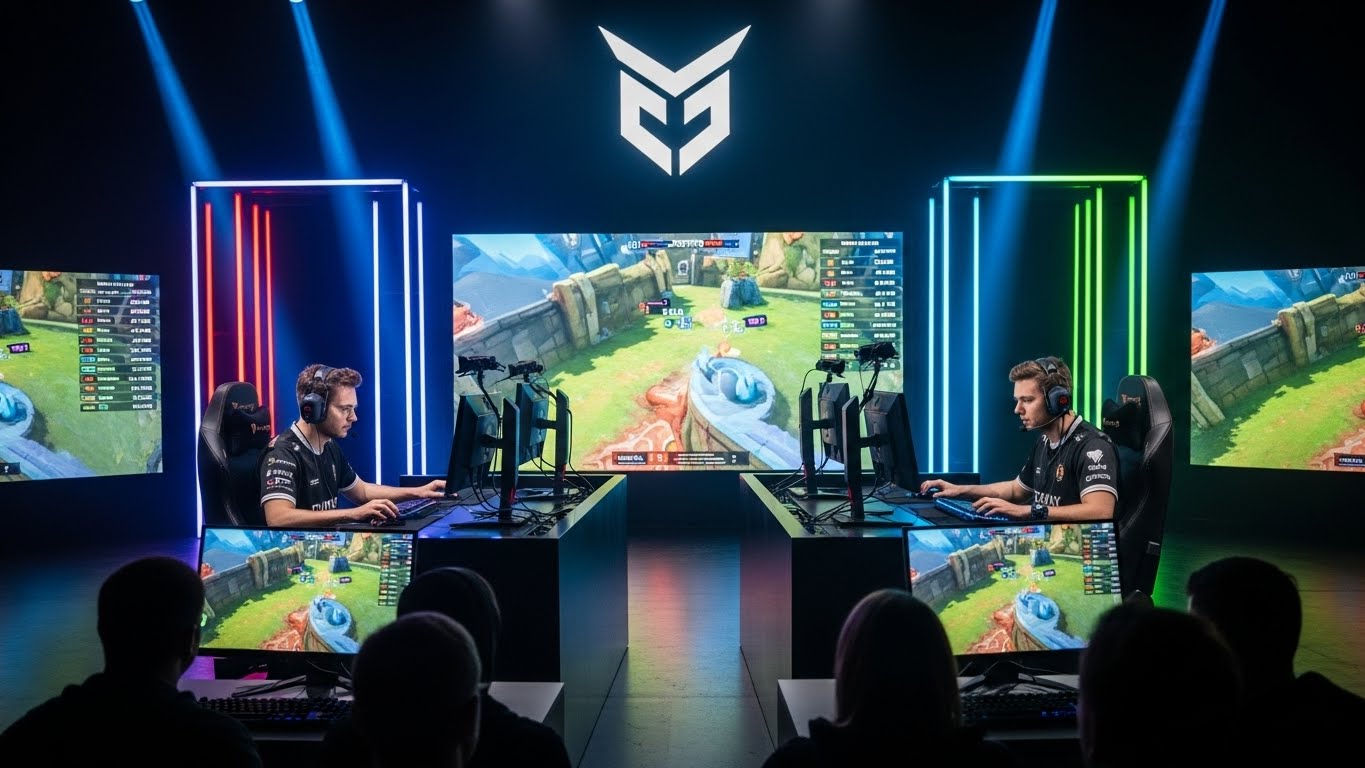
Today, esports is a professional industry with leagues, teams, sponsors, and massive prize pools. Professional players are treated as athletes, undergoing rigorous training, maintaining strict schedules, and participating in competitions that demand peak performance.
Games like League of Legends, Dota 2, Fortnite, and Call of Duty have become central to the esports landscape. These games attract millions of viewers and often host tournaments in large stadiums, broadcast to audiences around the globe. Players can earn salaries, endorsements, and fame similar to traditional sports stars, and successful teams operate like professional franchises with management, coaching staff, and strategic planning.
Esports organizations have also become global brands. Teams attract loyal fan bases, merchandise sales, and sponsorships from companies that see the potential in the growing digital audience. This professionalization of esports has turned what was once a casual pastime into a legitimate career path for talented players worldwide.
Esports and Its Cultural Impact
Esports has had a significant cultural impact, particularly among younger generations. Unlike traditional sports, esports does not require physical athleticism, making it accessible to a broader range of participants. This inclusivity has helped gaming communities flourish and created spaces where people from different backgrounds can connect over a shared passion.
Streaming platforms like Twitch and YouTube Gaming have made esports accessible to millions of viewers. Fans can watch their favorite players, learn strategies, and engage with gaming communities in real-time. This interactivity strengthens the bond between players and fans, creating a culture of engagement that extends beyond the games themselves.
Additionally, esports has influenced mainstream entertainment. Celebrities, musicians, and traditional athletes increasingly participate in gaming events, bridging the gap between digital and physical entertainment. Gaming culture has infiltrated music, fashion, and social media, making esports a central part of youth identity worldwide.
The Business of Esports: From Sponsorships to Broadcasting
The business side of esports is as dynamic as the competitions themselves. Revenue comes from multiple streams, including sponsorships, advertising, media rights, merchandise, and ticket sales for live events. Major brands from technology, energy drinks, fashion, and automotive sectors invest in esports to reach engaged audiences.
Sponsorships are particularly important. Companies fund tournaments, support teams, and provide equipment in exchange for brand visibility. This partnership model has fueled growth, allowing esports to expand into new regions and attract mainstream attention.
Broadcasting has also become a crucial revenue driver. Online streaming platforms offer subscription services, advertisements, and donations, providing both exposure and financial support for tournaments and content creators. With millions tuning in to watch major events, esports has become one of the most lucrative segments of the entertainment industry.
Training and Discipline: The Life of a Professional Esports Player
Being a professional esports player requires discipline, strategy, and resilience. Unlike casual gaming, professional competition demands hours of daily practice, mental focus, and physical well-being. Players must understand game mechanics deeply, communicate effectively with teammates, and adapt to evolving strategies and updates in the game.
Training often involves reviewing past games, analyzing opponents, and practicing coordination in high-pressure scenarios. Physical fitness is also essential, as long hours of gameplay can impact posture, eyesight, and reflexes. Nutrition, sleep, and mental health are integral to sustaining performance at the highest levels.
Esports players also face intense pressure from fans, sponsors, and team management. Handling stress and maintaining consistency in performance are as critical as technical skill. This combination of mental, physical, and strategic demands highlights the professionalism of esports and the dedication of its athletes.
Esports and Education: New Opportunities for Learning
The rise of esports has also opened new opportunities in education. Schools and universities around the world are recognizing esports as a legitimate field of study and extracurricular activity. Academic programs now focus on game design, digital media, team management, and competitive strategy.
Esports scholarships are becoming more common, enabling talented players to pursue higher education while developing their gaming skills. These programs teach teamwork, critical thinking, leadership, and communication—skills that are valuable both in gaming and in life beyond the screen.
By integrating esports into education, institutions not only validate gaming as a career option but also prepare students for roles in game development, broadcasting, and management, fostering a new generation of professionals in the digital economy.
Global Tournaments and Competitive Spirit
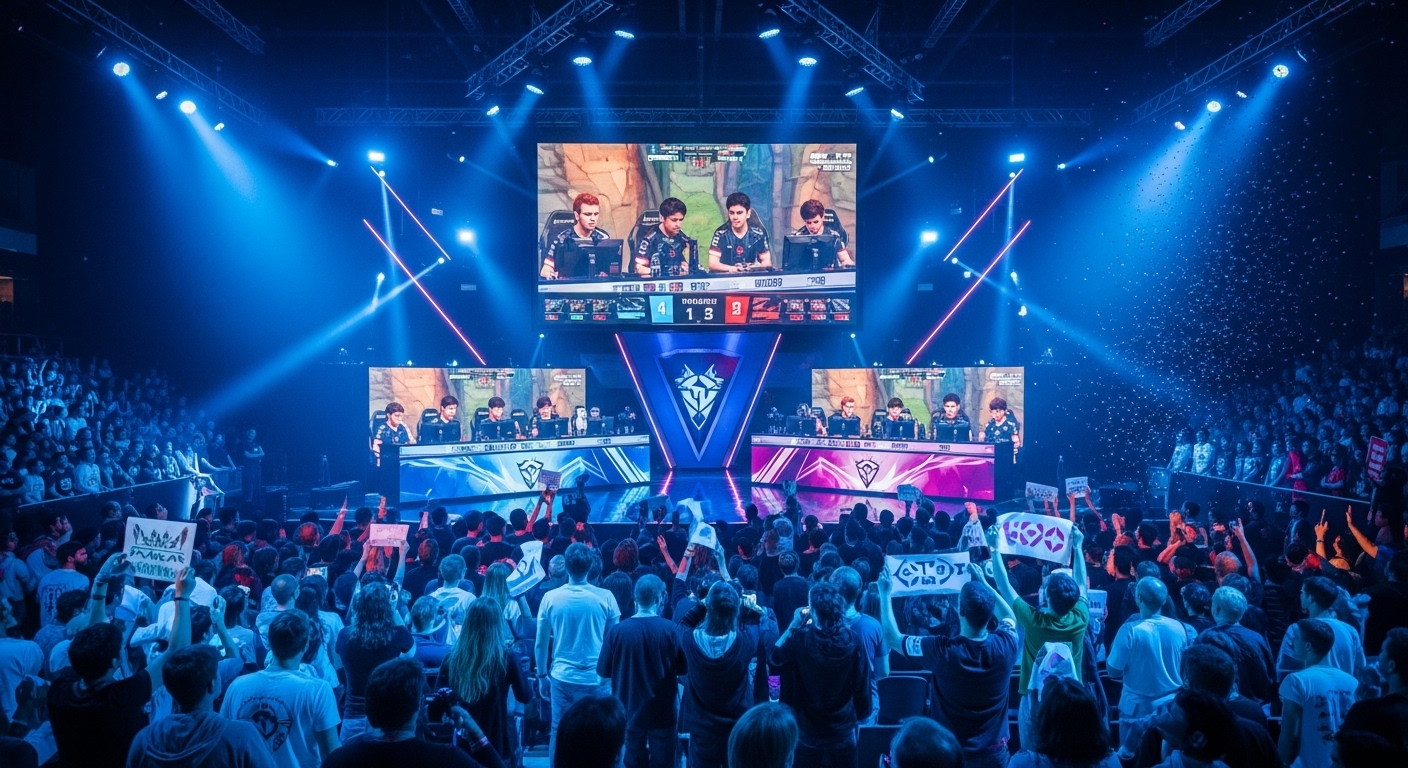
Global esports tournaments are where the industry shines brightest. Events like The International for Dota 2, League of Legends World Championship, and Fortnite World Cup attract millions of viewers and offer multi-million-dollar prize pools. These tournaments are spectacles, combining competition, entertainment, and community engagement.
The competitive spirit in esports mirrors traditional sports. Players and teams showcase skill, strategy, and perseverance while pushing the limits of human reaction time and decision-making. Fans celebrate victories, analyze gameplay, and participate in a collective experience that transcends geographic boundaries.
Live events also contribute to tourism and local economies. Stadiums hosting esports tournaments draw international visitors, creating a festival-like atmosphere that combines gaming, entertainment, and culture. This global reach cements esports as a major player on the international stage.
Technology and Esports: A Symbiotic Relationship
Esports and technology are deeply intertwined. High-performance hardware, fast internet connections, and advanced software are essential for professional competition. Graphics cards, processors, and specialized peripherals enable players to perform at their peak. Streaming platforms rely on cutting-edge infrastructure to deliver smooth and interactive broadcasts.
Artificial intelligence and analytics are also transforming esports. Teams analyze player performance, opponent strategies, and in-game data to gain a competitive edge. Technology allows for deeper understanding and refinement of gameplay, ensuring that the sport continues to evolve and challenge its participants.
The constant development of gaming engines, virtual reality, and augmented reality promises an even more immersive esports experience in the future. As technology advances, esports will continue to push the boundaries of entertainment and competition.
The Challenges Facing Esports
Despite its rapid growth, esports faces challenges. Health concerns, including eye strain, repetitive motion injuries, and mental fatigue, affect players who spend long hours competing. The pressure to perform consistently can lead to burnout and anxiety.
Regulation and standardization are also emerging issues. Unlike traditional sports, esports lacks a unified governing body, leading to inconsistencies in rules, contracts, and tournament management. Fair play, cheating, and ethical concerns are ongoing debates that the industry must address.
Moreover, the perception of esports still faces skepticism from some audiences who question its legitimacy as a sport. Overcoming these challenges requires investment in infrastructure, player welfare, and education about esports’ complexity and professionalism.
The Future of Esports: Beyond Entertainment
The future of esports is bright and full of possibilities. Virtual reality, cloud gaming, and AI-driven enhancements will make competitions even more immersive. Integration with traditional sports and mainstream media will expand audiences and opportunities for collaboration.
Esports is also poised to become more inclusive, with growing participation from women, diverse cultures, and different age groups. Initiatives promoting diversity and accessibility are making the industry more representative of global society.
As esports continues to mature, it will not only be entertainment but a platform for innovation, learning, and cultural exchange. Its impact on digital culture, professional careers, and social interaction will continue to grow, shaping how people engage with technology and competition for decades to come.
Conclusion: The Digital Arena of Tomorrow
Esports has transformed from a niche hobby into a cultural and professional phenomenon. It combines skill, strategy, technology, and community in ways that were once unimaginable. From the first arcade competitions to massive international tournaments, esports demonstrates the power of digital innovation and human creativity.
As the industry grows, it will continue to challenge perceptions, inspire players, and captivate audiences. The digital arena is not just a platform for games—it is a stage for the future of entertainment, competition, and connection. Esports is more than just a game; it is a global movement that is shaping the way we play, watch, and interact in the digital age.