Introduction: The Digital Revolution of Competitive Gaming
In the last two decades, the landscape of entertainment has transformed in ways few could have imagined. Traditional sports, while still popular, now share the stage with a new kind of competition—esports. Once considered a niche hobby for gamers, esports has exploded into a global phenomenon, capturing the attention of millions of fans, players, and investors. The rise of esports signals not only a shift in how people consume entertainment but also a redefinition of what it means to be an athlete. Esports has become a cultural force, a professional pursuit, and a thriving industry all at once.
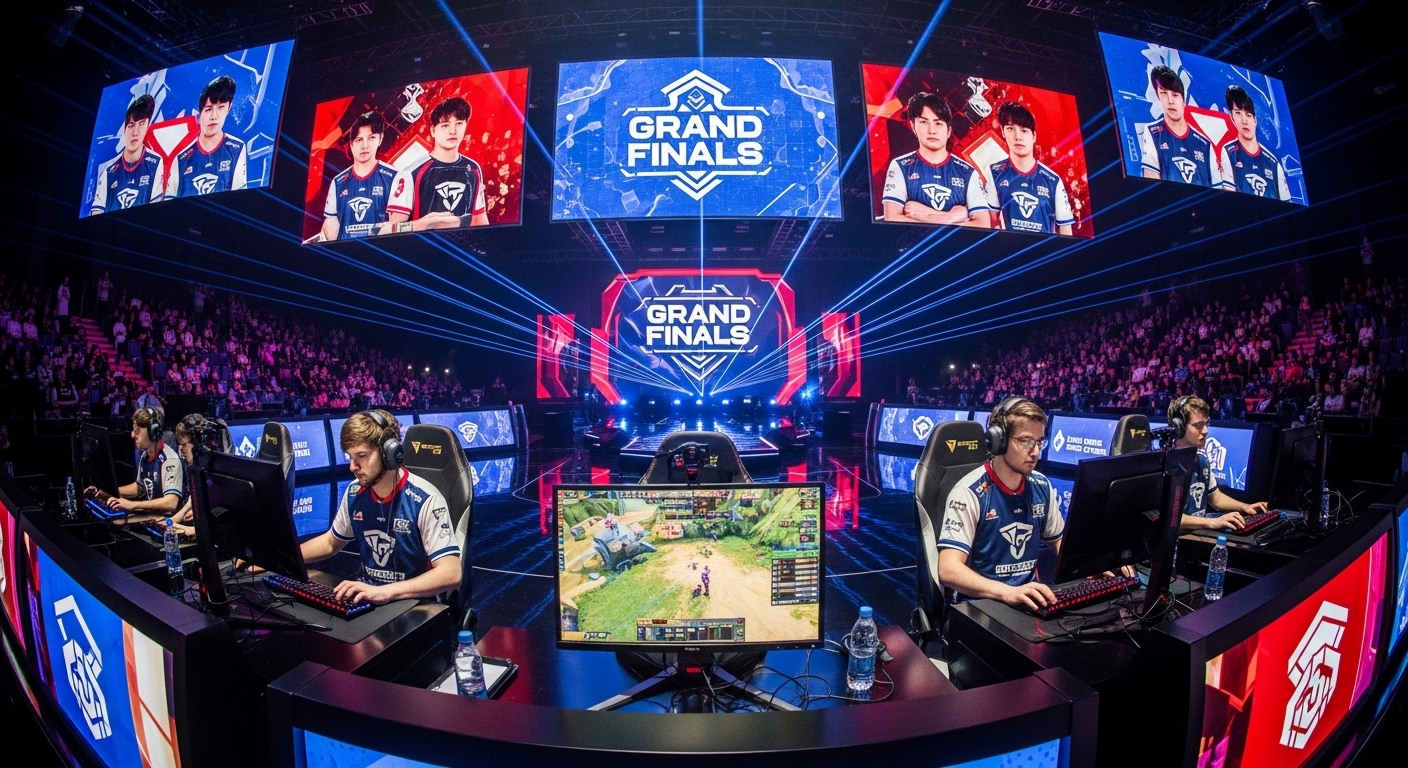
Esports, short for electronic sports, refers to organized video game competitions played by professional or semi-professional players, either individually or in teams. What started as informal gatherings in local arcades has evolved into stadium-filling events, high-stakes tournaments, and live-streamed spectacles with audiences rivaling those of traditional sports. This blog explores the origins, growth, impact, and future of esports, shedding light on why it has become such a compelling part of modern life.
The Early Days: From Arcades to Online Arenas
The origins of esports trace back to the 1970s, when video games were still a novelty. One of the earliest known competitions was held at Stanford University in 1972, featuring the game “Spacewar.” The winner received a small prize, yet this event marked the beginning of organized competitive gaming. Over the next decade, arcades became social hubs for competitive players. Games like “Pac-Man” and “Donkey Kong” attracted local champions, and high scores became a badge of honor.
The 1980s and 1990s introduced home consoles, which brought gaming into living rooms and connected communities beyond arcades. Classic titles like “Street Fighter” and “Mortal Kombat” laid the foundation for competitive gaming. However, the real turning point came with the internet. Online gaming allowed players from around the world to compete in real-time, creating a global network of communities and competitions.
South Korea played a pivotal role in transforming gaming into a professional sport. By the late 1990s and early 2000s, South Korea had established professional gaming leagues and television broadcasts dedicated to esports. This formalization elevated players to celebrity status and set the stage for the global esports industry we see today.
The Global Surge of Esports
The 2010s marked the explosive growth of esports worldwide. Streaming platforms like Twitch and YouTube Gaming gave fans unprecedented access to live competitions and their favorite players. Viewers could interact in real-time, creating a sense of community that traditional sports often struggle to replicate.
Games such as “League of Legends,” “Dota 2,” “Overwatch,” and “Fortnite” became pillars of esports, each fostering its own ecosystem of leagues, tournaments, and professional players. Prize pools skyrocketed, sometimes reaching millions of dollars for a single event, drawing the attention of sponsors and investors. Companies across industries—from energy drinks to technology firms—recognized the value of connecting with the young, digital-native audience that esports commands.
Today, esports is a truly global phenomenon. Asia remains a leader, particularly in China, South Korea, and Japan, with highly developed competitive infrastructures. North America and Europe have embraced esports with professional leagues and training academies. Meanwhile, emerging regions in South America, Africa, and the Middle East are experiencing rapid growth, demonstrating that esports is not limited by geography.
The Players and Teams Behind the Thrills
Professional esports players are the lifeblood of the industry. These individuals dedicate countless hours to mastering gameplay mechanics, strategies, and teamwork. Players often belong to organized teams with support staff including coaches, analysts, physiotherapists, and mental health specialists. This infrastructure ensures that players can compete at the highest level while maintaining their health and well-being.
Teams participate in seasonal leagues and international tournaments, competing not only for prize money but also for global recognition. Organizations like Cloud9, T1, and FaZe Clan have become household names, with millions of fans following their every move. Teams do more than just compete; they create content, engage with audiences, and build brands that transcend the game itself.
Fans are equally crucial to the esports ecosystem. They watch live streams, attend events, purchase merchandise, and participate in online communities. The relationship between players and fans is highly interactive, creating a sense of intimacy and loyalty rarely seen in traditional sports.
The Technological Backbone of Esports
Technology is the foundation on which esports thrives. High-speed internet, advanced gaming hardware, and cutting-edge software make competitive play possible. Streaming platforms enable millions to watch matches simultaneously, while game developers continually innovate to maintain balance and engagement.
Emerging technologies are set to take esports to new heights. Virtual reality and augmented reality may allow spectators to immerse themselves in competitions like never before. Artificial intelligence is already being used to analyze gameplay, develop strategies, and optimize training regimens. 5G networks promise ultra-low latency gameplay, enhancing both professional competitions and casual online play.
Game developers also play a key role in keeping esports dynamic. Regular updates, new characters, and gameplay changes ensure that competitions remain fresh, unpredictable, and exciting. This adaptability has helped esports retain long-term popularity, preventing it from becoming stale or repetitive.
Esports as a Business and Economic Powerhouse
Esports has grown into a billion-dollar industry with diverse revenue streams. Sponsorships, merchandise, media rights, advertising, and tournament ticket sales generate enormous revenue. Brands recognize the opportunity to reach a highly engaged, digitally savvy audience, making esports a preferred marketing platform for global campaigns.
Major tournaments attract international sponsors, and cities are beginning to compete for the honor of hosting esports events, knowing the economic and cultural benefits they bring. Educational institutions have also entered the scene, offering scholarships, specialized programs, and degrees in esports management, game development, and digital media.
The industry has also created a wide range of jobs beyond professional gaming. Commentators, analysts, video editors, designers, marketers, and event managers all contribute to the growth of esports, turning a once niche activity into a full-fledged economic ecosystem.
Cultural Significance and Social Impact
Esports has become a cultural phenomenon, shaping entertainment, fashion, music, and social interactions. It represents the digital age’s values of inclusivity, connectivity, and innovation. Gamers from different countries, languages, and backgrounds unite over a shared passion, demonstrating that competition can transcend physical and cultural boundaries.
Pop culture has embraced esports in numerous ways. Professional players are featured in advertisements, music collaborations, and mainstream media, transforming them into influencers and role models. Gaming conventions, cosplay events, and fan art communities contribute to a thriving culture that extends beyond the game itself.
Esports also fosters social interaction and community-building. Online forums, Discord servers, and fan conventions allow players and fans to connect, share experiences, and celebrate achievements. This sense of belonging and shared identity has contributed to esports’ enduring popularity.
Challenges and Controversies
Despite its success, esports faces significant challenges. Player burnout, mental health concerns, and repetitive strain injuries are prevalent issues, given the long hours of training and competition. The industry is still developing standardized regulations to ensure player welfare and fair labor practices.
Integrity is another concern. Cheating, match-fixing, and toxic behavior threaten the credibility of esports. Developers and tournament organizers continually work to implement safeguards and enforce fair play, but maintaining trust remains an ongoing challenge.
Diversity and inclusivity also require attention. While esports is a global phenomenon, barriers still exist for women and underrepresented groups. Creating a welcoming environment for all participants is essential for long-term growth and sustainability.
Esports and Education: Preparing the Next Generation
Education systems worldwide are beginning to integrate esports into their curricula. Schools and universities recognize that gaming teaches strategic thinking, leadership, and teamwork. Competitive gaming programs offer students opportunities to pursue careers in digital media, broadcasting, event management, and esports business.
Esports academies provide structured training for aspiring professionals, covering gameplay, content creation, and marketing. These initiatives bridge the gap between passion and profession, offering young gamers a pathway to legitimate careers.
The Future of Esports
The future of esports is bright and full of possibilities. Technological advancements, increasing mainstream acceptance, and growing investment suggest that esports will continue to expand its influence. Traditional sports organizations are investing in esports teams, further blurring the line between physical and digital competition.
Virtual and augmented reality, blockchain technology, and AI-driven analytics are likely to reshape gameplay and spectator experiences. As society becomes increasingly digitized, esports is positioned to remain a central form of entertainment, community, and professional opportunity.
Conclusion: Redefining Competition in the Digital Era
Esports is more than a trend; it is a defining feature of the modern digital era. It blends skill, creativity, strategy, and technology to create a unique form of competition that resonates worldwide. From small gatherings in arcades to global tournaments broadcast to millions, esports has transformed the way people play, watch, and celebrate games.
The rise of esports reflects a broader cultural shift toward digital connection, inclusivity, and innovation. It has created new career paths, built passionate communities, and redefined what it means to be an athlete. As the industry continues to evolve, esports will remain a testament to the power of technology and human ingenuity, shaping the future of competition for generations to come.