Introduction: The Rise of a Digital Phenomenon
Esports, short for electronic sports, has emerged as a revolutionary force in the world of entertainment. What began as casual competitive gaming among friends has evolved into a multi-billion-dollar industry attracting millions of viewers worldwide. Once considered a niche hobby, esports now commands a global stage, bringing together professional players, fans, sponsors, and media outlets. Unlike traditional sports, esports thrives in a digital ecosystem, relying on online platforms, streaming services, and interactive communities to connect people across continents.
The growth of esports has been fueled by technological advancements, increased internet accessibility, and the popularity of video games themselves. It is no longer merely about playing games; it is about competition, strategy, and entertainment on a professional level. This digital transformation has blurred the lines between traditional sports and competitive gaming, opening doors for a new generation of athletes and enthusiasts. In this blog post, we explore the history, impact, economic significance, and future of esports, highlighting why it has become an unstoppable cultural force.
The Origins of Competitive Gaming
The roots of competitive gaming date back to the 1970s and 1980s when arcade games and early home consoles began gaining popularity. Competitions were initially local events held in arcades or college campuses, where players competed for high scores or small prizes. Titles like Space Invaders and Pac-Man became early favorites, and some of the first gaming tournaments set the foundation for the esports culture we see today.
The 1990s marked a turning point as online multiplayer games began emerging. Games like Quake and StarCraft created the first serious competitive gaming communities, with players forming teams and engaging in tournaments over local area networks or early internet connections. South Korea, in particular, became a hub for professional gaming, developing a structured esports ecosystem that included televised competitions and professional teams. These early efforts transformed gaming from a casual pastime into a legitimate competitive activity.
The Evolution of Esports Into a Global Industry
The 2000s saw esports move beyond local tournaments into international competitions. Online streaming platforms allowed fans from different parts of the world to watch games in real-time, creating a global community of viewers and enthusiasts. Games like League of Legends, Dota 2, and Counter-Strike helped standardize competitive formats and establish professional leagues.
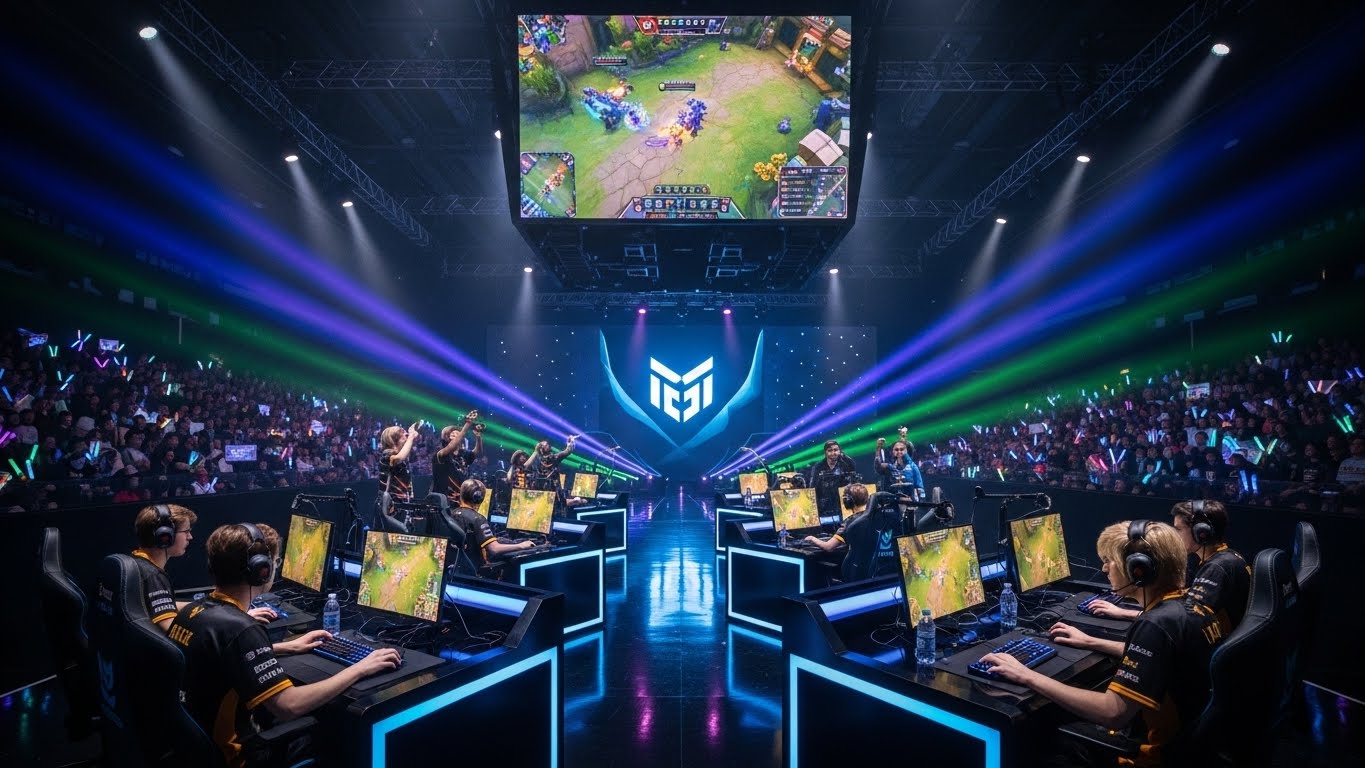
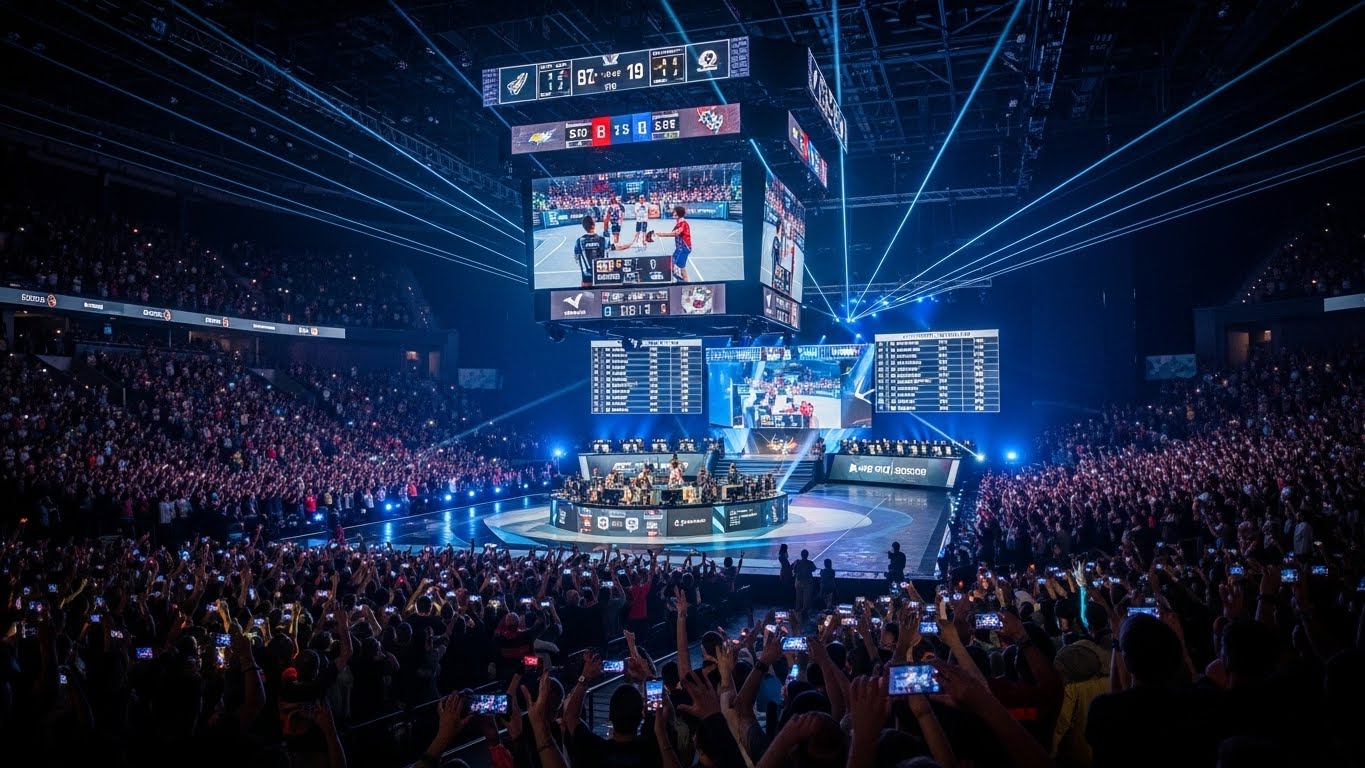
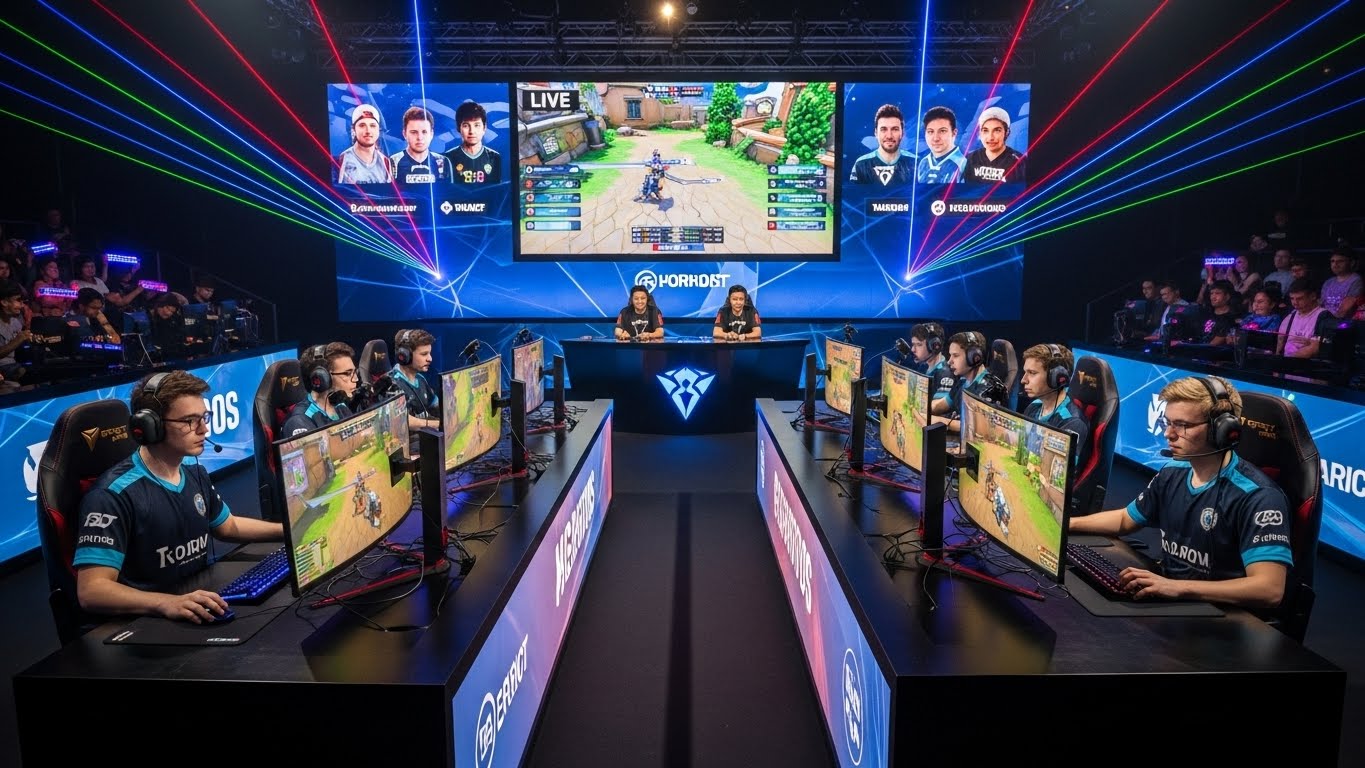
Sponsorship and media coverage began to play a significant role in this growth. Major brands recognized the potential of esports as a marketing platform to reach younger, tech-savvy audiences. Events started to take place in large arenas, drawing thousands of live spectators while millions watched online. Prize pools increased exponentially, with some tournaments offering multi-million-dollar rewards for winning teams, further legitimizing esports as a serious profession.
Today, esports is a multi-billion-dollar industry encompassing not only professional competitions but also content creation, streaming, merchandising, and educational programs. Universities now offer scholarships for esports athletes, and esports organizations function with the same structure as traditional sports teams, including coaches, analysts, and support staff.
The Cultural Impact of Esports
Esports has influenced culture in several profound ways. Firstly, it has redefined what it means to be an athlete. Traditional sports often emphasize physical prowess, but esports emphasizes mental agility, strategic thinking, reflexes, and teamwork. Players are celebrated for their ability to think critically under pressure and execute complex strategies, demonstrating that athleticism is not solely physical.
Secondly, esports has fostered global connectivity. Unlike traditional sports that may have geographical restrictions, esports tournaments and online platforms allow players and fans from around the world to interact, compete, and celebrate together. This inclusivity has helped break down barriers, bringing diverse communities together and creating a shared sense of identity among gamers.
Esports has also influenced mainstream entertainment. Music, fashion, and pop culture increasingly intersect with gaming. Many tournaments feature live performances, celebrity appearances, and merchandise collaborations, blending the worlds of gaming and entertainment into a cohesive cultural phenomenon. Gaming-inspired content is now ubiquitous, from animated series to esports documentaries, further embedding esports into the cultural landscape.
Economic Significance of Esports
The financial growth of esports is staggering. Revenue streams are diverse, including tournament prize money, sponsorships, advertising, streaming subscriptions, and merchandise sales. Some of the largest esports tournaments now boast prize pools exceeding ten million dollars, attracting top-tier talent from around the world. Sponsorship deals with major brands, including technology companies, beverage brands, and apparel lines, have created a robust economic ecosystem supporting both teams and individual players.
Streaming platforms such as Twitch, YouTube Gaming, and others have become essential components of the esports economy. Content creators and professional players generate income through subscriptions, donations, and advertising revenue. This has opened opportunities for individuals to monetize their gaming skills, building careers as professional players, commentators, or influencers.
The economic impact extends beyond individual earnings. Esports events drive tourism, hospitality, and technology sectors in host cities, contributing to local economies. Companies investing in esports infrastructure and media rights have found it a lucrative market with rapid growth potential. As esports continues to gain mainstream recognition, its economic influence is expected to expand even further.
The Role of Technology in Shaping Esports
Technology is at the core of esports. High-speed internet, powerful gaming hardware, and sophisticated software platforms have made real-time competitive gaming possible on a global scale. Streaming technology allows millions of fans to watch live events with minimal latency, while interactive platforms enable viewers to engage with players and teams in ways that traditional sports cannot replicate.
Virtual reality, augmented reality, and artificial intelligence are emerging technologies poised to further revolutionize esports. VR and AR could create immersive tournament experiences, while AI-powered analytics can assist teams in strategy development and performance optimization. The integration of technology continues to enhance the spectator experience, making esports not only a competition but also an interactive entertainment spectacle.
Challenges Facing the Esports Industry
Despite its rapid growth, esports faces several challenges. Player burnout is a significant concern, as the demands of professional gaming can be mentally and physically taxing. Intense practice schedules, high-pressure competitions, and the need for constant performance can lead to stress, fatigue, and health issues.
The industry also struggles with issues related to regulation and standardization. Unlike traditional sports, esports lacks a universal governing body, making it difficult to enforce consistent rules, player contracts, and ethical standards. Issues such as cheating, doping, and intellectual property disputes occasionally undermine the credibility of competitions.
Monetization models and revenue distribution are another challenge. While top-tier players earn substantial incomes, many aspiring professionals struggle to secure financial stability, highlighting a disparity within the industry. Addressing these challenges is essential for sustaining esports as a legitimate and sustainable profession.
The Future of Esports
The future of esports is filled with exciting possibilities. As technology continues to advance, esports will likely become even more immersive and interactive. Virtual arenas, augmented reality experiences, and AI-driven gameplay analysis could transform how players compete and how fans engage with tournaments.
Esports is also poised for further mainstream integration. Collaborations with traditional sports leagues, television networks, and entertainment companies are likely to expand, bridging the gap between conventional sports audiences and gaming enthusiasts. Educational institutions may increasingly incorporate esports into curricula, promoting digital literacy, strategic thinking, and teamwork.
The continued globalization of esports will further enhance its cultural and economic significance. Emerging markets in Asia, Latin America, and Africa are experiencing rapid growth in gaming communities, offering new opportunities for talent development and audience expansion. The global reach of esports ensures that it will remain a dynamic and influential part of entertainment for years to come.
Conclusion: More Than Just a Game
Esports is no longer just about playing video games; it represents a cultural, economic, and technological revolution. From humble beginnings in arcades to multi-million-dollar international tournaments, esports has redefined the concept of competition and athleticism in the digital age. Its impact spans beyond the screen, influencing culture, economy, and technology, while providing opportunities for players, fans, and businesses alike.
As the industry continues to evolve, esports will likely shape the future of entertainment and sports in unprecedented ways. It is a testament to the power of innovation, connectivity, and human creativity, demonstrating that passion and skill, whether physical or digital, can unite people across the globe. Esports has truly transcended the realm of gaming to become a defining feature of modern culture, and its journey is only beginning.