Introduction: The Global Language of Passion and Perseverance
Sports are not just about competition, trophies, or medals. They are the universal language of passion, unity, and perseverance that transcends borders, cultures, and generations. Whether it is a child dribbling a ball on dusty ground, athletes competing in world arenas, or millions of fans cheering from their homes, the spirit of sports connects humanity like nothing else. Sports inspire dreams, build discipline, and teach lessons that go far beyond the field. They are reflections of human struggle, resilience, and triumph.
In a world often divided by language, politics, or culture, sports bring people together. They remind us that victory and defeat are both essential parts of life. Through every match, race, and challenge, sports teach the value of teamwork, respect, and courage — values that shape both individuals and societies.
The Ancient Roots of Sports and Their Evolution
The history of sports stretches back to the dawn of civilization. Ancient societies celebrated athleticism as a symbol of strength and honor. The early Olympic Games of Greece, the gladiator battles of Rome, and the martial arts traditions of Asia were more than entertainment — they were expressions of culture and human excellence.
As societies evolved, so did sports. The introduction of structured rules and organized competitions transformed simple physical contests into global phenomena. The modern era of sports began with the revival of the Olympic Games in the late nineteenth century, igniting a global passion for athletic achievement and international unity.
Today, sports are woven into the fabric of daily life. From neighborhood matches to world tournaments, the evolution of sports mirrors humanity’s progress — blending tradition, innovation, and a relentless pursuit of excellence.
Discipline and Determination: The Foundation of Every Athlete
Behind every victory lies countless hours of effort, sacrifice, and unwavering dedication. The beauty of sports lies not just in the performance but in the discipline that shapes it. Athletes train day after day, enduring physical and mental challenges to perfect their craft.
This discipline builds more than strong bodies; it builds strong minds. It teaches patience, focus, and resilience. Every defeat becomes a lesson, and every obstacle becomes an opportunity for growth. The determination of athletes serves as an inspiration to millions, proving that success is not a product of luck but of perseverance.
Discipline in sports also extends beyond athletes. Coaches, trainers, and even supporters contribute to the ecosystem of success. The values learned on the field — time management, responsibility, and self-control — carry into every aspect of life, making sports one of the most powerful teachers of character.
Teamwork and Leadership: The True Spirit of Sports
Sports are the perfect reflection of unity in diversity. In team sports like football, basketball, and cricket, success depends on coordination and trust among players. Each member plays a unique role, but their collective effort determines the outcome.
Teamwork teaches empathy and communication. It reminds us that no one achieves greatness alone. Leadership naturally emerges within teams, as captains guide, motivate, and support their fellow players. The best leaders in sports are not those who command, but those who inspire through example.
Even individual sports reveal teamwork behind the scenes. A runner depends on a coach’s guidance, a swimmer relies on training staff, and a tennis player depends on strategy analysts. Sports teach us that collaboration is the cornerstone of achievement — both on the field and in life.
The Role of Sports in Building Character and Morality
Beyond physical strength, sports nurture moral values. They teach honesty, respect, fairness, and humility. A true athlete learns to celebrate victory with grace and accept defeat with dignity. This balance of confidence and humility shapes individuals into responsible members of society.
Sportsmanship — the ability to respect opponents, follow rules, and maintain integrity — is one of the highest virtues. It reminds us that how we play matters more than whether we win. Through fair play, athletes learn that real success lies in effort, discipline, and ethical conduct.
These lessons extend into daily life, guiding individuals to handle challenges with maturity and respect. Sports create not only champions but good citizens who embody honesty, courage, and perseverance.
The Impact of Sports on Physical and Mental Health
Sports are among the most effective ways to achieve and maintain a healthy lifestyle. Physically, they enhance endurance, flexibility, and strength. They reduce the risk of chronic diseases and improve overall fitness. But beyond physical benefits, sports are equally vital for mental health.
Engaging in sports releases endorphins, the body’s natural mood enhancers. Regular physical activity reduces stress, anxiety, and depression. It improves concentration and boosts self-esteem. For children and teenagers, sports develop coordination and confidence. For adults, they offer a powerful way to manage work-life balance.
Moreover, sports foster emotional intelligence. Athletes learn to manage pressure, handle setbacks, and stay focused under stress. This mental strength often becomes their greatest asset, helping them navigate challenges far beyond the playing field.
Women in Sports: Champions of Change
The rise of women in sports is one of the most inspiring transformations in history. For decades, female athletes fought for equality and recognition in a field dominated by men. Today, women stand tall as world champions, record breakers, and global icons.
Their journey is not just about winning titles but breaking barriers. From athletics to football, from tennis to boxing, women continue to prove that passion and dedication know no gender. Their achievements inspire young girls everywhere to dream big and challenge limitations.
Women in sports also symbolize social progress. They promote inclusion, diversity, and empowerment. While challenges such as equal pay and representation still persist, the growing visibility of female athletes marks a powerful step toward equality and respect in all walks of life.
Sports and Society: Building Unity and National Pride
Sports have an incredible ability to unite nations. Whether it is the Olympics, the World Cup, or regional tournaments, every event brings people together under one banner. When an athlete wears their national colors, they carry the hopes and dreams of millions.
Victories on the field often translate into moments of national pride. They ignite celebrations and inspire the next generation. Even in times of crisis, sports can restore hope and unity. Nations that compete fiercely on the field can still share respect and friendship once the game is over.
Sports diplomacy has also played a major role in international relations. Friendly matches and joint events create bridges between cultures, fostering peace and understanding. The shared passion for sports often achieves what politics cannot — genuine human connection.
The Role of Technology in Shaping Modern Sports
Technology has transformed sports in every way imaginable. From equipment design to training methods, modern innovations are enhancing performance and safety. High-speed cameras, data analytics, and motion sensors allow coaches to analyze every movement and improve strategies.
Athletes now use wearable devices to monitor heart rates, stamina, and recovery times. Advanced materials in clothing and gear reduce injuries and increase comfort. Referees and officials rely on technology to make fairer decisions through instant replays and goal-line sensors.
Technology has also revolutionized the spectator experience. Fans around the world can now enjoy live events, replays, and commentary from anywhere. Yet despite all these advancements, the soul of sports remains the same — the spirit of human effort and emotion.
The Economic and Educational Importance of Sports
Sports contribute significantly to global and local economies. Major sporting events generate employment, tourism, and business growth. From stadiums to merchandise, the sports industry fuels multiple sectors, including media, advertising, and technology.
In education, sports play a vital role in holistic development. Schools and universities use athletics to teach teamwork, leadership, and resilience. Scholarships and training programs open opportunities for students from diverse backgrounds, helping them pursue both academic and athletic excellence.
Sports also promote discipline among youth. They reduce delinquency, encourage focus, and instill values that prepare individuals for future challenges. Investing in sports is, therefore, investing in the next generation of leaders.
The Power of Sports Media and Fan Culture
Media and fans are the heartbeat of modern sports. Through television, radio, and digital platforms, fans connect with their favorite teams and players from across the globe. The excitement of live commentary, the analysis of experts, and the passion of supporters make sports an unforgettable experience.
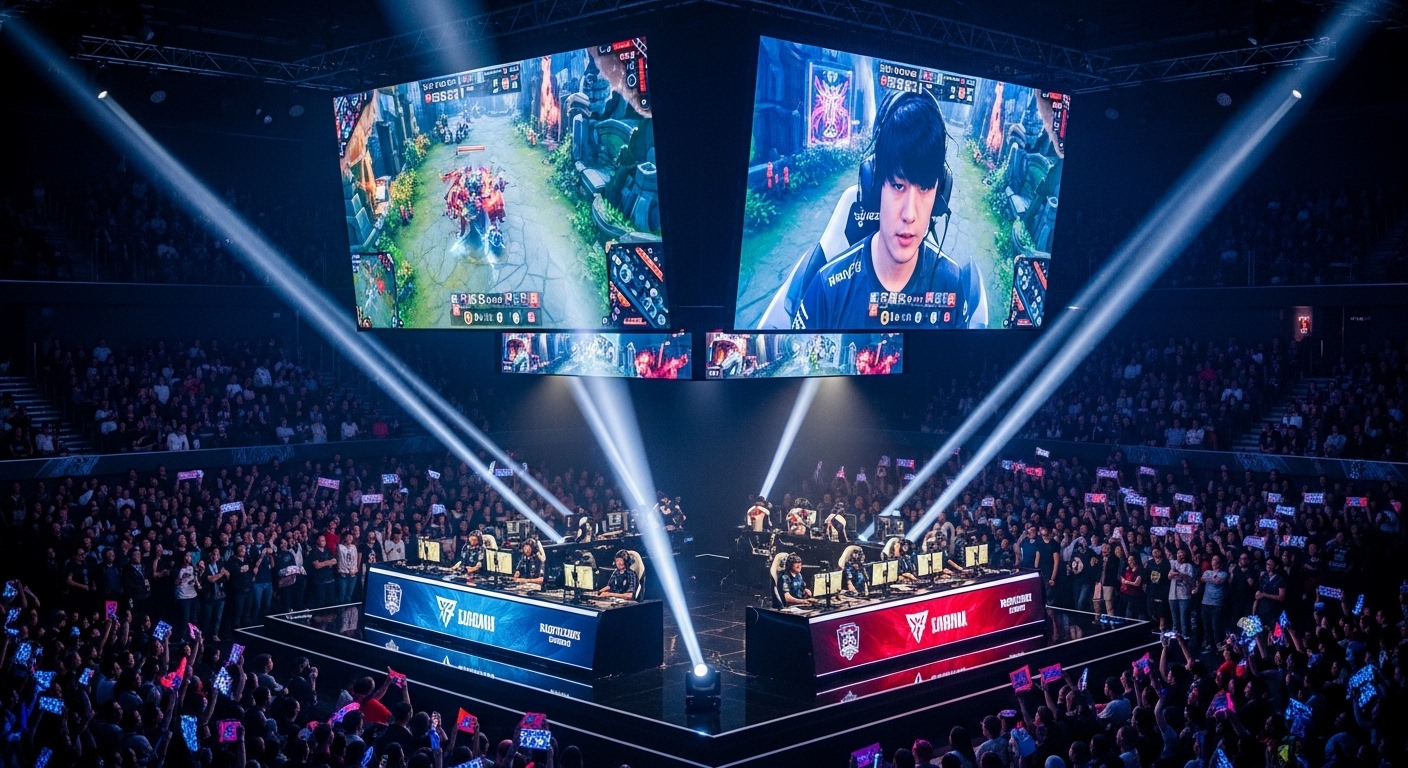
Fan culture is built on loyalty and emotion. Whether painting faces, waving flags, or chanting in stadiums, fans are integral to the atmosphere of every game. Their energy fuels athletes, and their passion keeps sports alive.
However, responsible media coverage is essential. While celebrating victories and rivalries, it must also promote integrity, respect, and fair play. Media can shape perceptions and inspire positive change when used wisely.
Sports and the Future: Embracing Diversity and Sustainability
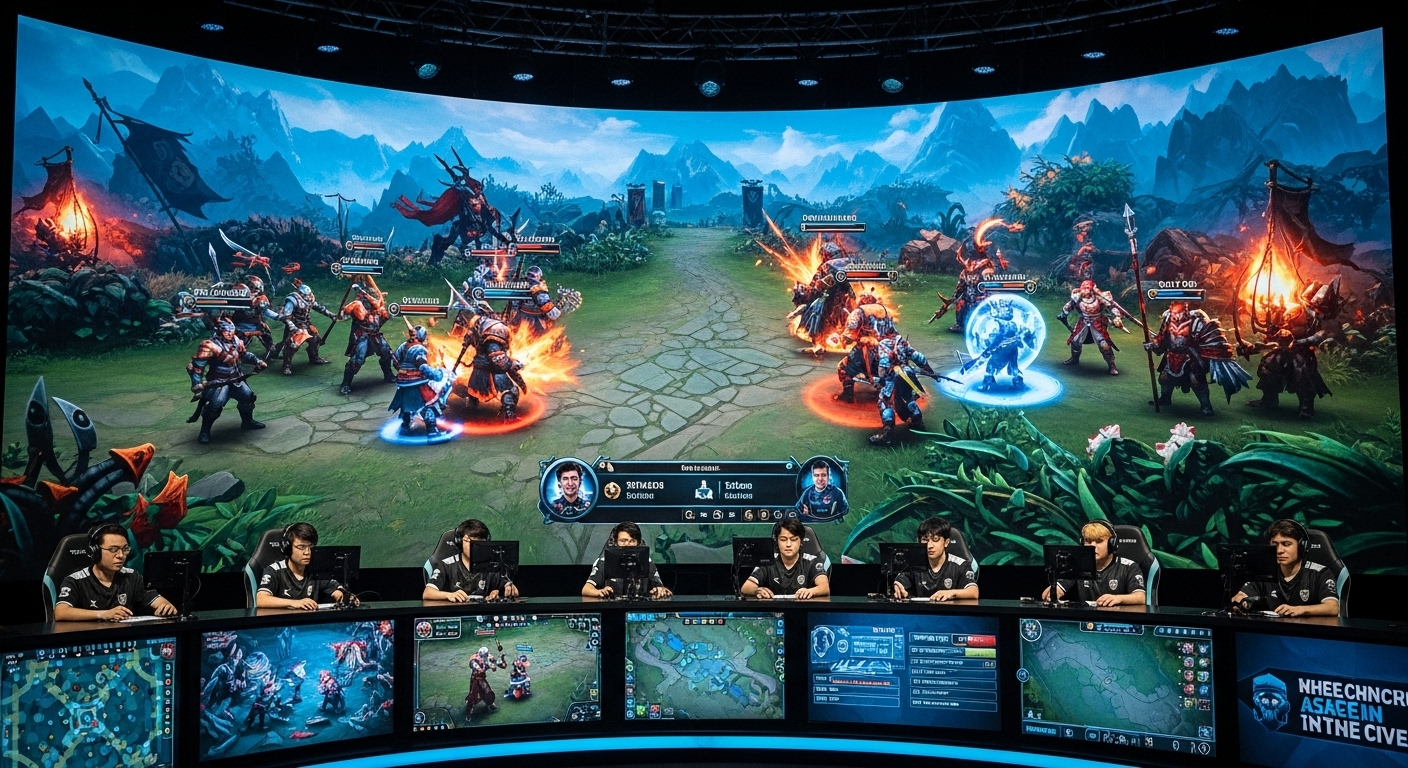
The future of sports is evolving rapidly. Inclusion, technology, and sustainability are redefining how the world plays and watches games. Para-athletes and adaptive sports are proving that determination knows no limits. E-sports are introducing a new generation to competition through digital platforms.
Sustainability has also become a priority. Eco-friendly stadiums, energy-efficient events, and awareness campaigns are making sports more responsible. As global awareness grows, the focus is shifting toward inclusivity, diversity, and community development.
The future will see sports become even more interconnected with education, health, and technology. But at its core, sports will always remain about human spirit — the will to challenge, to endure, and to inspire.
Conclusion: The Eternal Flame of Sportsmanship
Sports are a mirror of life — filled with challenges, failures, victories, and endless learning. They bring out the best in people, shaping not just bodies but minds and hearts. Every athlete’s journey is a testament to human strength and the pursuit of greatness.
The true essence of sports lies not in records or trophies but in the stories of perseverance, teamwork, and passion. They teach us to rise after every fall, to respect opponents, and to play with integrity.
As generations come and go, the spirit of sports will continue to inspire. It reminds us that while the scoreboard may show numbers, the real victory lies in the courage to play, the will to try, and the heart to never give up. Sports are not just games — they are the heartbeat of humanity, forever echoing the message that greatness begins with a dream and the determination to make it real.