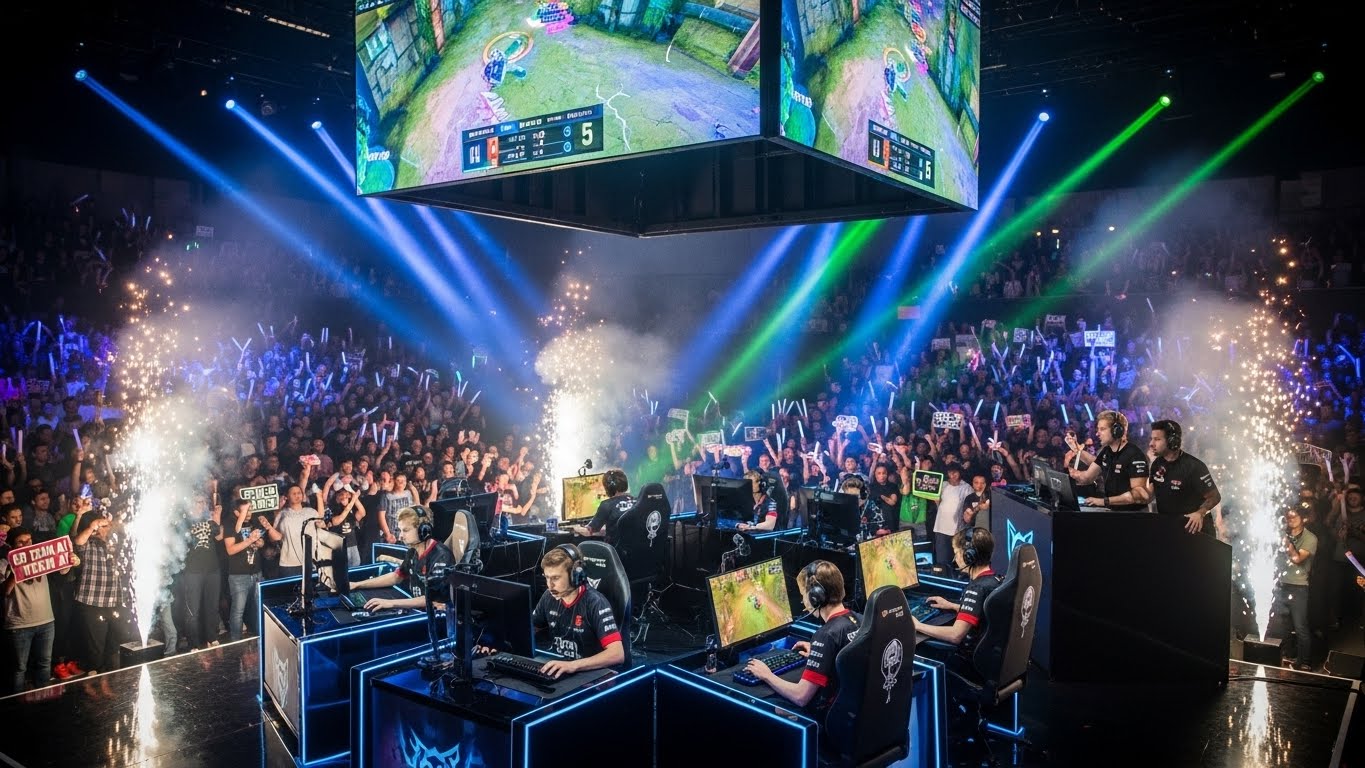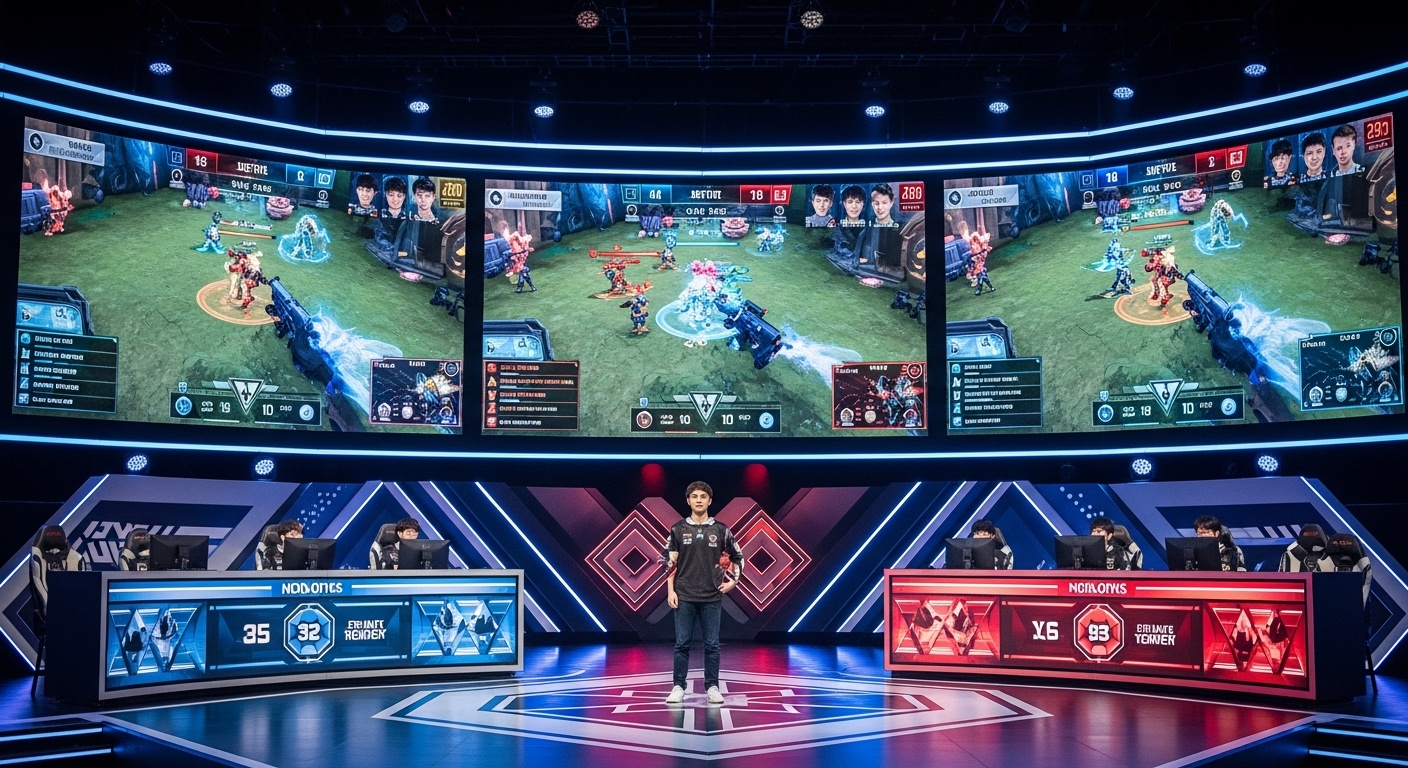
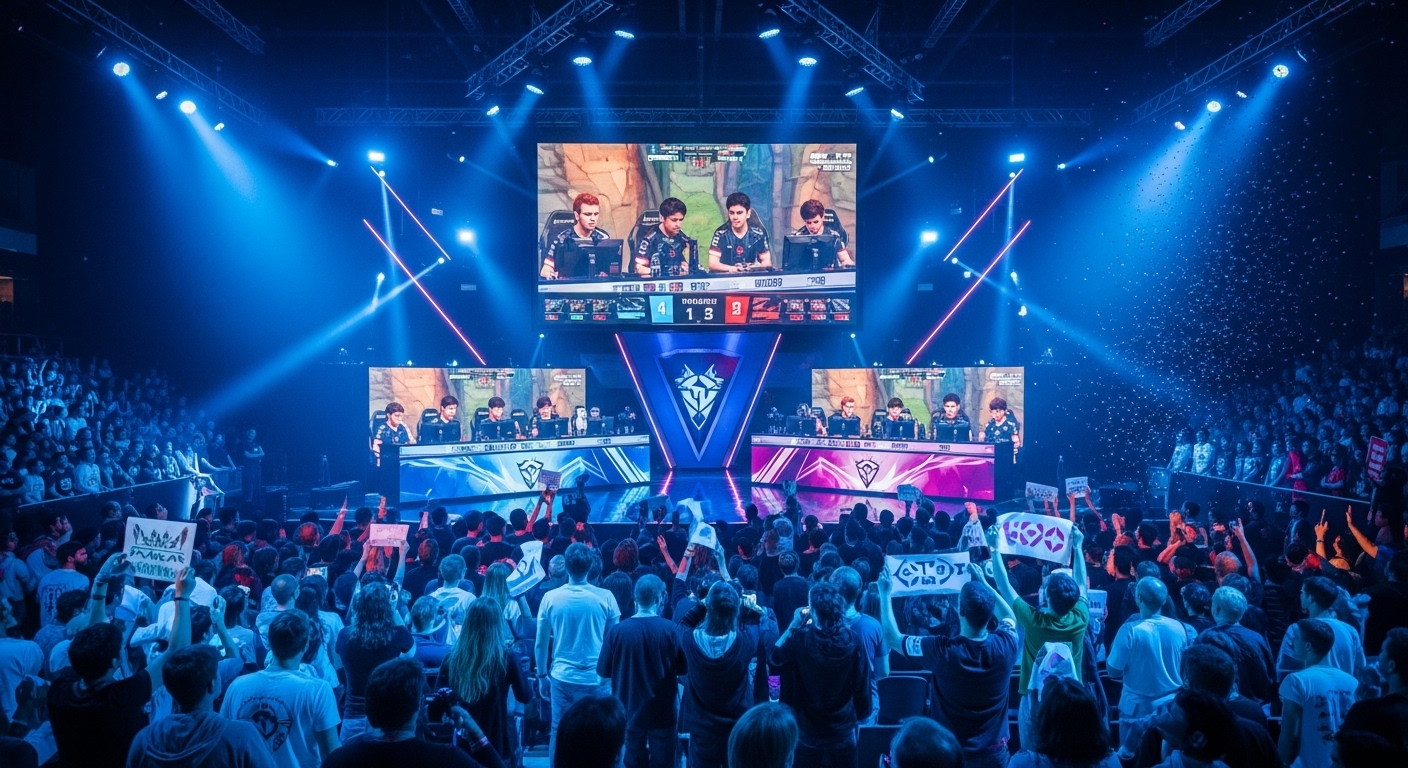
In the high-pressure world of esports, even the most talented players experience slumps—periods where performance dips due to burnout, strategy fatigue, or psychological pressure. What separates the legends from the rest, however, is the ability to bounce back, reclaim dominance, and inspire fans with unforgettable comebacks. These moments not only define individual careers but also shape team dynamics, tournament outcomes, and esports history.
This blog explores the best player comebacks after slumps, examining the challenges players face, strategies for recovery, and iconic stories of resilience across major esports titles.
Understanding Slumps in Esports
A slump in esports can manifest in multiple ways:
- Mechanical Decline: Reaction times or in-game accuracy dip, affecting performance.
- Strategic Missteps: Poor decision-making or inability to adapt to the meta.
- Mental Fatigue: Stress, burnout, or loss of motivation can impact gameplay.
- Team Dynamics: Conflicts or poor synergy with teammates may exacerbate slumps.
Unlike physical sports, esports slumps are often more psychological than physical, making mental recovery and strategy adaptation crucial.
How Players Overcome Slumps
Recovering from a slump requires discipline, self-reflection, and adaptation. Common strategies include:
- Analyzing Performance: Reviewing past games to identify mistakes and patterns.
- Training and Mechanics: Practicing fundamentals to restore confidence in execution.
- Strategic Refresh: Learning new meta strategies or adopting unconventional approaches.
- Mental Conditioning: Working with coaches or sports psychologists to improve focus, resilience, and mindset.
- Rest and Recovery: Taking short breaks to prevent burnout and regain enthusiasm.
- Community Support: Engaging with fans, mentors, or peers for encouragement and motivation.
These approaches help players regain confidence, sharpen skills, and approach competitions with renewed determination.
Iconic Esports Comebacks
1. Faker – Overcoming Early Career Struggles
Lee “Faker” Sang-hyeok, the League of Legends legend, faced early career challenges despite his natural talent. Teams doubted his adaptability, and early tournament losses put him under scrutiny. Faker’s comeback involved relentless practice, strategic innovation, and mastering multiple champions. He eventually became a three-time World Champion, demonstrating that mental fortitude and adaptability define esports greatness.
2. s1mple – From Struggles to CS:GO Domination
Oleksandr “s1mple” Kostyliev struggled with consistency in his early CS:GO career, often criticized for underperformance in key matches. Through intensive practice, mental focus, and team synergy adjustments, s1mple returned as arguably the best CS:GO player in history, winning multiple MVP awards and leading Natus Vincere to major victories.
3. ZywOo – Adapting to International Pressure
Mathieu “ZywOo” Herbaut faced a slump during his initial international tournaments due to the high pressure of competing against established teams. By analyzing gameplay, collaborating with coaches, and refining strategies, he quickly rebounded, becoming a two-time HLTV Player of the Year and one of CS:GO’s most feared talents.
4. Doublelift – From Retirement to Redemption
Yiliang “Doublelift” Peng, a legendary League of Legends ADC, faced multiple slumps due to team conflicts and inconsistent performance. After briefly retiring, he returned with renewed focus, helping Team Liquid dominate the North American scene and secure victories in domestic leagues, proving that even after career lows, comebacks are possible with determination.
5. SonicFox – Reinventing Across Fighting Games
Dominique “SonicFox” McLean experienced competitive slumps across different fighting games due to meta shifts and fatigue. By embracing new characters, refining strategies, and maintaining mental resilience, SonicFox reclaimed top positions in multiple fighting game tournaments, highlighting adaptability as a key factor in esports comebacks.
Psychological Factors in Comebacks
Recovering from a slump involves more than skill—it requires mental resilience:
- Growth Mindset: Viewing failures as opportunities to learn rather than permanent setbacks.
- Stress Management: Using mindfulness, breaks, and routine to maintain focus under pressure.
- Confidence Restoration: Small victories and practice can rebuild belief in one’s abilities.
- Support Networks: Coaches, teammates, and fans provide motivation and guidance.
The mental component often distinguishes average performers from those capable of legendary comebacks.
The Role of Team Dynamics
A player’s comeback is often influenced by their team:
- Coaching Support: Strategic guidance helps players adapt and refine performance.
- Synergy and Communication: Positive team dynamics reduce pressure and facilitate better coordination.
- Roster Adjustments: Substitutes or role swaps may alleviate stress and allow players to focus on strengths.
Teams that foster supportive environments tend to accelerate player recoveries and create pathways for sustained success.
Notable Comeback Matches
1. s1mple vs Astralis (ESL One Cologne 2018)
s1mple entered ESL One Cologne after inconsistent performances earlier in the season. His dominant play, clutch rounds, and strategic heroics led Natus Vincere to a remarkable victory, cementing his comeback as one of CS:GO’s most memorable moments.
2. Faker vs Samsung Galaxy (2017 World Finals)
After an inconsistent split, Faker’s team faced Samsung Galaxy in a high-stakes final. Faker’s leadership, adaptability, and key plays turned the series in SK Telecom’s favor, demonstrating the impact of a comeback in shaping esports history.
3. Doublelift’s NA LCS Victory (2018)
After struggling with performance in previous seasons, Doublelift returned with Team Liquid to secure an NA LCS title. His aggressive playstyle and consistency were pivotal, earning him recognition as one of North America’s top ADCs once again.
Lessons from Esports Comebacks
- Slumps Are Temporary: Even the best players face challenges, but persistence and strategy can reverse trends.
- Adaptation Is Key: Players must adjust to meta shifts, opponent strategies, and team dynamics.
- Mental Resilience Matters: Confidence, focus, and emotional management often outweigh raw skill.
- Team Support Accelerates Recovery: Coaches, teammates, and fans play essential roles in motivating players.
- Fan Engagement Can Inspire: Supportive communities encourage players to push through slumps.
Preparing for a Comeback
Players planning a comeback often focus on:
- Targeted Practice: Focusing on weaknesses identified during slumps.
- Meta Analysis: Studying current trends and opponent strategies.
- Mental Coaching: Building routines to manage pressure.
- Gradual Rebuilding: Participating in smaller tournaments to restore confidence before major events.
- Community Interaction: Engaging fans to reinforce motivation and accountability.
The Impact of Comebacks on Esports Culture
Player comebacks inspire fans, reinforce the competitive spirit, and create memorable narratives. They show that failure is not final, resilience is celebrated, and improvement is always possible. These stories motivate aspiring players, strengthen team culture, and contribute to the overall growth of esports as a professional and cultural phenomenon.
Conclusion: The Power of Resilience
Esports is a high-pressure environment, and slumps are inevitable. What separates legends from ordinary players is the ability to recover, adapt, and rise stronger. Iconic comebacks by players like Faker, s1mple, Doublelift, and SonicFox demonstrate that determination, mental fortitude, and strategic adaptation are as crucial as mechanical skill.
These comebacks not only define individual careers but also inspire the wider esports community, proving that no setback is permanent and that resilience can turn even the toughest challenges into historic triumphs.