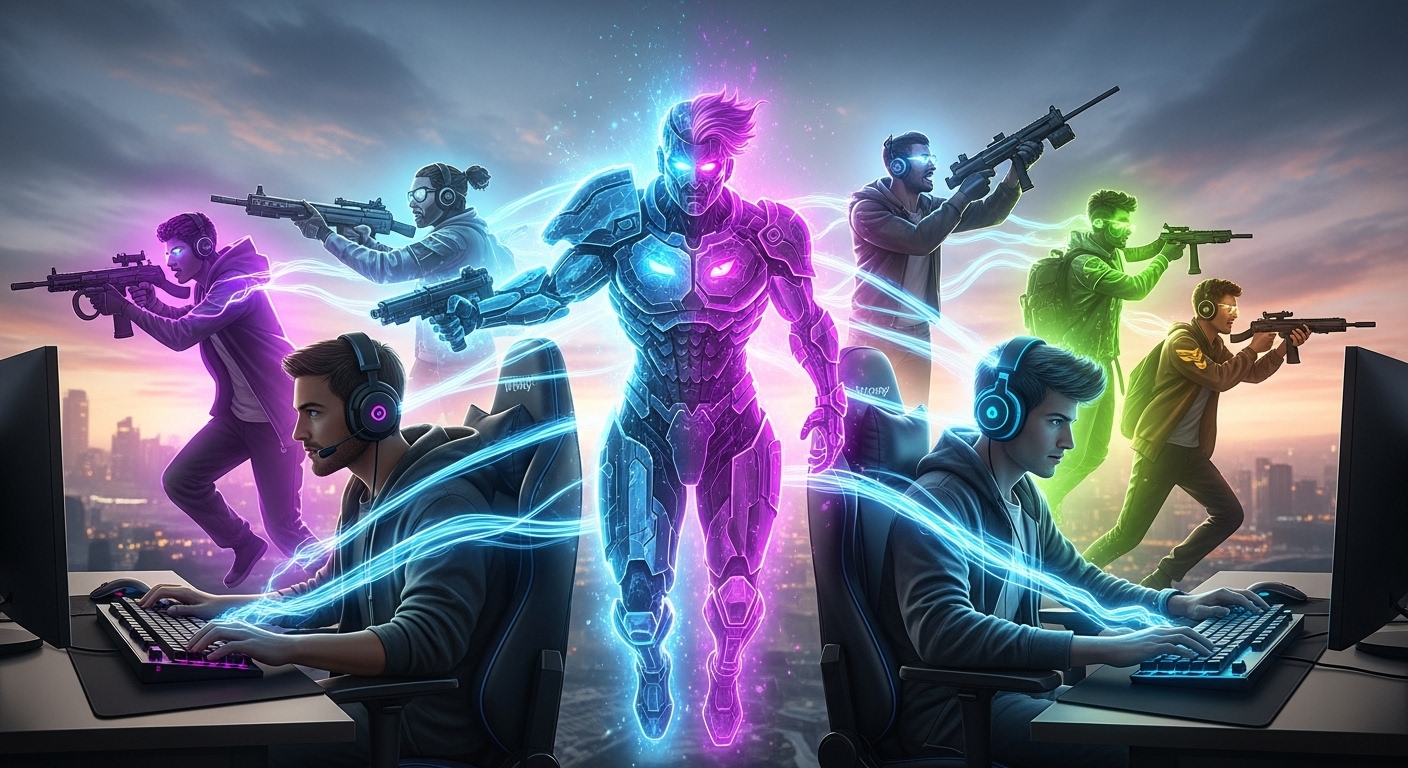
Introduction: From Basement Hobby to Stadium Spectacle
Not long ago, video games were seen as a casual pastime—something kids did after school or what adults brushed off as a distraction. Fast forward to today, and esports (short for electronic sports) has evolved into a cultural and economic powerhouse. It’s no longer just about fun; it’s about skill, teamwork, entertainment, and even national pride. Millions of fans watch tournaments live, prize pools rival those of traditional sports, and gamers have become international celebrities.
Esports has not only changed the perception of gaming but also redefined what competition means in the digital age. It’s an entire ecosystem made up of players, coaches, analysts, streamers, sponsors, and fans, all interconnected through technology and shared passion.
The Origins: When Gaming Met Competition
The roots of esports go back further than most people realize. The first recognized gaming competition took place in 1972 at Stanford University, where students competed in a game called Spacewar!. The prize? A year’s subscription to Rolling Stone magazine. It was humble, but it planted the seed for competitive gaming.
During the 1980s and 1990s, arcade and console gaming grew rapidly. Titles like Street Fighter II, Mortal Kombat, and GoldenEye 007 inspired friendly tournaments in arcades and living rooms alike. Then came the arrival of the internet, which changed everything. Suddenly, players could face off against opponents from anywhere in the world. Games like StarCraft, Counter-Strike, and Quake built early online communities that became the foundation for modern esports.
By the early 2000s, professional tournaments began to form, with companies like Major League Gaming (MLG) and the Cyberathlete Professional League (CPL) organizing official events. Gaming was becoming serious business.
The 2000s: The Birth of a New Industry
The turn of the millennium marked a defining moment. Broadband internet became widespread, streaming technologies improved, and gaming itself reached new levels of complexity and competitiveness. Esports started to gain structure—complete with professional players, teams, sponsors, and fans.
Games like Counter-Strike 1.6, Warcraft III, and Dota shaped the first true generation of professional gamers. South Korea emerged as the heart of the scene, with StarCraft tournaments drawing television audiences in the millions. Players became national icons, and esports was even recognized as a legitimate sporting activity by the Korean government.
Meanwhile, in the West, MLG events began filling convention centers. The community was growing fast, but it still felt underground—more subculture than mainstream. Yet, the foundation was solid, and everything was ready for an explosion.
Streaming: The Catalyst for Global Popularity
If there’s one factor that transformed esports from niche to global, it’s streaming. Platforms like Twitch, YouTube Gaming, and later Facebook Gaming made it possible for anyone to watch live competitions with just a click.
Before streaming, esports was hard to access. You had to be physically present at an event or wait for recorded highlights. Streaming changed that forever. Now fans could follow their favorite players and teams live, interact in chat, and feel like part of the action.
By the mid-2010s, millions of viewers were tuning in to tournaments like The International (for Dota 2), League of Legends World Championship, and CS:GO Majors. The numbers were staggering—sometimes even surpassing those of traditional sports broadcasts. Esports had officially arrived.
The Games That Shaped the Scene
Not every game becomes an esport. To sustain competitive play, a title needs balance, depth, and an engaged community. Over time, several standout games have come to define the genre.
League of Legends
Released in 2009, League of Legends quickly became one of the most played games in the world. Its developer, Riot Games, invested heavily in infrastructure, regional leagues, and annual global championships. The result was a thriving ecosystem that set the gold standard for esports organization.
Dota 2
Valve’s Dota 2 has built its reputation on competitive excellence and astronomical prize pools. Its flagship event, The International, often features tens of millions of dollars in winnings, largely crowdfunded by the community. It’s a testament to how passionate fans can drive the success of a game.
Counter-Strike: Global Offensive
CS:GO represents the purest form of team-based competition. It’s simple to understand—two teams, one attacking, one defending—but the skill ceiling is incredibly high. With over two decades of history, Counter-Strike remains one of the longest-running and most respected esports titles.
Fortnite
Epic Games’ Fortnite blurred the lines between entertainment and esports. Its flashy presentation, celebrity tournaments, and massive prize events like the Fortnite World Cup brought a new generation of players and fans into the fold.
Other Influential Titles
Games like Overwatch, Valorant, Rocket League, PUBG, and Call of Duty have each contributed their flavor to the esports world. Each appeals to different audiences, showing that there’s room for variety in this growing industry.
Behind the Scenes: Teams, Coaches, and Analysts
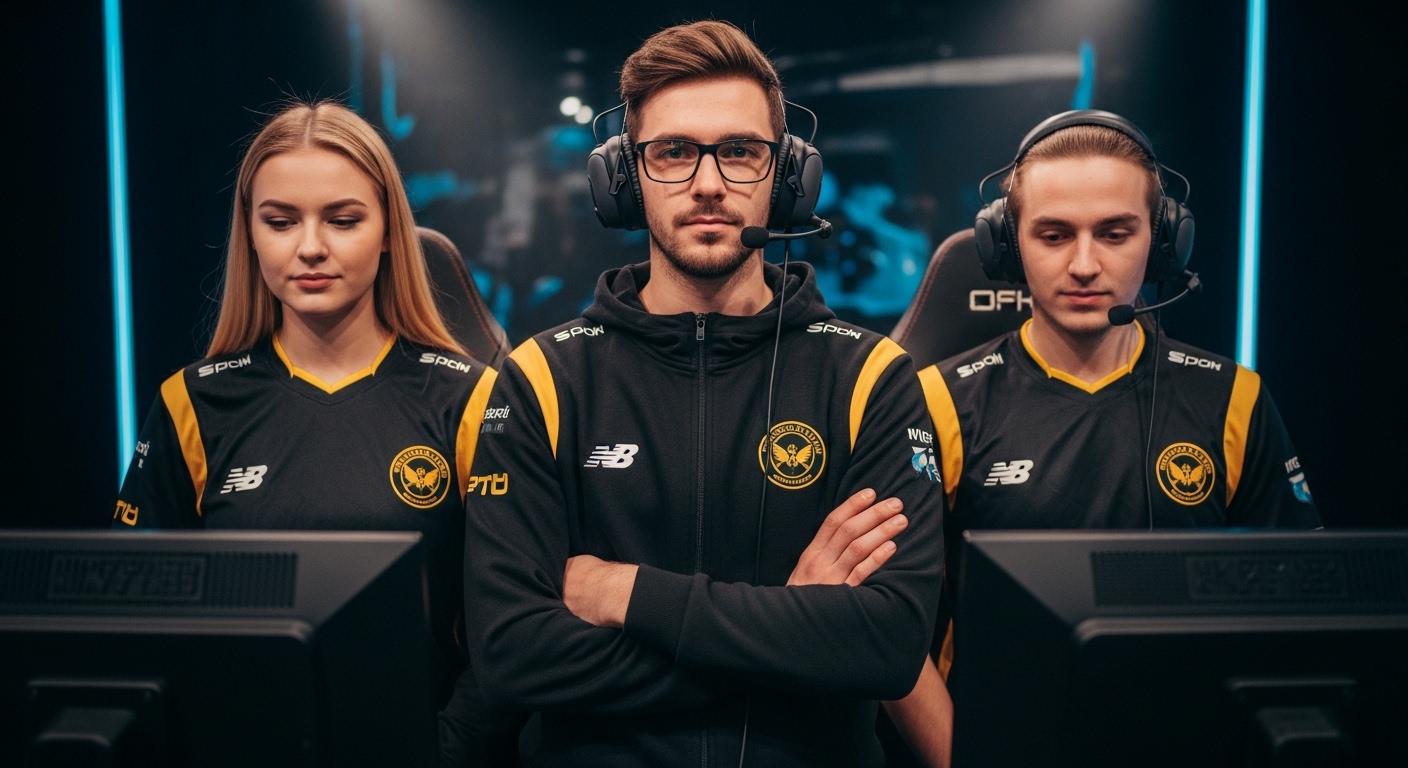
While players are the faces of esports, an entire support system stands behind them. Professional teams operate much like traditional sports franchises, complete with managers, coaches, analysts, and even psychologists.
Teams such as T1, FaZe Clan, Cloud9, G2 Esports, and Team Liquid are not just gaming squads—they’re brands with global fanbases. They sign sponsorships, sell merchandise, and even own content houses where players live, train, and stream together.
Coaches study strategies, opponents, and game patches to keep their teams competitive. Analysts crunch data to find weaknesses and opportunities. Some organizations hire nutritionists and mental health experts to ensure players stay at their best. The level of professionalism rivals that of top-tier athletic clubs.
The Business of Esports
Esports has grown into a billion-dollar industry. The revenue comes from multiple streams: sponsorships, media rights, advertising, ticket sales, and merchandise. Major brands—from tech companies to energy drinks to car manufacturers—have entered the scene, recognizing the potential of reaching young, digitally native audiences.
Franchise-style leagues, like the Overwatch League and Call of Duty League, have tried to model themselves after traditional sports, with city-based teams and structured seasons. While not all have been equally successful, they’ve shown that esports can sustain professional structures long-term.
Moreover, esports events now fill arenas and stadiums. The 2018 League of Legends World Championship finals in South Korea drew more than 100 million viewers globally. That’s comparable to the Super Bowl audience—except this was for a video game.
Players: The New Generation of Athletes
The idea of a gamer being an athlete still sparks debate, but when you look at the skill, discipline, and mental endurance required at the highest level, the comparison becomes hard to deny.
Professional esports players practice for 8 to 12 hours a day, honing reflexes, teamwork, and communication. They study replays, develop strategies, and maintain strict schedules. Many retire young—often before 30—due to burnout or the sheer intensity of competition.
The success stories are remarkable. Players like Faker (League of Legends), s1mple (CS:GO), and Dendi (Dota 2) have achieved legendary status, earning not only massive prize money but also the admiration of millions.
The Role of Fans and Community
Esports thrives because of its fans. The community-driven nature of gaming means that fans don’t just watch—they participate. They create content, build forums, make memes, and support players through live streams and social media.
Unlike traditional sports, the barrier between pros and fans is thin. You can literally play the same game as your favorite competitor, sometimes even against them. This accessibility creates a sense of connection that no other entertainment form can replicate.
Colleges, Scholarships, and Careers
What was once dismissed as a waste of time is now opening doors for education and career growth. Universities around the world offer esports scholarships, degrees in gaming management, and dedicated arenas for competitions. Schools have varsity esports teams, and tournaments are held at the high school level too.
Beyond playing, esports offers countless career paths: broadcasting, event production, marketing, coaching, data analysis, and game design. The industry needs not just players but professionals who can manage the expanding business around it.
Challenges Facing Esports
As fast as esports has grown, it’s not without its hurdles. The industry is still young, and growing pains are inevitable.
Player Burnout
The demanding schedules and constant competition can lead to mental and physical fatigue. Unlike traditional athletes, gamers often lack structured breaks or off-seasons, leading to early retirements.
Financial Stability
While top players earn millions, many lower-tier competitors struggle financially. Esports needs better infrastructure to support mid-level players, ensure fair contracts, and establish long-term sustainability.
Cheating and Integrity Issues
With so much at stake, issues like cheating, match-fixing, and doping (yes, even in esports) have surfaced. Maintaining integrity is crucial for credibility.
Gender and Inclusion
Despite a large number of female gamers, esports remains male-dominated at the professional level. Encouraging diversity and creating safer spaces for all players is essential for the industry’s maturity.
Health and Longevity
Sitting for long hours, eye strain, and repetitive motion injuries are genuine concerns. Teams are now investing in better health programs, but awareness still needs to grow.
Esports and Traditional Sports: A Growing Connection
Interestingly, the line between esports and traditional sports keeps blurring. Many traditional sports franchises have invested in esports divisions. Football clubs like Paris Saint-Germain, FC Barcelona, and Manchester City own esports teams. Even the NBA has its own official esports league—the NBA 2K League.
The reason is simple: esports reaches audiences that traditional sports sometimes miss. Younger generations are more likely to stream Valorant or League of Legends than watch cable television. Sports organizations see esports as the future of engagement.
Technology’s Role in the Future of Esports
Esports would not exist without technology, and its future depends on it more than ever. Advancements in virtual reality, artificial intelligence, and cloud gaming are shaping new possibilities.
Virtual Reality (VR) and Augmented Reality (AR)
Imagine stepping into a virtual arena or physically controlling your in-game avatar through motion tracking. VR esports is still in its early stages, but games like Beat Saber and Echo Arena are pushing the boundaries of interactive competition.
Artificial Intelligence and Analytics
AI tools are already being used to analyze gameplay, suggest strategies, and improve player performance. Teams use data analytics to study opponents much like coaches in football or basketball do.
5G and Cloud Gaming
Faster connectivity means smoother gameplay and less lag—crucial factors in competitive gaming. Cloud gaming also makes high-quality games more accessible to players without expensive hardware, broadening the potential player base.
Cultural Impact: More Than Just Games
Esports isn’t only about competition; it’s about culture. It influences music, fashion, and entertainment. Major artists perform at gaming events, esports stars appear in commercials, and gaming-inspired streetwear has become a trend.
It also bridges cultural gaps. Players from different continents compete together, fans cheer across languages, and global communities form around shared digital experiences. In a world that often feels divided, esports serves as a surprisingly unifying force.
The Pandemic and Its Acceleration of Growth
When the COVID-19 pandemic hit, traditional sports shut down. Stadiums went dark, seasons paused—but esports thrived. Online competition allowed it to continue uninterrupted, drawing millions of new viewers.
Even traditional athletes began participating in virtual competitions, streaming themselves playing FIFA or NBA 2K. For many, esports was their first taste of organized digital competition, and it opened minds to the possibilities of the medium.
Looking Ahead: The Next Decade of Esports
The future of esports is bright but unpredictable. The industry will continue to evolve as technology, regulation, and fan expectations shift.
We’ll likely see more integration with mainstream media, better player welfare systems, and stronger grassroots programs. Virtual reality might become commonplace, and perhaps one day, esports will sit side by side with the Olympics as an official event—a dream that’s already being discussed seriously.
What’s certain is that esports is here to stay. It’s no longer the underdog—it’s a leader in global entertainment.
Conclusion: More Than a Game
Esports represents the spirit of a new era—one defined by technology, connection, and creativity. It’s the story of how play became passion, and passion became profession. What began as a few gamers competing for bragging rights has turned into an industry that moves millions of people and billions of dollars.
At its core, esports reminds us that competition doesn’t have to happen on a field or a court. Sometimes, it happens on a digital battlefield, where reflexes, strategy, and teamwork define greatness. And for a generation raised online, that’s not just normal—it’s inspiring.