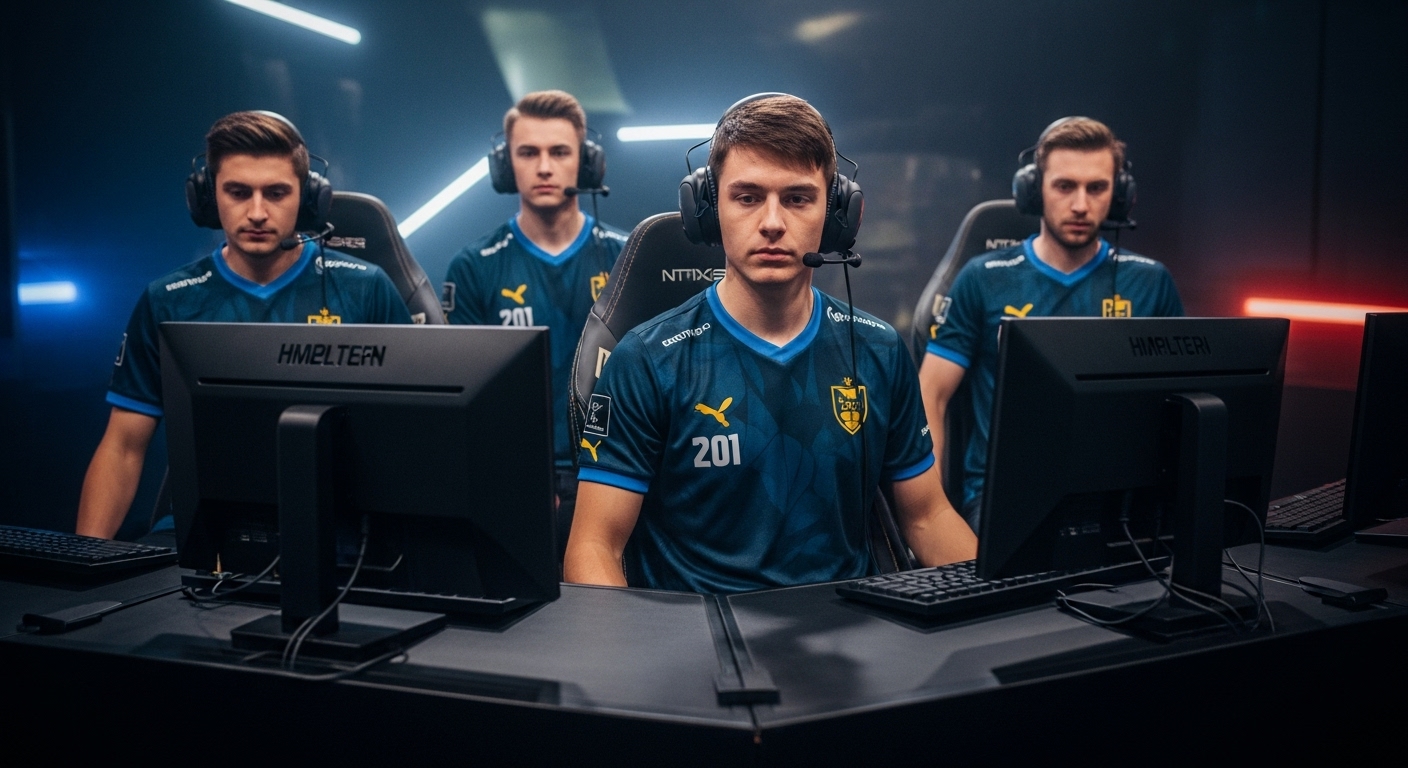
Introduction: The New Frontier of Sports
Esports, or electronic sports, has rapidly transformed from a niche hobby into a global entertainment powerhouse. Competitive gaming now captivates millions of fans worldwide, drawing parallels with traditional sports in terms of excitement, skill, and community. This blog explores the rise of esports, its influence, and what makes it such a compelling phenomenon.
The Origins of Esports
The roots of esports trace back to the late 20th century, when video games started gaining popularity. Early competitions were simple and small-scale, often among friends or local communities. Games like Space Invaders and Street Fighter were among the first to inspire competition. Over time, improved technology and internet connectivity paved the way for organized tournaments and online matches.
Popular Games That Drive Esports
Esports covers a variety of genres and titles. Some of the most popular games include multiplayer online battle arenas (MOBAs) like League of Legends and Dota 2, first-person shooters (FPS) such as Counter-Strike and Valorant, and real-time strategy games like StarCraft. Sports simulators like FIFA and NBA 2K also attract competitive players. Each game offers unique challenges, fostering diverse communities.
What Makes Esports Unique?
Unlike traditional sports, esports blends physical dexterity with strategic thinking and lightning-fast decision-making. Players must master complex mechanics, communicate effectively with teammates, and adapt to ever-changing game environments. The digital nature of esports also allows fans to engage in real-time through live streams, social media, and interactive content.
The Esports Ecosystem
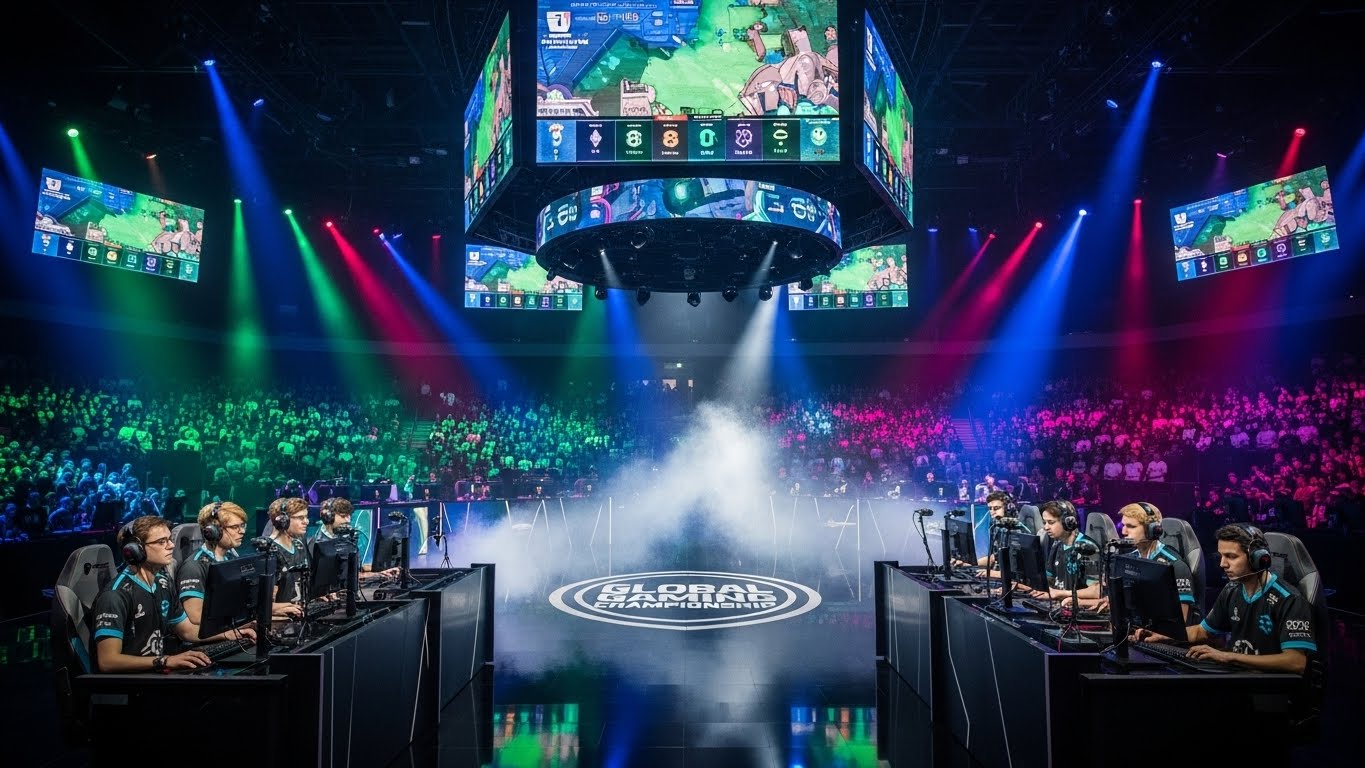
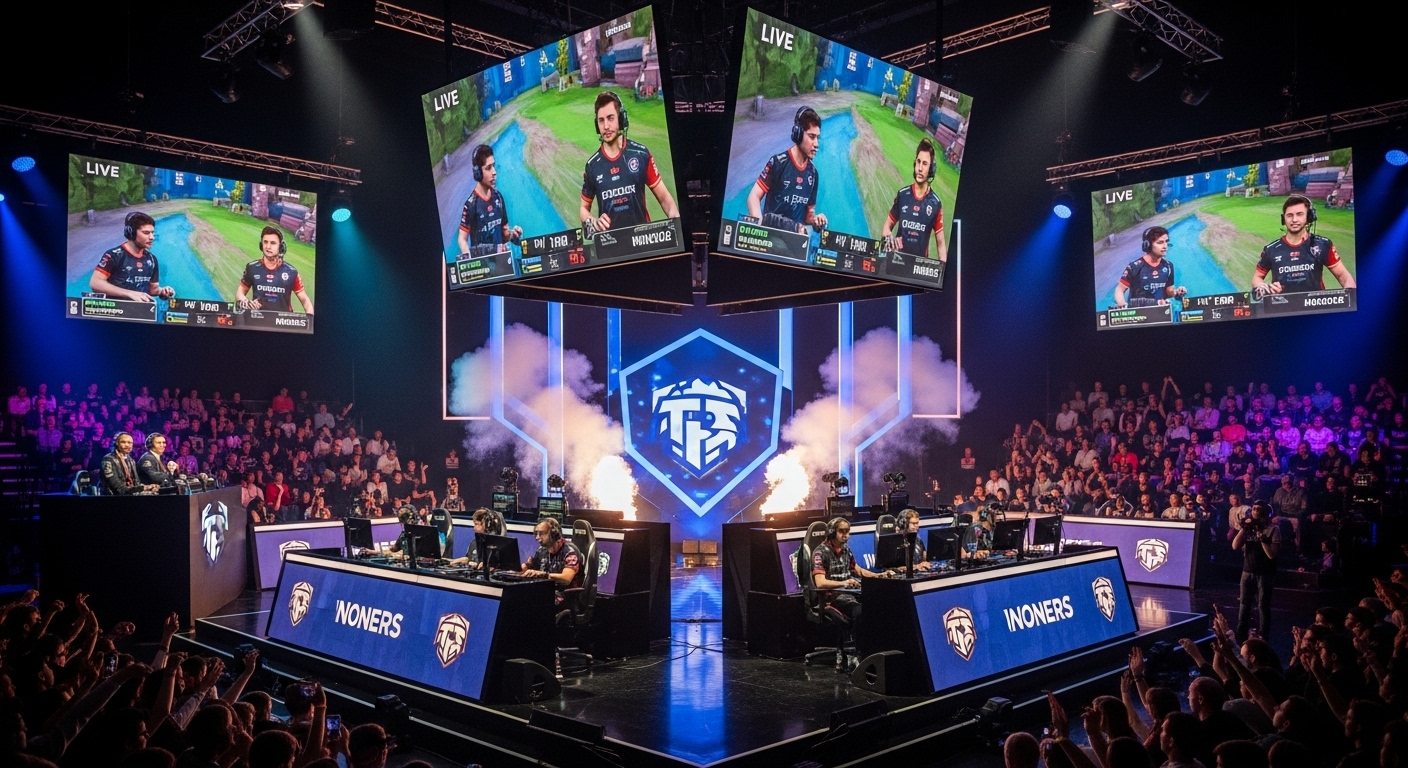
Esports is supported by a vast infrastructure that includes professional teams, tournament organizers, sponsors, broadcasters, and streaming platforms. Players often have coaching staffs and support teams to optimize performance. Major events fill arenas and attract millions of online viewers, generating significant revenue through sponsorships, advertising, and merchandise.
The Rise of Esports Athletes
Esports professionals train rigorously, dedicating countless hours to practice and strategy. Their skills earn them recognition, sponsorships, and even celebrity status. The lifestyle of an esports athlete can be demanding, requiring mental focus, physical health maintenance, and a strong support system. Many players inspire fans worldwide, becoming role models for aspiring gamers.
Challenges in the Esports Industry
Despite its success, esports faces challenges such as player burnout, inconsistent income for newcomers, and the need for better governance. Issues like cheating, toxic behavior in gaming communities, and unequal opportunities also require ongoing attention. Industry leaders are working to create sustainable models and safer environments for all participants.
The Future of Competitive Gaming
The future of esports looks promising with advances in technology like virtual reality and cloud gaming. As esports continues to grow, it may become more integrated with traditional sports and mainstream media. Educational institutions are beginning to offer scholarships and programs, recognizing esports as a legitimate field. This evolution suggests a long-lasting place for esports in global culture.
Conclusion: A Digital Revolution in Entertainment
Esports represents a revolution in how people connect, compete, and consume entertainment. Its rapid growth reflects the changing landscape of sports and media in the digital age. For fans and players alike, esports offers a vibrant community and thrilling competition. As it continues to evolve, esports is poised to shape the future of global entertainment in exciting ways.