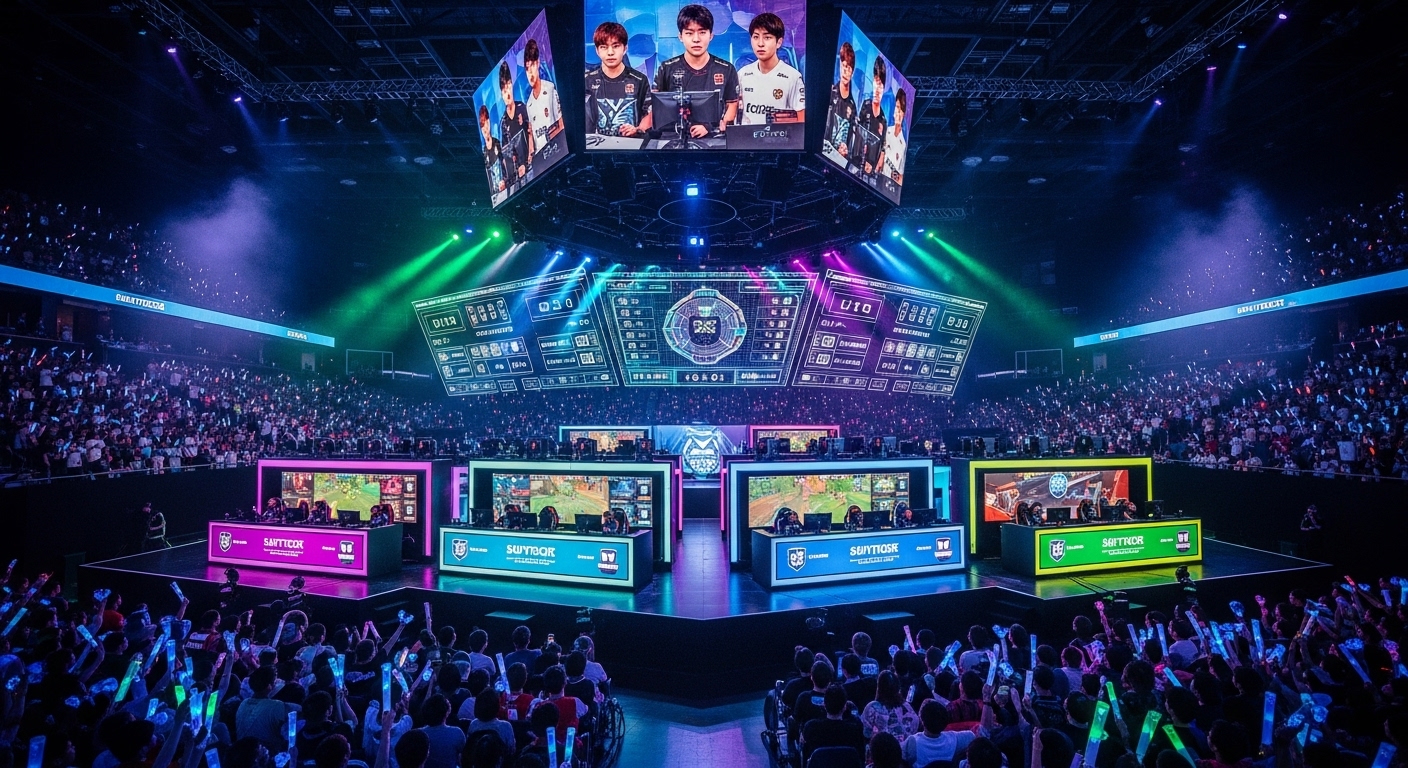
Introduction: The Rise of Esports
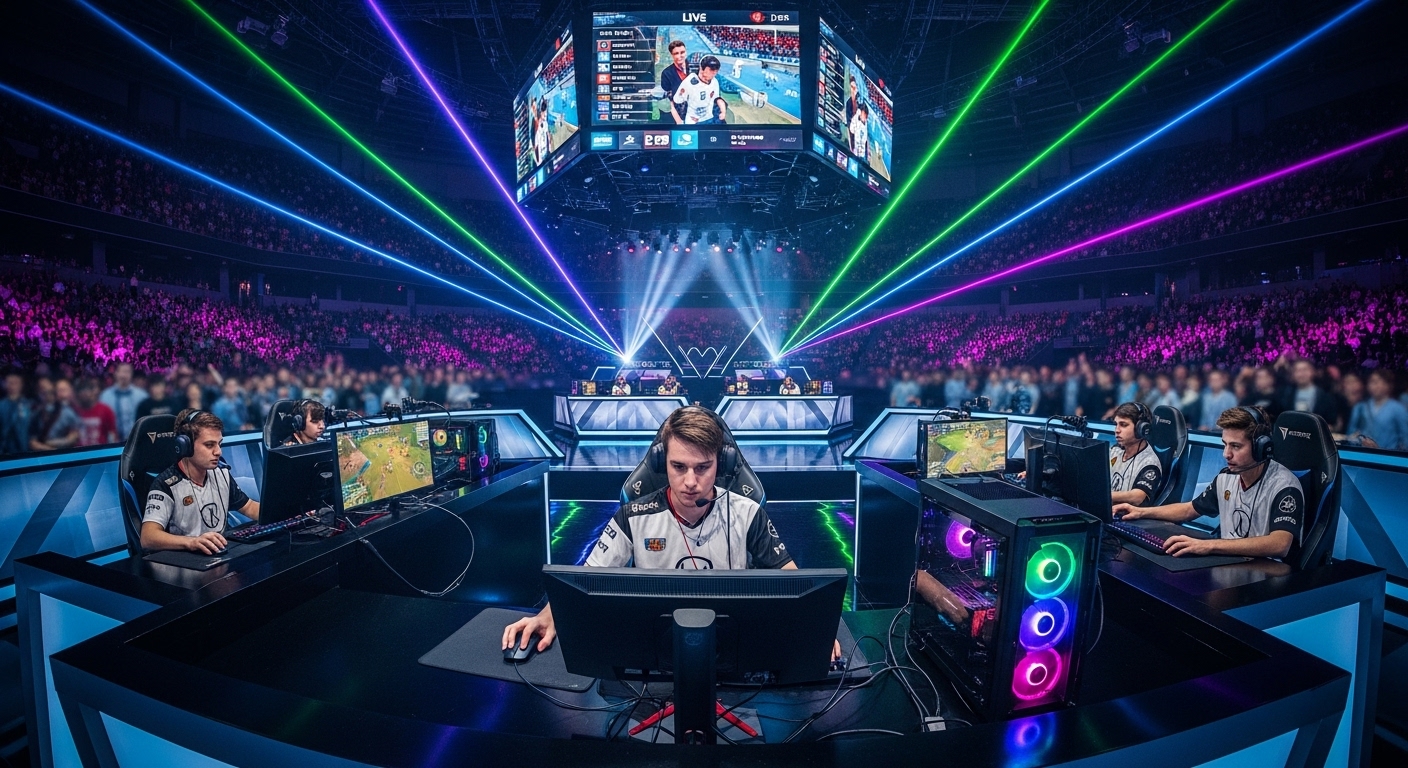
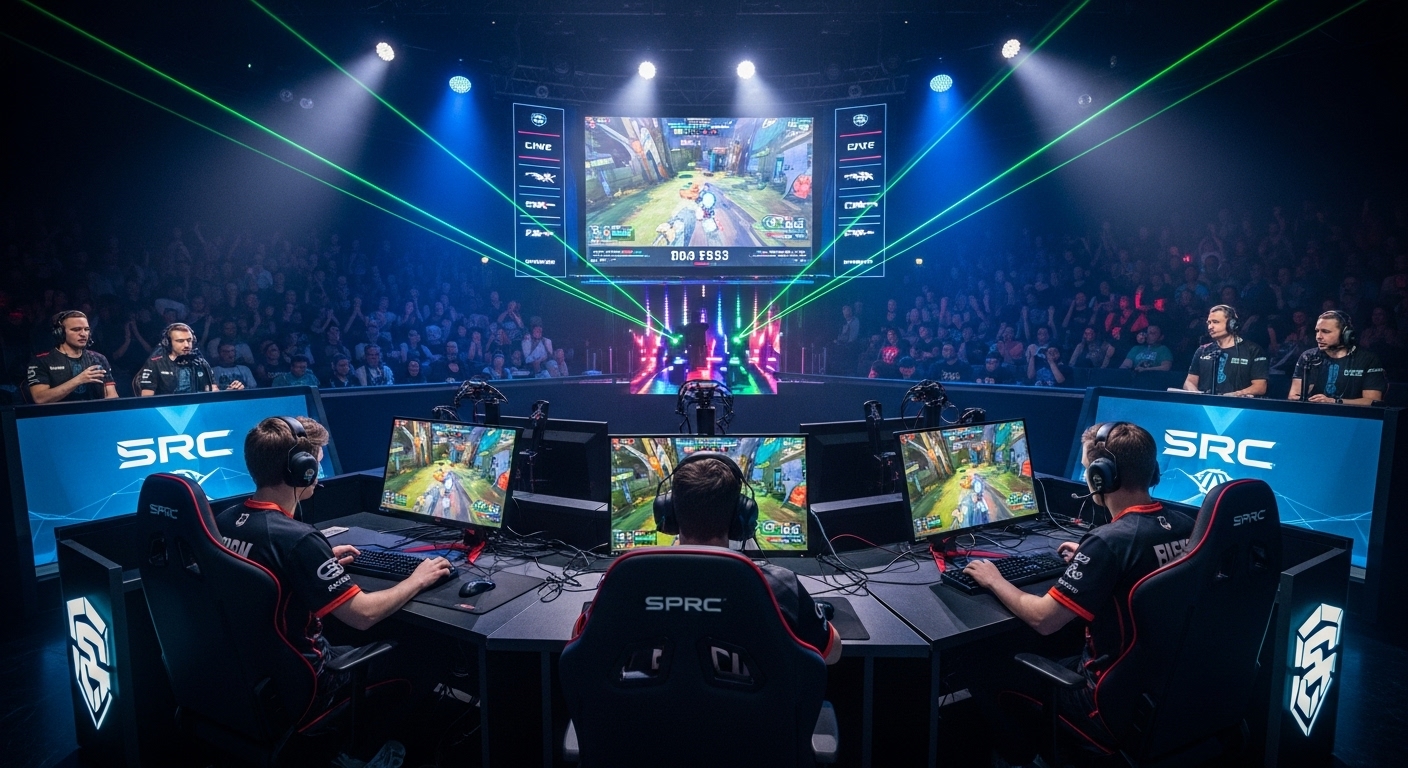
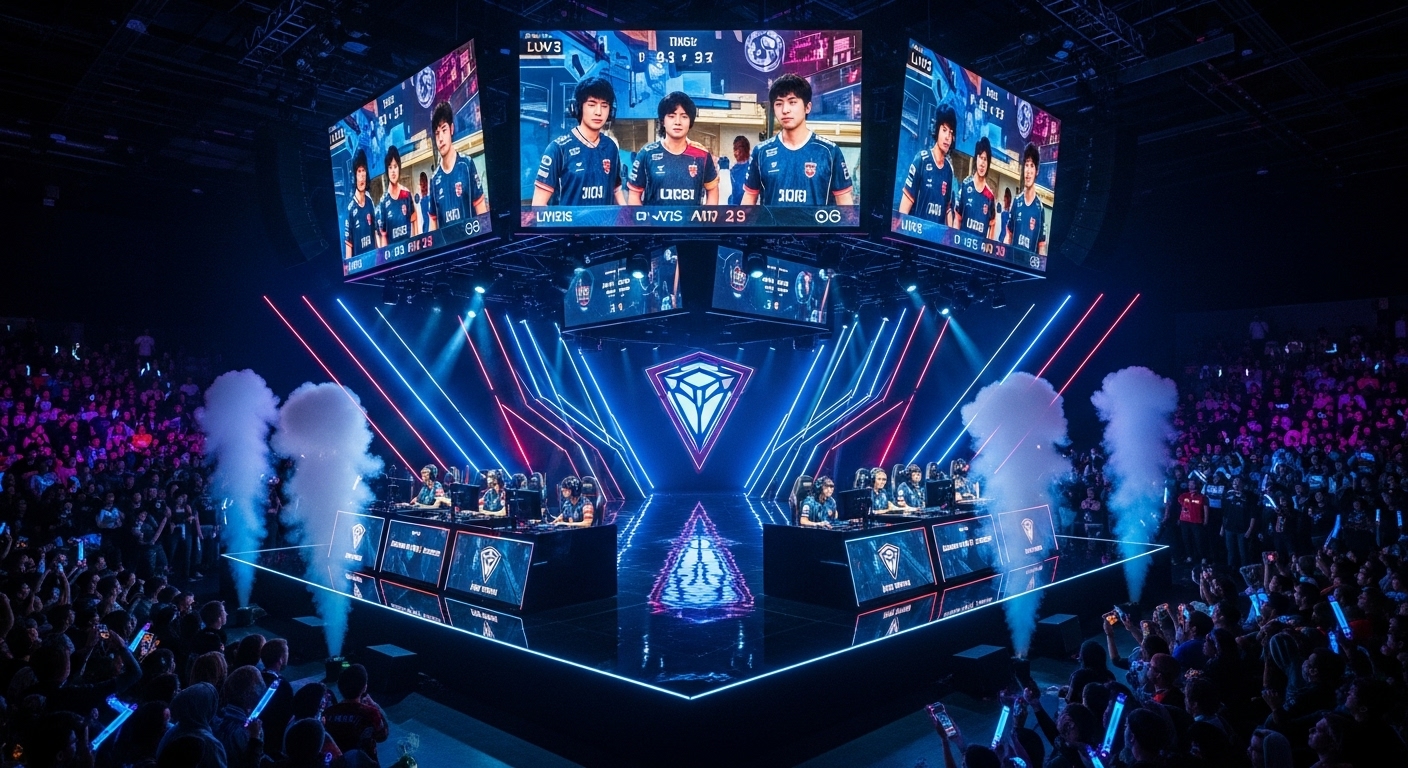
Esports has transformed gaming from a casual hobby into a global competitive phenomenon. Millions of players participate in online tournaments, while fans around the world watch live events, creating a culture that blends entertainment, strategy, and athleticism. What was once a niche community has grown into a professional industry with international recognition, sponsorships, and career opportunities for talented players.
The Evolution of Competitive Gaming
The journey of esports began with simple online competitions and LAN parties, gradually evolving into large-scale tournaments with multi-million-dollar prize pools. With advancements in internet technology, streaming platforms, and gaming hardware, esports has grown into a structured industry. Professional teams now operate like traditional sports franchises, with coaching, analytics, and rigorous training schedules. The evolution of esports reflects the increasing recognition of gaming as a serious, skill-based competition.
Popular Esports Games
Esports spans a wide range of game genres, each with unique challenges and strategies:
- Multiplayer Online Battle Arenas (MOBAs): Games like League of Legends and Dota 2 emphasize teamwork, strategy, and coordination.
- First-Person Shooters (FPS): Titles such as Counter-Strike and Call of Duty test reflexes, precision, and tactical thinking.
- Battle Royale Games: Fortnite and similar games combine survival instincts with strategic planning in large-scale competitions.
- Sports Simulations and Fighting Games: Titles like FIFA and Street Fighter bring traditional sports and competitive fighting into the digital arena.
Each game creates its own competitive ecosystem and attracts a dedicated global audience.
Social and Cultural Impact
Esports is reshaping social interactions and entertainment culture. Online communities bring fans together, while live events and tournaments provide shared experiences and fan engagement. Streaming platforms allow players to connect directly with audiences, fostering personality-driven content and global fanbases. Beyond entertainment, esports encourages collaboration, communication, and critical thinking, highlighting the cognitive and social benefits of competitive gaming.
The Professional Side of Esports
Professional esports players treat gaming as a career, often dedicating hours to practice, strategy, and teamwork. Coaches, analysts, and performance psychologists support players to maintain peak performance. Many players travel internationally for tournaments, participate in sponsorships, and earn substantial income, comparable to traditional sports professionals. Esports has become a legitimate career path, offering stability, growth, and recognition for skilled players.
Challenges and Opportunities
While esports is booming, it faces challenges such as player burnout, mental health issues, and ensuring fair competition. Regulatory frameworks are still developing, and the industry must balance rapid growth with sustainability. Despite these challenges, esports presents tremendous opportunities, from technological innovations in streaming and virtual arenas to educational programs that nurture the next generation of players.
Conclusion: The Future of Esports
Esports is more than just gaming; it is a cultural revolution, a professional pursuit, and a global form of entertainment. With continuous growth, technological advancements, and expanding audiences, esports is poised to redefine competitive sports and digital entertainment. The competitive spirit, creativity, and skill within esports ensure that it will remain a dynamic and influential part of the modern gaming landscape for years to come.