Introduction
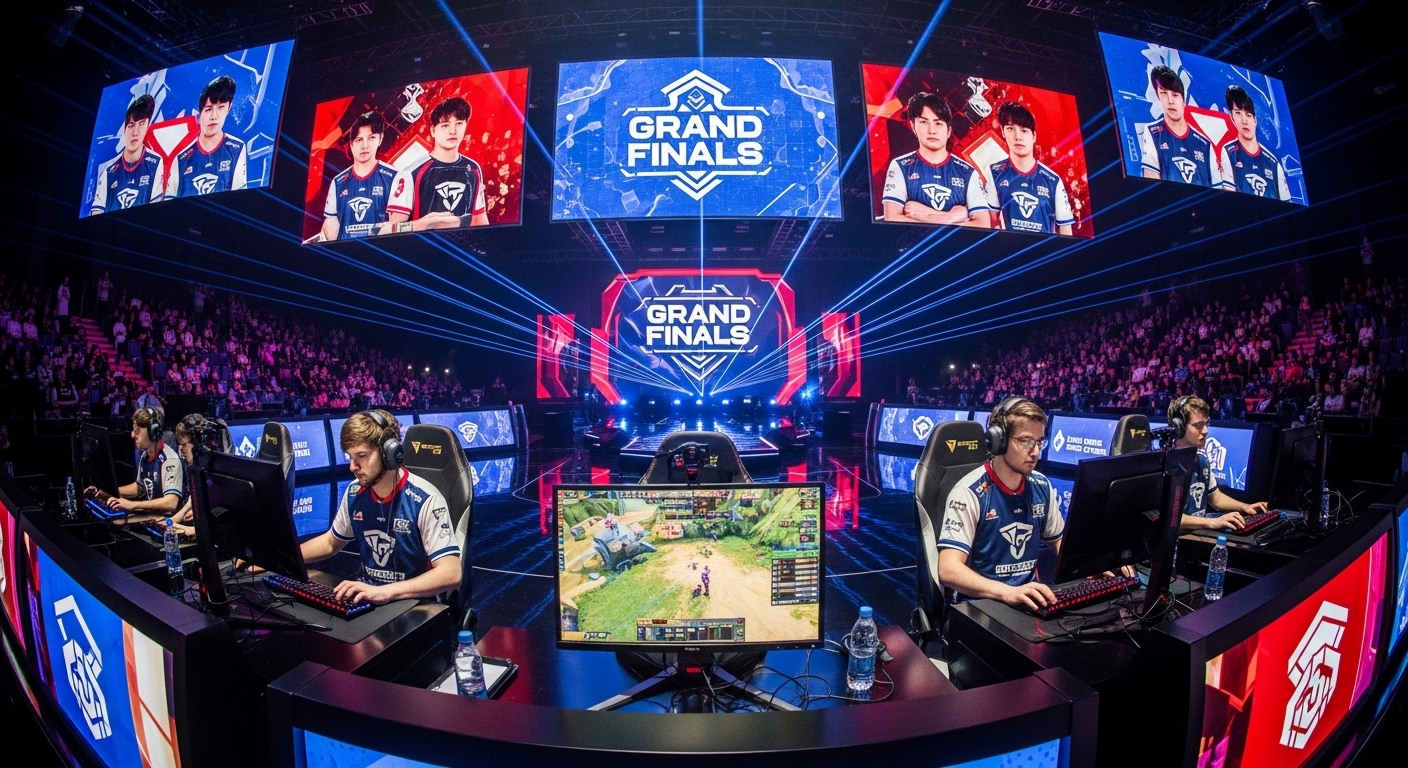
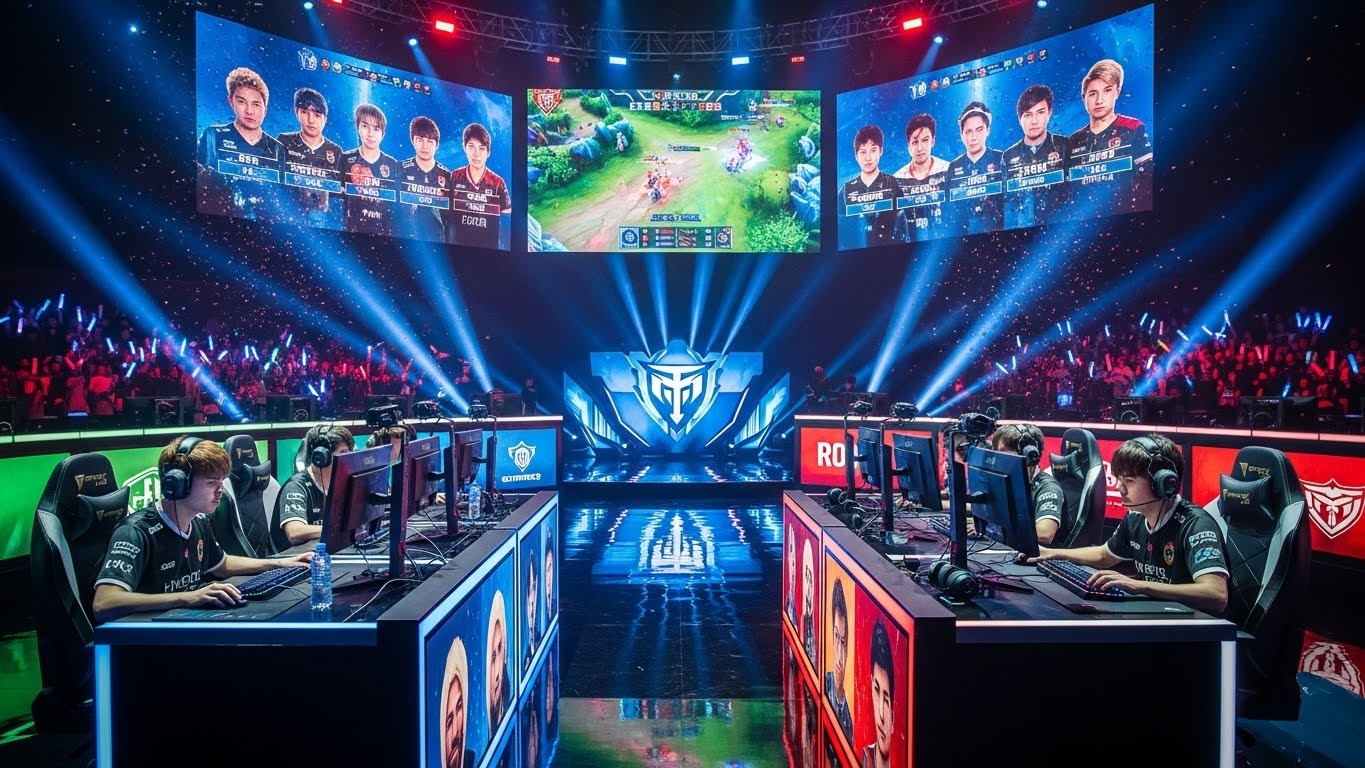
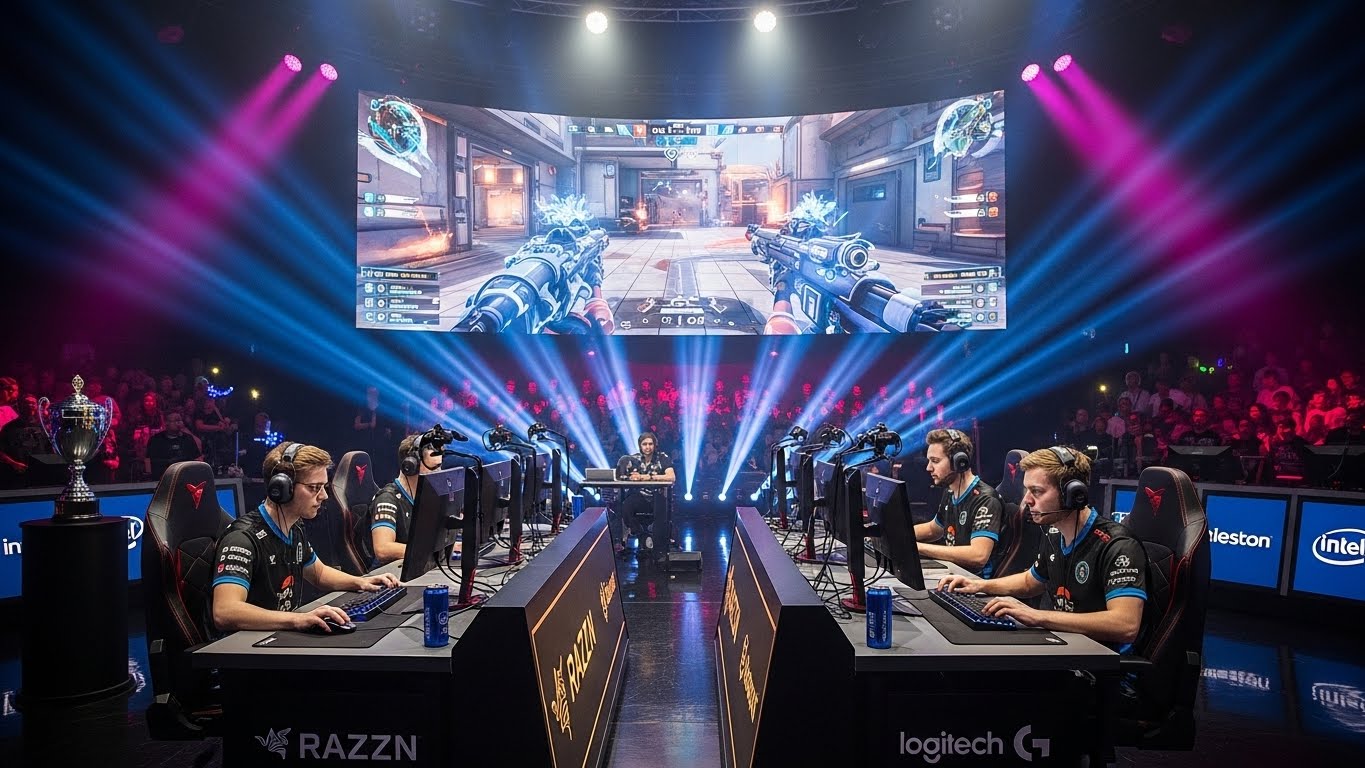
Esports has transformed from a casual pastime into a worldwide cultural phenomenon. What was once a hobby for small groups of gamers has now become a professional industry with massive tournaments, celebrity players, and millions of spectators. This blog explores how esports has evolved, its impact on society, and the opportunities and challenges it presents.
The Birth and Growth of Esports
Esports began in the early days of competitive video gaming, with players gathering at arcades or small local events to test their skills. Games like StarCraft, Counter-Strike, and Dota played a key role in establishing competitive gaming as a serious activity. The rise of the internet allowed gamers to compete across continents, fostering a global community and laying the groundwork for large-scale esports tournaments.
Professionalization and Career Opportunities
Esports is no longer just about playing games for fun; it has become a viable career path. Professional players, coaches, analysts, and streamers can earn significant incomes through competitions, sponsorships, and content creation. Educational institutions have recognized the growing industry by offering scholarships and courses in esports management, event organization, and game development. These developments show that gaming can be a legitimate and rewarding profession.
Influence on Youth and Culture
Esports has had a profound impact on youth culture. Gaming communities allow young people to connect, collaborate, and compete in ways that were impossible before. Popular tournaments are watched by millions online, turning skilled players into global icons. Esports has also challenged traditional ideas about sports and competition, showing that digital arenas require strategy, teamwork, and dedication just like physical sports.
Challenges Facing the Industry
Despite its popularity, esports faces several challenges. Professional players often deal with mental health pressures and burnout due to intense training and competition schedules. Cheating, unequal pay, and accessibility issues remain obstacles that the industry must overcome. Addressing these challenges is essential to ensure esports grows responsibly and inclusively.
The Future of Esports
The future of esports is full of potential. Emerging technologies like virtual reality, augmented reality, and AI are set to transform gaming experiences and competitive formats. As esports continues to merge with mainstream entertainment, it will redefine sports, digital culture, and global community engagement. Governments, corporations, and educational institutions are recognizing the value of esports, signaling that it is here to stay.
Conclusion
Esports has moved beyond its humble origins to become a global force in entertainment, culture, and professional competition. Its growth illustrates how technology and creativity can create entirely new forms of competition. As esports continues to expand, it will influence how we play, watch, and connect with each other, proving that digital competition can rival traditional sports in excitement and impact.