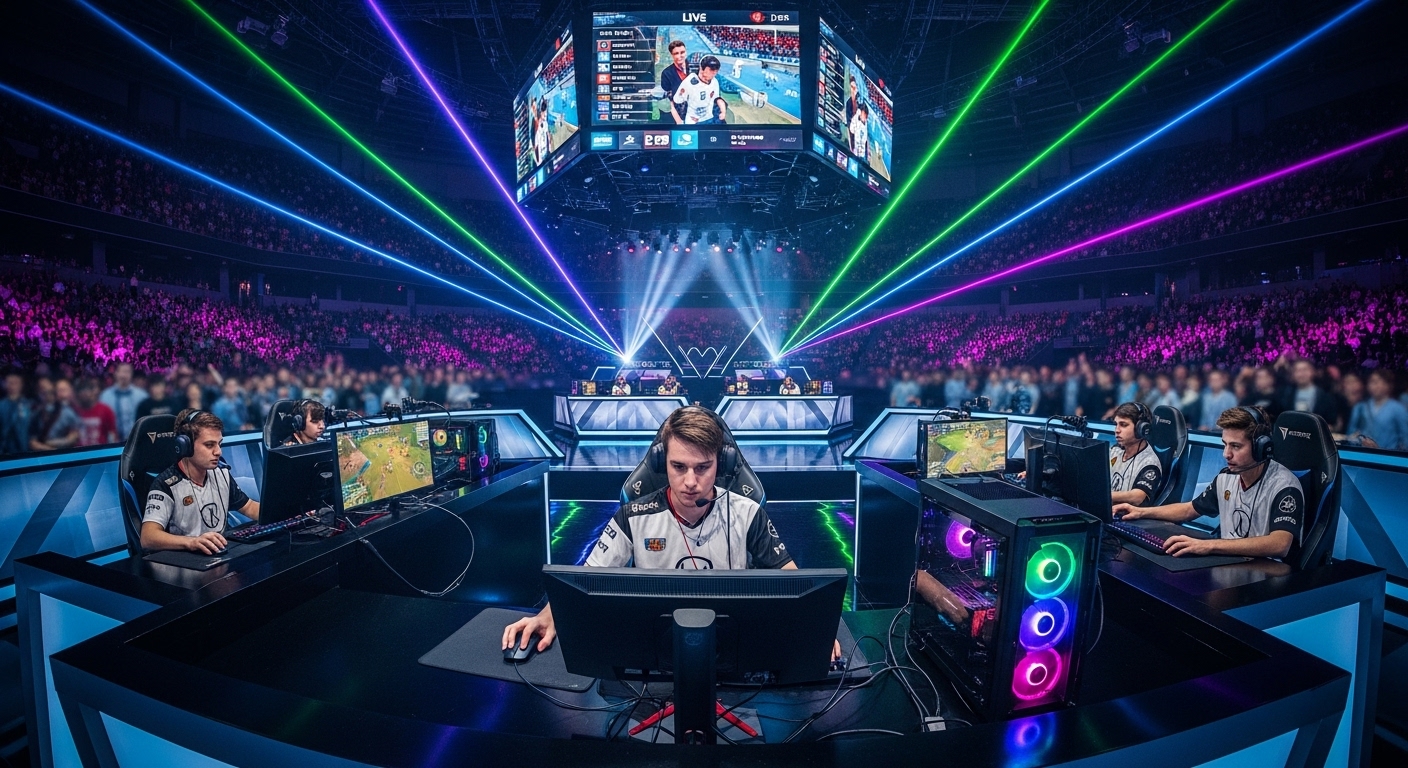

Esports, or electronic sports, has quickly become a global phenomenon, transforming from a niche hobby to a multi-billion-dollar industry. Competitive gaming, once relegated to a small subculture of passionate gamers, now fills massive arenas, attracts millions of online viewers, and offers lucrative careers for professional players. In this blog post, we’ll explore how esports has evolved, what makes it so captivating, and why it’s likely to continue shaping the entertainment landscape in the years to come.
What is Esports?
Esports refers to organized, multiplayer video game competitions, particularly between professional players, teams, or organizations. While video games have been played competitively for decades, the term “esports” has gained widespread recognition in recent years. Today, esports encompasses a wide variety of game genres, including first-person shooters, real-time strategy games, and multiplayer online battle arenas (MOBAs), with games like League of Legends, Dota 2, Counter-Strike: Global Offensive, and Fortnite leading the way.
Unlike casual gaming, esports involves highly structured tournaments and leagues, with professional teams training rigorously, much like athletes in traditional sports. Esports competitions take place in physical arenas, streamed live on platforms such as Twitch and YouTube, and attract millions of viewers worldwide.
The Growth of Esports: A Global Phenomenon
Esports has grown at an astonishing rate over the past decade. In the early 2000s, esports competitions were mostly limited to smaller-scale events and LAN parties, where players would gather in a physical location to compete. However, the advent of streaming platforms like Twitch, coupled with the rise of fast internet speeds, allowed esports to reach a global audience.
The accessibility of streaming has been a game-changer, allowing fans to watch live tournaments, cheer for their favorite teams, and engage with players directly. Esports now boasts a massive global following, with major tournaments attracting viewership comparable to traditional sports events. For example, The International, the annual Dota 2 championship, consistently draws millions of viewers, and its prize pool has surpassed the $40 million mark, making it one of the largest esports events in the world.
Additionally, traditional sports organizations and entertainment companies have increasingly shown interest in the esports industry. Major sports leagues, such as the NBA and NFL, have invested in esports teams or created their own esports leagues. This convergence between traditional sports and esports has helped legitimize the latter, cementing its place in the mainstream.
The Appeal of Esports: What Makes It So Engaging?
There are several factors that contribute to the growing popularity of esports. First and foremost is the accessibility of gaming. With the rise of free-to-play games and affordable gaming hardware, players can participate in competitive gaming without breaking the bank. Additionally, the digital nature of esports allows fans to easily access and participate in tournaments, regardless of their geographic location.
Another key aspect is the community. Esports has a unique ability to bring people together through shared passions. Fans not only cheer for their favorite players or teams but also interact with one another through social media, online forums, and live chat during tournaments. This sense of community creates a bond between fans and players, making esports more than just a passive form of entertainment; it’s an interactive experience.
Esports is also incredibly exciting to watch. The skill, precision, and strategy required to succeed in competitive gaming make for thrilling viewing experiences. In many games, matches can change in an instant, keeping viewers on the edge of their seats. The high-level plays, dramatic comebacks, and nail-biting finishes create a dynamic viewing experience that rivals traditional sports.
Professional Esports: From Player to Superstar
Esports players are no longer just hobbyists; they are professional athletes, dedicated to perfecting their craft. Becoming a top-tier esports player requires hours of practice, skill development, and a deep understanding of the game. Professional esports teams often have coaches, analysts, and even psychologists to help players stay at the top of their game.
Just like traditional sports stars, top esports players gain fame and recognition for their skill and success. They have large followings on social media, where they interact with fans, stream their gameplay, and even build personal brands. Some players have secured sponsorships and endorsement deals with major companies, turning their passion for gaming into lucrative careers.
Esports organizations have also grown to mirror traditional sports teams. Major esports franchises operate like professional sports teams, with players, coaches, and support staff all working together to achieve success. These teams compete in regular seasons, engage in rigorous training, and participate in high-stakes tournaments, all while representing their brands on a global stage.
The Future of Esports: A Thriving Industry
As esports continues to grow, it’s clear that the industry’s future is bright. One major factor in its future success is the integration of esports into mainstream media. Esports tournaments are now regularly broadcast on television networks, and partnerships with major media companies are helping to further legitimize the industry. With esports being broadcasted on cable television and streaming platforms, the industry has the potential to reach even wider audiences in the coming years.
Additionally, the rise of mobile esports is opening up new avenues for both players and viewers. Games like PUBG Mobile and Arena of Valor have made esports more accessible to people who may not own high-end gaming PCs or consoles. Mobile esports tournaments are gaining traction in regions like Southeast Asia and India, where mobile gaming is immensely popular.
The involvement of big brands and corporate sponsorships is another indicator of esports’ long-term viability. As more companies recognize the value of esports audiences—who tend to be young, tech-savvy, and highly engaged—the influx of investment and sponsorships will only increase. This financial backing will help to further professionalize the scene and create more opportunities for players and teams.
Finally, the development of college and university esports programs is another sign that the industry is here to stay. Many institutions now offer esports scholarships and even have their own esports teams, providing a pathway for young gamers to pursue both their education and competitive gaming careers.
Conclusion: Esports Is Here to Stay
Esports is no longer a passing trend; it has become a major player in the entertainment industry. With its explosive growth, global fanbase, and professional ecosystem, esports is poised to continue shaping the future of competitive gaming and entertainment. Whether you’re a player, a fan, or a casual observer, it’s clear that esports offers something exciting for everyone. As the industry evolves and grows, the thrill of competitive gaming will continue to captivate audiences around the world for years to come.