In recent years, esports has transformed from a niche hobby to a global phenomenon. What started as small tournaments among friends has now evolved into a multi-billion-dollar industry with professional players, massive audiences, and high-profile sponsors. From games like League of Legends and Dota 2 to Fortnite and Overwatch, competitive gaming has captured the attention of millions around the world, and its growth shows no signs of slowing down. In this blog post, we will explore the rise of esports, the factors contributing to its growth, the impact it has had on the gaming industry, and the cultural significance it holds in today’s world.
What is Esports?
Esports, short for “electronic sports,” refers to organized, multiplayer video game competitions, often between professional players, teams, or organizations. Esports can encompass a variety of game genres, including real-time strategy (RTS), first-person shooters (FPS), multiplayer online battle arena (MOBA), and battle royale games. Competitive gaming is generally played at a high skill level, with players competing for significant cash prizes, sponsorships, and global recognition.
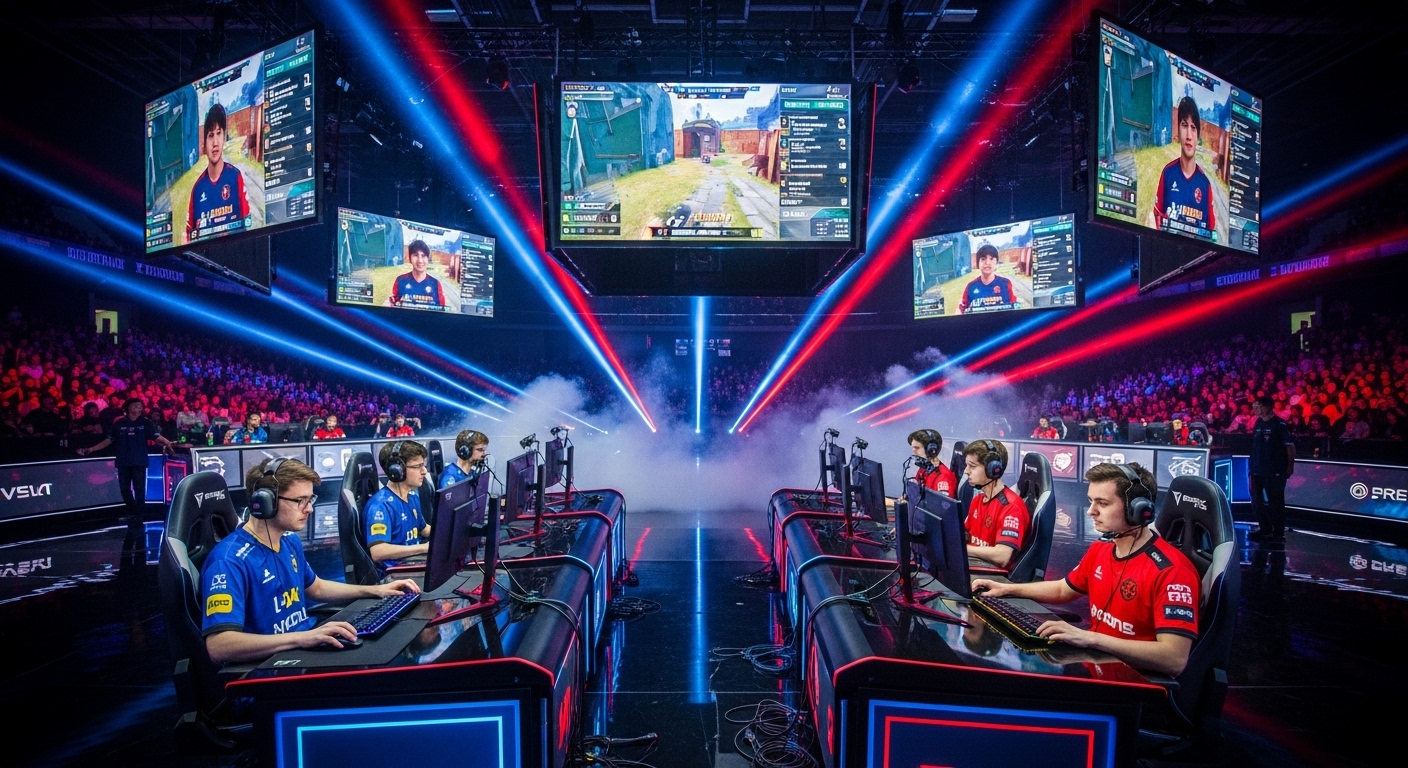
The esports ecosystem is complex, involving various stakeholders, including game developers, tournament organizers, players, coaches, analysts, sponsors, and fans. Tournaments and leagues, such as the League of Legends World Championship, the International (Dota 2), and the Overwatch League, have become major events, often filling arenas with tens of thousands of live spectators while millions more tune in online to watch the action unfold.
The Factors Behind the Rapid Growth of Esports
Esports’ meteoric rise can be attributed to several key factors that have combined to propel it into mainstream consciousness. The convergence of technology, accessibility, social media, and a growing demand for entertainment has created the perfect environment for esports to thrive.
1. Technological Advancements
One of the primary drivers behind the explosion of esports is the rapid advancement of technology. Modern gaming consoles and powerful personal computers have made it easier than ever for individuals to participate in competitive gaming. High-speed internet connections enable seamless online multiplayer experiences, while advancements in game design have led to more sophisticated, immersive, and engaging games.
Moreover, the rise of streaming platforms like Twitch, YouTube Gaming, and Facebook Gaming has provided gamers with a platform to broadcast their gameplay to global audiences. High-definition streaming and professional-grade production values have made esports tournaments accessible to anyone with an internet connection, fostering a sense of community and excitement around competitive gaming.
2. The Growth of Online Communities
Before the rise of esports, gaming was largely a solitary or local activity. However, with the advent of online multiplayer games, a global gaming community began to take shape. Games like World of Warcraft, Call of Duty, and Counter-Strike paved the way for multiplayer gaming experiences that allowed players to compete against others from around the world.
As these games grew in popularity, so too did the online communities surrounding them. Forums, social media groups, and fan clubs began to form, where players could share tips, strategies, and experiences. The sense of camaraderie and competition fostered within these communities created the perfect environment for esports to take off.
3. The Influence of Streaming and Content Creation
The rise of streaming platforms like Twitch has been instrumental in bringing esports into the mainstream. Platforms like Twitch allow players to broadcast their gameplay live to an audience, offering real-time interaction through chat and providing a window into the world of competitive gaming. This real-time engagement has created a level of intimacy between players and their fans, building strong, loyal followings for esports athletes and teams.
In addition to live streaming, the growth of esports content creation—through YouTube, TikTok, and other platforms—has helped expand the reach of competitive gaming. Content creators, such as streamers, analysts, and casters, have contributed to the development of esports culture, making it more accessible and relatable to fans of all ages.
4. Investment and Sponsorship
As esports grew in popularity, the business potential was quickly recognized by major brands and investors. Companies like Intel, Coca-Cola, and Mercedes-Benz began sponsoring esports events and teams, injecting substantial financial resources into the industry. In turn, this investment has helped fund high-quality production, larger prize pools, and the development of esports leagues and tournaments with global reach.
The involvement of traditional sports organizations has also played a role in elevating esports. Teams and players in games like League of Legends and Counter-Strike now enjoy sponsorships from major sports apparel brands like Nike and Adidas. As more mainstream companies get involved, esports continues to be legitimized as a form of professional competition.
The Structure of the Esports Industry
Esports is an incredibly diverse industry with many different facets. Whether you’re a player, coach, analyst, streamer, or fan, there are various ways to engage with competitive gaming. Below are some of the main components of the esports ecosystem.
1. Esports Teams and Organizations
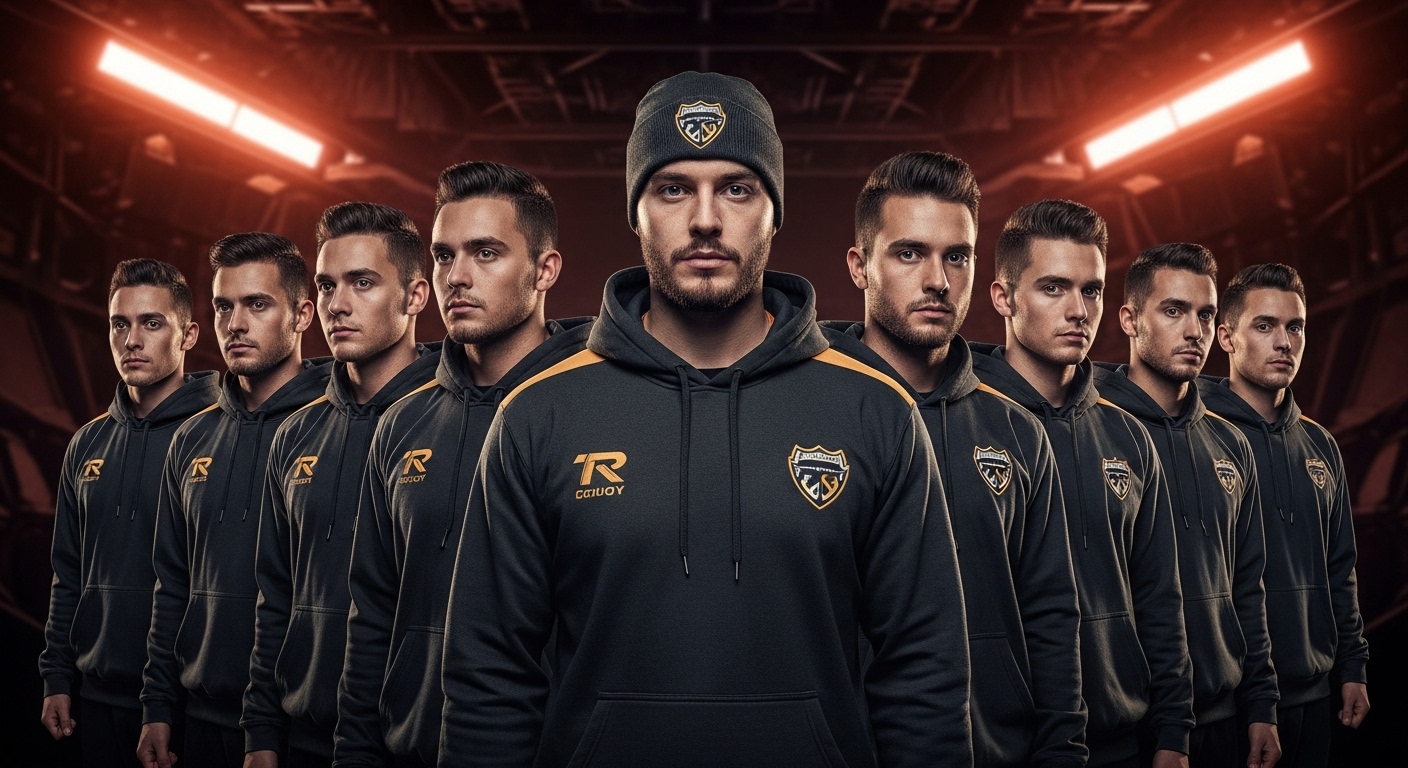
Esports teams are the backbone of competitive gaming. Just like traditional sports, professional players often compete in teams that are managed by esports organizations. These teams consist of skilled players who specialize in specific games, such as League of Legends, Dota 2, or Valorant. Each team has a coach, analysts, and support staff who work behind the scenes to help players improve and prepare for competitions.
Esports organizations, such as Team Liquid, Cloud9, and Fnatic, have become household names within the gaming community. These organizations not only sign players but also negotiate sponsorships, manage contracts, and organize fan events. In many ways, these teams are just like any traditional sports team, with the added challenge of managing players who may compete in multiple games or leagues.
2. Esports Leagues and Tournaments
Esports tournaments are the high-profile events that showcase the best players and teams in the world. These tournaments, which can range from local competitions to massive international events, serve as the culmination of a season or series of games. Some tournaments, like The International for Dota 2 or the League of Legends World Championship, have prize pools in the millions of dollars, attracting top talent and huge viewership.
Leagues, such as the Overwatch League and the League of Legends Championship Series (LCS), are structured much like professional sports leagues. These leagues feature regular seasons, playoffs, and finals, offering players and teams a chance to compete for fame, glory, and substantial financial rewards.
3. Broadcasting and Streaming
One of the most significant aspects of esports is its ability to be broadcast to a global audience. Esports events are streamed on platforms like Twitch, YouTube, and Facebook Gaming, where millions of viewers watch live broadcasts of tournaments, player interviews, and behind-the-scenes content. These platforms allow fans to engage with the competition, interact with players, and follow the action in real-time.
Esports broadcasting has become highly professionalized, with commentators, analysts, and production teams working to create engaging and informative broadcasts. The production quality of major esports events is comparable to that of traditional sports, with multiple camera angles, graphics, and expert commentary adding to the excitement of the event.
4. Esports Betting and Fantasy Leagues
The growth of esports has also led to the rise of esports betting and fantasy leagues. Much like traditional sports, fans can place bets on the outcomes of esports events, with some platforms offering odds on everything from match winners to individual player performances. This has opened up new avenues for fans to engage with their favorite teams and players, adding an extra layer of excitement to competitions.
Fantasy esports leagues, where players draft their own teams of professional esports athletes, have also gained popularity. These leagues allow fans to manage virtual teams and compete against others based on the performance of real-life players in actual tournaments.
The Cultural Impact of Esports
Esports has gone beyond just gaming and competition; it has become a cultural phenomenon. It is changing the way we think about sports, entertainment, and even identity. Below are some of the cultural impacts of esports:
1. Redefining the Concept of Sports
Esports challenges the traditional notion of what constitutes a sport. While physical skill and athleticism are important in traditional sports, esports focuses on mental acuity, strategy, teamwork, and hand-eye coordination. As esports gains recognition, it has sparked debate about whether video gaming should be classified as a sport in the same way that football, basketball, and soccer are.
Some argue that esports is deserving of the same respect and recognition as traditional sports, while others claim that physical activity is a defining characteristic of sport. Regardless, esports has certainly carved out its own niche in the broader sporting landscape.
2. The Rise of Esports Celebrities
Esports has created a new generation of superstars, with players like Faker (Lee Sang-hyeok), s1mple (Oleksandr Kostyliev), and Ninja (Tyler Blevins) becoming global icons. These players are not just athletes; they are content creators, influencers, and entrepreneurs. Many esports players build massive followings on social media, where they share their experiences, engage with fans, and promote products.
Esports has also given rise to new forms of celebrity, with streamers and content creators becoming household names. These individuals often serve as role models for younger generations, inspiring them to pursue careers in gaming or content creation.
3. Esports as a Career Path
For many young gamers, esports offers a legitimate career path. Professional gamers can earn significant salaries from tournament prizes, sponsorships, and streaming revenue. In addition, the growing demand for esports coaches, analysts, and content creators has created a wide range of career opportunities within the industry. Many universities now offer scholarships and degree programs in esports, further legitimizing it as a career choice.
As esports continues to grow, it is likely that we will see even more opportunities for individuals to build careers in the gaming industry, whether as players, coaches, analysts, or content creators.
Conclusion
Esports has evolved from a fringe activity to a global entertainment juggernaut. Fueled by technological advancements, the rise of streaming platforms, and growing interest from mainstream companies, competitive gaming has captured the imaginations of millions. With professional leagues, massive tournaments, and a thriving community, esports is no longer just a hobby—it’s a lifestyle.
The future of esports looks bright, with continued growth on the horizon. As new games emerge, more investors get involved, and esports reaches new audiences, it is clear that competitive gaming is here to stay. Whether you’re a die-hard fan, a casual viewer, or someone considering a career in the industry, one thing is certain: esports is shaping the future of entertainment, and its impact will be felt for years to come.