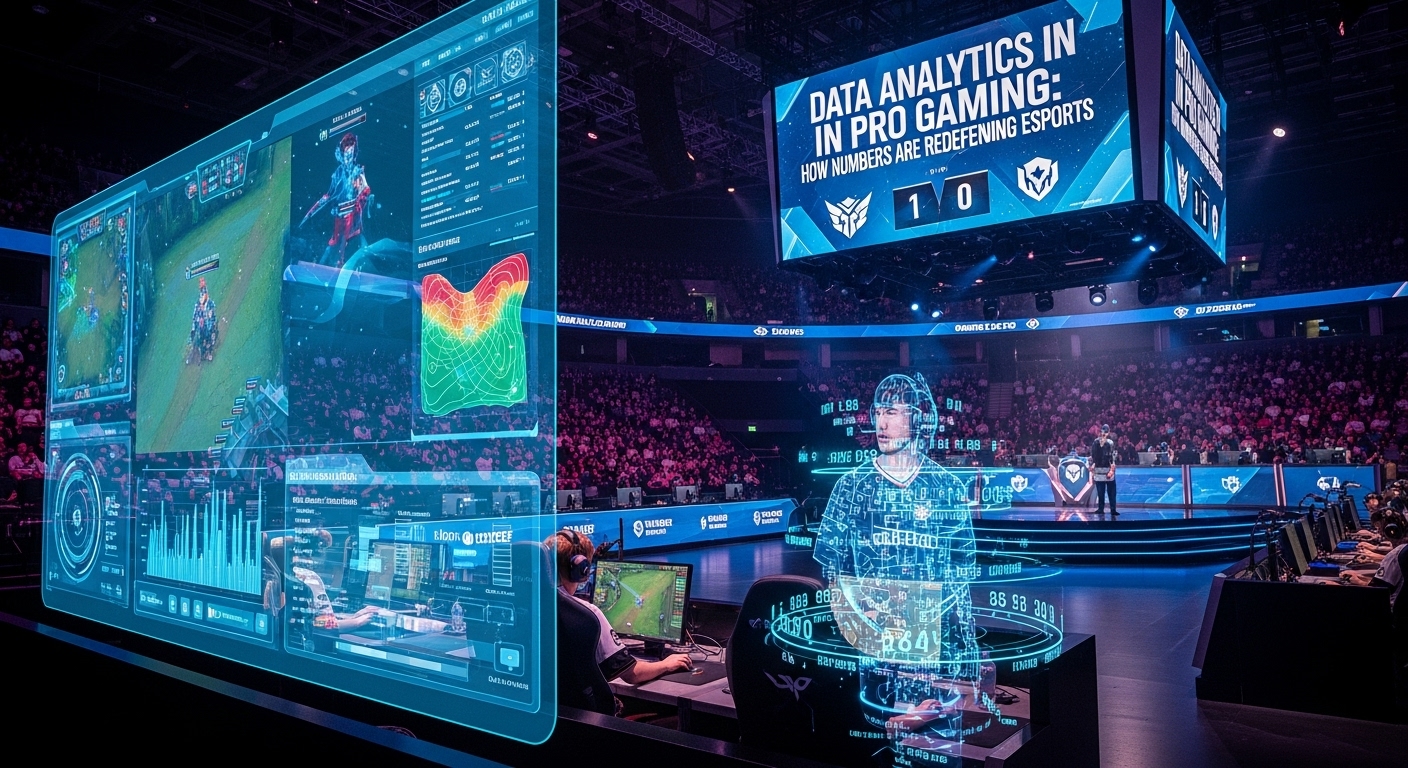
Esports, or competitive video gaming, has transformed from a niche hobby into a billion-dollar industry. Stadiums fill with fans, online viewership rivals traditional sports, and players train just as intensely as athletes in physical competitions. Yet one question still lingers: Is esports a real sport?
This debate has been ongoing for years, and the arguments on both sides are passionate. Some see esports as a natural evolution of sports in a digital era, while others dismiss it as glorified entertainment without the physical demands of traditional athletics.
In this blog, we’ll explore the debate from every angle—history, training, economics, psychology, and culture—to better understand whether esports deserves the same recognition as traditional sports.
The Origins of the Debate
The debate over esports being a “real sport” began in the late 1990s and early 2000s when competitive gaming started to grow in prominence. Traditionalists, rooted in centuries of sports culture, defined sport through physical exertion, strength, and endurance.
However, esports challenged this view. Games like StarCraft, Counter-Strike, and League of Legends proved that skill, strategy, and teamwork in a digital arena could produce competition just as intense as a soccer match or a boxing fight.
Governments, media outlets, and sports organizations were suddenly faced with a dilemma: should esports be recognized alongside basketball, football, or tennis? Or is it simply a new form of entertainment, like poker or chess?
Defining “Sport”
Before answering the main question, we need to define what makes something a sport.
Traditionally, sport has been defined as:
- Competition – Two or more sides competing against each other.
- Skill and Training – Participants require talent, practice, and mastery of techniques.
- Rules and Structure – Organized gameplay with codified rules.
- Physical or Mental Exertion – Requires effort that challenges the body or mind.
- Spectatorship – People watch and enjoy the competition.
By this definition, esports ticks almost every box. It is competitive, skill-based, governed by rules, requires both mental and physical exertion (albeit in different ways), and attracts massive audiences.
But critics argue that the missing component is physicality. Without running, lifting, or enduring fatigue in the traditional sense, esports is dismissed by some as not “real sport.”
The Case for Esports as a Real Sport
1. Physical Demands Are Real
While esports athletes don’t sprint across a field or slam dunk basketballs, they undergo physical strain. Fast reflexes, hand-eye coordination, and reaction times are essential. Professional players can make hundreds of precise actions per minute (APM).
For example, in strategy games like StarCraft II, top players can exceed 400 APM, requiring rapid and accurate decision-making. Sustaining this for long hours places unique demands on the body—particularly on muscles, nerves, and eyesight.
2. Training and Discipline
Like traditional athletes, pro gamers train extensively. Many practice 8–12 hours a day, studying strategies, reviewing gameplay, and refining skills. Esports teams employ coaches, analysts, nutritionists, and even sports psychologists.
Players also need physical conditioning to endure long tournaments. Fitness routines, proper diet, and sleep management are critical for peak performance.
3. Teamwork and Strategy
Esports titles like League of Legends or Dota 2 involve five-player teams where communication, trust, and strategy matter as much as physical skill. This is no different from football teams planning plays or basketball squads running set tactics.
4. Mental Exertion
If sports like chess are recognized as legitimate sports by organizations such as the International Olympic Committee (IOC), esports should qualify as well. Esports demand lightning-fast mental calculations, anticipation of opponents’ moves, and strategic adaptation.
5. Global Recognition
Esports is already being recognized by official bodies. The Asian Games featured esports as a medal event. Several countries now issue athlete visas to esports professionals. Universities worldwide offer esports scholarships, treating players like traditional student-athletes.
The Case Against Esports as a Real Sport
1. Lack of Physical Intensity
Critics argue that sports are inherently about physical exertion. Running marathons, swimming races, or lifting weights engage the body in ways esports does not. Sitting in a chair with a controller or keyboard may require precision but doesn’t push the body in the same way.
2. Health Concerns
Traditional sports often promote fitness and physical well-being. Esports, however, is associated with sedentary behavior, long screen time, and related issues like carpal tunnel syndrome, eye strain, and poor posture. Opponents argue that this contradicts the spirit of sport as a celebration of physical vitality.
3. Reliance on Technology
Esports cannot exist without computers, consoles, or the internet. Some critics argue that a true sport should not be so dependent on hardware or software that can change from one generation to the next. If a game becomes obsolete, the “sport” disappears with it.
4. Entertainment vs. Athletics
Skeptics see esports more as entertainment than sport, closer to watching movies or concerts. For them, the appeal lies in flashy gameplay and personalities rather than athletic prowess.
5. The Definition Dilemma
If esports are considered sports, where do we draw the line? Should competitive board games, trivia contests, or virtual simulations also qualify? Critics worry that expanding the definition of sport too far dilutes its meaning.
Comparing Esports with Traditional Sports
Reaction Times
Research shows that esports athletes have reaction times comparable to professional athletes in sports like tennis or table tennis. Milliseconds can determine victory or defeat in both arenas.
Training Hours
Pro esports players train for long hours, often matching or exceeding the practice schedules of footballers, basketball players, or Olympic athletes.
Careers and Longevity
Like traditional sports, esports careers are short. Players often retire in their early 20s due to burnout, declining reflexes, or health concerns. This mirrors sports like gymnastics or swimming, where athletes peak young.
Fan Engagement
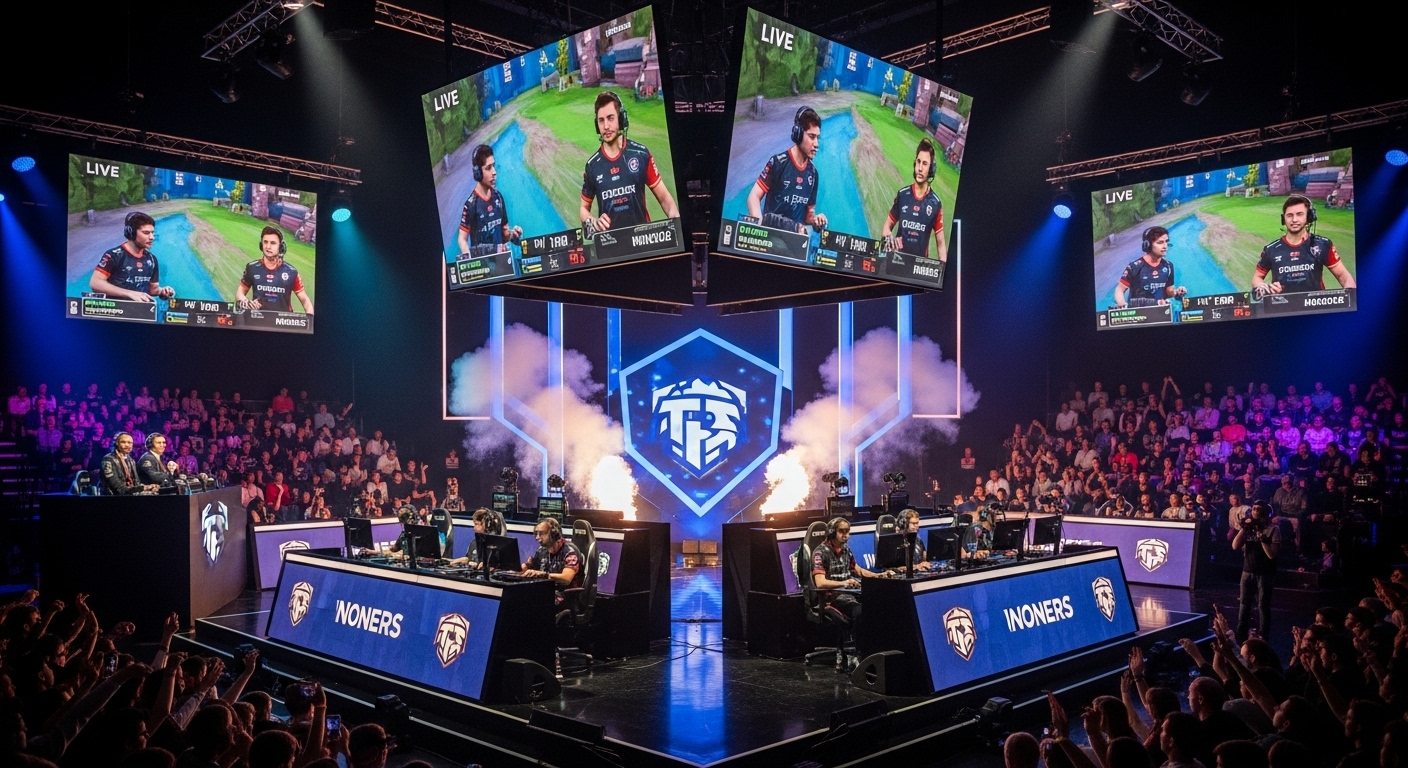
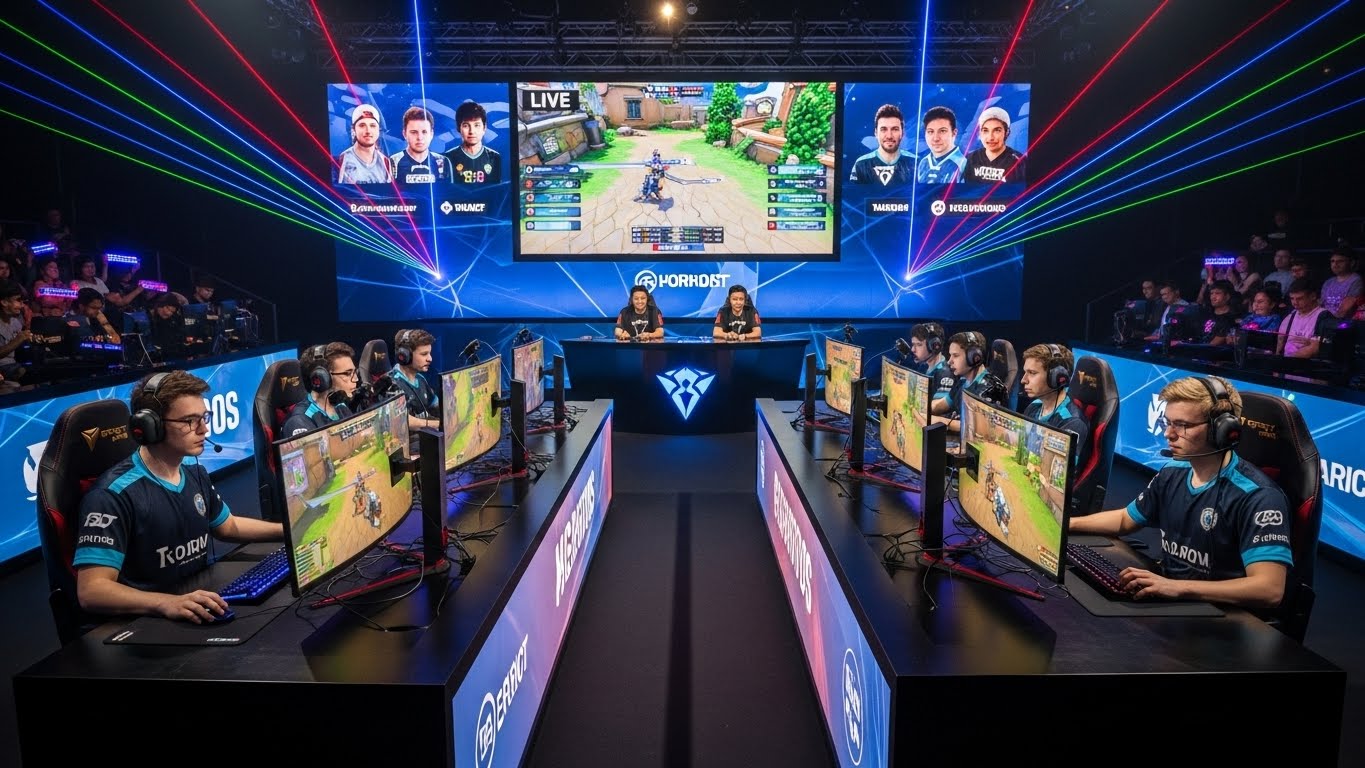
Esports fans show passion on par with traditional sports audiences. Millions tune in to major tournaments like The International (Dota 2) or the League of Legends World Championship. Arenas sell out, chants echo, and fans wear team jerseys just as in football or basketball.
Economics
Esports generates billions annually through sponsorships, streaming rights, and merchandise. Players earn six-figure salaries, and prize pools rival some traditional sports tournaments. The financial ecosystem mirrors professional sports leagues.
Cultural Recognition of Esports
Esports is becoming ingrained in global culture.
- Media Coverage: Major networks broadcast tournaments. Online platforms like Twitch and YouTube host millions of viewers.
- Celebrity Athletes: Esports stars like Faker (League of Legends) or s1mple (Counter-Strike) are celebrated globally.
- Mainstream Crossover: Traditional athletes invest in esports teams. Celebrities like David Beckham, Michael Jordan, and Shaquille O’Neal have backed esports organizations.
This crossover suggests growing cultural recognition of esports as part of the broader sporting landscape.
Esports and the Olympic Games Debate
The Olympics represent the ultimate recognition of sport. The question of including esports has been hotly debated.
Arguments For Inclusion:
- Esports already meets many Olympic criteria.
- It attracts younger audiences, which the Olympics desperately need.
- Some esports are less violent and can align with Olympic values.
Arguments Against Inclusion:
- Violent games clash with Olympic principles of peace and unity.
- The rapid pace of video game updates conflicts with the Olympic tradition of stable, timeless sports.
- Governance is fragmented, with publishers holding control, unlike traditional sports overseen by independent federations.
While esports may not appear in the Olympics soon, its growing presence in regional competitions like the Asian Games shows progress.
The Psychological Angle
Sports are not just about physical ability but also about mental toughness. Esports athletes face immense psychological pressure—maintaining focus for long matches, dealing with crowd noise, and handling the stress of international competition.
Performance anxiety, burnout, and mental health challenges mirror those faced by traditional athletes. Sports psychologists are increasingly involved in esports teams, highlighting the mental demands of the profession.
The Role of Technology in Shaping Sport
One unique factor in esports is technology’s central role. Critics see this as a weakness, but supporters argue it’s simply the future of sport.
After all, many traditional sports rely on equipment—tennis rackets, skis, bicycles, or cars. Formula 1, for example, is deeply tied to technology, yet it is undisputedly considered a sport. By this logic, esports’ reliance on hardware doesn’t diminish its legitimacy.
The Generational Divide
A significant reason for the ongoing debate is generational. Older generations, raised on football, cricket, or baseball, may struggle to see video games as legitimate sports. Younger generations, however, grew up in a digital-first world where gaming is mainstream.
As this younger audience grows older and assumes leadership roles, the perception of esports will likely shift toward acceptance.
Esports as a New Category of Sport
Perhaps the debate isn’t about whether esports is a sport but rather about redefining what sport means in the digital era. Esports may represent a new category of sport—one rooted in technology and mental agility rather than physical dominance.
Just as extreme sports like skateboarding and surfing expanded our understanding of athletics, esports might be broadening the scope further. It doesn’t have to replace traditional sports but can exist alongside them, enriching the sporting landscape.
Future of the Debate
Looking ahead, several trends suggest esports will continue to gain recognition as a real sport:
- Standardization – More official leagues and regulations will bring legitimacy.
- Education – Universities offering scholarships normalize esports as athletic competition.
- Health Improvements – With better training methods, esports will shed its sedentary image.
- Crossovers – More athletes and brands bridging traditional sports and esports will blur the line further.
While some resistance will always exist, the momentum clearly favors esports being recognized as part of the sporting world.
Conclusion: Is Esports a Real Sport?
The debate over whether esports is a real sport boils down to how we define sport itself. If we restrict sport to purely physical activities, then esports falls short. But if we embrace competition, skill, training, mental exertion, and global fandom as defining elements, then esports undoubtedly qualifies.
Esports may not look like traditional athletics, but it captures the essence of sport: dedication, teamwork, passion, and the pursuit of victory.