Introduction
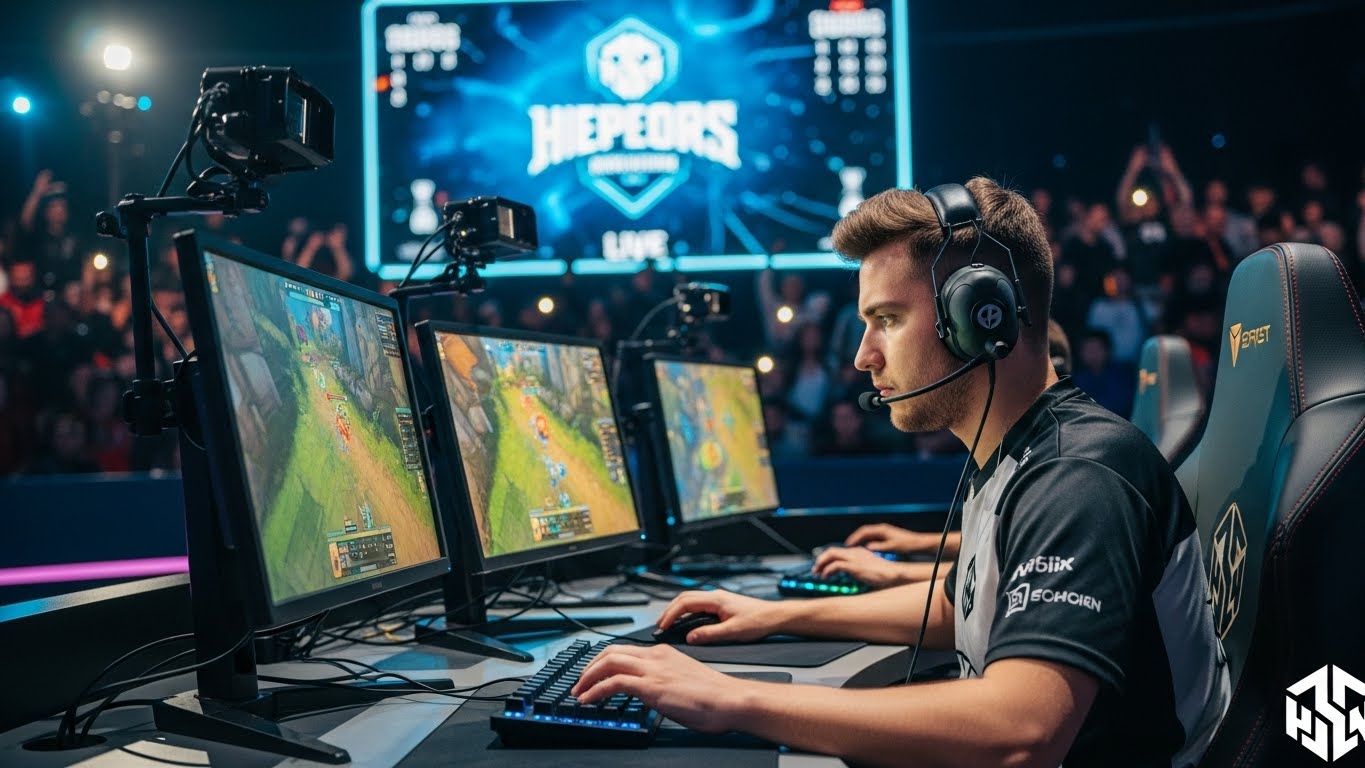
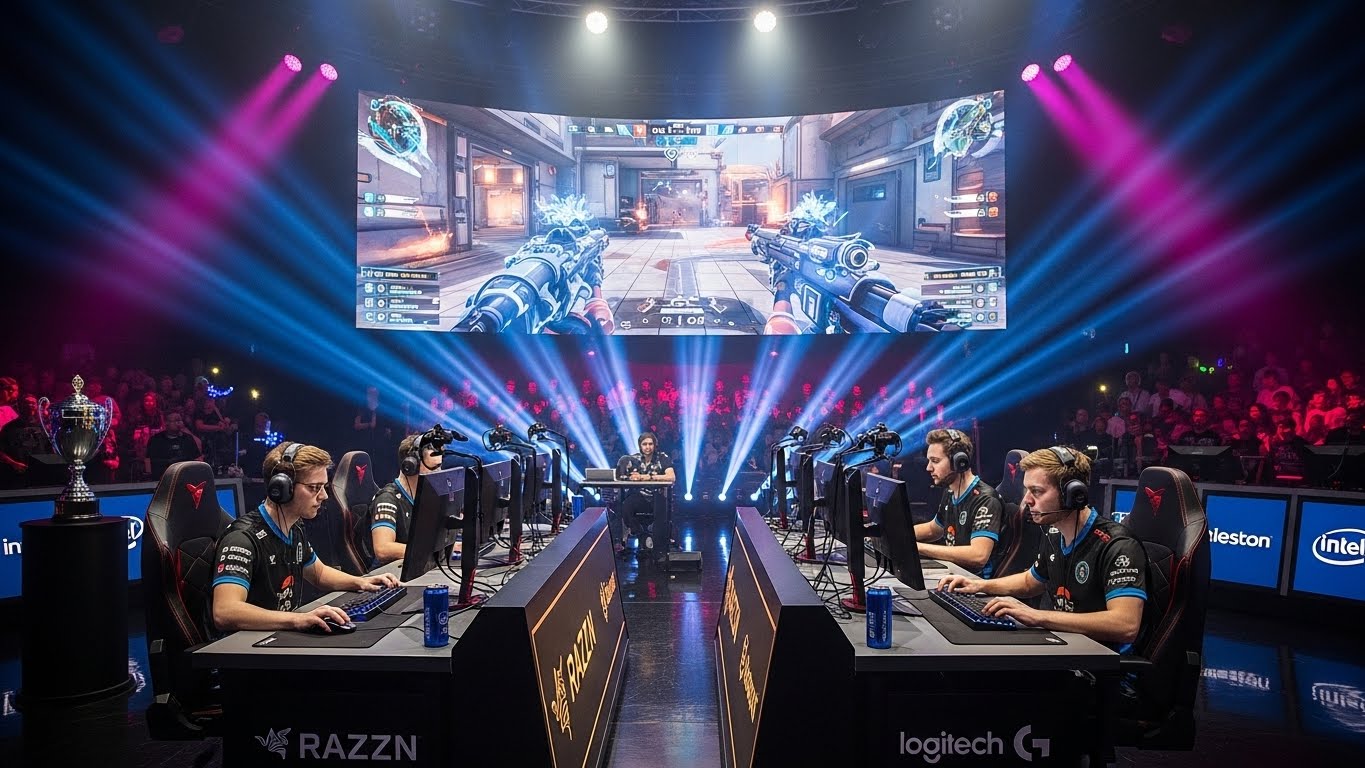
Over the last decade, esports has transformed from a niche hobby into a global phenomenon. Competitive video gaming, once confined to arcades and online communities, is now played in packed stadiums, broadcast across streaming platforms, and watched by millions of fans worldwide. But esports is not just about entertainment anymore—it is reshaping how schools approach extracurricular activities, academic programs, and even career preparation.
From middle schools to universities, esports programs are becoming as common as traditional sports like basketball, football, or soccer. Schools are recognizing that video games are more than just a pastime. They can be a pathway to teamwork, leadership, critical thinking, and career opportunities in technology-driven industries. The result? A major shift in school programs that is changing how students learn, compete, and prepare for the future.
In this blog, we’ll explore in detail how esports is reshaping school programs, what benefits it brings to students, the challenges it presents, and how it may continue to evolve in the years ahead.
The Rise of Esports in Schools
From Hobby to Institution
For decades, video games were seen as distractions in school settings. Teachers often worried about gaming affecting focus, study habits, and physical activity. However, the explosion of esports in mainstream culture forced schools to reconsider this perception.
The shift began when universities realized that competitive gaming could attract students, increase enrollment, and enhance their reputation in technology and media studies. Soon after, high schools followed, offering esports clubs and varsity teams to give students new opportunities outside of traditional athletics.
Numbers That Speak Volumes
Today, thousands of schools across the world have official esports programs. Many universities in the United States and Europe now offer esports scholarships, treating gamers like athletes. High school leagues have sprung up across countries, creating structured competitions and championships that mirror traditional sports.
This growth reflects a recognition that esports is not just play—it is a legitimate, structured, and educationally valuable activity.
Esports as an Educational Tool
Learning Through Gaming
Esports is not just about pressing buttons or memorizing strategies. It involves critical thinking, fast decision-making, and adaptability. Teachers are beginning to notice that these skills can complement classroom learning.
For instance, a game like League of Legends or Overwatch requires students to analyze situations, anticipate opponents’ moves, and communicate effectively with teammates. These are the same cognitive and social skills students need in academic and professional life.
Integration Into Curriculum
Some schools have gone beyond esports clubs and are integrating gaming into their curriculum. Computer science classes may use esports to teach coding, game design, or artificial intelligence. Psychology classes may analyze the mental and emotional aspects of competitive gaming. Business courses explore marketing and sponsorships in the gaming industry.
Esports, therefore, acts as a gateway for students to engage in subjects they might otherwise find uninteresting. Instead of abstract theories, they see real-world applications through something they love—gaming.
Building Soft Skills Through Esports
Teamwork and Communication
Unlike the stereotype of the “isolated gamer,” most competitive games require collaboration. Teams must coordinate strategies, share information quickly, and support one another to succeed. In this sense, esports teaches teamwork as effectively as football or basketball.
Students who participate in esports programs learn how to communicate clearly under pressure, resolve conflicts, and respect different play styles. These are transferable skills that will benefit them in workplaces later.
Leadership Opportunities
Within school esports teams, leadership roles naturally emerge. Some students step into captain positions, guiding their teammates, analyzing opponents, and keeping morale high. These leadership experiences mirror the roles found in traditional sports teams, helping students develop confidence and responsibility.
Time Management and Discipline
Contrary to the idea that gaming distracts from studies, structured esports programs actually demand discipline. Students must balance practice schedules with academic responsibilities. Coaches and teachers often enforce GPA requirements, ensuring students prioritize education alongside gaming.
This teaches valuable time management skills—learning to juggle responsibilities is a life skill that prepares students for university and professional life.
Health, Fitness, and Wellness in Esports Programs
Addressing Physical Health
One criticism of esports in schools is the concern over sedentary behavior. To address this, many school programs now incorporate fitness regimens for esports players. Physical training helps improve reaction times, focus, and stamina.
Some schools require esports athletes to take part in physical conditioning, ensuring that gaming is paired with healthy habits. This holistic approach bridges the gap between physical and digital sports.
Mental Health Support
Esports can be intense, with high levels of pressure and competition. Schools that adopt esports programs often emphasize mental health awareness, offering counseling, stress management workshops, and mindfulness practices for players.
This focus on wellness demonstrates how esports is pushing schools to broaden their understanding of student health in both physical and psychological dimensions.
Esports and Technology in Schools
Driving Tech Innovation
Introducing esports programs forces schools to upgrade their technology. This includes high-speed internet, powerful gaming PCs, streaming equipment, and digital broadcasting setups. These investments benefit not just esports but also other school departments like media studies, digital art, and computer science.
Students also get hands-on experience with cutting-edge technology, from operating live broadcasts to troubleshooting hardware. This exposure prepares them for careers in IT, broadcasting, game design, and beyond.
Digital Literacy and Online Etiquette
With esports comes online communication. Schools are seizing this opportunity to teach digital citizenship—how to interact respectfully online, avoid toxicity, and maintain a professional online presence.
In a world where most careers require digital literacy, esports provides a unique training ground for these essential life skills.
Career Pathways Through Esports
Beyond Playing Professionally
While some students may dream of becoming pro players, schools emphasize that esports offers far more career paths. These include coaching, event management, game design, broadcasting, marketing, and even psychology.
Esports programs often introduce students to these broader opportunities, helping them understand the diverse industries connected to gaming.
Scholarships and College Opportunities
Many universities now offer esports scholarships, giving talented players a chance to pursue higher education while continuing their competitive journey. High schools that support esports give students a pathway to these scholarships, making gaming not just fun but a potential financial and academic opportunity.
Challenges Schools Face With Esports
Balancing Screen Time
One of the main challenges schools encounter is managing screen time. While esports can be educational, excessive gaming may still pose health risks. Schools must create structured schedules that balance practice, education, and physical activity.
Funding and Resources
Esports programs require significant investment in technology, facilities, and coaching staff. Not all schools can afford this, creating inequality in opportunities for students. Wealthier schools may build state-of-the-art gaming arenas, while others struggle to provide even basic equipment.
Overcoming Stigma
Despite its growth, esports still faces stigma from parents, educators, and communities who see gaming as a waste of time. Schools must work to change these perceptions by showcasing the educational, social, and career benefits of esports.
Global Adoption of Esports in Schools
North America
In the United States and Canada, esports has exploded in schools. Organizations have created national high school esports leagues, and universities are offering millions of dollars in scholarships.
Europe
European schools are increasingly integrating esports into their extracurricular offerings, often with a strong emphasis on academic alignment—tying esports to technology, science, and cultural studies.
Asia
Countries like South Korea, Japan, and China have long been leaders in esports. Their schools often treat esports with the same seriousness as traditional sports, offering professional-level training facilities for students.
The Rest of the World
Esports in schools is also growing in regions like the Middle East, Africa, and South America. While resources may vary, enthusiasm for gaming ensures that esports continues to spread globally.
Case Studies of Esports in Schools
High School Leagues
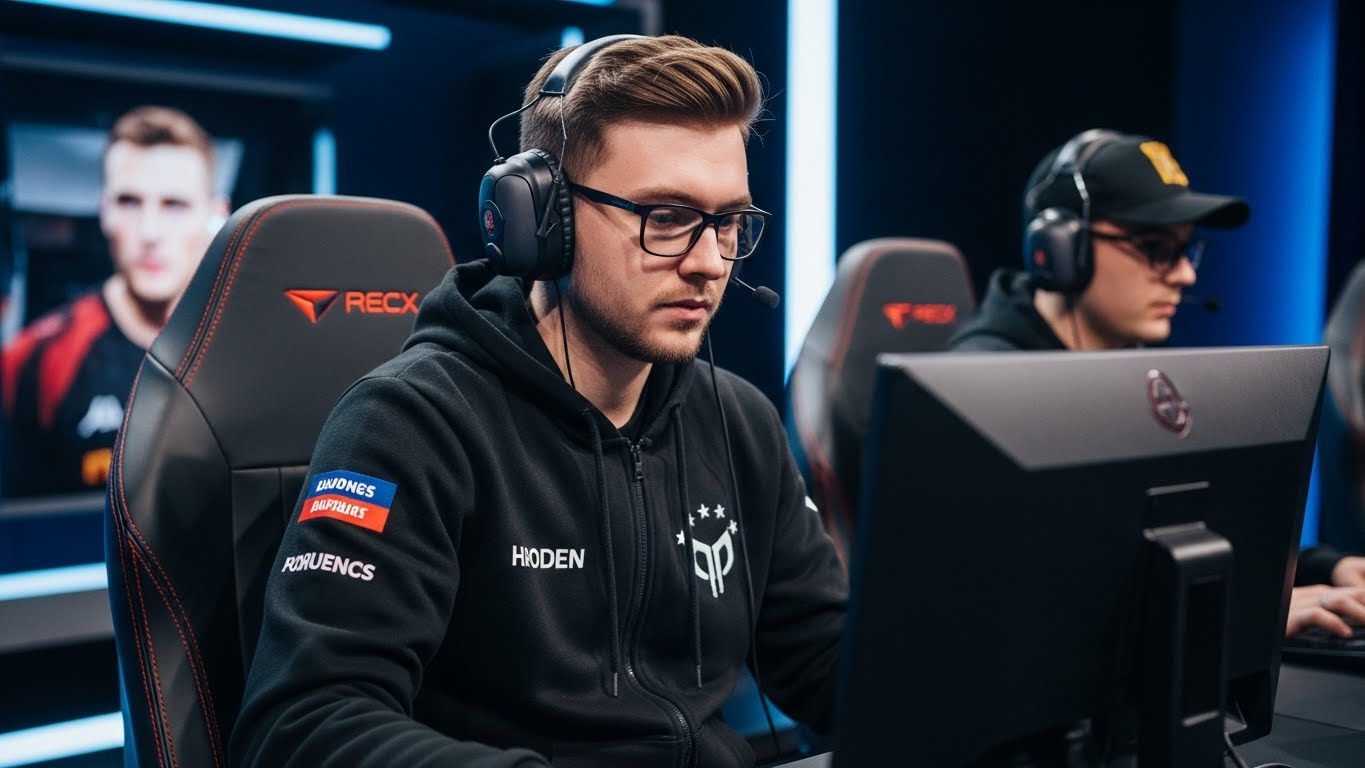
In many countries, structured high school leagues mirror the experience of varsity sports. Students represent their schools, wear jerseys, and compete in tournaments. These leagues create school spirit and give students a sense of pride.
University Programs
Some universities have gone all-in on esports, building dedicated arenas, hiring full-time coaches, and integrating esports into academic programs. These institutions treat esports like any other athletic department, with recruitment, scholarships, and media coverage.
The Future of Esports in School Programs
Curriculum Integration
Esports is likely to continue blending into classroom learning. Expect to see more courses in game design, digital media, and sports management that are directly linked to esports.
Virtual Reality and AR
The future may bring esports into new dimensions with virtual reality (VR) and augmented reality (AR). Schools will likely explore how these technologies can enhance both education and competitive gaming.
Professionalization of High School Esports
Just as college basketball and football feed into professional leagues, high school esports may become a direct pipeline to pro gaming. Scouts, sponsorships, and structured training programs could soon become the norm.
Conclusion
Esports is changing schools in ways that go far beyond gaming. What started as a pastime has grown into a movement that reshapes extracurricular activities, curriculum design, health programs, and career opportunities. Schools are no longer asking whether gaming belongs in education—they are asking how best to use it to prepare students for the future.