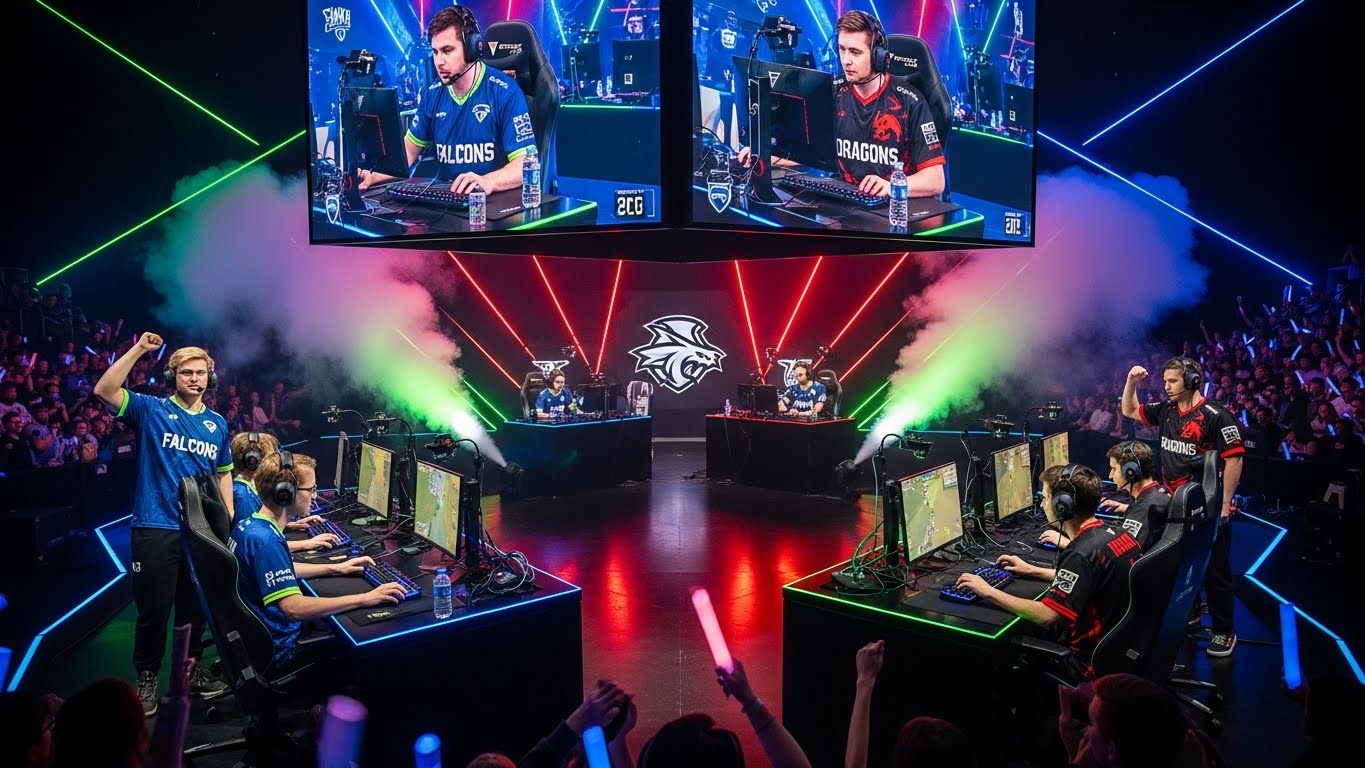
In the last decade, esports has evolved from a niche hobby into a global phenomenon. Competitive gaming, once considered a pastime for enthusiasts, has now become a professional industry, complete with tournaments, sponsorships, and dedicated fan bases. With millions of players and spectators worldwide, esports is redefining how we view competition, entertainment, and even the concept of sports itself. This blog explores the rise of esports, its cultural and economic impact, the benefits and challenges associated with competitive gaming, and its promising future.
The Rise of Esports
The origins of esports can be traced back to the late 20th century, when arcade competitions and early PC games began attracting organized players. Titles like “Space Invaders,” “Pac-Man,” and later “Street Fighter” and “StarCraft” laid the foundation for competitive gaming. These early competitions highlighted skill, strategy, and the thrill of one-on-one or team-based contests, appealing to both players and spectators.
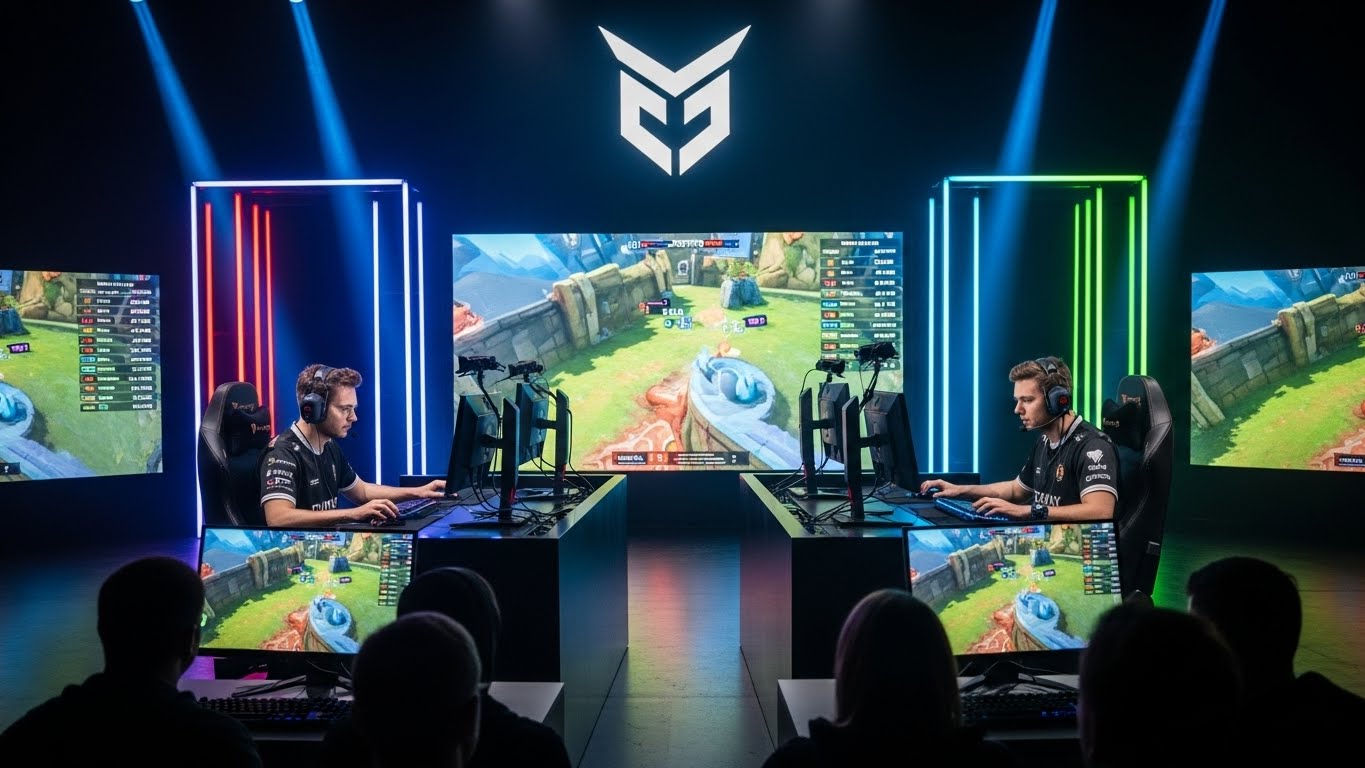
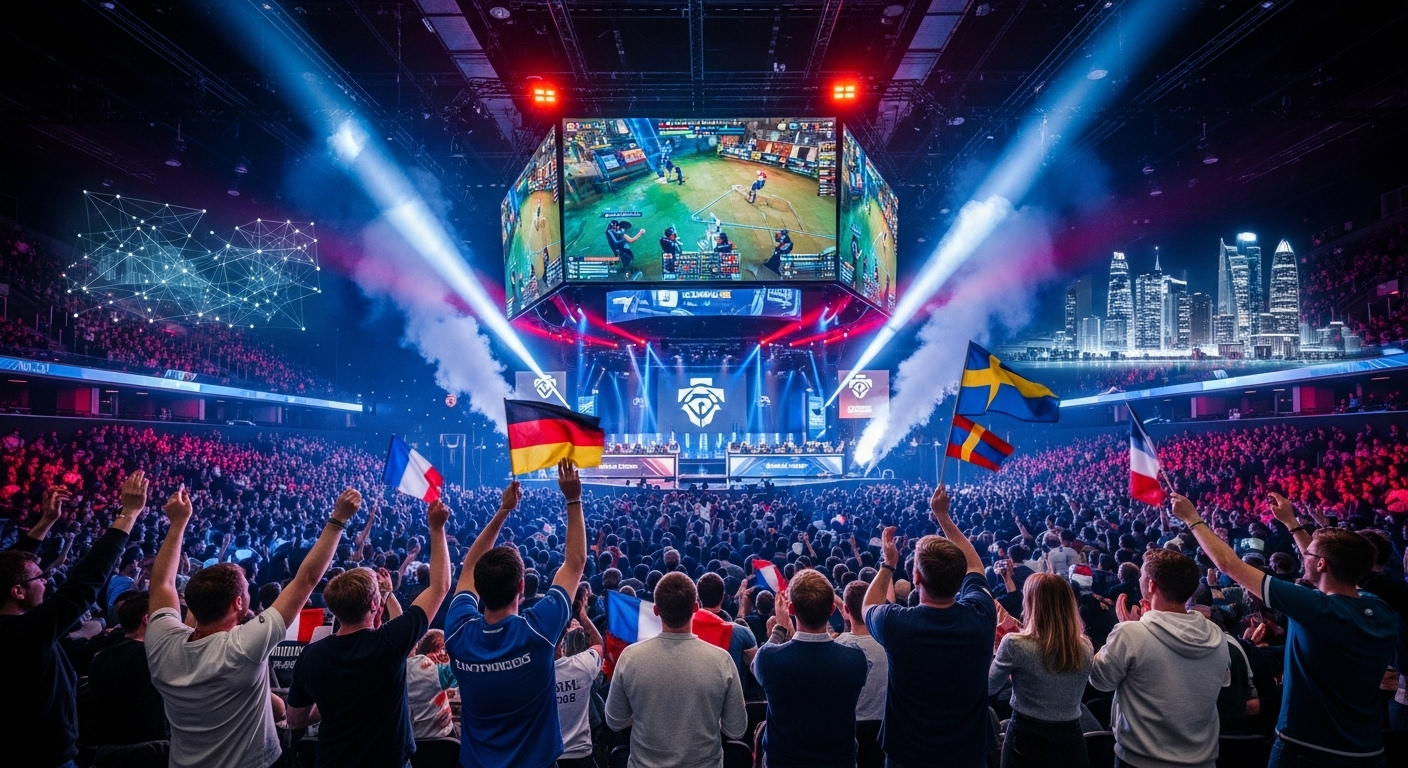
With the proliferation of high-speed internet and the growth of online multiplayer games, esports experienced exponential growth. Games like “League of Legends,” “Dota 2,” “Counter-Strike,” and “Fortnite” transformed competitive gaming into a spectator sport. Today, professional leagues, live-streamed tournaments, and international championships rival traditional sports events in scale and viewership.
Esports as a Professional Industry
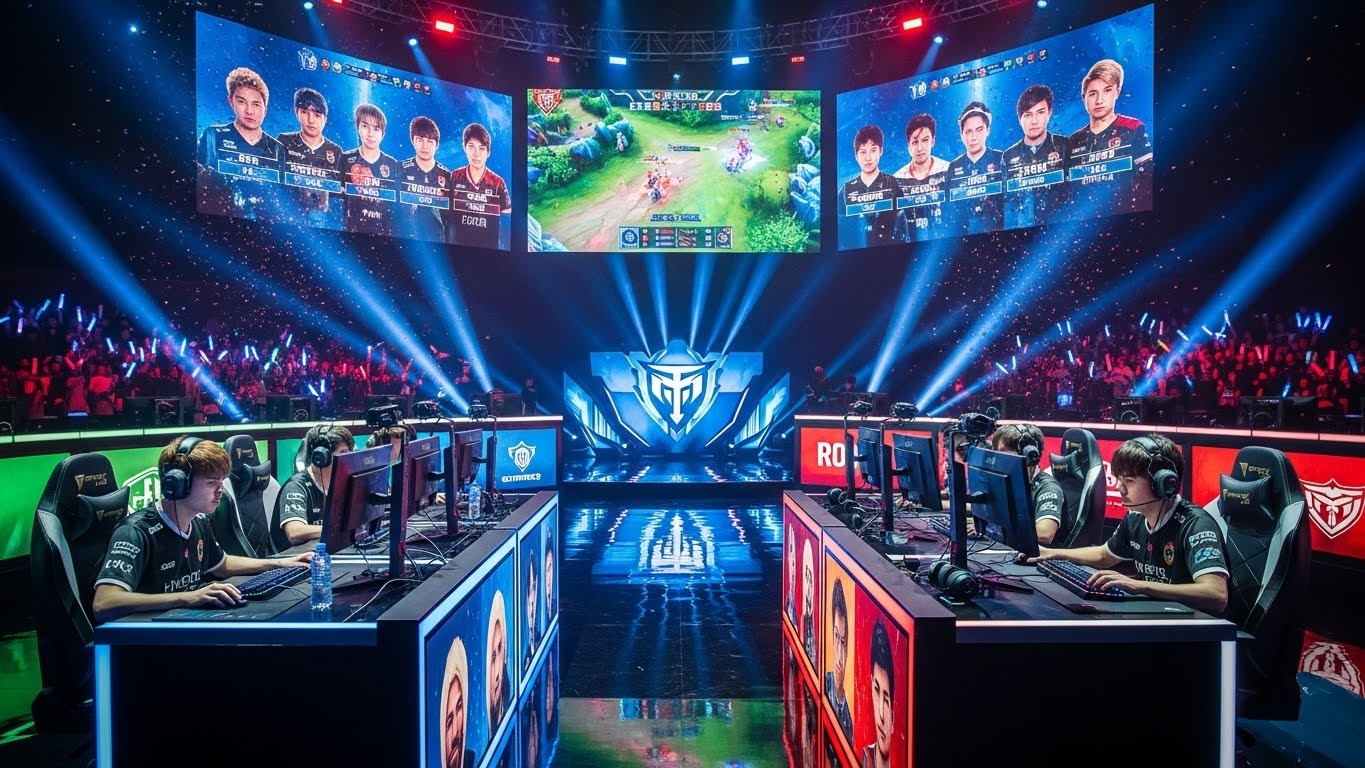
Esports is no longer just a hobby—it has become a multi-billion-dollar industry. Professional esports players sign contracts, receive salaries, and compete in leagues that are structured similarly to traditional sports organizations. Major tournaments, such as world championships for games like “League of Legends” and “Dota 2,” offer prize pools in the millions of dollars, attracting top talent from around the globe.
Beyond player earnings, esports generates revenue through sponsorships, merchandise, broadcasting, and advertising. Brands recognize the influence of esports in reaching younger audiences, often integrating products directly into gaming experiences or partnering with professional teams. The rise of streaming platforms has also allowed content creators to build careers by sharing gameplay, commentary, and tutorials, further expanding the industry’s economic reach.
The Cultural Significance of Esports
Esports is more than competition; it represents a cultural movement. Gamers often form communities centered around specific titles, sharing strategies, experiences, and social interactions. These communities provide a sense of belonging, fostering connections that transcend geography and social boundaries.
Additionally, esports has challenged traditional perceptions of sports. For years, competitive gaming was dismissed as “just playing video games,” but its professionalization has demonstrated that esports requires the same levels of strategy, teamwork, practice, and mental focus as traditional athletics. This shift has influenced how society perceives skill, achievement, and entertainment in the digital age.
Physical and Mental Benefits of Esports
While esports may appear sedentary, competitive gaming offers a range of cognitive and psychological benefits. Players develop strategic thinking, quick reflexes, problem-solving skills, and decision-making abilities under pressure. Many games demand teamwork, communication, and leadership, fostering skills that translate into professional and personal contexts.
Mental resilience is another key benefit. High-level esports requires concentration, focus, and the ability to handle stress. Players learn to adapt quickly to changing situations, remain calm under pressure, and maintain discipline in training. In some cases, esports can even promote emotional intelligence, as players navigate complex social dynamics within teams and communities.
Esports and Technology
The growth of esports is inseparable from technological advancement. High-performance gaming PCs, consoles, and peripherals have enhanced the quality of gameplay and enabled faster, more precise interactions. Internet infrastructure improvements have allowed seamless online competitions, making it possible for players across continents to compete in real-time.
Streaming technology has revolutionized how audiences engage with esports. Platforms such as Twitch and YouTube Gaming allow fans to watch tournaments live, interact with players, and participate in community events. Virtual reality and augmented reality are beginning to introduce new forms of immersive gaming experiences, hinting at the next evolution of esports as a spectator and participatory sport.
Economic Impact of Esports
The economic impact of esports extends far beyond player salaries and tournament prize pools. Esports has created jobs in areas such as broadcasting, coaching, event management, marketing, and content creation. Teams, leagues, and organizations employ staff to manage logistics, promote events, and maintain digital platforms.
Merchandising and sponsorship deals also generate significant revenue. Fans purchase branded merchandise, while corporations invest in advertising to tap into esports’ growing and engaged audience. Additionally, tournaments held in physical venues contribute to local economies through tourism, hospitality, and media coverage, demonstrating that esports has real-world financial implications.
Challenges Facing the Esports Industry
Despite its rapid growth, esports faces challenges that must be addressed for long-term sustainability. One major issue is the physical and mental health of players. Intense training schedules, prolonged screen time, and high-pressure environments can lead to fatigue, stress, and health problems. Organizations are increasingly recognizing the need for wellness programs, breaks, and support systems for professional gamers.
Another challenge is inclusivity. Women, minorities, and players with disabilities are underrepresented in professional esports. Efforts are underway to create more equitable opportunities, but progress remains uneven. Cheating, hacking, and toxicity in gaming communities also threaten the integrity and reputation of competitive gaming. Maintaining fair play and positive environments is crucial for the credibility and growth of esports.
The Future of Esports
The future of esports is full of potential. As technology continues to advance, immersive gaming experiences will become more sophisticated, offering new ways to compete and engage. Cloud gaming, virtual reality tournaments, and AI-driven analytics may transform both player training and spectator experiences.
Esports is also likely to expand its educational and professional applications. Schools and universities are increasingly offering esports programs, scholarships, and research opportunities, recognizing the value of gaming in developing critical thinking, collaboration, and digital literacy. Additionally, esports may play a larger role in promoting social causes, inclusivity, and mental health awareness, using its wide reach and influence to drive positive change.
Personal Growth Through Esports
On an individual level, esports offers opportunities for personal development. Players learn to set goals, manage time, and maintain discipline—skills that are valuable in any career or life pursuit. Competitive gaming also nurtures creativity, as players experiment with strategies, develop unique playstyles, and adapt to evolving game mechanics.
Beyond skill development, esports provides a sense of community and identity. For many, participating in or following esports fosters belonging and social connection. Fans celebrate achievements, share experiences, and build friendships across cultures and continents, demonstrating that esports can enrich lives far beyond the game itself.
Esports and Society
Esports has begun to influence society in profound ways. It challenges traditional definitions of sport, encourages technological literacy, and promotes digital engagement. It also reflects broader cultural trends, such as the rise of online communities, the importance of content creation, and the global exchange of ideas and entertainment.
In addition, esports is reshaping entertainment. Live-streamed tournaments attract millions of viewers worldwide, rivaling traditional sports broadcasts in popularity. Celebrities, influencers, and media personalities are increasingly involved in esports, further blurring the lines between gaming, entertainment, and mainstream culture.
Conclusion: Esports as a Global Phenomenon
Esports is more than a trend—it is a cultural, economic, and social phenomenon. It has transformed the landscape of competitive gaming, creating professional opportunities, fostering community, and challenging perceptions of skill and achievement. From the rise of professional leagues to the impact of streaming and technology, esports continues to redefine what it means to compete, watch, and participate in sports in the digital age.
As the industry grows, it will face challenges, including health concerns, inclusivity, and integrity issues. However, the potential for esports to inspire, educate, and unite people is immense. Whether through personal growth, community engagement, or economic impact, esports demonstrates that competitive gaming is here to stay—and its influence is only set to expand.
Ultimately, esports is a testament to human innovation and adaptability. It highlights our desire for competition, connection, and mastery, proving that even in a digital world, the thrill of the game remains as compelling as ever.