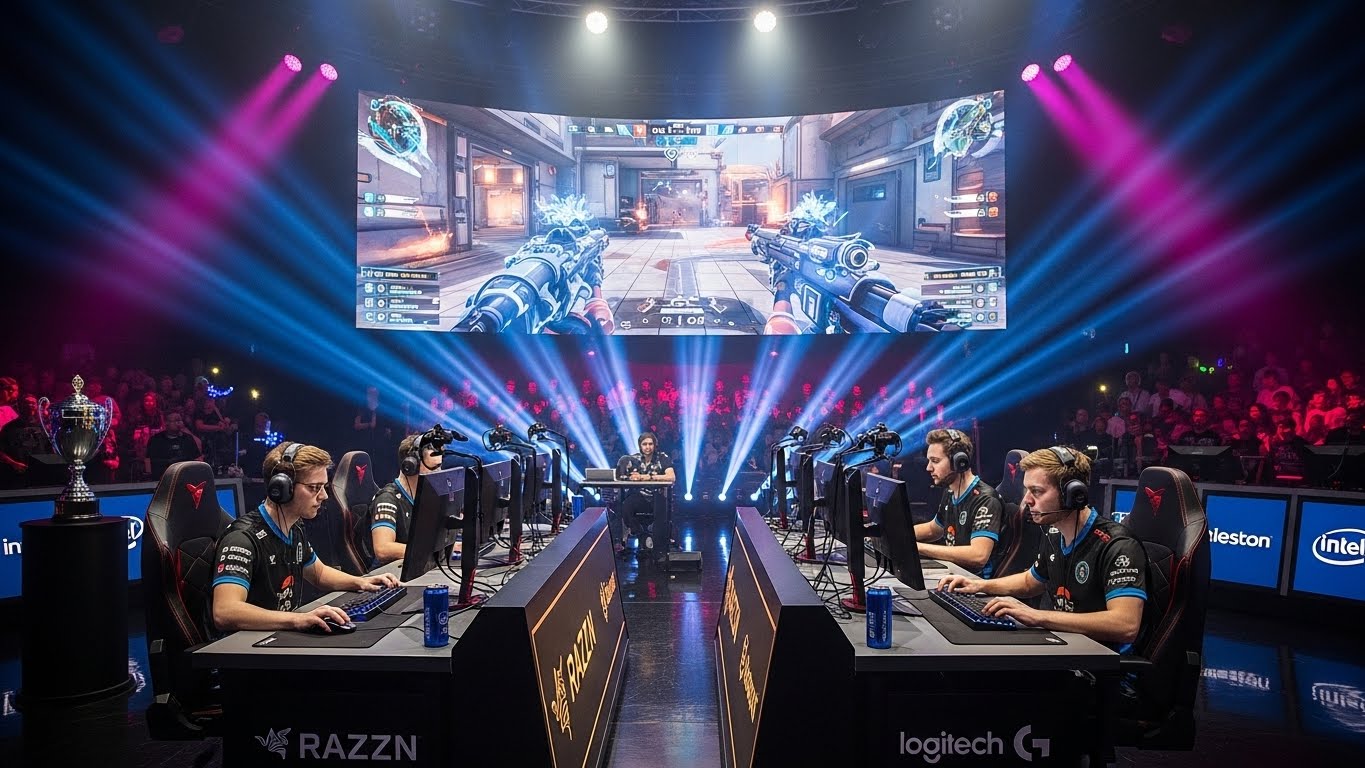
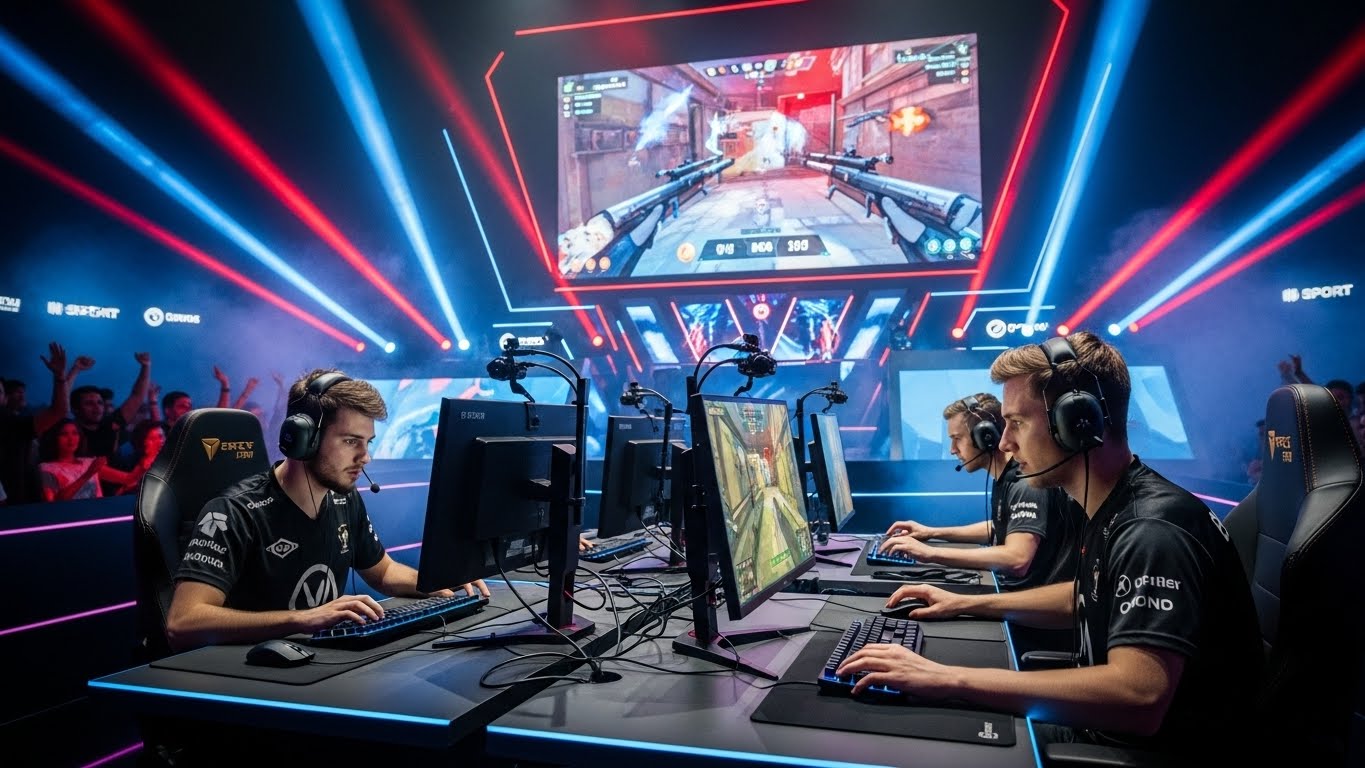
Esports, or competitive gaming, has evolved from a niche hobby into a global phenomenon. What once was considered a pastime for a select group of enthusiasts has now become a professional industry that rivals traditional sports in popularity, revenue, and cultural impact. The growth of esports is not merely a reflection of changing entertainment preferences; it is a window into the technological, social, and economic trends shaping the 21st century.
The Origins of Esports
The roots of esports can be traced back to the 1970s and 1980s, when simple video games began captivating players in arcades and early home consoles. Games like Pong and Space Invaders were not just entertainment but competitive challenges, often accompanied by local tournaments. The 1990s marked a turning point, with the rise of networked computers and the internet enabling players from different regions to compete against each other. Early titles such as StarCraft and Counter-Strike laid the foundation for modern competitive gaming, fostering communities and professional rivalries that persist today.
The Modern Esports Landscape
Today, esports encompasses a wide range of games, genres, and competitive formats. Multiplayer online battle arenas (MOBAs) like League of Legends and Dota 2 have garnered millions of viewers worldwide, while first-person shooters such as Counter-Strike: Global Offensive and Call of Duty remain staples of competitive gaming. Fighting games, real-time strategy games, and sports simulations also have thriving competitive scenes. What sets modern esports apart is its professionalization, with structured leagues, sponsorships, and career paths for players, coaches, and analysts.
Esports as a Career Path
The professionalization of esports has created opportunities that were unimaginable just a decade ago. Professional players can earn significant incomes through tournament winnings, sponsorship deals, streaming, and content creation. Beyond the players, there are careers in coaching, team management, broadcasting, marketing, and event organization. Universities and colleges around the world are even offering esports scholarships, recognizing the skill, discipline, and strategic thinking required to succeed. The esports career ecosystem demonstrates that competitive gaming is more than entertainment; it is a viable profession with global reach.
The Audience and Community
One of the key drivers of esports’ growth is its vibrant and engaged community. Unlike traditional sports, which often rely on geographic proximity for fan engagement, esports connects players and fans across continents. Streaming platforms allow millions to watch live matches, follow favorite players, and interact with others in real time. Online forums, social media, and fan-driven content amplify engagement, creating communities that are passionate, diverse, and influential. The audience is young, tech-savvy, and highly invested in the games they follow, making them a powerful force in shaping the future of entertainment.
Economic Impact of Esports
Esports is not only culturally significant but also economically transformative. The industry generates billions in revenue annually through sponsorships, advertising, merchandise, ticket sales, and media rights. Global brands from technology to fashion are increasingly investing in esports, recognizing its potential to reach a highly engaged audience. Cities and governments are also taking notice, hosting international tournaments and building esports arenas to attract tourism and investment. The economic footprint of esports demonstrates that it is a serious industry with long-term growth potential, rivaling established sports leagues in both scale and influence.
Technological Advancements Driving Growth
The rapid advancement of technology has been central to esports’ rise. High-speed internet, powerful gaming hardware, streaming platforms, and advanced analytics have transformed how games are played, watched, and analyzed. Augmented reality, virtual reality, and artificial intelligence are further expanding the possibilities for immersive gaming experiences and enhanced spectator engagement. Technology not only facilitates competitive play but also enables new forms of content creation, fan interaction, and monetization, making esports a dynamic and continuously evolving ecosystem.
Cultural Significance of Esports
Esports has also had a profound cultural impact, challenging traditional notions of sport, skill, and competition. It has created a new language, community rituals, and a global culture that transcends borders. Iconic players become celebrities, while tournaments turn into spectacles comparable to major sporting events. Esports is increasingly featured in mainstream media, from television coverage to documentaries and films, highlighting its role as a legitimate and influential form of entertainment. Moreover, esports promotes teamwork, strategic thinking, and adaptability, reflecting values that resonate with a generation raised in a digital world.
Challenges and Criticisms
Despite its meteoric rise, esports faces significant challenges. Issues such as player burnout, mental health, and career longevity are prevalent due to the intense demands of competitive gaming. Regulatory oversight is still developing, and the industry faces scrutiny regarding fairness, cheating, and the ethical responsibilities of sponsors and organizations. There is also ongoing debate about whether esports should be classified as a “real sport” and how it should be integrated into educational and professional frameworks. Addressing these challenges is critical for ensuring that esports continues to grow responsibly and sustainably.
The Future of Esports
The future of esports is bright, with enormous potential for further growth and innovation. Emerging technologies such as cloud gaming, artificial intelligence, and immersive virtual environments are likely to redefine the competitive and spectator experience. Esports is also poised to expand into new markets, reaching audiences in regions that have yet to be fully tapped. Collaboration with traditional sports, entertainment, and media will continue to blur the lines between gaming and mainstream culture. Ultimately, esports represents a paradigm shift in how people play, watch, and engage with games, offering a glimpse into the future of entertainment itself.
Conclusion
Esports is more than just a trend; it is a transformative cultural and economic phenomenon. From humble beginnings in arcades and local tournaments to global stages with millions of spectators, competitive gaming has carved out a legitimate and influential space in the modern entertainment landscape. Its growth reflects broader technological, social, and cultural shifts, and its impact will continue to expand in the coming years. As esports evolves, it challenges traditional ideas of competition, community, and career, proving that the digital arena is as thrilling, complex, and rewarding as any traditional sports field. The rise of esports is not just a story about games—it is a story about innovation, ambition, and the power of human creativity in the digital age.