Introduction
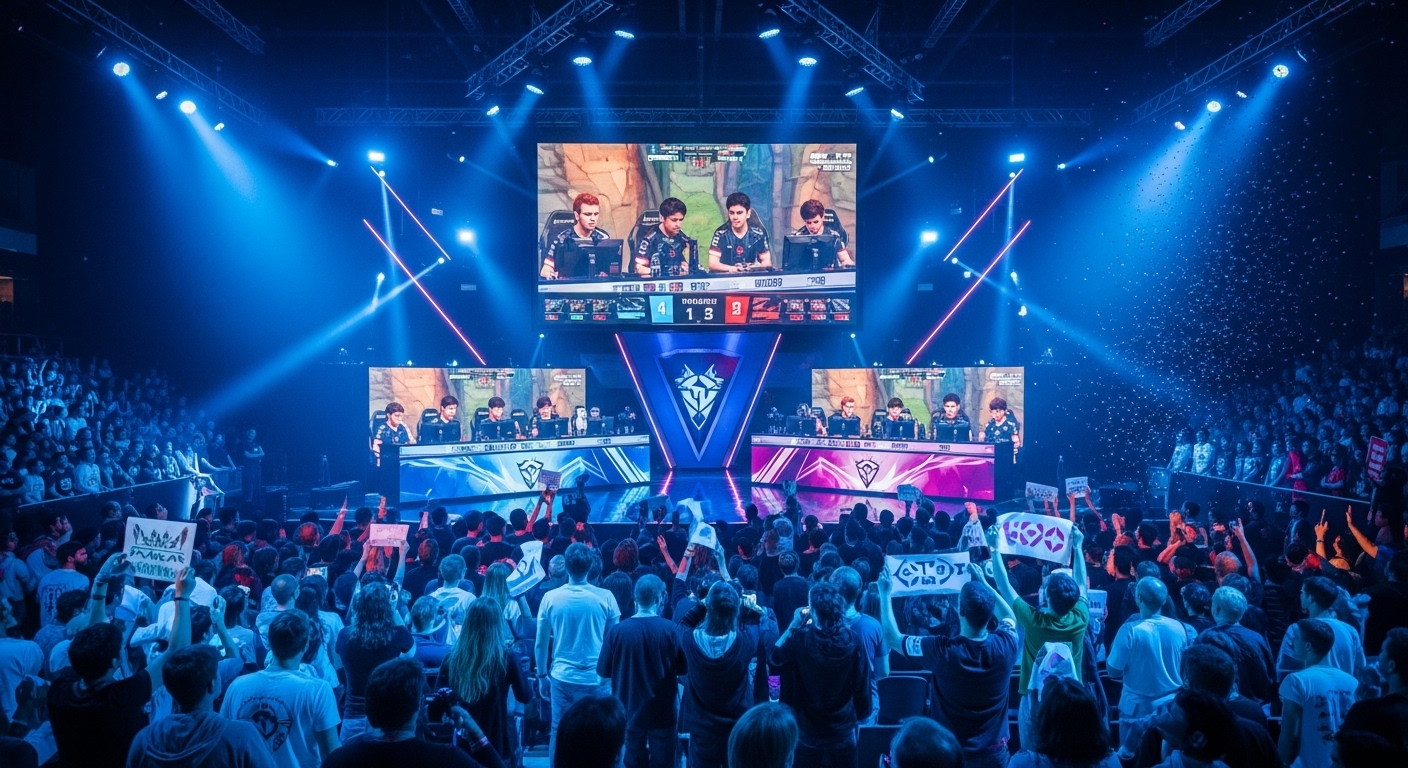
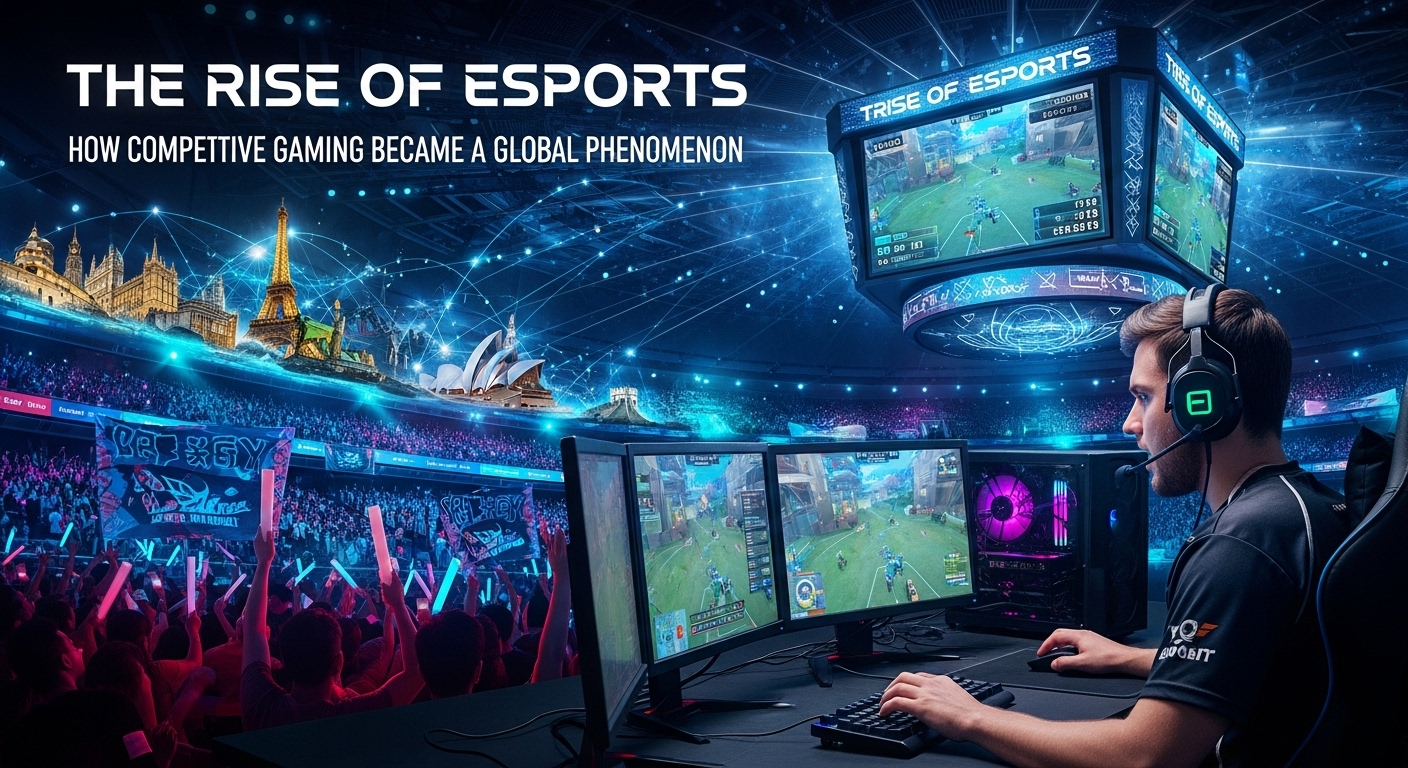
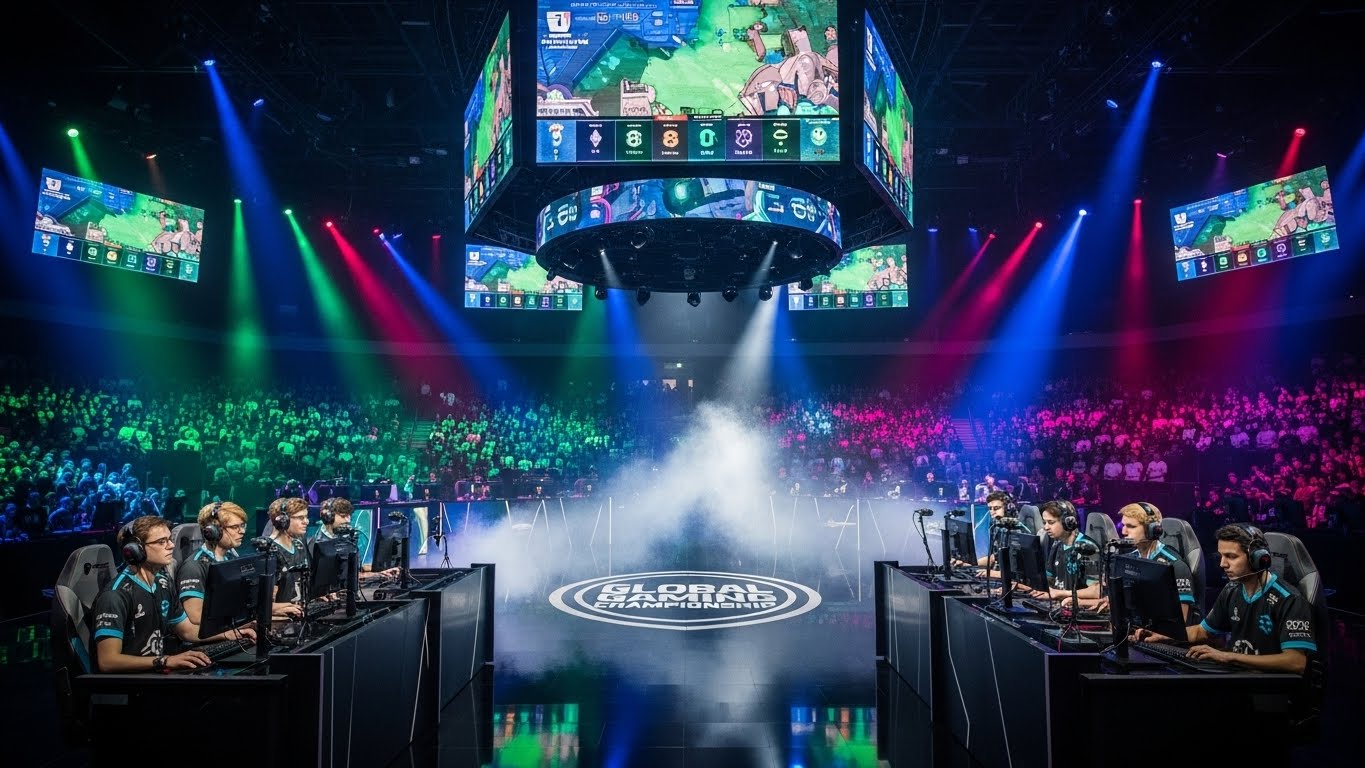
Esports has emerged as one of the most influential and rapidly growing sectors of the entertainment industry. What started as a pastime for passionate gamers has now become a multi-billion-dollar industry, drawing millions of spectators worldwide. Esports tournaments are held in stadiums, streamed online, and followed by fans across all continents. It has created professional opportunities for gamers and sparked a new form of entertainment that blends competitive sports with the excitement of digital play. The journey from casual gaming to global competitions is one of innovation, perseverance, and community. In this blog, we will explore how esports became the giant it is today, what makes it so captivating, and what the future holds for this exciting new form of entertainment.
The Beginnings of Esports: From Arcade Games to Global Competitions
Competitive gaming dates back to the early 1980s when arcade games like Space Invaders and Pong allowed players to compete against one another for high scores. While these initial competitions were relatively small, they set the stage for the future of competitive gaming. As technology advanced, multiplayer games began to emerge, paving the way for larger, more organized tournaments.
In the 1990s, games like Quake, Warcraft, and StarCraft introduced the concept of team-based and strategy-oriented competition. These games set the groundwork for modern esports, as they combined skill, strategy, and teamwork to create exciting and dynamic gameplay. Online gaming, made possible by the internet, allowed players to compete against one another from different parts of the world, creating a global community of gamers.
The Rise of Online Streaming and Its Impact on Esports
One of the key drivers behind the exponential growth of esports has been the rise of online streaming platforms. Services like Twitch, YouTube Gaming, and Facebook Gaming have made it easier than ever for viewers to watch live tournaments and follow their favorite players and teams. These platforms have given fans direct access to the esports world, allowing them to experience the thrill of a live competition from anywhere.
Streaming also played a significant role in building the careers of professional gamers. In the early days, many top players were discovered through their streaming channels, where they showcased their skills and entertained viewers. This opened the door for gamers to become influencers, often attracting sponsorship deals, endorsements, and even merchandise lines. The intersection of entertainment and competition in esports has created a new kind of celebrity—one whose fame is built not just on athletic ability, but also on charisma, personality, and fan engagement.
Why Esports is So Popular: A New Era of Entertainment
Esports appeals to a wide range of audiences, and its growth is a testament to the changing landscape of entertainment. There are several factors that have contributed to the immense popularity of esports:
- Accessibility: Unlike traditional sports that often require physical space, expensive equipment, or significant training, esports is highly accessible. All you need is a computer, console, or mobile device, and you can be part of the action. This has opened up competitive gaming to a much wider audience, including people from all walks of life.
- Global Community: Esports is inherently global. Players and teams from different countries can compete against each other without the restrictions of geographic boundaries. This creates a diverse and inclusive community of gamers and fans who share a passion for competition.
- Interactive Spectatorship: Unlike traditional sports, where fans are limited to watching the action, esports provides a more interactive experience. Fans can engage with players through live chats, polls, and even influence the outcome of events through voting systems and in-game decisions. The sense of participation enhances the viewing experience.
- Constant Evolution: One of the most exciting aspects of esports is its constant evolution. Unlike traditional sports that have set rules and formats, esports games are regularly updated, introducing new features, characters, or mechanics. This keeps the gameplay fresh and forces players to continuously adapt, which makes each tournament unpredictable and exciting.
The Impact of Professionalism: Teams, Coaches, and Leagues
As esports has grown, so too has its professionalism. The structure of esports now mirrors traditional sports leagues. There are professional teams, coaches, analysts, managers, and even scouts, all working behind the scenes to help players perform at their best. Esports organizations operate like professional sports teams, with rigorous training schedules, strategy sessions, and team-building activities.
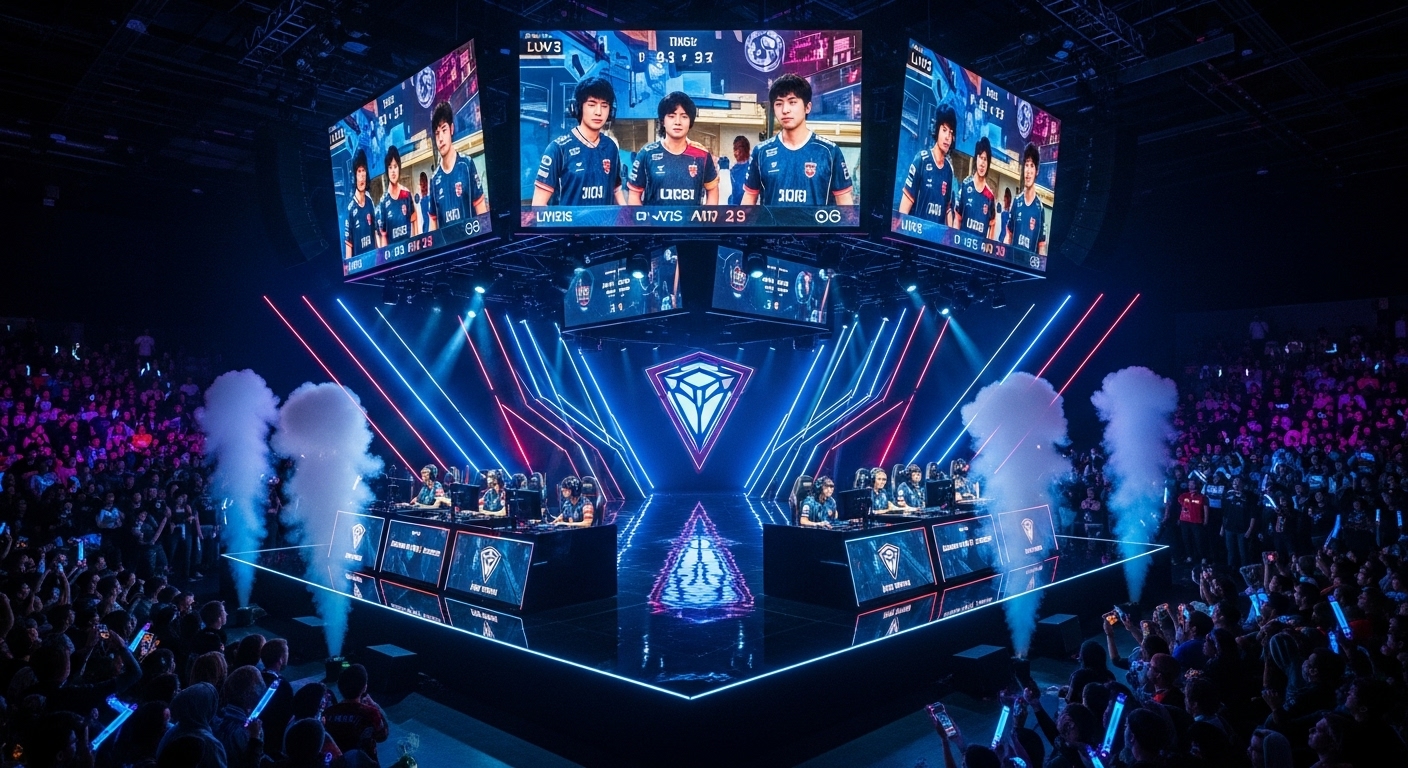
The top esports games like League of Legends, Dota 2, Counter-Strike: Global Offensive, and Fortnite have established competitive leagues that feature regular seasons, playoffs, and championship events. These tournaments draw massive crowds and offer multi-million-dollar prize pools, with some of the most prestigious events, such as The International in Dota 2, attracting millions of viewers.
The Big Players in the Esports Industry
Esports includes a variety of game genres, each with its own community and competitive scene. Here are some of the major games that have contributed to the growth of esports:
- Multiplayer Online Battle Arenas (MOBAs): Games like League of Legends and Dota 2 dominate the esports landscape. These team-based strategy games require players to work together to achieve objectives, using complex tactics and coordination. The scale of these games, combined with their strategic depth, has made them a staple of the esports world.
- First-Person Shooters (FPS): Games like Counter-Strike: Global Offensive, Overwatch, and Call of Duty test players’ reflexes, accuracy, and tactical decision-making. These games feature fast-paced action and high-stakes competition, making them incredibly exciting for both players and spectators.
- Battle Royale Games: Titles like Fortnite and PUBG have taken the gaming world by storm with their large-scale, last-man-standing competition. These games offer a new dynamic to esports, focusing on survival and adaptability in ever-changing environments.
- Sports Simulation Games: Sports games like FIFA and NBA 2K provide a digital version of traditional sports, with players competing against each other in football, basketball, and other popular games. These games are particularly popular with fans who enjoy both traditional sports and gaming.
Sponsorship and Commercialization: The Business of Esports
Esports has evolved into a thriving business, attracting sponsorships from major corporations and multinational brands. Companies like Intel, Red Bull, Mercedes-Benz, and Coca-Cola have all invested heavily in esports, recognizing the massive reach and influence the industry commands. This influx of sponsorship has led to increased prize pools, better production quality, and more opportunities for players and teams.
The commercialization of esports has also resulted in the creation of merchandise, team branding, and media partnerships. Esports teams now sell jerseys, branded gear, and other products, while players themselves often receive endorsement deals and sponsorships. Streaming platforms, such as Twitch, also contribute to the revenue stream through advertisements, paid subscriptions, and donations from fans.
The Role of Education and Career Development in Esports
As esports becomes more mainstream, educational institutions are increasingly offering scholarships, courses, and programs related to gaming and esports management. Universities around the world have established esports teams, and some even offer degrees in esports management, game design, and media production.
For aspiring gamers, this means that esports is no longer just a hobby—it’s a potential career path. Many schools now offer esports as part of their extracurricular activities, allowing students to develop their skills and compete in organized leagues. The rise of esports has created a new industry for young professionals interested in pursuing a career as gamers, streamers, coaches, analysts, event organizers, or even commentators.
Challenges Facing Esports: Health and Integrity
Despite its growth, esports faces some challenges that must be addressed for the industry to continue thriving. One of the most pressing concerns is the physical and mental health of players. The intense training schedules and long hours of gameplay can lead to injuries such as carpal tunnel syndrome, eye strain, and back pain. Mental health is also a significant issue, with players facing stress, anxiety, and burnout from the pressures of competing at the highest levels.
Moreover, competitive integrity remains a concern, with incidents of cheating, match-fixing, and doping. Esports organizers are working to implement stricter rules and regulations to ensure fair play, but maintaining the integrity of the sport will require constant vigilance.
The Future of Esports
The future of esports looks incredibly bright. With technological advances like virtual reality (VR) and augmented reality (AR), the next generation of esports could be even more immersive and interactive. New gaming experiences, such as cloud gaming and mobile esports, will further broaden the accessibility of competitive gaming, allowing more people to participate and enjoy the sport.
Esports is also likely to see more integration with traditional sports. Already, major sports leagues like the NBA and NFL have taken an interest in esports, either by hosting their own events or partnering with gaming companies. This trend is expected to continue, bringing esports even closer to the mainstream.
Conclusion
Esports is no longer just a fringe activity for hardcore gamers—it’s a global entertainment industry that spans continents, brings together millions of fans, and offers lucrative career opportunities. From its humble beginnings in arcades to its present-day status as a billion-dollar industry, esports has changed the way we think about gaming and competition. With its growing popularity, investment from major companies, and advancements in technology, esports is poised to be a dominant force in the entertainment world for years to come.