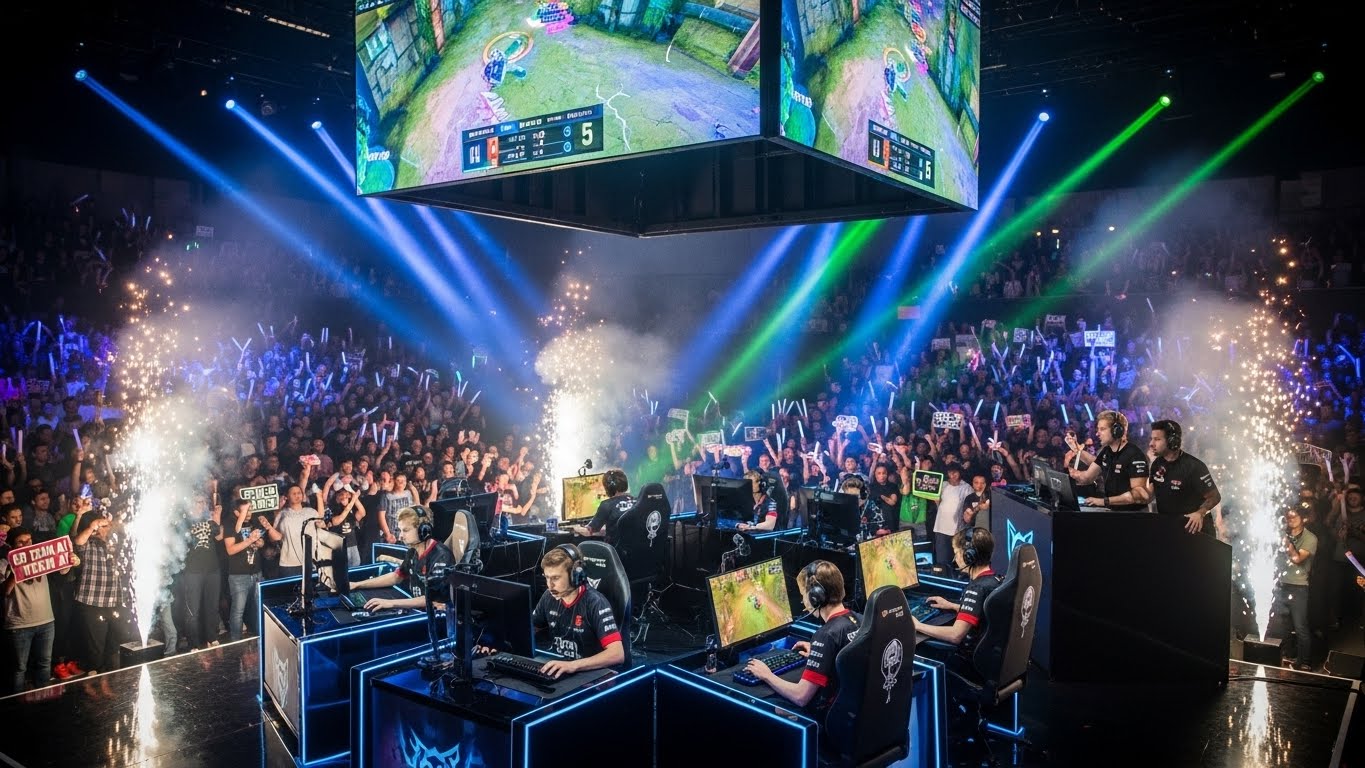
Introduction: Esports – A Revolution in Competition
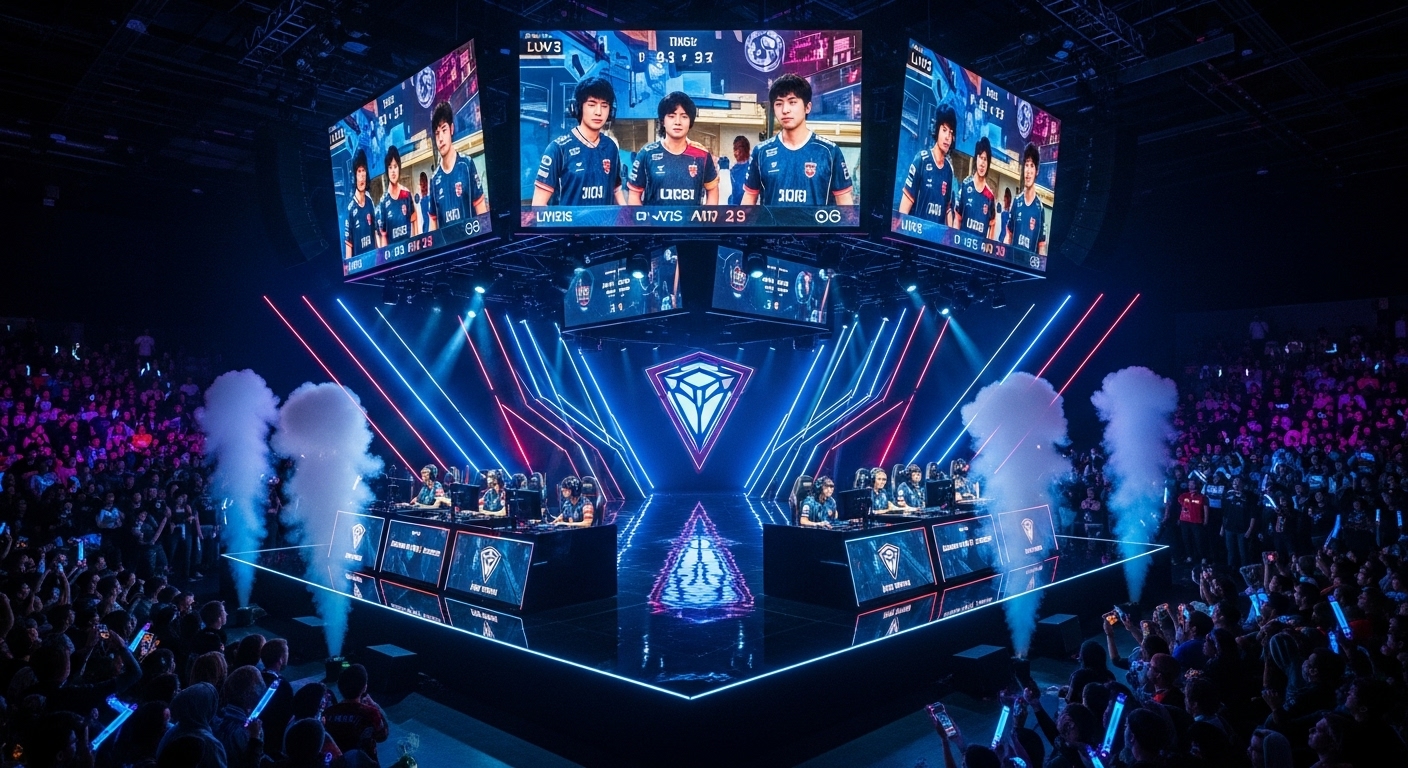
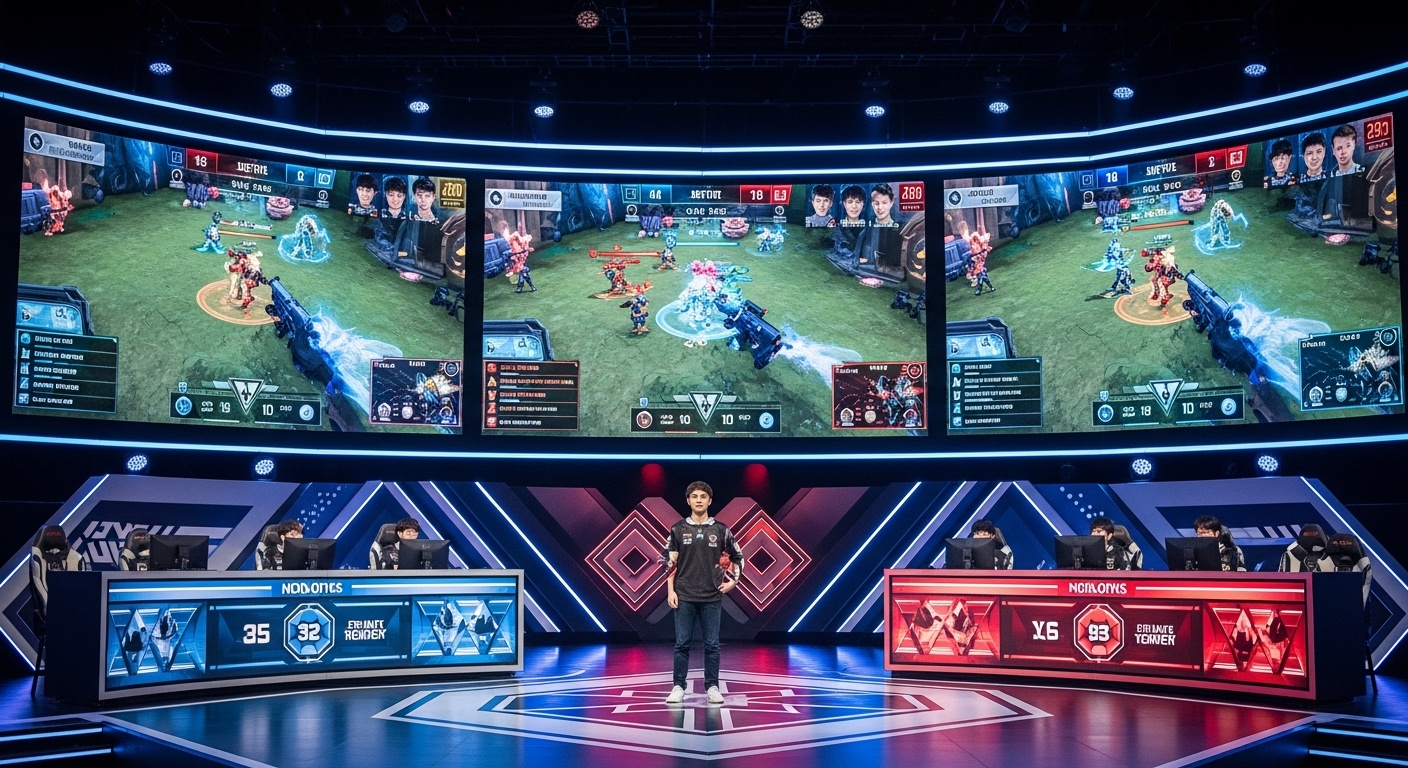
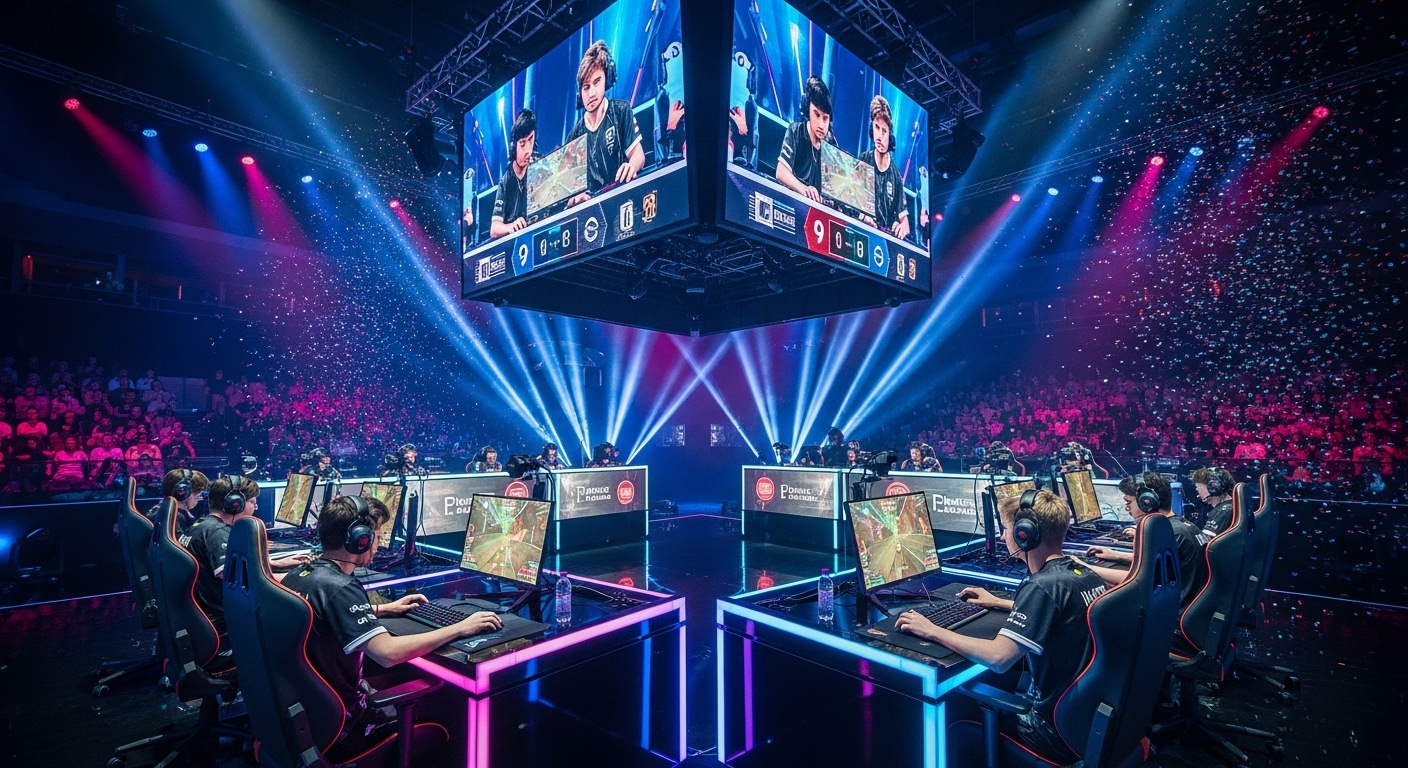
Esports, or competitive video gaming, has emerged as one of the fastest-growing entertainment industries in the world. What began as casual gaming among friends has transformed into a global phenomenon with professional leagues, massive prize pools, and millions of passionate fans. From live-streamed tournaments watched by audiences in the millions to players achieving celebrity status, esports has redefined the concept of competition in the digital age. Unlike traditional sports, esports relies on strategy, reflexes, teamwork, and technological skill, offering a unique blend of athleticism and intellectual challenge. Beyond entertainment, esports is now a legitimate career path, a cultural movement, and a platform for global connectivity.
The Explosive Growth of Esports
The rise of esports has been nothing short of phenomenal. Over the past decade, what was once a niche hobby has developed into a multi-billion-dollar industry. Professional leagues such as the League of Legends Championship Series, Dota 2’s The International, and Counter-Strike’s Major tournaments attract enormous audiences, both online and in live venues. Sponsorships from global brands, lucrative streaming deals, and international media coverage have propelled esports into the mainstream. Digital platforms like Twitch and YouTube Gaming allow fans to follow players in real-time, interact with their favorite teams, and access exclusive content. The accessibility of esports makes it unique, allowing anyone with a computer, console, or internet connection to compete at varying levels.
Skills and Strategy in Esports
Esports demands more than quick reflexes; it is a mental and strategic challenge. Players must process information rapidly, anticipate opponents’ moves, and make split-second decisions. In team-based games, communication and collaboration are essential, as a single mistake can impact the outcome of the match. Esports requires a combination of cognitive agility, problem-solving, hand-eye coordination, and tactical planning. Professional players dedicate hours to practice, analyze gameplay footage, and study opponents’ strategies. This level of commitment mirrors the discipline and training seen in traditional sports, proving that esports is a rigorous and highly competitive field.
Esports and Mental Health
While gaming is often perceived as sedentary, esports provides significant cognitive benefits. Playing competitive games enhances memory, concentration, multitasking, and decision-making skills. Moreover, esports encourages social interaction through teams, online communities, and fan engagement. However, professional players face pressures including intense competition, long hours of practice, and the risk of burnout. Many organizations are now implementing wellness programs, mental health support, and physical exercise routines to maintain players’ well-being. This balanced approach ensures that esports continues to grow sustainably while prioritizing the health of its athletes.
Streaming and Audience Engagement
Streaming platforms have been central to the popularity of esports. Fans can watch live matches, interact with players, and participate in the gaming community from anywhere in the world. Streamers have become influencers, shaping trends, teaching strategies, and connecting players to their fanbase. The combination of live competition, real-time commentary, and audience participation creates a dynamic viewing experience that rivals traditional sports broadcasting. By providing visibility and accessibility, streaming platforms have democratized esports, allowing new talent to gain recognition and building an interactive global fan culture.
Esports as a Professional Career
For many, esports is no longer a hobby but a viable career. Professional gamers earn income from tournament winnings, sponsorships, streaming revenue, and merchandise sales. Some players expand into coaching, content creation, and analysis, creating multifaceted career paths. Colleges and universities now offer esports scholarships, merging academic education with competitive gaming development. The professionalization of esports reflects a societal shift that recognizes digital skill, strategic thinking, and dedication as legitimate markers of talent, comparable to traditional athletic achievements.
Cultural Impact of Esports
Esports has cultivated a unique culture that extends beyond gameplay. Fans celebrate iconic players, analyze strategies, and participate in community-driven events. Major tournaments create a shared sense of excitement similar to traditional sports championships. Cosplay, fan art, and gaming conventions further enrich the cultural landscape, transforming esports into a lifestyle rather than merely a form of entertainment. This culture encourages creativity, self-expression, and global connectivity, demonstrating how digital competition can shape social trends and influence contemporary media.
Technology and Innovation in Esports
Technology is at the core of esports, enabling rapid gameplay, global connectivity, and immersive experiences. High-performance computers, gaming consoles, peripherals, and stable internet connections are essential for competitive play. Innovations such as virtual reality, augmented reality, and AI-driven analytics are beginning to reshape gameplay, strategy, and training methods. Technology also enhances spectator engagement, offering features like instant replay, live statistics, and interactive interfaces. This integration of innovation highlights esports as a forward-thinking industry that merges entertainment, athleticism, and digital progress.
Esports in Education
Educational institutions have recognized esports as a valuable tool for skill development and career preparation. Schools and universities have launched esports programs that emphasize teamwork, communication, leadership, and strategic thinking. Scholarships provide financial support while encouraging academic growth, promoting a balance between intellectual and digital skill development. By integrating esports into education, institutions prepare students for careers in gaming, technology, and digital media. These programs also cultivate inclusive communities and teach lessons in sportsmanship and discipline, bridging traditional academic learning with emerging industries.
Global Reach and Diversity
Esports has an unparalleled global reach, connecting players and fans across continents. Unlike many traditional sports with geographic limitations, esports is accessible worldwide, allowing anyone with a computer and internet to compete. This global nature fosters cultural exchange, diverse strategies, and international fan communities. Competitions like the League of Legends World Championship or the Fortnite World Cup feature players from Asia, Europe, the Americas, and beyond, highlighting the inclusivity and meritocratic nature of esports. Talent is recognized based on skill, not physical attributes, making esports a truly universal arena for competition.
Challenges Facing Esports
Despite its growth, esports faces several challenges. Sedentary lifestyles, excessive screen time, and repetitive strain injuries are concerns for players. Online toxicity, cheating, and harassment can negatively impact communities. The competitive nature of esports may also lead to burnout among professional players. To address these issues, esports organizations are adopting wellness programs, fair-play regulations, and mental health initiatives. By prioritizing the safety and well-being of players, the industry aims to maintain sustainable growth and ensure esports remains a respected and accessible form of competition.
The Future of Esports
The future of esports is bright, driven by technological innovation, increased investment, and mainstream acceptance. Emerging technologies such as cloud gaming, virtual reality, and AI-driven performance analytics will redefine training, competition, and viewer experiences. Esports is likely to become increasingly integrated into educational systems, professional careers, and entertainment ecosystems. As more organizations embrace esports, the industry will continue to grow as a cultural, social, and economic force. Esports is not just a trend; it represents the evolution of competition in a digital, connected world.
Conclusion: Esports as a Modern Arena of Excellence
Esports has grown from casual gaming to a global phenomenon that demands skill, strategy, and discipline. It offers players opportunities for personal development, professional growth, and social interaction, while providing fans with dynamic, immersive experiences. Esports challenges traditional definitions of athleticism, proving that mental acuity, strategy, and reflexes can be just as competitive and rewarding as physical prowess. As technology, culture, and education converge, esports represents the future of competition, creating digital arenas where talent, teamwork, and passion know no boundaries. In the modern age, esports stands as a testament to human innovation, creativity, and the universal drive to compete and excel.