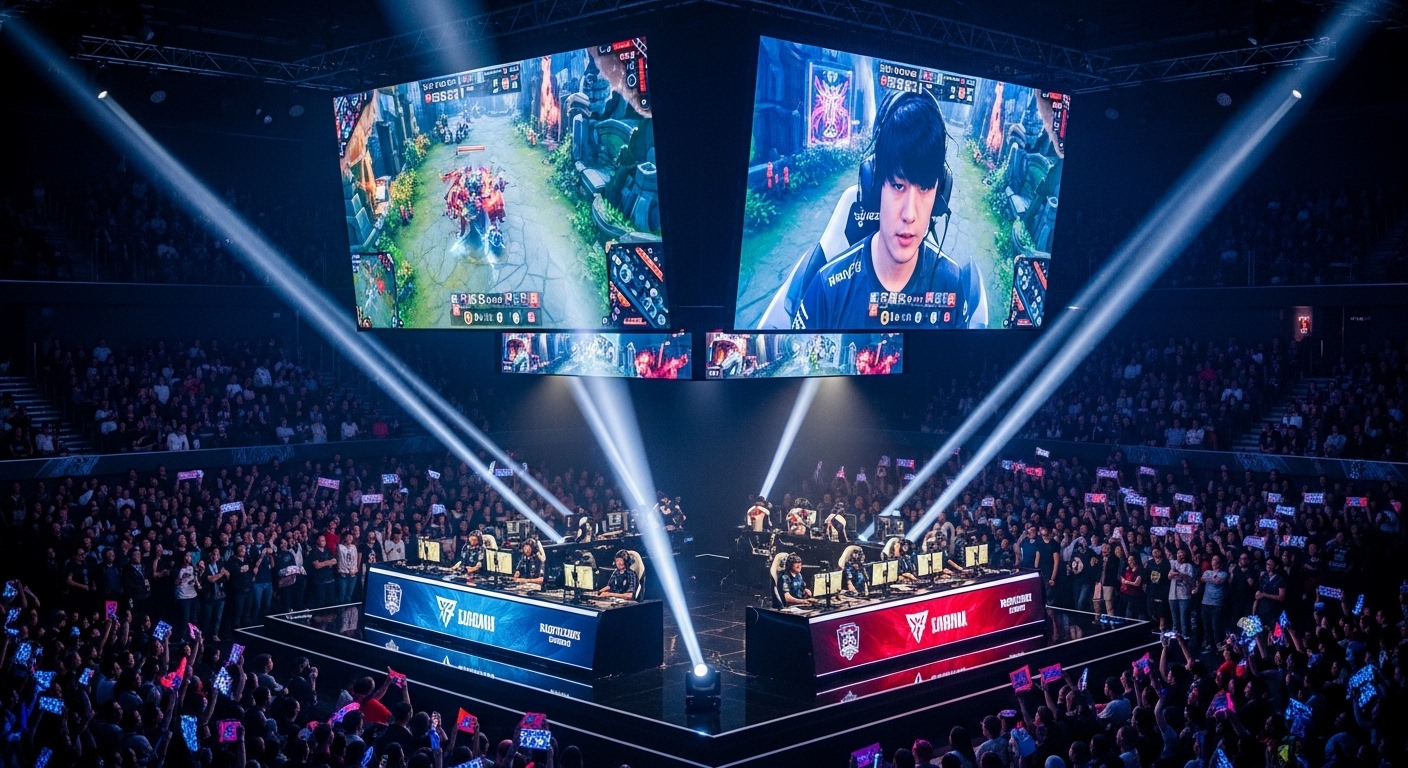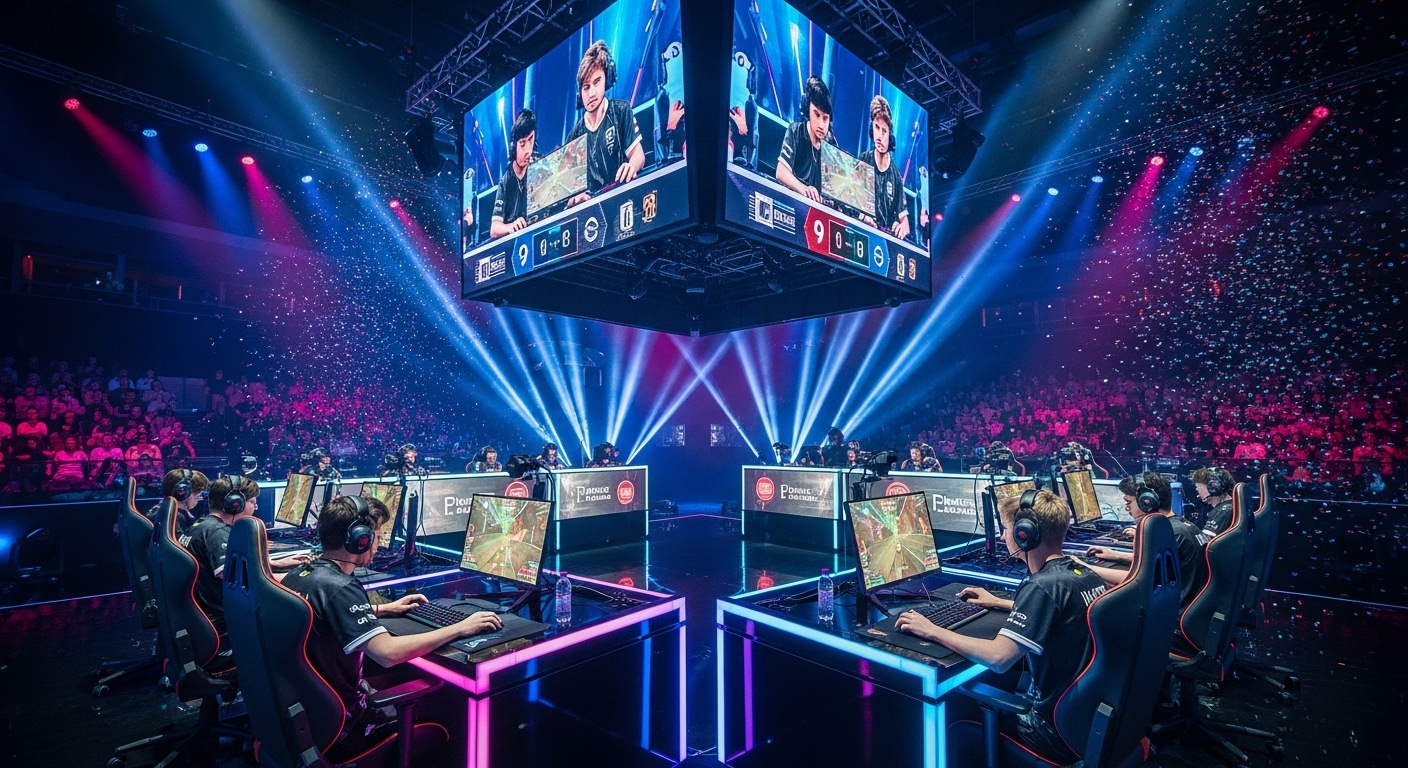
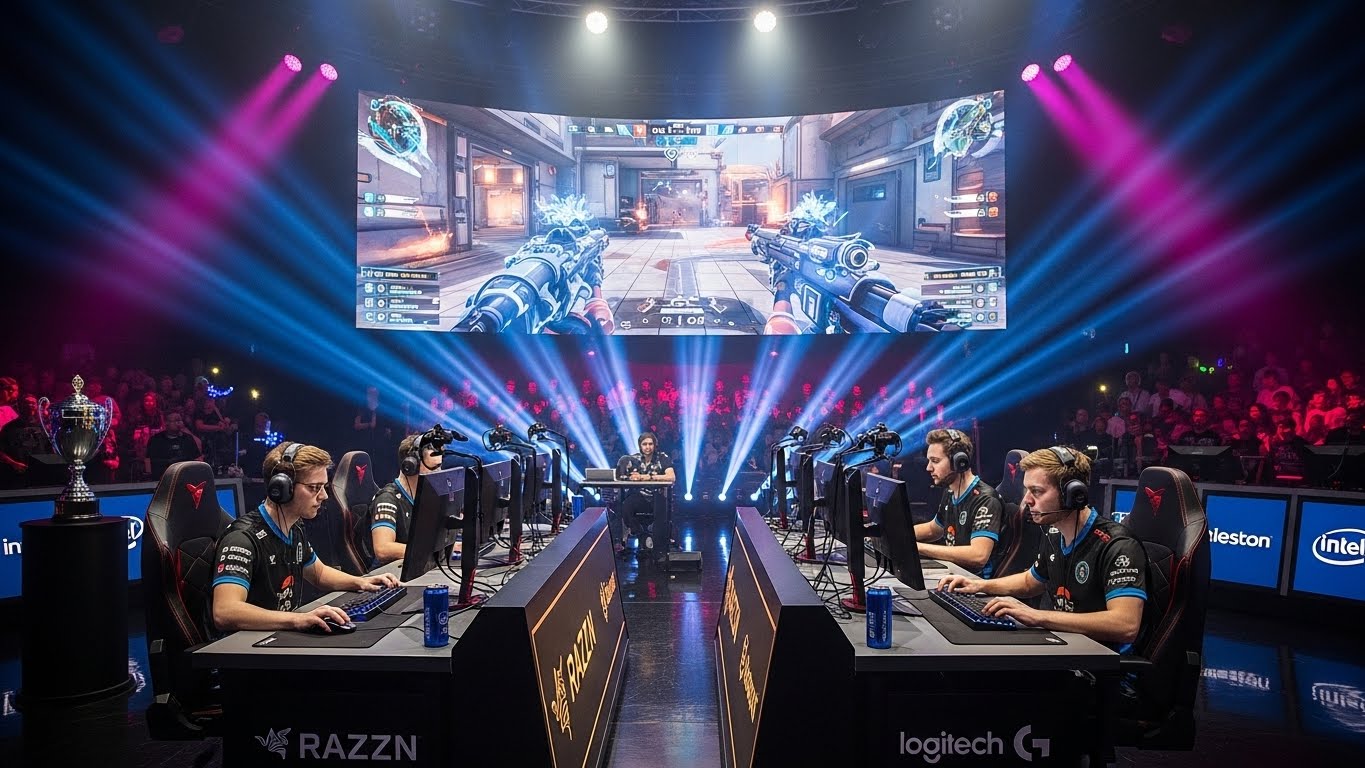
Esports, short for electronic sports, has emerged as one of the fastest-growing sectors in entertainment today. What began as casual video gaming among friends has evolved into a global phenomenon attracting millions of viewers, professional athletes, and investors. The rise of esports reflects not only the evolution of technology and digital culture but also society’s growing recognition of gaming as a legitimate form of competition and career. With high-stakes tournaments, organized leagues, and fan communities, esports has transformed the way people play, watch, and engage with video games.
The Origins of Esports: From Local Competitions to Global Phenomenon
The roots of esports date back to the late 1970s and 1980s, when arcade competitions and early home console games inspired organized contests. Games like Pong and Space Invaders were some of the earliest examples of competitive play, where players vied for high scores and bragging rights. Local tournaments and small competitions began to form, giving rise to communities of passionate gamers.
As technology advanced, personal computers and internet connectivity allowed for online multiplayer gaming. Titles such as Quake, Counter-Strike, and StarCraft introduced competitive frameworks where players could face opponents from different cities or even countries. These early experiences set the stage for what would later become professional esports, highlighting that gaming could be more than casual entertainment—it could be a competitive, skill-based pursuit.
The Rise of Professional Esports
The 2000s marked a significant turning point for esports. Professional teams, structured leagues, and organized tournaments began to emerge, providing a formal platform for competitive gaming. Games like Dota 2, League of Legends, and Call of Duty established global competitive scenes with substantial prize pools, sponsorships, and media coverage.
Professional esports athletes, often referred to as pro gamers, dedicate countless hours to training, strategy, and teamwork. Unlike casual gaming, professional esports demands precision, adaptability, and collaboration. Teams now employ coaches, analysts, and support staff to enhance performance, further professionalizing the field. For many players, esports is no longer just a hobby—it is a full-time career that offers salaries, endorsements, and international recognition.
The Global Popularity of Esports
Esports has become a worldwide phenomenon, attracting audiences in the millions. Streaming platforms such as Twitch, YouTube Gaming, and other digital services have made it easy for fans to watch live tournaments, follow favorite players, and interact with online communities. This accessibility has transformed esports into a spectator sport that rivals traditional sports in viewership and engagement.
Major tournaments like The International, the League of Legends World Championship, and the Fortnite World Cup draw millions of viewers worldwide. Fans follow games with the same enthusiasm as football or basketball, celebrating victories, analyzing strategies, and participating in the larger esports culture. The global popularity of esports reflects its ability to connect people across different regions and cultures through shared competition and excitement.
The Role of Technology in Esports Growth
Technology has been a key driver behind the rapid growth of esports. High-speed internet, advanced graphics, gaming peripherals, and performance-tracking software have all contributed to the development of professional-level gameplay. Innovations such as real-time analytics, replay systems, and performance-enhancing tools allow players to refine strategies and improve efficiency.
Emerging technologies like virtual reality and augmented reality promise to redefine esports experiences even further. Cloud gaming allows players to access high-quality games without expensive hardware, expanding participation globally. Technology has not only enhanced gameplay but also elevated the viewing experience, creating interactive and immersive engagement for fans.
Community and Social Interaction in Esports
Community is central to the esports ecosystem. Online forums, social media platforms, and fan communities provide spaces for players and viewers to interact, share strategies, and celebrate achievements. Unlike traditional sports, esports communities thrive digitally, connecting participants across borders and time zones.
These communities also play a vital role in shaping esports culture. Grassroots tournaments, fan-driven content, and online collaborations allow enthusiasts to influence competitive play and even game development. Esports communities are not passive spectators—they are active contributors who help define the identity and growth of the industry.
Esports and Education
Esports is increasingly being recognized as a platform for learning and personal development. Competitive gaming fosters critical thinking, problem-solving, teamwork, and communication skills. Players must analyze opponents, adapt to new strategies, and coordinate with teammates under pressure. These abilities translate to both academic and professional contexts.
Universities and schools have started to offer esports programs and scholarships, acknowledging the value of competitive gaming as a legitimate educational tool. Students participating in esports gain skills in leadership, digital literacy, and strategic thinking, highlighting the broader potential of esports beyond entertainment.
Diversity and Inclusion in Esports
Historically, esports has been male-dominated, but recent years have seen significant efforts toward inclusion and diversity. Female gamers, LGBTQ+ participants, and players from underrepresented regions are increasingly gaining visibility and opportunities in competitive gaming. Initiatives promoting fair play, anti-harassment policies, and community engagement are helping to create a more inclusive environment.
Diversity in esports not only fosters representation but also enriches gameplay and community dynamics. Different perspectives and approaches enhance strategic depth and audience engagement, reflecting the global nature of competitive gaming.
Economic Impact of Esports
Esports is now a major economic force. Professional leagues, tournaments, merchandise, sponsorships, and media rights generate billions of dollars annually. Major events attract corporate sponsorship, advertising, and tourism, contributing to local and global economies.
The industry also stimulates entrepreneurship and innovation. Streaming services, content creation, coaching, event management, and gaming technology all provide new business opportunities. The financial growth of esports underscores its legitimacy as both a career path and an influential sector in entertainment and technology.
Esports and Traditional Sports
Esports is increasingly intersecting with traditional sports. Many professional sports teams have launched esports divisions, and athletes have engaged with gaming communities to connect with younger audiences. These collaborations highlight common values such as teamwork, dedication, and competitive excellence.
The convergence of esports and traditional sports also broadens audience engagement. Fans of physical sports are introduced to competitive gaming, while esports enthusiasts explore traditional sports, creating cross-cultural and cross-generational appeal. This integration reflects the evolving definition of sports in the digital era.
Challenges in the Esports Industry
Despite its rapid growth, esports faces several challenges. Player burnout, mental health concerns, cheating, and performance-enhancing software threaten the integrity and sustainability of competitive gaming. Regulation and governance remain complex due to the global and digital nature of esports.
Additionally, monetization models, inclusivity, and fair representation continue to require attention. Ensuring long-term sustainability and maintaining competitive integrity are critical for the continued growth and credibility of the esports industry.
The Future of Esports
The future of esports is full of promise. Advances in virtual reality, artificial intelligence, and streaming technology will create even more immersive and interactive experiences. Esports will continue to integrate with education, professional development, and social engagement, expanding its reach beyond traditional entertainment.
Globalization will also play a key role in shaping esports. As more regions invest in infrastructure, tournaments, and talent development, competitive gaming will become increasingly diverse and inclusive. Esports is poised to remain a major cultural, technological, and economic force for years to come.
Conclusion: Esports as a Transformative Medium
Esports has grown from casual gaming competitions into a global industry that entertains, educates, and connects millions of people worldwide. It combines skill, strategy, technology, and community, creating a dynamic ecosystem that rivals traditional sports in scale and influence.
The rise of esports highlights the power of digital culture to foster creativity, collaboration, and competition. It offers pathways for personal growth, economic opportunity, and global connectivity. As esports continues to evolve, it will remain a transformative force in modern entertainment, shaping the way people play, watch, and engage in the digital age.