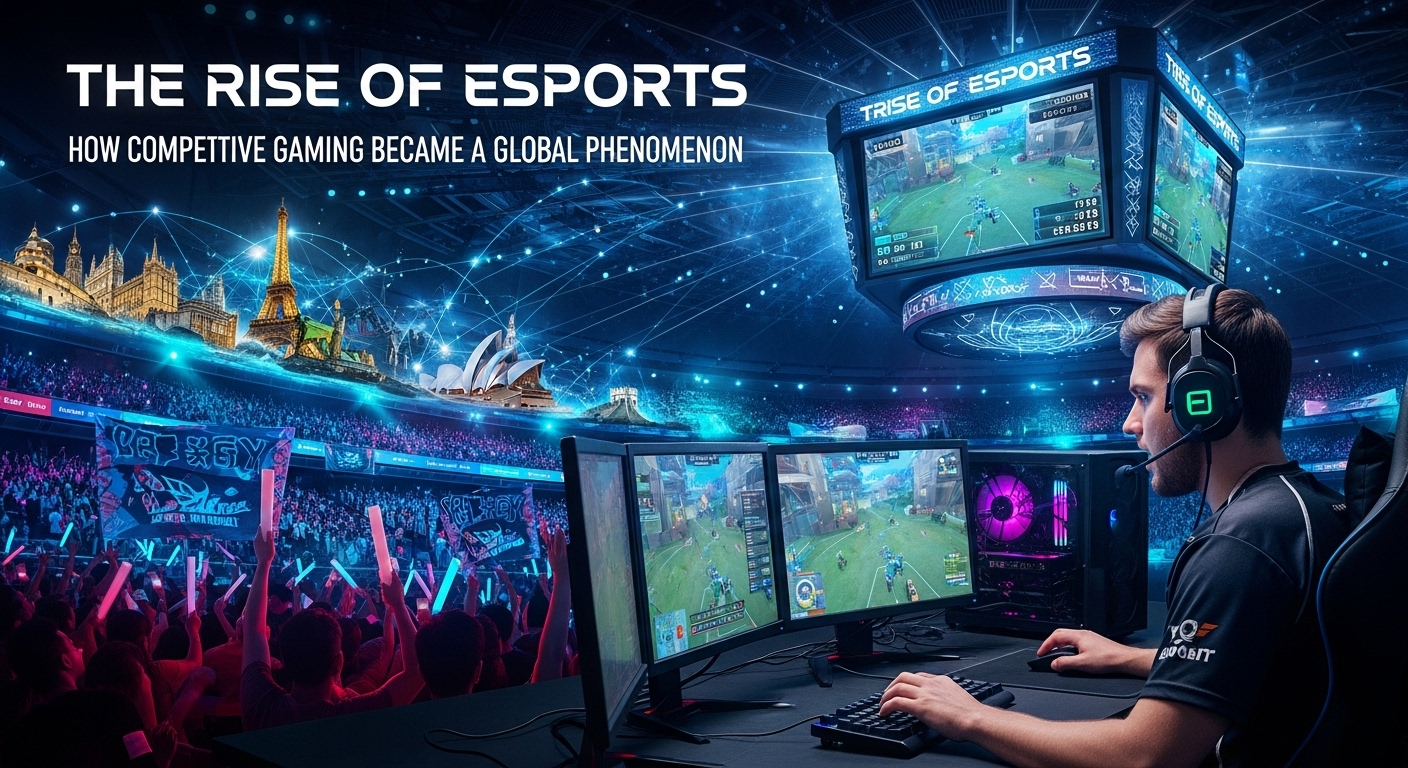

Esports, or competitive gaming, has transformed from a niche hobby into a global phenomenon that rivals traditional sports in viewership, revenue, and cultural impact. What once began as small gaming tournaments among friends has evolved into a multi-billion-dollar industry with professional teams, international championships, and audiences in the millions. This blog explores the history, growth, technology, social impact, and future of esports, illustrating why it has become a defining feature of modern entertainment and digital culture.
The Origins of Esports
The roots of esports trace back to the 1970s and 1980s when video game competitions started to emerge. Early tournaments focused on arcade classics like Space Invaders and Pac-Man, where players competed for high scores. These competitions were often local events, drawing small crowds and media attention, but they laid the foundation for organized competitive gaming.
The 1990s brought significant development with the rise of home computers and online connectivity. Games such as StarCraft and Quake became staples in competitive circles, particularly in South Korea, which would later become a global hub for esports. Internet cafés and local tournaments allowed players to connect and compete in structured environments, fostering a sense of community and rivalry.
By the early 2000s, esports began to gain recognition as a legitimate form of competition. Multiplayer online games like Counter-Strike, Warcraft III, and DotA attracted large audiences, and organized leagues began forming to support professional players. The foundation of esports as a structured, competitive industry had been laid.
The Growth of Esports as an Industry
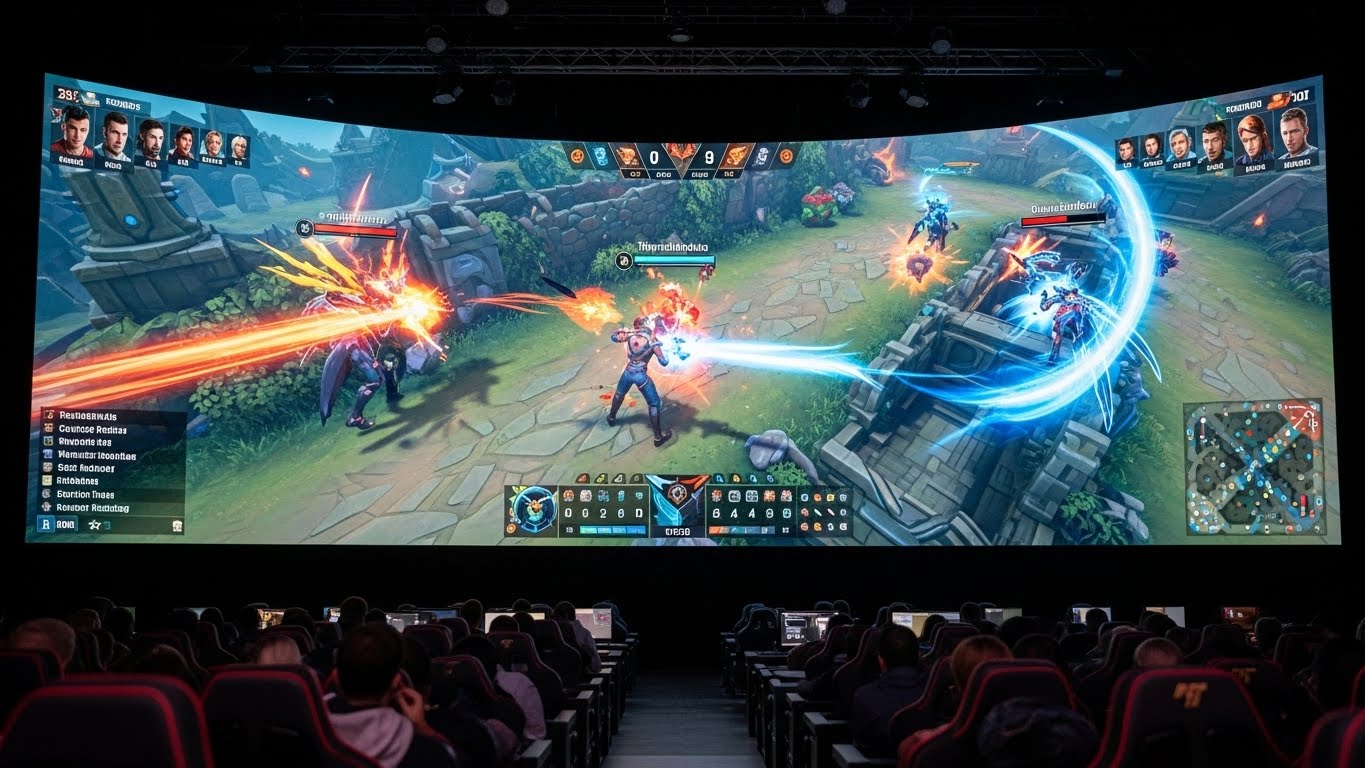
Esports has grown into a multi-billion-dollar global industry, encompassing competitive events, sponsorships, media rights, merchandise, and streaming platforms. Major tournaments, such as The International for Dota 2, the League of Legends World Championship, and the Fortnite World Cup, draw millions of viewers both online and in arenas, rivaling traditional sports events in scale and excitement.
Professional teams and players now operate similarly to athletes in conventional sports. Organizations recruit talent, provide training facilities, coaches, and support staff, and secure sponsorships from major brands. Streaming platforms like Twitch and YouTube Gaming have further expanded the reach of esports, allowing fans to watch live gameplay, tutorials, and commentary, creating a vibrant ecosystem of content and engagement.
The monetization of esports has diversified beyond tournament winnings. Sponsorships, advertising, merchandise, ticket sales for live events, and exclusive digital content contribute to the financial sustainability of the industry. The growing visibility and legitimacy of esports have also attracted investment from traditional sports franchises, technology companies, and media conglomerates.
The Technology Behind Esports
The rapid growth of esports is closely tied to advancements in technology. High-performance computers, gaming consoles, and peripherals allow players to compete at the highest level. Graphics, processing speed, and internet connectivity play critical roles in ensuring fair and seamless gameplay, particularly in fast-paced, real-time strategy, and first-person shooter games.
Streaming technology has revolutionized esports by enabling global audiences to watch live competitions in real time. Interactive features such as chat, polls, and live commentary enhance viewer engagement, making esports both participatory and entertaining. Virtual reality and augmented reality are beginning to influence esports, offering new formats and immersive experiences that blur the line between player and spectator.
Analytics and data-driven strategies have also become integral. Professional teams use software to analyze gameplay, track performance metrics, and optimize strategies. This technological sophistication elevates esports to a level of precision and preparation comparable to traditional professional sports.
Esports and the Rise of Professional Gamers
The professionalization of esports has created a new class of digital athletes. Esports players dedicate countless hours to practice, strategy, and teamwork, often following rigorous training schedules similar to traditional athletes. Physical fitness, mental focus, and reflexes are crucial components of performance, challenging the stereotype that esports is purely sedentary or casual.
Professional gamers also build personal brands, engage with fans on social media, and participate in endorsements and content creation. This dual role as competitor and influencer expands their reach and impact, allowing them to inspire aspiring players and engage global audiences. The emergence of esports celebrities has cemented the cultural relevance of the industry, creating icons that resonate across generations.
The Social and Cultural Impact of Esports
Esports has a profound social and cultural influence. It connects individuals from diverse backgrounds, regions, and cultures, creating communities united by shared interests and competition. Online multiplayer games foster collaboration, teamwork, and communication, while fan communities engage in discussions, content creation, and social interaction.
Esports also challenges traditional notions of sports, broadening the definition of athleticism and competition. It demonstrates that skill, strategy, and mental agility are as valuable as physical strength and endurance. This cultural shift has helped normalize gaming as a legitimate career path, promoting acceptance of digital competition in mainstream society.
Moreover, esports events often serve as social hubs, bringing players, fans, and spectators together. Tournaments held in arenas or convention centers combine gaming with music, cosplay, and entertainment, creating a multifaceted cultural experience. Esports is not just a game; it is a social movement that fosters inclusion, creativity, and collaboration.
Educational and Cognitive Benefits of Esports
Participation in esports offers educational and cognitive benefits, particularly for younger players. Strategy-based games develop critical thinking, problem-solving, and decision-making skills. Multiplayer games encourage teamwork, leadership, and communication, fostering social and emotional intelligence.
Some educational institutions now integrate esports programs into curricula, emphasizing skills such as coding, game design, and digital literacy. Esports scholarships and collegiate competitions provide pathways for talented students to pursue higher education while honing their gaming skills. By combining education and competition, esports contributes to personal development and professional growth.
Challenges and Controversies in Esports
Despite its rapid growth, esports faces challenges and controversies. Concerns about gaming addiction, excessive screen time, and mental health are prominent, particularly for younger players. Maintaining balance between competitive gaming, education, and personal life is essential for well-being.
Cheating, hacking, and unfair practices can undermine the integrity of competitions, necessitating strict regulations, anti-cheat software, and governance structures. Additionally, gender representation and inclusivity remain ongoing issues, as women and marginalized groups are underrepresented in professional esports and leadership roles.
The pressure of competition can also lead to burnout and psychological strain for professional players. Ensuring support systems, mental health resources, and sustainable career pathways is critical to maintaining the long-term growth and legitimacy of esports.
The Future of Esports
The future of esports is promising and dynamic. Technological innovations such as artificial intelligence, virtual reality, and cloud gaming will continue to reshape the landscape, offering immersive experiences and new competitive formats. The integration of esports with traditional sports franchises, education, and entertainment will expand its reach and influence.
Globalization and accessibility will drive further growth. Online tournaments enable international participation, breaking down barriers of geography and economy. Initiatives to promote diversity, inclusivity, and fair play will shape a more equitable and sustainable esports ecosystem.
Esports is likely to continue influencing media, culture, and technology, merging entertainment, competition, and community in ways that redefine leisure and professional activity. As viewership and participation grow, esports will remain a central pillar of digital culture and modern entertainment.
Why Esports Matters
Esports matters because it represents more than competitive gaming—it reflects innovation, skill, community, and cultural evolution. It empowers individuals to pursue passion-driven careers, develop strategic and cognitive abilities, and connect with global communities. Esports challenges traditional notions of sports and entertainment, proving that digital competition is a legitimate, respected, and impactful pursuit.
By combining technology, creativity, and human skill, esports demonstrates the potential of digital culture to inspire, educate, and unite. Its influence extends beyond gameplay, shaping modern culture, media, and social interaction in unprecedented ways.
Conclusion: Esports as a Defining Feature of Modern Culture
Esports has evolved from small local competitions to a global industry with professional teams, massive audiences, and cultural significance. It combines athleticism, strategy, technology, and entertainment, creating experiences that are engaging, inclusive, and transformative. From professional gamers to casual players and enthusiastic fans, esports provides opportunities for connection, personal growth, and cultural participation.
As technology advances and society embraces digital competition, esports will continue to redefine entertainment, sports, and social interaction. It is more than a game—it is a movement that celebrates skill, innovation, and community, demonstrating the enduring power and potential of digital sports. The rise of esports signifies a new era where competition, creativity, and culture converge in the digital realm.