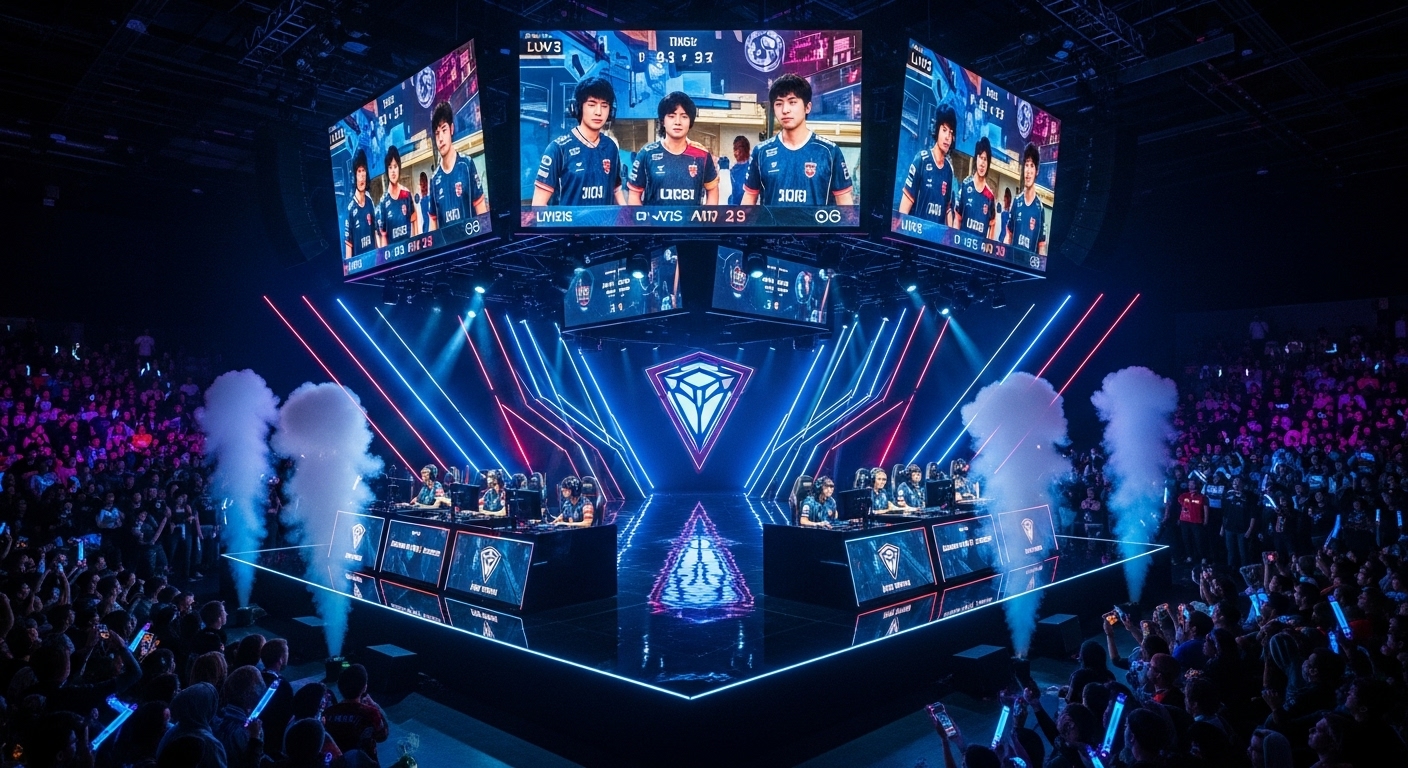
Introduction: The Emergence of Esports
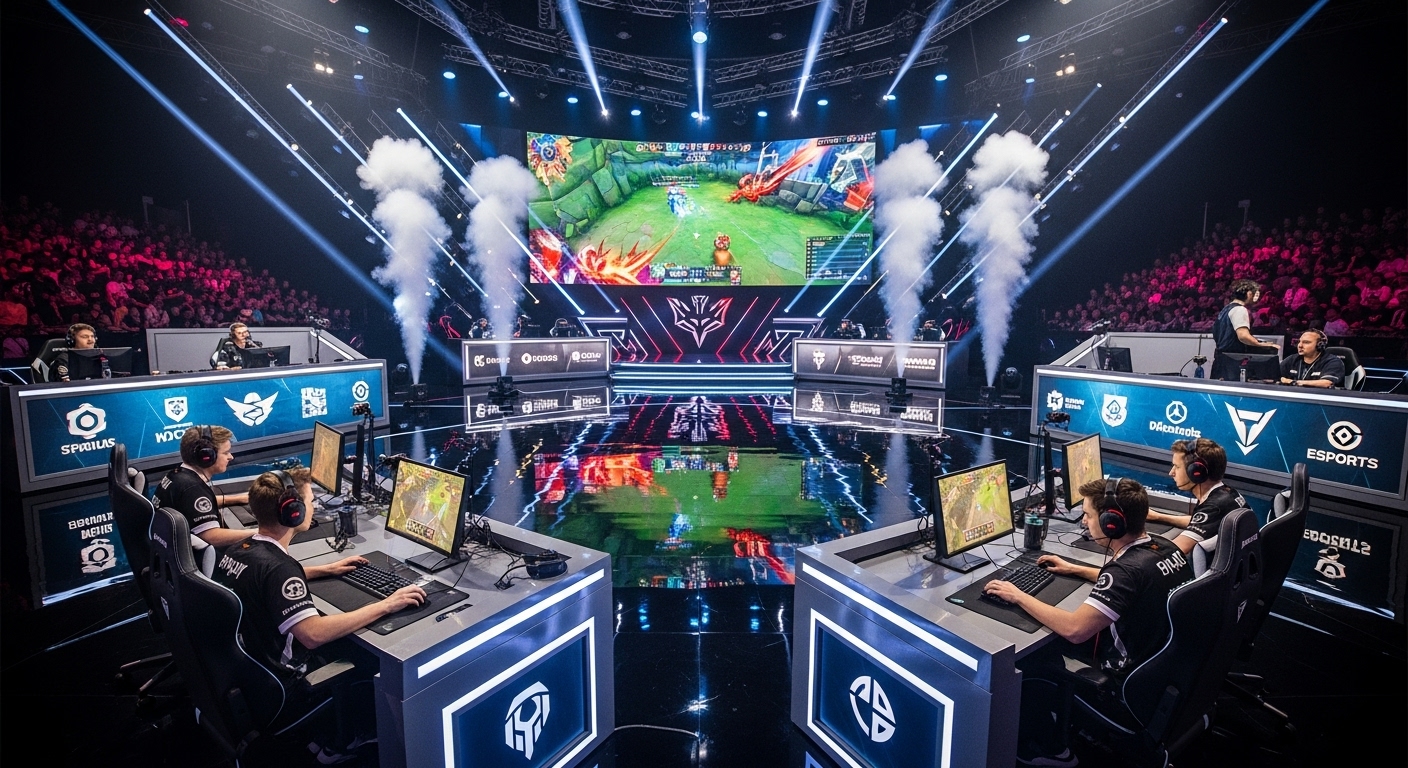
Esports, or electronic sports, has rapidly transformed from a niche hobby into a global phenomenon. Once dismissed as casual gaming, it is now recognized as a legitimate form of competitive entertainment. Millions of players participate in online and offline tournaments, while fans around the world watch professional matches and cheer for their favorite teams. Esports combines strategy, skill, and teamwork in a digital arena, blurring the lines between traditional sports and modern technology.
The rise of esports reflects broader cultural and technological shifts. It represents a new form of competition that values precision, quick thinking, and adaptability. Unlike physical sports, esports allows participants from diverse backgrounds to compete on an equal playing field. Its growth demonstrates the evolving ways in which people seek challenge, achievement, and connection in a digital age.
The History and Evolution of Esports
The roots of esports stretch back to the late 20th century, beginning with simple arcade competitions. In the 1970s and 1980s, players gathered to compete in games like Space Invaders and Pac-Man. While these early contests were localized, they laid the groundwork for organized competitive gaming.
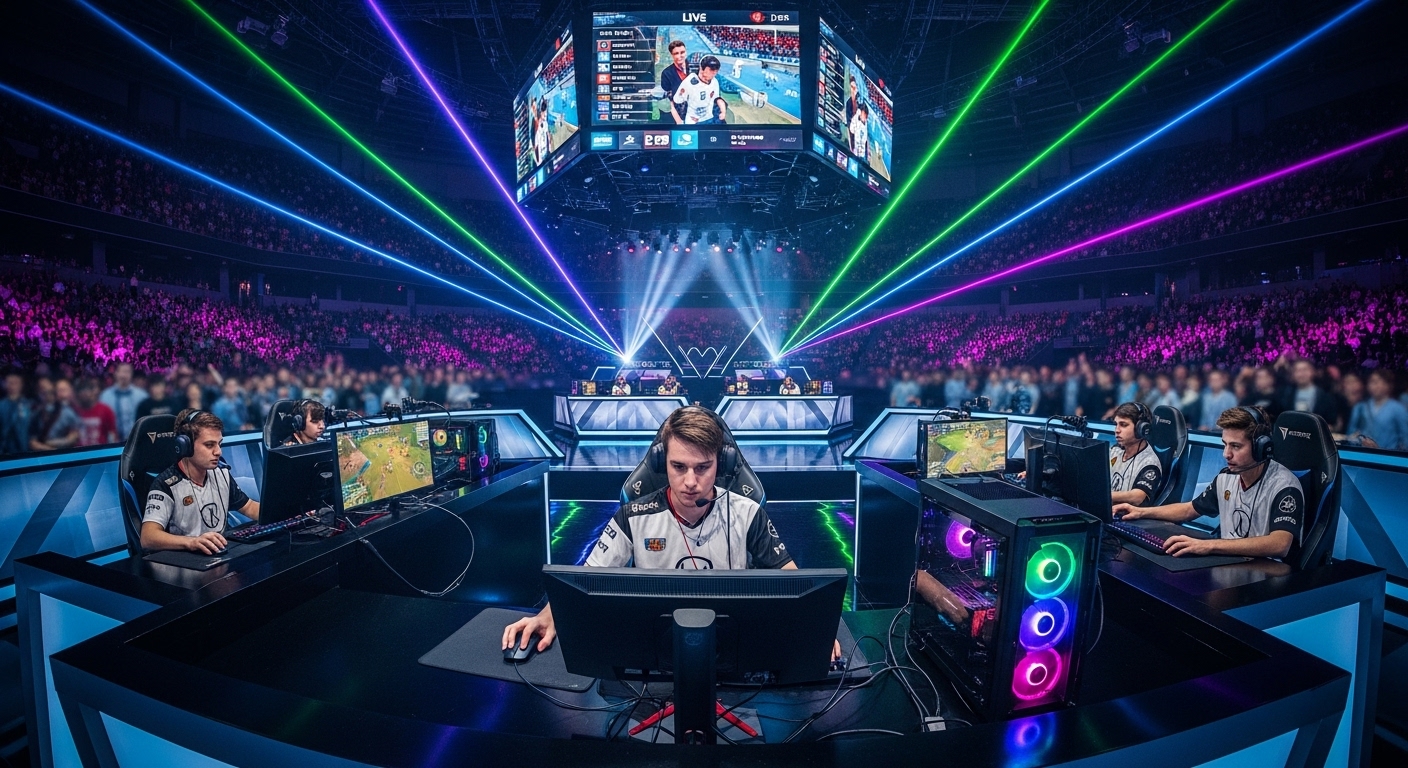
The 1990s introduced multiplayer PC games, including StarCraft and Counter-Strike, which required strategic thinking, teamwork, and rapid reaction times. Internet connectivity allowed players to compete remotely, marking the first steps toward global esports tournaments. The 2000s and 2010s saw the rise of major franchises such as League of Legends, Dota 2, and Overwatch, which became staples of competitive gaming and attracted massive online audiences. Today, esports tournaments are held in stadiums, streamed worldwide, and feature prize pools rivaling those of traditional sports championships.
Popular Esports Genres
Esports encompasses a wide variety of game genres, each demanding unique skills:
- Multiplayer Online Battle Arena (MOBA): Games like League of Legends and Dota 2 require strategic teamwork, map control, and resource management. Each player controls a single character, and coordinated team play is critical for victory.
- First-Person Shooters (FPS): Titles such as Counter-Strike: Global Offensive, Valorant, and Call of Duty emphasize accuracy, reflexes, and tactical decision-making. Players must react quickly under pressure and communicate effectively with teammates.
- Real-Time Strategy (RTS): Games like StarCraft II focus on resource management, unit control, and long-term strategic planning. Success requires multitasking and anticipation of opponents’ actions.
- Battle Royale: Games like Fortnite and PUBG combine survival instincts with strategy and fast-paced combat. Players must navigate large maps, gather resources, and adapt to changing conditions.
- Sports Simulations: Digital recreations of traditional sports, including FIFA and NBA 2K, allow players to engage in familiar competitive environments using virtual avatars.
Each genre attracts different types of players and audiences, contributing to the rich diversity of the esports ecosystem.
The Physical and Mental Demands of Esports
Esports may seem sedentary, but professional gaming is physically and mentally demanding. Players often train for six to twelve hours a day, practicing mechanics, refining strategies, and analyzing opponents’ gameplay. This requires excellent hand-eye coordination, reflexes, and precise control over small movements.
Mental resilience is equally crucial. High-pressure tournaments demand focus, strategic thinking, and emotional control. Players must manage stress, adapt to unexpected situations, and make rapid decisions that can determine the outcome of a match. Many professional esports athletes maintain fitness routines, healthy diets, and mental wellness practices to optimize performance and avoid burnout.
The Global Esports Industry
Esports has grown into a billion-dollar industry with a professional infrastructure similar to traditional sports. Revenue comes from tournament prize pools, sponsorships, streaming platforms, merchandise, and media rights. High-profile events, such as The International for Dota 2 and the League of Legends World Championship, offer multi-million-dollar prize pools, showcasing the financial scale of competitive gaming.
Streaming platforms have further expanded the audience. Millions of fans watch live matches, engage with content creators, and interact with esports communities. Sponsorship deals from technology companies, energy drinks, and other brands provide financial support and reinforce esports’ legitimacy as a professional field.
Fan Culture and Community
Esports thrives on its passionate and interactive fan base. Fans do more than watch—they participate by streaming games, discussing strategies, creating content, and supporting players online. This level of engagement is unique to digital sports, fostering a culture where community interaction is central.
Esports fans often develop rivalries and loyalty similar to traditional sports supporters. Online platforms enable fans to connect globally, share insights, and celebrate victories collectively. This active participation strengthens the bond between players and audiences, making esports a dynamic and inclusive cultural phenomenon.
Esports and Youth Engagement
Esports has significant appeal among young people. Schools and universities are increasingly offering esports programs, scholarships, and competitive teams. These initiatives provide students with opportunities to develop discipline, teamwork, and strategic thinking in a structured environment.
Esports also cultivates problem-solving skills and cognitive development. Players analyze opponents, adapt to evolving situations, and coordinate complex strategies in real time. For many students, esports is not just recreation but a pathway to skill-building and career opportunities.
Career Opportunities in Esports
Beyond professional gaming, esports provides a range of career paths. Coaching, event management, broadcasting, content creation, marketing, and game development are just a few examples. Analysts and strategists study game data to improve team performance. Streamers and influencers entertain audiences and build personal brands.
Esports offers opportunities for entrepreneurship as well. Independent leagues, gaming academies, and media channels all contribute to the industry’s growth. This diversity of careers underscores esports’ legitimacy as both a competitive and professional field.
Technology and Esports
Technology is at the core of esports. High-performance computers, gaming peripherals, and fast internet connections are essential. Advanced software allows players to analyze performance, study strategies, and prepare for opponents. Streaming platforms make tournaments accessible to global audiences in real time.
Emerging technologies like virtual reality and augmented reality promise to redefine esports experiences. AI-driven analytics help refine gameplay and strategy, while digital overlays enhance viewing experiences. Technology ensures that esports remains competitive, fair, and engaging.
Mental Health and Well-Being
Competitive esports can be mentally taxing. Long training hours, high expectations, and public scrutiny can lead to stress, anxiety, and burnout. Recognizing this, professional organizations emphasize mental health, offering counseling, structured routines, and wellness programs.
Players are encouraged to maintain balance through exercise, rest, and personal time. Developing mental resilience is essential for sustaining performance and ensuring longevity in a career that demands intense focus and consistency.
Social and Cultural Impact
Esports has a unique social and cultural impact. It promotes inclusivity, providing opportunities for players regardless of physical ability, gender, or location. Adaptive gaming and online accessibility allow a wide range of participants to compete professionally.
Globally, esports fosters cross-cultural connections. Players and fans collaborate, compete, and celebrate achievements collectively. Community-driven initiatives, charity tournaments, and educational programs demonstrate that esports can extend its influence beyond entertainment, promoting social engagement and cultural exchange.
The Future of Esports
The future of esports is full of potential. Audiences will continue to grow, and emerging technologies will enhance training, competition, and fan interaction. Virtual reality and augmented reality may create immersive experiences that redefine the concept of spectatorship.
Educational programs will likely expand, integrating esports into broader academic and career development. The professionalization of esports, combined with wellness programs and fair competition standards, will ensure sustainable growth. Esports has the capacity to become a mainstream pillar of entertainment and culture, influencing how society defines competition, teamwork, and achievement.
Conclusion: Esports as a Digital Revolution
Esports represents a new era of competition and entertainment. It challenges traditional notions of sports, emphasizing mental agility, strategic thinking, and precision in digital environments. The industry’s growth highlights the intersection of technology, culture, and human ambition.
More than a pastime, esports offers opportunities for professional careers, community engagement, and global connectivity. It reflects a shift in how people engage with competition and collaboration, demonstrating that skill, passion, and dedication can thrive in both physical and digital arenas. Esports is not just a trend—it is a cultural revolution that will continue to shape the future of entertainment and human connection.