Introduction: A New Era in Competitive Gaming
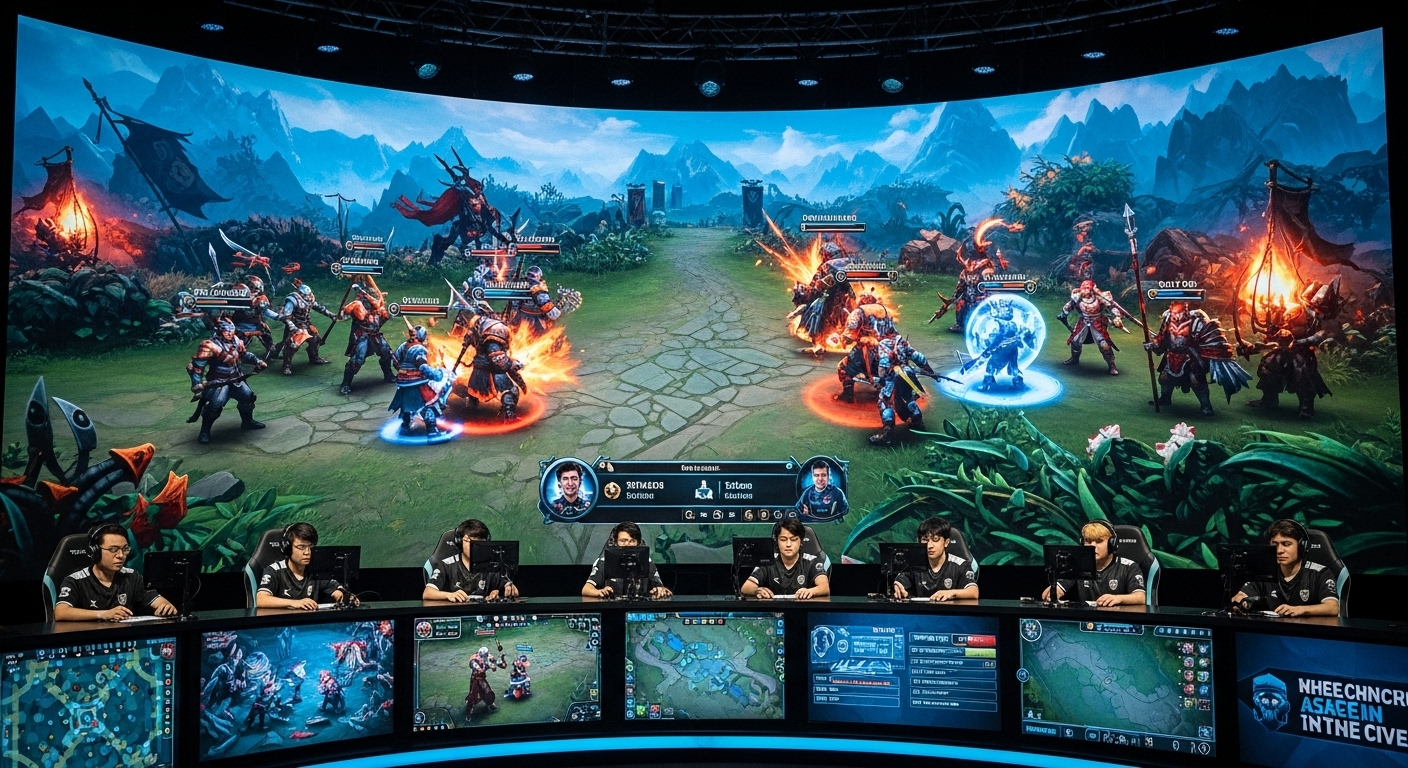
Esports, once a niche interest, has exploded into one of the fastest-growing entertainment industries in the world. What was once seen as a pastime for enthusiasts has transformed into a massive global phenomenon, with millions of viewers, professional players, and sponsorship deals. Esports now competes with traditional sports in terms of audience size, revenue, and cultural influence. Major tournaments fill stadiums, and esports athletes are gaining the same level of fame as traditional sports stars.
In this blog, we will explore the rise of esports, its impact on the gaming industry, the culture surrounding it, and the future of this rapidly evolving field. Whether you are a gamer, a spectator, or someone curious about this growing trend, esports is undeniably shaping the way we think about competitive play and entertainment.
The Birth of Esports: From LAN Parties to Global Competitions
The origins of esports can be traced back to the early days of online gaming. In the 1990s, multiplayer games like Quake, StarCraft, and Unreal Tournament allowed players to compete against each other over local area networks (LANs) and eventually, the internet. These early tournaments were often small and informal, typically organized by gaming communities or game developers. However, the idea of competitive gaming began to take root, with participants battling it out for bragging rights or small prizes.
As internet speeds improved and gaming communities grew, so did the scope of esports. The early 2000s saw the emergence of organized tournaments and leagues, especially in South Korea, where games like StarCraft became a national sensation. In 2000, the World Cyber Games (WCG) was founded, establishing one of the first truly international esports competitions. This paved the way for other prominent esports events such as the Electronic Sports World Cup (ESWC) and the Major League Gaming (MLG) circuit in the United States.
By the mid-2010s, esports had reached a tipping point. Professional leagues, streaming platforms, and sponsorships began to emerge, turning esports into a legitimate career for talented players. Titles like League of Legends, Dota 2, Counter-Strike, and Overwatch attracted millions of viewers, while top-tier teams and players garnered significant media attention. Esports was no longer a subculture — it had become a global industry in its own right.
The Explosion of Esports Popularity
One of the key drivers of esports’ meteoric rise has been the widespread accessibility of streaming platforms, most notably Twitch, YouTube Gaming, and Facebook Gaming. These platforms allow players and viewers to watch live gameplay, creating a shared experience and a real-time connection between participants and fans. The ability to stream games live not only increased visibility for esports but also fostered a sense of community around competitive gaming.
In 2018, the League of Legends World Championship drew over 100 million viewers, surpassing the Super Bowl’s viewership in the United States. Other titles, like Fortnite, have further amplified esports’ appeal with tournaments that offer multimillion-dollar prize pools and attract players from all over the world. Esports’ ability to appeal to both players and viewers has made it a unique blend of sports, entertainment, and culture, and its rapid growth shows no signs of slowing down.
The role of social media has also been pivotal in spreading the popularity of esports. Platforms like Twitter, Instagram, and Discord allow fans to interact directly with their favorite players, teams, and game developers. This accessibility has created a new form of celebrity, with esports athletes building massive online followings and generating content that goes beyond tournament play, including behind-the-scenes footage, interviews, and personal vlogs.
The Esports Ecosystem: Teams, Tournaments, and Sponsors
Esports has developed a complex and highly organized ecosystem that mirrors traditional sports leagues. At the heart of esports are professional teams and individual players. These teams often represent game publishers, corporations, or independent organizations. They compete in various leagues and tournaments, with the best teams earning lucrative sponsorships, prize money, and endorsement deals.
The structure of esports leagues varies depending on the game. Games like League of Legends, Overwatch, and Call of Duty have franchised leagues, where teams pay an entry fee to secure a spot in the league, much like traditional sports franchises. These leagues run regular seasons with playoffs culminating in a championship event. Other games, such as Dota 2 and Counter-Strike, feature open tournaments with teams from around the world battling for qualification and prize money.
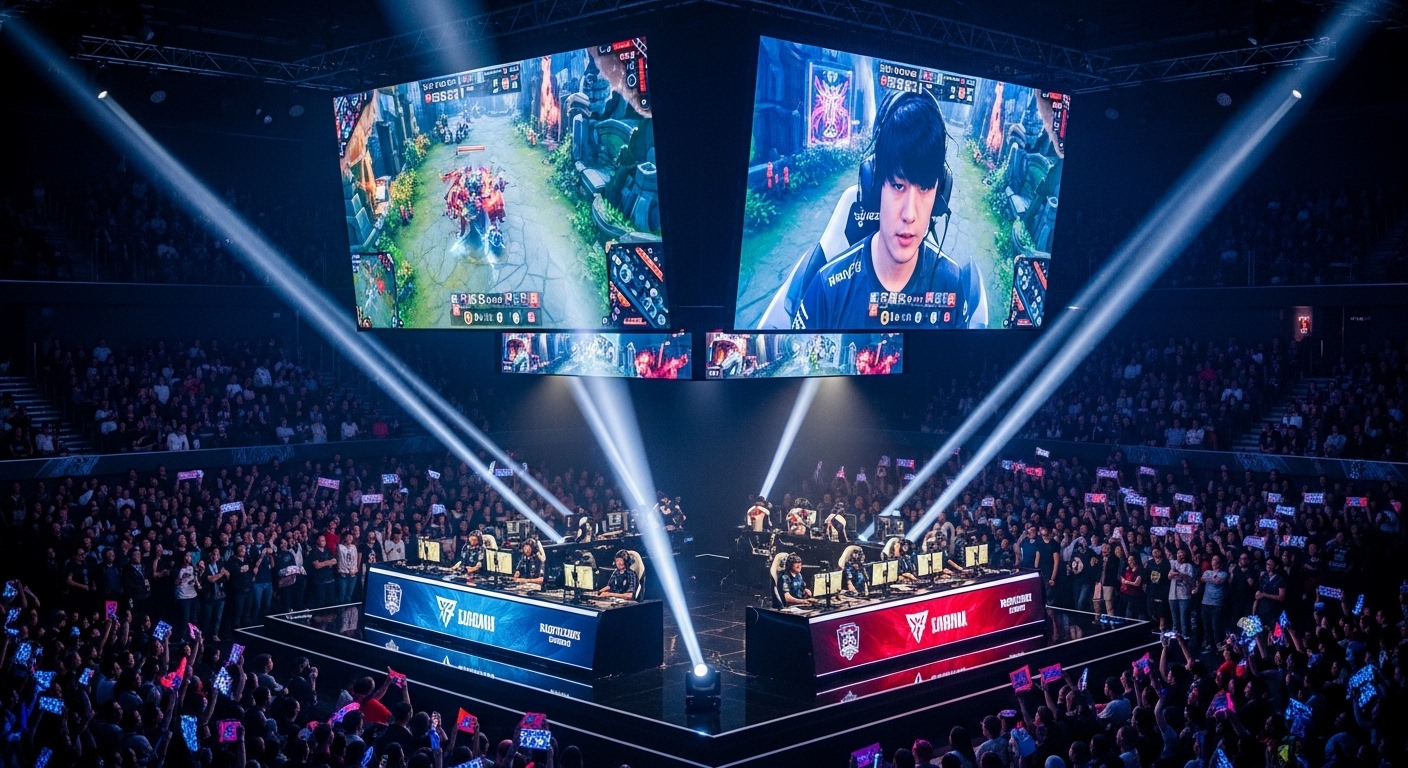
Esports tournaments have become global spectacles. Events like The International (Dota 2), the League of Legends World Championship, and the Fortnite World Cup draw massive crowds and generate millions of dollars in revenue. These tournaments are often broadcast live, with professional commentators (also known as “casters”) providing in-depth analysis and play-by-play commentary. Esports has even integrated into major entertainment venues, with some tournaments filling large arenas and offering fans the opportunity to watch games in person, similar to traditional sports events.
Sponsorships and brand deals have played a huge role in the financial success of esports. Major brands, including Coca-Cola, Intel, Adidas, and Red Bull, sponsor esports tournaments and teams, while betting companies, technology firms, and even fast-food chains have jumped on the esports bandwagon. These sponsorships bring in significant revenue, helping to fund prize pools, promote events, and elevate the profile of esports.
The Role of Streaming and Content Creation in Esports
One of the most influential aspects of esports’ growth has been the rise of content creation and live streaming. Platforms like Twitch, YouTube, and Facebook Gaming have made it possible for players, teams, and even casual gamers to share their gameplay with a global audience.
Streaming has become an integral part of the esports ecosystem, allowing fans to watch live events, follow their favorite players, and engage with the gaming community. Top streamers like Ninja, Shroud, and Pokimane have amassed millions of followers and become household names in the gaming world. Their success has paved the way for other content creators to turn gaming into a viable career, with viewers supporting their favorite streamers through donations, subscriptions, and sponsorships.
For many professional esports players, streaming has become a secondary income source. Players stream their practice sessions, participate in Q&A sessions, or provide analysis on past matches. This increased visibility helps to foster a connection with fans and build a loyal following, both for the players themselves and the games they play.
The Professionalization of Esports: Training, Management, and Careers
Esports has evolved into a career path for many talented players, requiring an increasing level of skill, strategy, and professionalism. Just like traditional athletes, esports players undergo rigorous training schedules, often spending several hours each day practicing and refining their skills.
Professional esports teams employ coaches, analysts, and psychologists to help players improve their gameplay, maintain mental and physical health, and develop strategies for competing at the highest levels. Many top-tier teams also have dedicated management and support staff to handle logistics, branding, and contract negotiations.
In addition to players, esports organizations require a host of support roles, including event organizers, broadcasters, journalists, content creators, and more. Esports has created new career opportunities in areas such as marketing, production, and digital media. Universities and colleges are increasingly offering esports management programs to prepare the next generation of professionals for careers in this growing field.
The Future of Esports: The Road Ahead
The future of esports is incredibly bright, with continued expansion on the horizon. As the industry matures, we can expect to see further professionalization, increased media rights deals, and larger, more intricate tournaments. One of the major areas of growth is mobile esports. Mobile gaming has surged in popularity worldwide, especially in Asia, and mobile esports tournaments are becoming more common. Games like PUBG Mobile, Arena of Valor, and Free Fire have seen immense success in the competitive gaming scene, and mobile esports are projected to continue growing in the coming years.
Esports will also see more integration with traditional sports and entertainment. Partnerships between esports organizations and traditional sports teams are becoming more frequent, with established franchises like the New England Patriots and the Los Angeles Lakers investing in esports teams. Esports athletes are gaining mainstream recognition, and we may see more crossovers with Hollywood and popular culture.
Additionally, the continued advancement of technology will shape the future of esports. Virtual reality and augmented reality are already beginning to influence the way games are played, and as these technologies mature, they may create entirely new genres of esports competitions. The rise of 5G technology will also improve online connectivity and reduce lag, further enhancing the quality of esports broadcasts and competitions.
Conclusion: Esports as the Future of Competitive Entertainment
Esports has come a long way since its humble beginnings in LAN parties and online tournaments. Today, it is a global entertainment industry that rivals traditional sports in terms of viewership, revenue, and cultural significance. The combination of skill, strategy, and entertainment has made esports a captivating spectacle for millions of fans worldwide.
As esports continues to grow and evolve, it will shape the future of competitive play, digital entertainment, and fan engagement. With new technologies on the horizon and an ever-expanding global audience, the future of esports is limitless. Whether you are a casual gamer, a professional player, or a fan, there’s no denying that esports is here to stay — and it is only getting bigger.