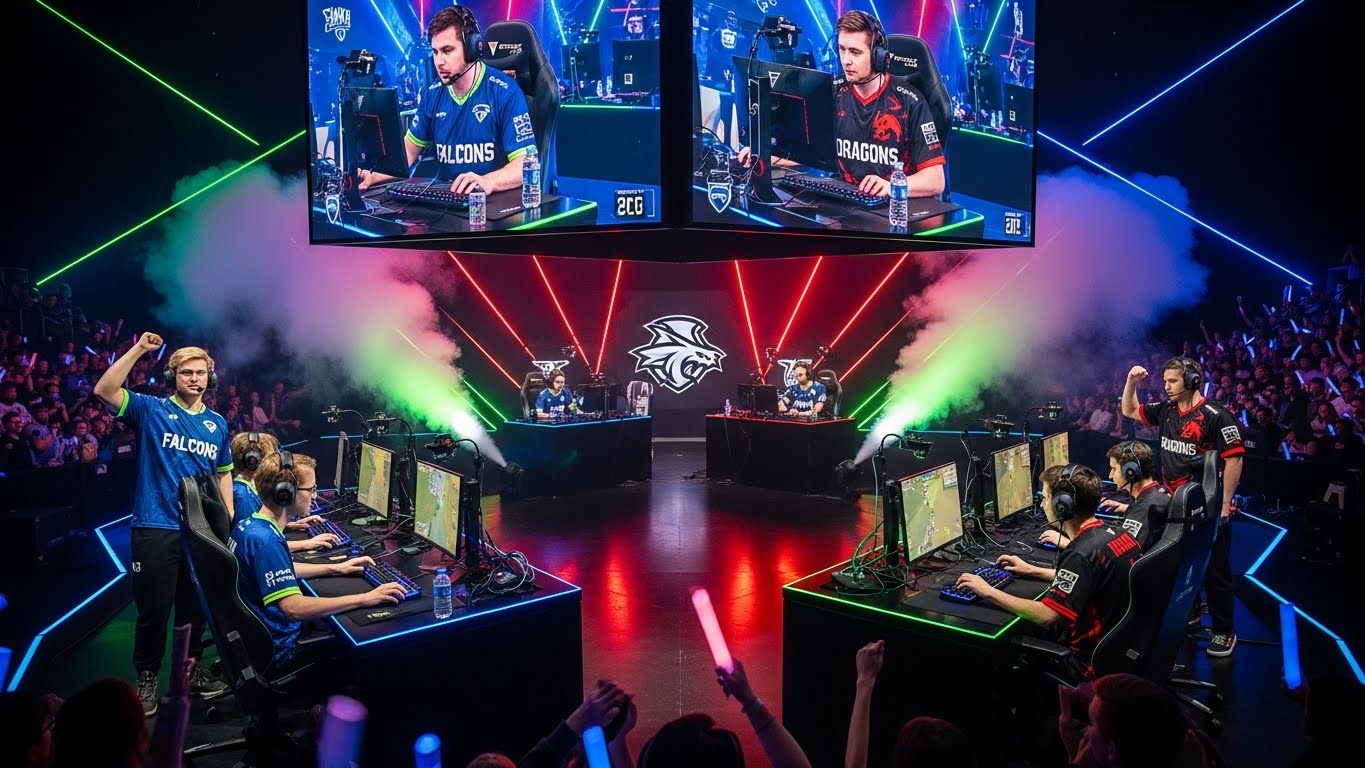
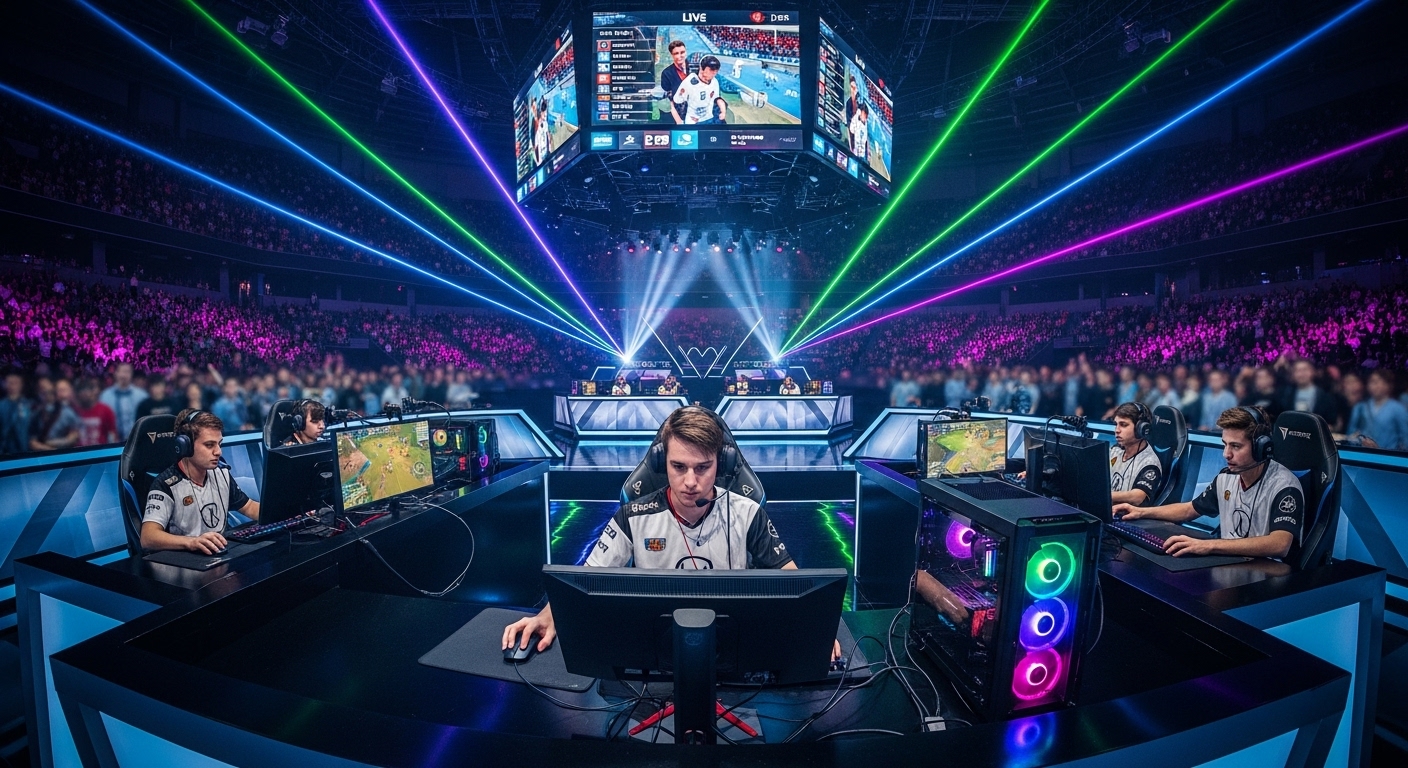
Esports has transformed from a niche hobby to a global powerhouse, captivating millions of players and fans around the world. What began as small, informal competitions among friends has now evolved into a multi-billion-dollar industry with professional leagues, massive tournaments, and a growing ecosystem of sponsors, teams, and streaming platforms. From the early days of arcade games to the rise of massive online multiplayer games, esports has become a central part of modern entertainment. This blog post will explore the rapid rise of esports, the cultural impact it has had, the economic opportunities it presents, and the challenges the industry faces as it continues to grow.
The Origins of Esports: From Arcades to Online Competitions
Esports, short for electronic sports, traces its roots back to the early days of video gaming. The first competitive video gaming event is often credited to the “Space Invaders Championship” held in 1980 by Atari, where players competed for high scores in the popular arcade game. While these early competitions were small and relatively obscure, they marked the beginning of the idea that video games could be competitive, not just recreational.
As technology improved, so did the scope of competitive gaming. In the late 1990s and early 2000s, the emergence of multiplayer games, such as StarCraft and Warcraft, helped lay the foundation for esports as we know it today. These games introduced the concept of players battling each other online, from the comfort of their homes. The rise of broadband internet made online gaming more accessible, and competitive gaming started to gain serious traction.
In South Korea, the explosion of StarCraft as a national pastime gave birth to one of the earliest forms of professional esports. The Korean government and private companies recognized the potential of esports as a form of entertainment, and by the early 2000s, the country had established televised esports leagues. South Korea became a hotbed for competitive gaming, and international players began looking to the country as the blueprint for esports success.
With the rise of games like Counter-Strike, League of Legends, Dota 2, and Overwatch, the world of esports expanded rapidly. Competitions moved from small local events to massive tournaments with multi-million-dollar prize pools, and esports became increasingly professionalized, with dedicated teams, managers, analysts, and coaches.
The Esports Ecosystem: Teams, Leagues, and Sponsors
Esports has evolved into a complex ecosystem with a wide range of stakeholders, including players, teams, organizers, sponsors, streaming platforms, and fans. Professional esports organizations have become the backbone of the industry, forming teams that compete in various games, from first-person shooters (FPS) to multiplayer online battle arena (MOBA) games, and even real-time strategy (RTS) games.
These organizations recruit top players from around the world, often offering them contracts with salaries, sponsorships, and training resources. Much like traditional sports, esports teams have coaches, analysts, and managers to help their players improve and stay at the top of their game. The most successful teams often have highly dedicated fanbases that follow their journey, creating a sense of community and camaraderie around these esports organizations.
At the heart of esports lies the competitive structure—tournaments and leagues. These events are often the focal point of the esports calendar and attract millions of viewers worldwide. Some of the biggest esports tournaments, such as The International (for Dota 2), the League of Legends World Championship, and Overwatch League, feature prize pools worth millions of dollars and attract tens of thousands of live spectators, as well as millions of online viewers.
These tournaments are broadcasted globally through streaming platforms, with platforms like Twitch, YouTube, and Facebook Gaming providing a venue for fans to watch their favorite players and teams in action. Live streaming has played a crucial role in the growth of esports, allowing fans to engage with the action in real time, and even interact with players through live chats.
Sponsorships and advertising are major sources of revenue for esports organizations. Brands from various industries, including technology, automotive, fashion, and even food and beverage, have recognized the potential of esports as a marketing platform. Companies like Intel, Red Bull, and Coca-Cola sponsor esports events and teams, helping to fund the infrastructure and elevate the industry as a whole.
The Global Reach of Esports: Connecting Fans Worldwide
One of the most impressive aspects of esports is its global appeal. Unlike traditional sports, where geographic boundaries often play a significant role in determining popularity, esports has broken down these barriers. With the rise of online gaming and the accessibility of streaming platforms, people from all corners of the globe can participate in and enjoy esports.
International tournaments and leagues have played a major role in fostering this global appeal. Games like League of Legends have massive fanbases in regions ranging from North America and Europe to Asia and South America. These tournaments attract players from all over the world, and their international nature has made esports a truly global phenomenon. The ability for fans to tune in from any country and support their favorite players has further enhanced the feeling of a connected, worldwide community.
Streaming platforms, such as Twitch and YouTube, have played a significant role in bringing esports to a global audience. These platforms allow fans to watch esports tournaments, engage with players and streamers, and follow their favorite games and personalities. The interactive nature of streaming has created a new type of fan experience, where viewers can actively participate in the conversation through live chats and donations. Esports has essentially created its own global cultural space, where fans, regardless of their location, can share in the excitement and drama of competitive gaming.
The Financial Boom: Esports as a Multi-Billion Dollar Industry
In recent years, esports has rapidly expanded into a multi-billion-dollar industry. According to various industry reports, the global esports market was valued at over $1 billion in 2021, with revenue expected to continue growing at a significant rate in the coming years. The financial success of esports is driven by several factors, including sponsorships, media rights, merchandise sales, and ticket sales for live events.
Esports tournaments have evolved into large-scale productions with massive prize pools. The Dota 2 International, for example, has one of the largest prize pools in esports history, reaching over $40 million in recent years. These events attract not only top-tier players but also fans and media companies, all of whom are eager to capitalize on the excitement surrounding esports.
Additionally, streaming platforms play a crucial role in the financial growth of esports. Platforms like Twitch, which is primarily known for live-streaming gaming content, generate significant revenue through subscriptions, ads, and sponsorships. Content creators, including professional players, streamers, and influencers, earn revenue through donations, subscriptions, and brand partnerships, adding another revenue stream to the esports ecosystem.
The rise of esports also presents new career opportunities. Players, coaches, analysts, commentators, event organizers, and streamers are all finding new ways to make a living in this fast-growing industry. Esports has opened up a variety of career paths that didn’t exist a decade ago, and with the industry’s continued growth, more opportunities are likely to emerge.
The Challenges Facing Esports: Sustainability and Regulation
Despite its rapid growth, esports faces several challenges as it continues to expand. One of the biggest challenges is ensuring sustainability in terms of player health, well-being, and career longevity. Competitive gaming requires intense practice and focus, often leading to burnout among players. The pressure to perform at the highest level can also take a toll on mental health, leading to issues such as anxiety and depression.
As esports becomes more professional, there is an increasing need for infrastructure that supports players both on and off the field. Many esports organizations are now providing players with support systems, including physical training, psychological counseling, and financial planning to help them manage the pressures of the competitive gaming world.
Another challenge facing esports is the lack of regulation and standardization across different games and regions. While some tournaments, such as the League of Legends World Championship, are highly structured and regulated, others operate more loosely. As esports continues to grow, it will be essential to establish consistent rules, player protection policies, and ethical standards to ensure the integrity of the competitions.
Additionally, the issue of cheating and match-fixing remains a concern in competitive gaming. As the stakes get higher, there is a greater temptation for players and teams to engage in dishonest practices. Esports organizations and tournament organizers must continue to strengthen anti-cheating measures and maintain the integrity of their events.
The Future of Esports: New Frontiers and Emerging Trends
The future of esports looks incredibly bright, with continued growth on the horizon. New technologies and innovations will continue to shape the industry, from virtual reality (VR) and augmented reality (AR) to improvements in gaming hardware and connectivity. VR and AR could create even more immersive and interactive gaming experiences, opening up new possibilities for competitive gaming and fan engagement.
The rise of mobile gaming is also likely to play a significant role in the future of esports. Games like PUBG Mobile and Free Fire have seen explosive growth in regions like Southeast Asia and South America, and the mobile esports market is expected to continue expanding. As smartphones become more powerful and capable of supporting high-quality gaming experiences, mobile esports could become a dominant force in the global esports ecosystem.
Moreover, as esports continues to gain mainstream recognition, it may eventually find its way into the Olympic Games. While there is still debate about whether esports should be included in the Olympics, the growing legitimacy and recognition of esports as a competitive sport suggest that its inclusion is a possibility in the future.
Conclusion: The Ever-Growing Influence of Esports
Esports has rapidly evolved from a niche hobby to a global industry with a massive following. It has not only changed the way people view competitive gaming but has also created new opportunities for players, fans, and businesses alike. With its growing popularity, esports continues